



Antique Asian Vase Lamp
An antique asian vase lamp brings historic craftsmanship into domestic lighting through converted vessels from Japanese and Chinese traditions.
Antique Asian Vase Lamp
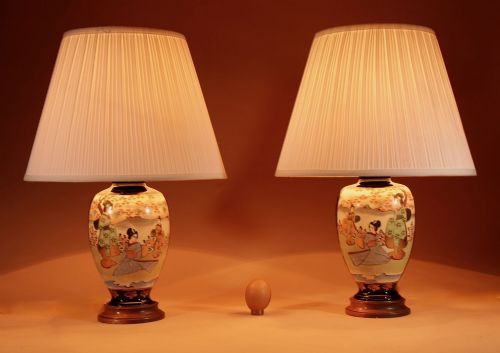
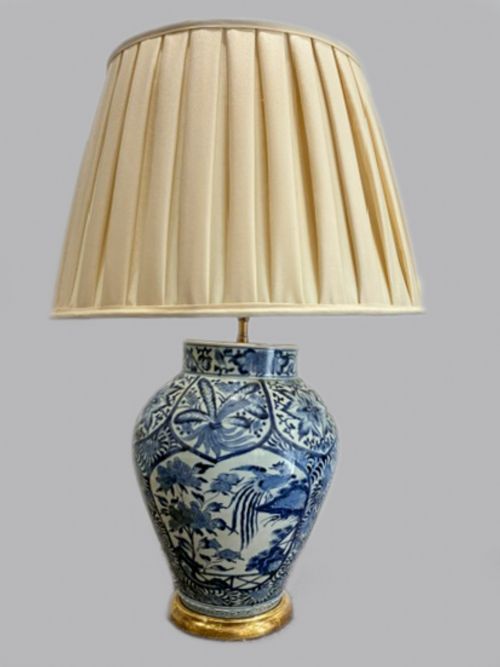
When you search for an antique asian vase lamp, you encounter converted vessels originating from China and Japan across several centuries. These pieces transform traditional porcelain, bronze, and enamel jars into functional table lighting.
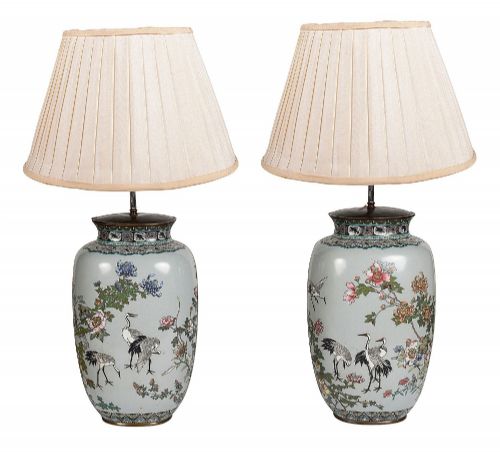
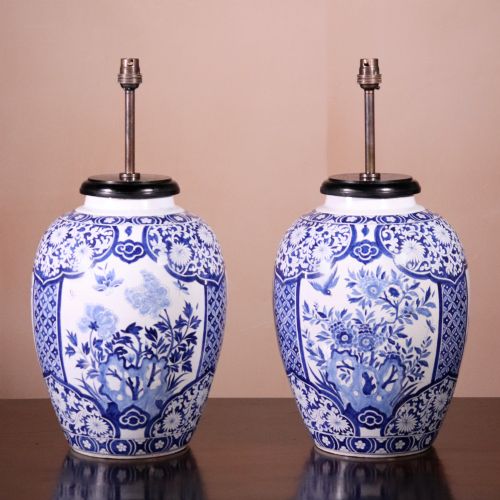
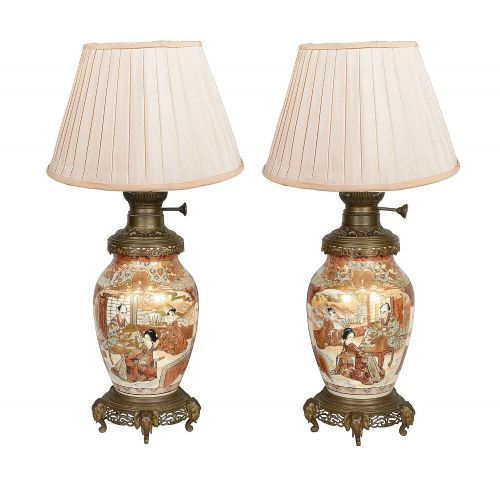
The most common examples on this page date from the nineteenth century and the early twentieth century. These include Japanese Satsuma, Kutani, and Imari ceramics alongside Chinese celadon, blue and white porcelain, and cloisonne enamel vessels.
Earlier centuries appear too, with vessels originating from the Edo period, Qing dynasty, and seventeenth-century workshops adapted for modern electrical use. Buyers encounter both single statement pieces and matched pairs suitable for domestic placement.
Materials and construction
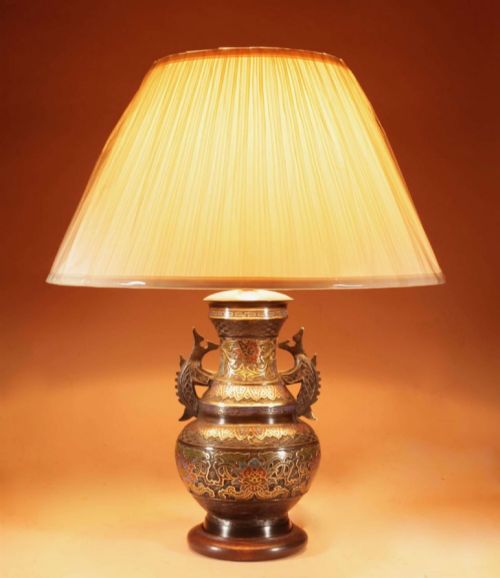
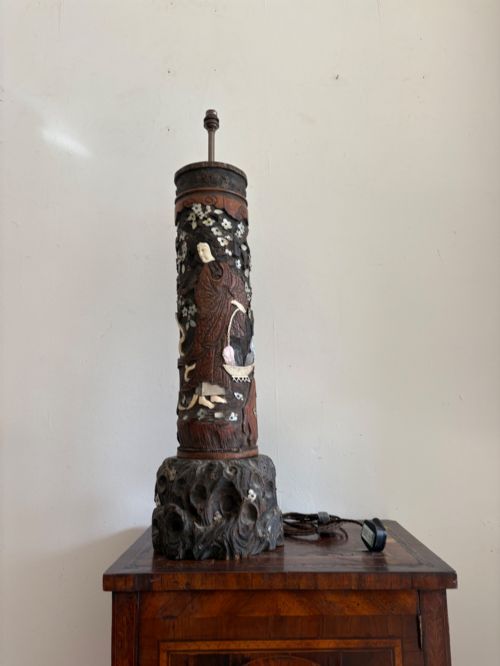
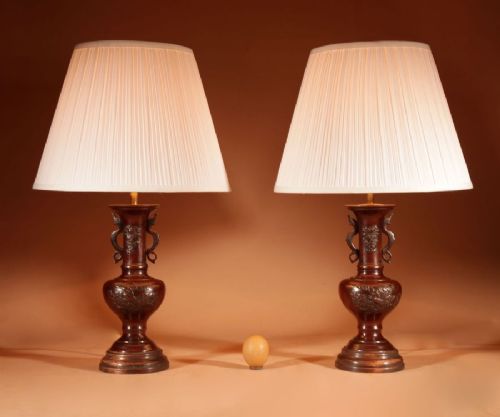
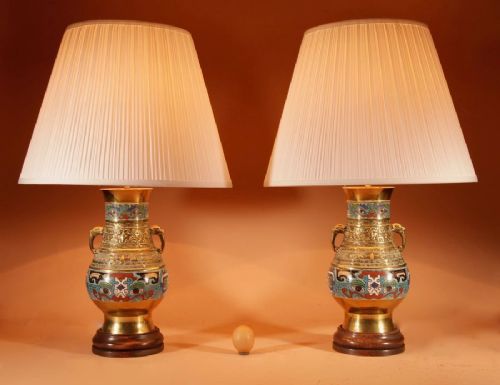
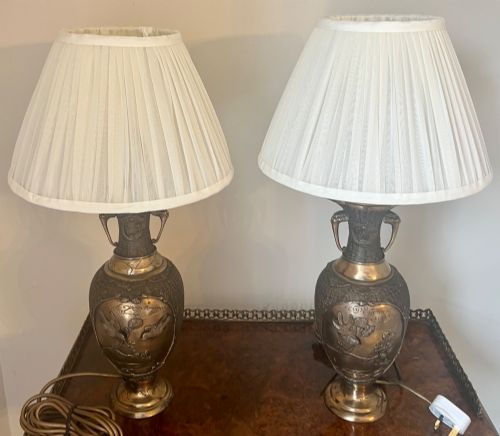
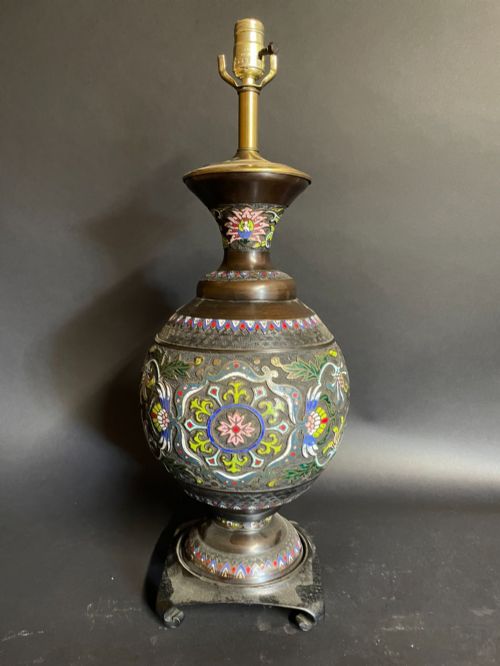
Makers utilised heavy cast bronze, brass, and champleve or cloisonne enamel to construct durable metal bodies and mounts. These metallic structures often incorporate intricate dragon motifs, geometric patterns, or inlaid mother of pearl.
Ceramic bodies rely on fired porcelain and earthenware, decorated with blue and white glazes, famille verte, celadon, or polychrome Satsuma enamels. Skilled artisans originally shaped these vessels as brush pots, ginger jars, and decorative display vases before later conversion into lamps.
Listings feature porcelain, bronze, and cloisonne enamel vessels spanning the seventeenth century through the early twentieth century.
Distinctions in standard
The fidelity of hand-painted ceramic detail and the precision of cloisonne wirework separate standard production from finer examples. Superior pieces display crisp enamel cells, nuanced brushwork on porcelain, and deeply chased bronze mountings.
The integrity of the original vessel prior to conversion dictates overall desirability among collectors. Vases retaining their original surface patination, unblemished glazes, and harmonious proportions command greater appreciation than heavily altered bodies.
The Antique Asian Vase Lamp Glossary
- Cloisonne
- An enamel technique where metal wires form raised cells on a bronze or brass body to contain coloured glass pastes. Artisans then fire and polish the surface until smooth.
- Satsuma
- A type of Japanese earthenware featuring a crackle-glaze ivory body decorated with polychrome enamels and gilt. These wares became widely exported during the Meiji period.
- Celadon
- A pale green or grey-green glaze applied to high-fired porcelain, imitating the appearance of jade. This finish originated in China during ancient dynasties.
- Champleve
- An enamelling method where troughs or cavities are gouged into a metal surface to hold enamel powders. The piece is subsequently fired and ground flat.
- Imari
- A traditional Japanese style of porcelain decorated in underglaze blue, iron red, and gold. These colourful wares were produced primarily for export from the port of Imari.
Antique Asian Vase Lamp: Frequently Asked Questions
What is an antique asian vase lamp?
An antique asian vase lamp is a historic vessel from China or Japan that has been adapted into a functional electric light fitting.
These pieces combine traditional decorative arts, such as bronze casting or porcelain painting, with modern domestic illumination.
How do I identify the period of a vase lamp?
Dating relies upon examining the ceramic glaze, metalwork technique, and stylistic markers associated with specific eras like the Meiji period or Qing dynasty.
Makers often applied distinctive decorative motifs and glazing formulas that reflect the manufacturing standards of their specific century.
Were these vases made as lamps originally?
The majority of these vessels were created originally as display vases, ginger jars, brush pots, or temple vessels rather than lighting.
Conversion into lamps typically occurred later, adapting the hollow interior and base to safely house electrical wiring and bulb fittings.
How do I care for antique ceramic lamps?
Maintenance requires gentle dusting with a soft, dry cloth to protect delicate painted enamels and gilt highlights from abrasive wear.
Avoiding harsh chemical cleaners preserves the historic glaze and prevents damage to the underlying porcelain or metal structure.