

Antique Asian Style Table
An antique asian style table brings centuries of craftsmanship into a room, offering functional surfaces shaped by diverse cultural traditions.
Antique Asian Style Table
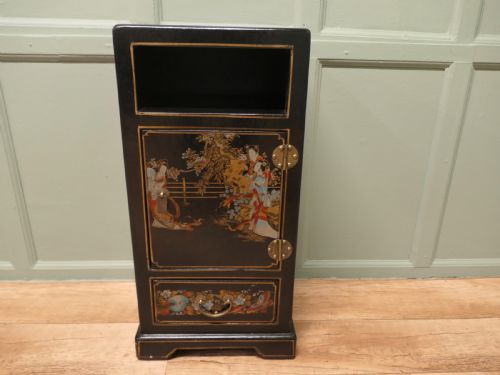
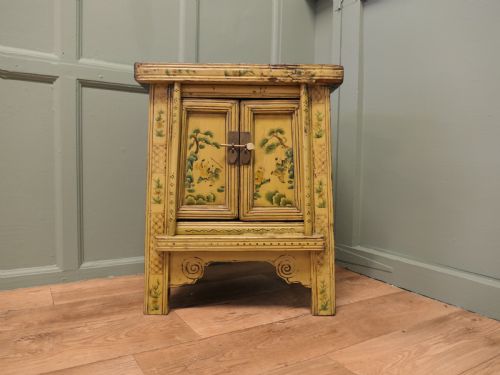
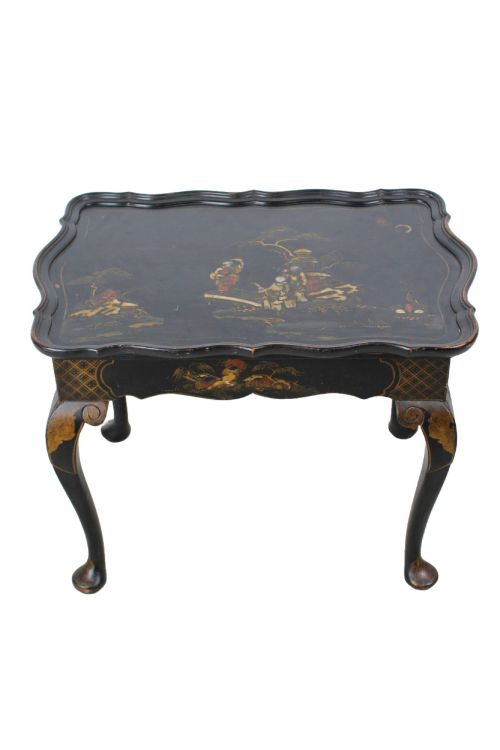
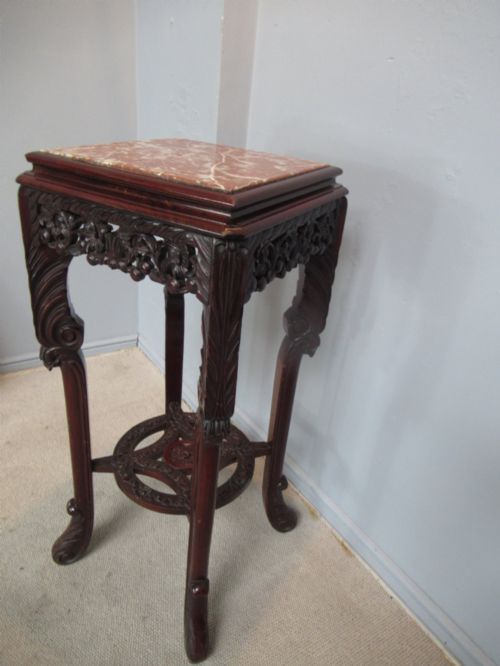
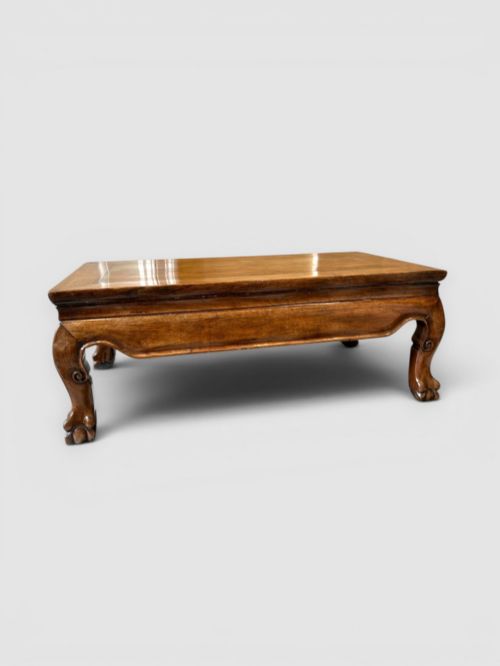
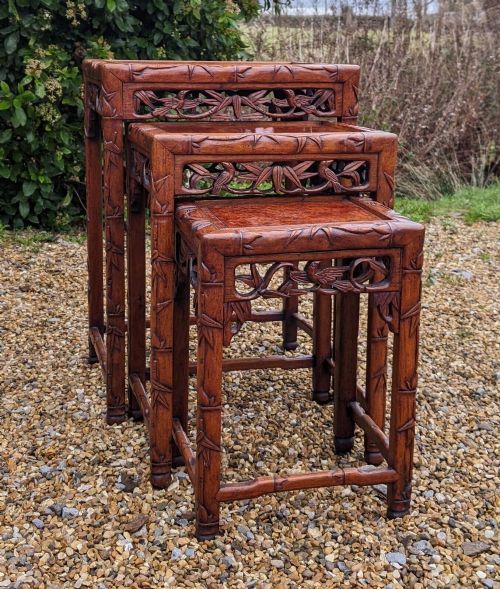
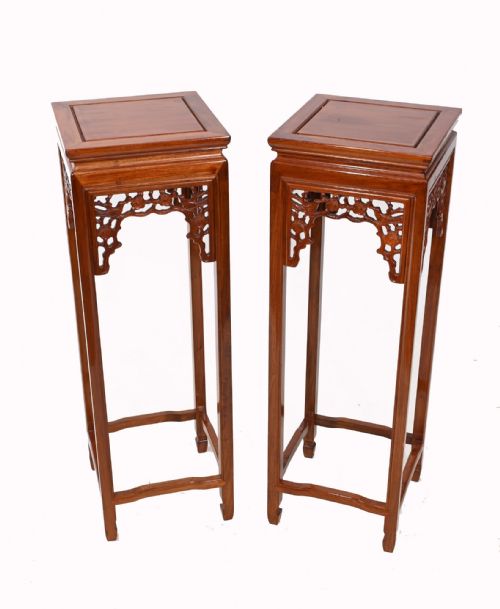
An antique asian style table encompasses a broad variety of forms designed for daily utility and decorative display. Coffee tables, side tables, console tables, and nests of tables populate the listings alongside specialised pieces like opium tables, altar tables, and plant stands. These items reflect traditional construction methods originating primarily from Chinese and Japanese workshops.
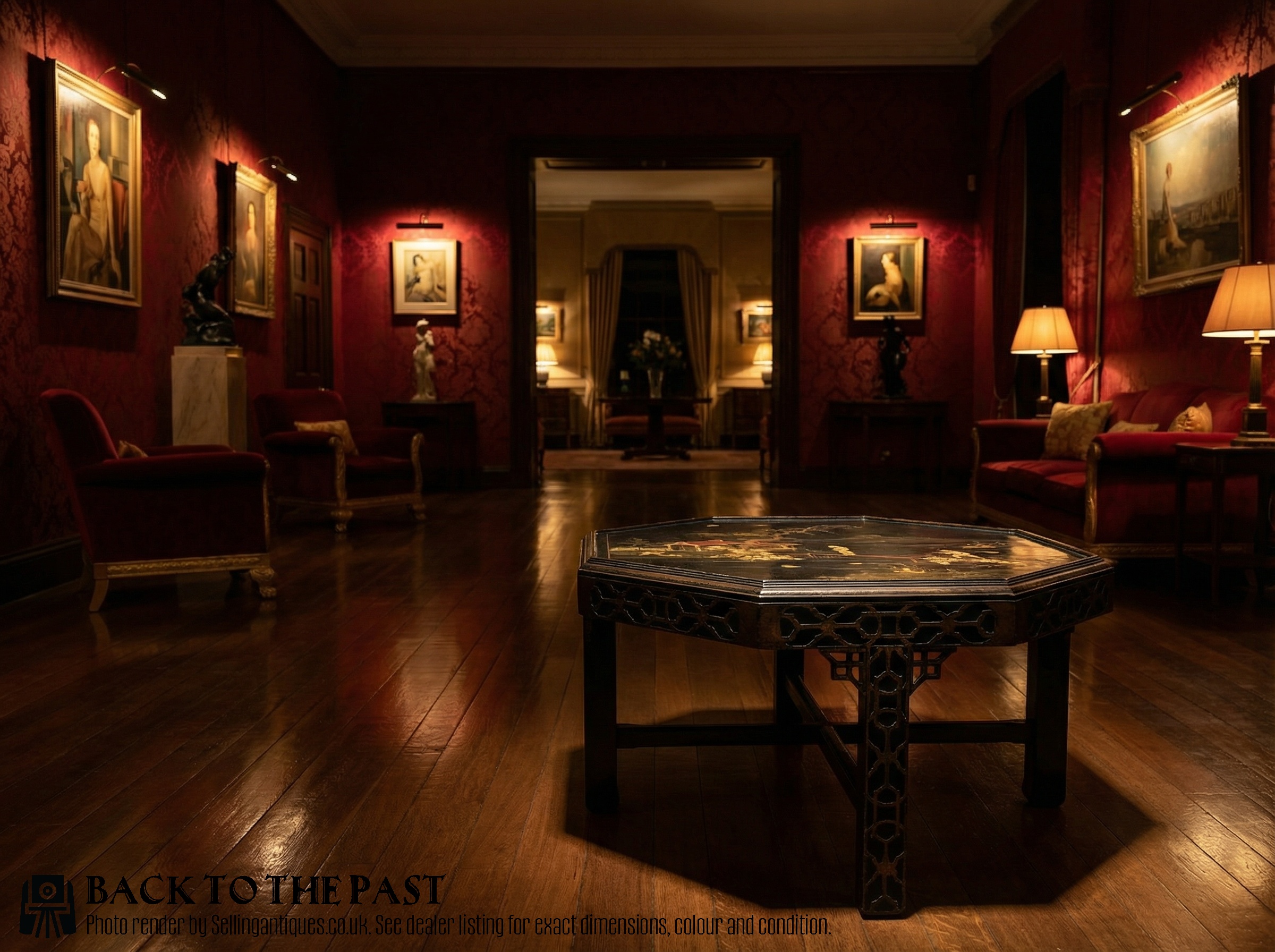
Buyers will encounter multiple period styles, ranging from eighteenth-century examples to pieces produced across the nineteenth and early twentieth centuries, including Edwardian interpretations of chinoiserie. Materials such as elm, hardwood, marble, and lacquer define the structural appearance of these furnishings. Each piece serves as a tangible link to historical interior aesthetics.
Materials and construction
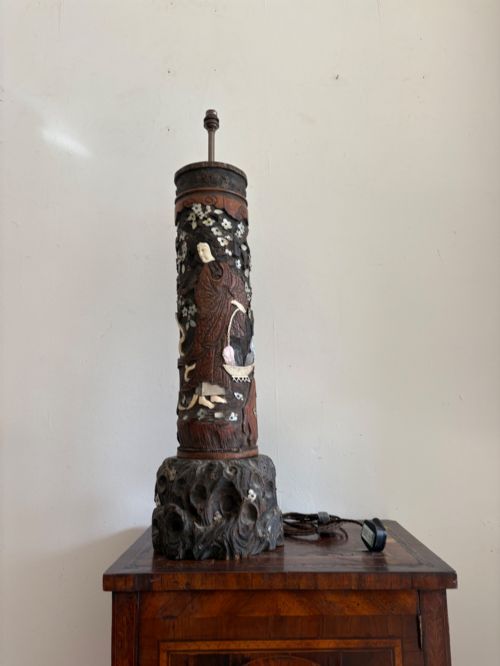
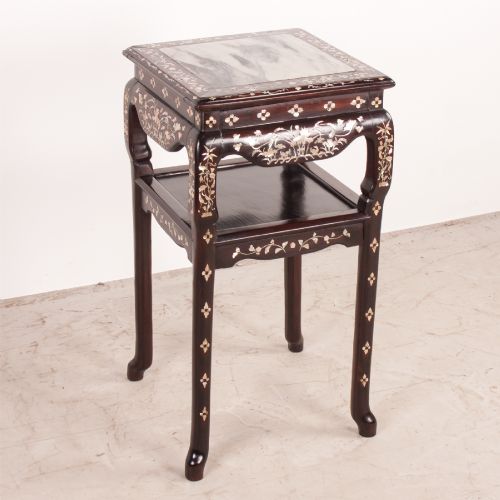
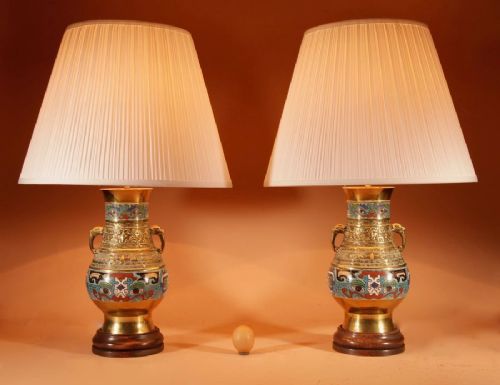
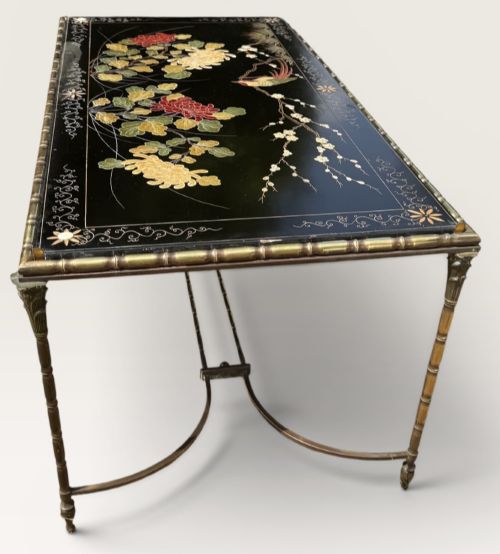
Cabinetmakers utilised robust woods including elm and dense hardwoods to build frames capable of withstanding decades of use. Surfaces frequently incorporate marble inserts, delicate lacquer finishes, or detailed mother-of-pearl inlay work that highlights traditional decorative arts. Brass and bronze elements appear on specific forms, providing structural reinforcement and contrasting decorative accents.
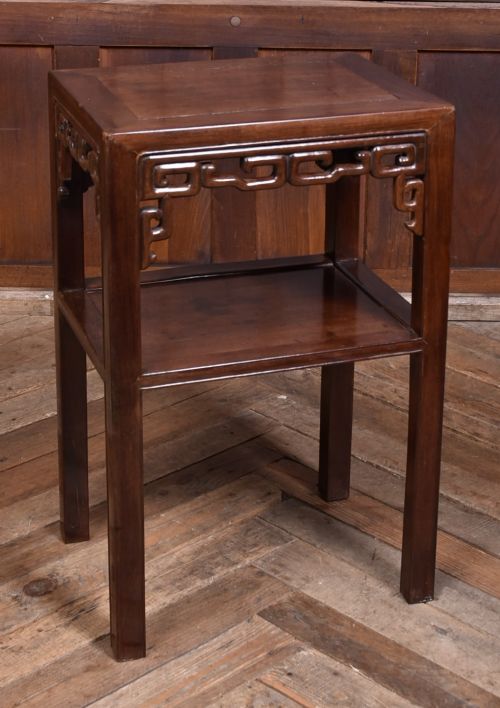
Joinery techniques prioritize structural integrity without relying on modern fasteners, allowing wood to expand and contract naturally. Carving methods range from restrained linear detailing to elaborate figural motifs executed on panels and table aprons. Lacquering involves multiple layers applied and cured to achieve a hard, lustrous protective coating.
Listings feature eighteenth-century pieces alongside nineteenth-century elm and hardwood tables, demonstrating long-standing woodworking traditions.
Assessing craftsmanship
Superior execution relies on the precision of the joinery and the selection of dense, well-seasoned timber for the frame. Pieces featuring intact lacquer, secure mother-of-pearl inlay, and well-preserved marble inserts demonstrate higher standards of original manufacture. The depth and clarity of carved ornamentation further distinguish finer examples from standard production.
Proportion and balance dictate the visual success of the piece within an interior scheme. Consistency in the surface patina indicates proper care over time, whereas excessive wear or poorly executed repairs diminish the integrity of the object.
The Antique Asian Style Table Glossary
- Chinoiserie
- European decorative style reflecting Chinese artistic influences, popular in furniture decoration and lacquered finishes. This aesthetic appears frequently on Edwardian and nineteenth-century pieces.
- Opium table
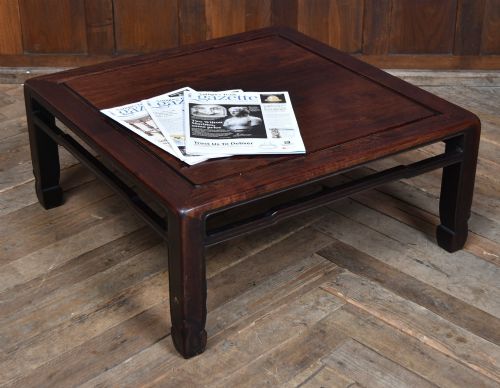
- Low rectangular table traditionally used in domestic settings for reclining, dining, or smoking. These low forms function well as modern coffee tables.
- Altar table
- Long, narrow table featuring upturned flange ends, historically placed against walls in ceremonial spaces. Their architectural proportions suit contemporary hallways and living areas.
- Hardwood
- Dense timber species utilised in traditional Chinese furniture construction, prized for strength and rich natural grain. Examples include padouk and other regional varieties.
- Mother of pearl
- Iridescent inner layer of mollusc shells used to create inlaid decorative patterns on table surfaces. It contrasts sharply against dark wood or lacquered backgrounds.
Antique Asian Style Table: Frequently Asked Questions
How do I use an antique altar table?
An antique altar table works effectively as a narrow console in a hallway or placed behind a sofa. Its elevated ends provide a distinct architectural silhouette against a wall.
Keep the surface styling minimal to allow the natural wood grain and traditional joinery to remain the visual focus of the room.
What is an opium table used for today?
Opium tables function well as low coffee tables in contemporary living spaces, offering a compact surface close to the floor. Their modest height complements low seating arrangements.
Ensure the dimensions fit the scale of surrounding upholstery to maintain balanced proportions in the room.
How do I care for lacquered wood furniture?
Lacquered surfaces require protection from direct sunlight and excessive moisture to prevent cracking or fading over time. Dust the piece regularly with a soft, dry cloth.
Avoid chemical polishes or abrasive cleaners that can damage the historical finish of the lacquer.
How do I identify nineteenth century Chinese furniture?
Nineteenth-century pieces typically exhibit traditional joinery methods, regional hardwood construction, and hand-carved details specific to Chinese cabinetmaking traditions. Look for natural patination accumulated through generations of use.
Compare the construction details and timber weight against known period examples to confirm the age.