




Japanese Lacquer Style Table
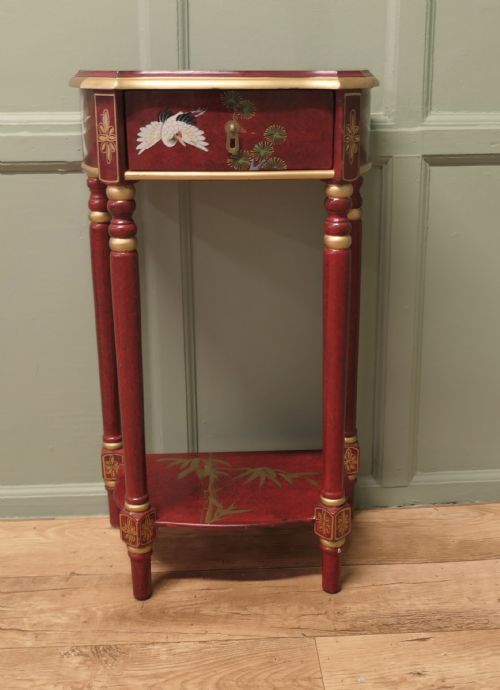
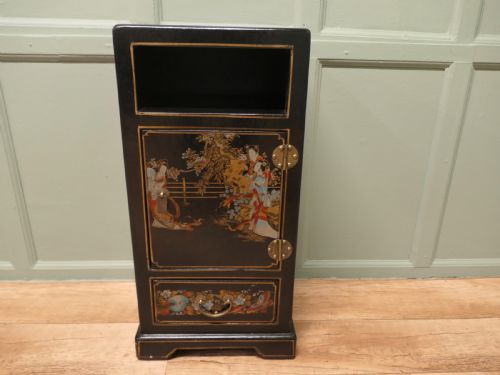
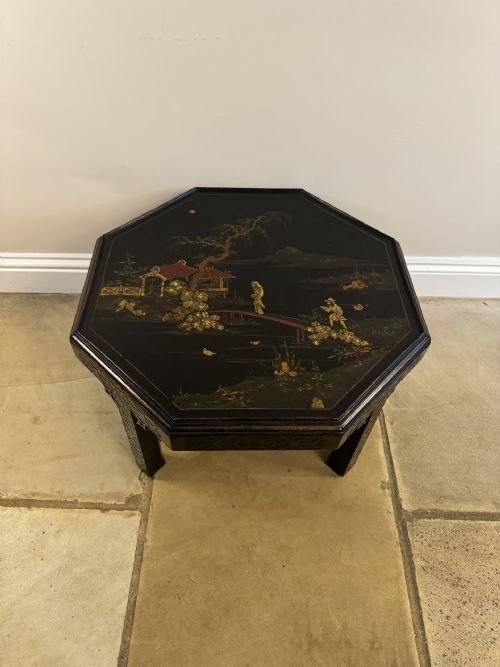
These Japanese lacquer style table pieces bring rich Chinoiserie and Aesthetic Movement character into a room through deep black lacquer and raised relief detail.
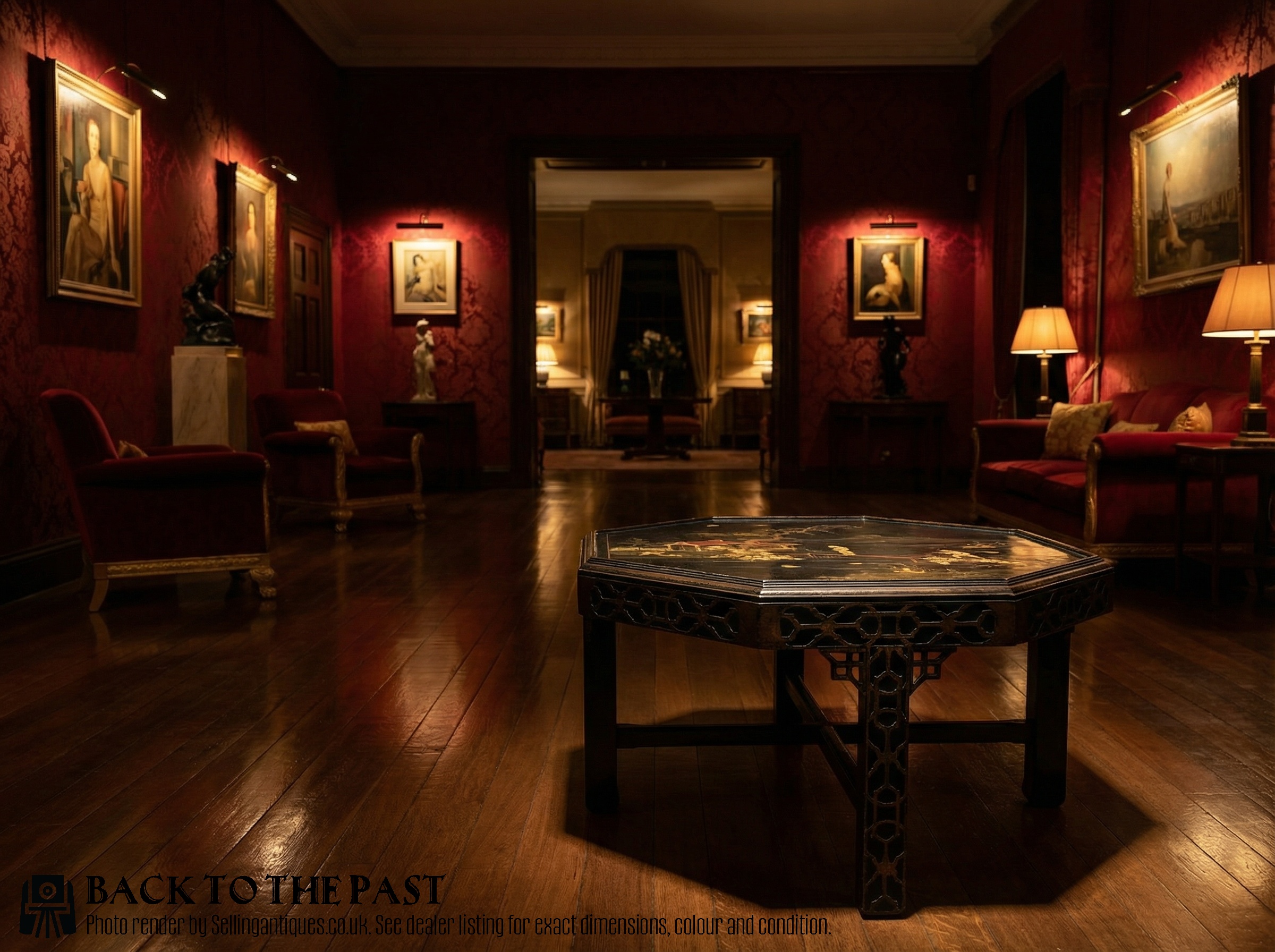
Japanese Lacquer Style Table
When searching for a japanese lacquer style table, buyers encounter a diverse range of forms spanning coffee tables, nests of tables, and side tables. These pieces emerge from periods including the nineteenth century, nineteen hundreds, and nineteen thirties.
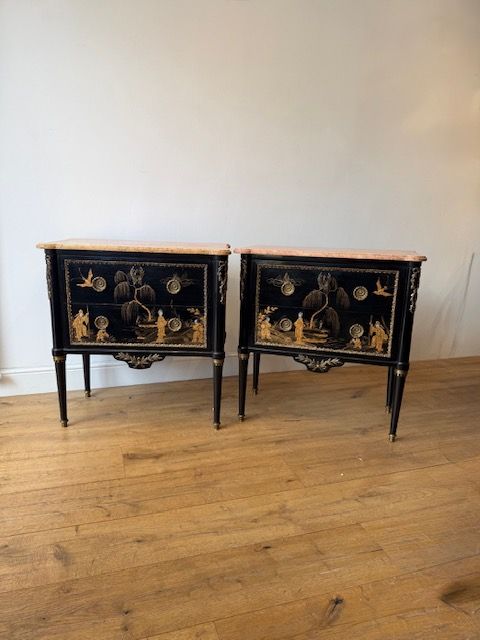
The selection on this page frequently showcases Chinoiserie and Edwardian Chinoiserie influences, alongside Queen Anne style and Aesthetic Movement bamboo variants. Surface finishes often employ black lacquer, gilt paint, and gold leaf to create striking decorative objects.
Forms vary from compact nests of occasional tables to low coffee tables featuring raised relief detail and two tier side tables. Each item reflects the enduring European fascination with East Asian decorative arts adapted for domestic interiors.
How they were made
Construction relies on solid wood frames and natural bamboo supporting panels finished with applied lacquer. Artisans built up multiple coats to achieve a deep, protective surface sheen.
Decoration incorporates gilt paint, gold leaf, and raised relief work to render pictorial scenes in the Chinoiserie taste. Brass mounts and occasional marble inserts complete the construction of more elaborate cabinets and tables.
One remarkably cheerful mantel clock sneaked into the lineup among all the tables and cabinets.
What varies in quality
Quality rests primarily on the depth and execution of the lacquer work and the crispness of the raised relief details. Pieces finished with hand-applied gold leaf display a luminosity absent in simpler gilt paint versions.
The choice of underlying material also dictates the standard of the piece, with dense timber frames and genuine bamboo structures outperforming basic utility construction. Finer examples maintain structural integrity in joints and legs across delicate forms like nests of tables.
The Japanese Lacquer Style Table Glossary
- Chinoiserie
- European decorative style reflecting Chinese artistic influences. It dominated various periods of furniture production through painted motifs and lacquer work.
- Lacquer
- A durable finish derived from tree sap or resin applied in multiple layers. It provides a smooth, glossy surface often embellished with gold.
- Gilt paint
- A metallic coating used to imitate gold leaf decoration. It appears widely across different periods of decorative furniture.
- Aesthetic Movement
- Late nineteenth-century design current emphasising visual beauty over narrative content. It frequently incorporated bamboo and Japanese motifs.
- Nest of tables
- A set of graduated tables designed to fit one beneath another. They offer flexible surface space in compact rooms.
Japanese Lacquer Style Table: Frequently Asked Questions
What periods do these tables come from?
The pieces span from the late nineteenth century through the Edwardian era and into the nineteen thirties. Styles range from Aesthetic Movement bamboo to Louis XVI Chinoiserie.
Production methods shifted over these decades, combining traditional lacquer techniques with changing European furniture fashions.
How do I care for lacquer surfaces?
Keep lacquer surfaces away from direct sunlight and excessive heat to prevent cracking or fading. Dust gently with a soft, dry cloth without harsh chemical polishes.
Maintaining a stable room temperature helps preserve the delicate gilt paint and raised relief details over time.
Are bamboo tables sturdy?
Bamboo frames offer surprising strength combined with lightweight construction. Aesthetic Movement pieces utilised this material specifically for its resilience and exotic appearance.
Regular inspection of the joints ensures these pieces remain stable for everyday use in a modern interior.
What is raised relief detail?
Raised relief involves building up portions of the design above the flat surface before applying lacquer and gold leaf. This technique creates a tactile, three-dimensional effect on tabletop scenes.
Mastering this method required considerable skill from the maker to ensure the relief work adhered securely to the wood.