


Antique Asian Metalware
These antique asian metalware pieces bring centuries of ritual, craftsmanship, and domestic splendour straight to your tabletop.
Antique Asian Metalware
When searching for antique asian metalware, buyers encounter a diverse selection of vessels shaped for ceremony, ritual, and display. The listings span a broad chronological range, stretching from the intricate casting traditions of the Ming dynasty through to early twentieth-century decorative wares.
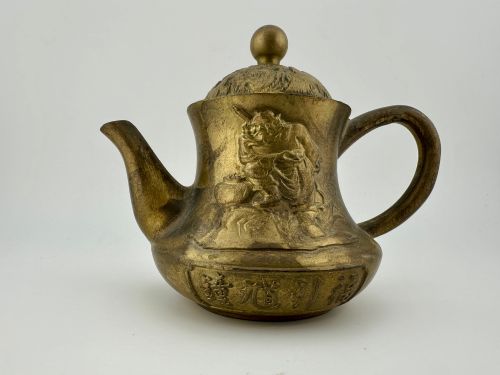
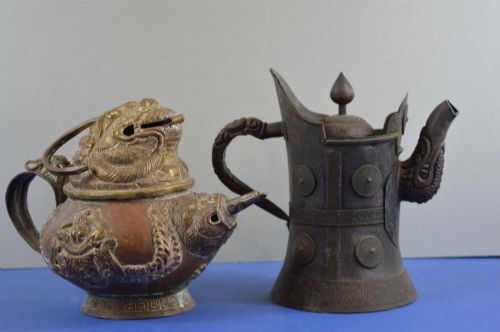
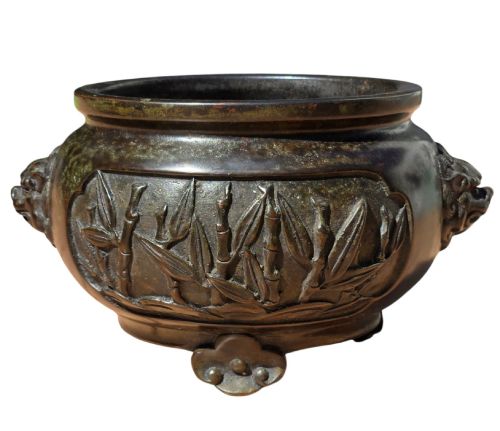
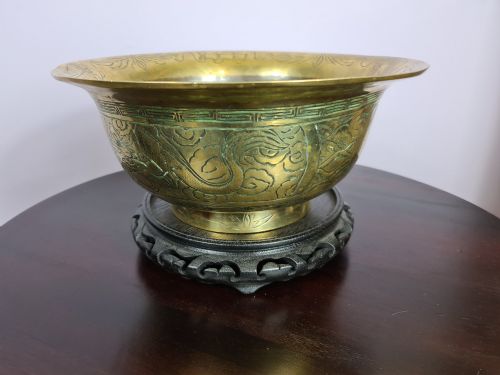
Vessels take many forms, including censers, ritual vases, decorative bowls, teapots, and ewers. Pieces frequently reflect specific periods such as the Qing dynasty or incorporate Chinese export designs tailored for Western interiors.
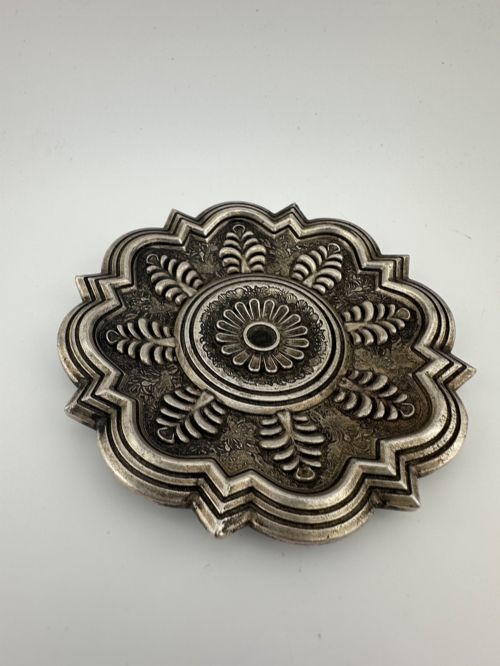
The objects on offer showcase the enduring appeal of traditional forms, whether one seeks a large bronze vessel for display or a smaller ceremonial dish.
How they were made
Metalworking traditions rely heavily on bronze, brass, and copper, often shaped through skilful casting methods. Artisans enhanced these metallic surfaces using champlevé enamel or cloisonné techniques, adding vibrant colour and intricate patterns to the composition.
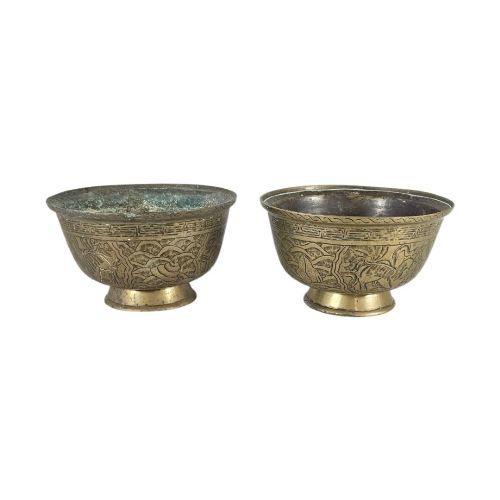
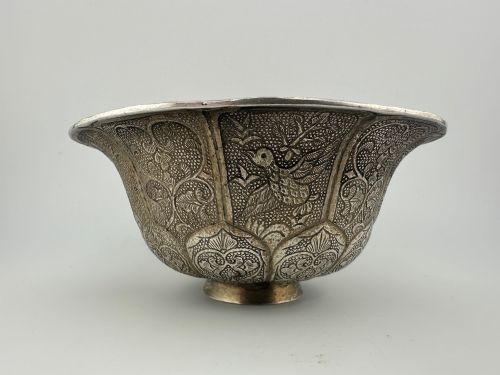
Many items feature applied relief panels, engraved motifs, or chased details depicting dragons, phoenixes, birds, and floral arrangements. White metal, silver, and nickel silver also appear, demonstrating the variety of metallic mediums utilised by makers across different eras.
Listings feature items spanning from the 16th-century Ming dynasty through to the early 20th century, encompassing bronze, brass, and enamel.
What varies in quality
Quality reveals itself in the weight, crispness of casting, and the precision of decorative relief work. Heavier bronze and brass vessels often demonstrate a more substantial physical presence and superior structural integrity.
The refinement of surface embellishments, such as the neatness of enamel work or the subtlety of archaic-style detailing, separates ordinary utilitarian items from masterworks of craftsmanship.
The Antique Asian Metalware Glossary
- Censer
- A vessel designed for burning incense during rituals or for domestic fragrance. These often feature pierced covers to allow smoke to escape gracefully.
- Champlevé enamel
- A technique where troughs are dug into the metal surface and filled with enamel paste before firing. This creates rich, multicoloured geometric or pictorial designs.
- Cloisonné
- A method of decorating metalwork objects with coloured glass paste placed in compartments formed by strips of metal welded to the body. The piece is subsequently fired and polished.
- Gu
- An archaic style of ritual vessel characterised by a slender central section expanding into a flared trumpet mouth and a broad foot.
- Xuande mark
- A stamped or engraved reign mark referencing the Ming dynasty emperor, frequently added to later pieces as a tribute to historical excellence.
Antique Asian Metalware: Frequently Asked Questions
What were antique bronze censers used for?
Bronze censers served primarily as ritual vessels for burning aromatic incense in temples, scholarly studios, and domestic spaces. Their forms allowed smoke to filter through decorative covers, purifying the surrounding air.
Over time, these pieces became valued decorative objects, appreciated for their sculptural qualities as much as their original ceremonial function.
How do I identify a Ming dynasty bronze piece?
Ming pieces often display deep patination, robust casting techniques, and classic motifs such as the three friends of winter in relief panels. Scholars look closely at the alloy composition and style of the surface work.
Many later items also bear historical reign marks, so examining the overall wear and casting method helps determine the true period of manufacture.
Where should I place an oriental bronze vase?
These vases suit quiet corners, mantelshelves, or central display tables where their metallic patinas can catch the ambient light. Their substantial weight makes them stable containers for dry stems or decorative arrangements.
Pairing them with neutral backgrounds allows the intricate bronze or cloisonné details to stand out without visual competition.
What is the difference between cloisonne and champleve?
Cloisonné involves soldering thin metal wire onto a metal base to create raised compartments which are then filled with enamel. Champlevé instead carves troughs directly into the thick bronze or copper body to hold the coloured paste.
Both techniques produce durable, colourful surfaces, but the underlying method of preparation alters the texture and depth of the finished design.