
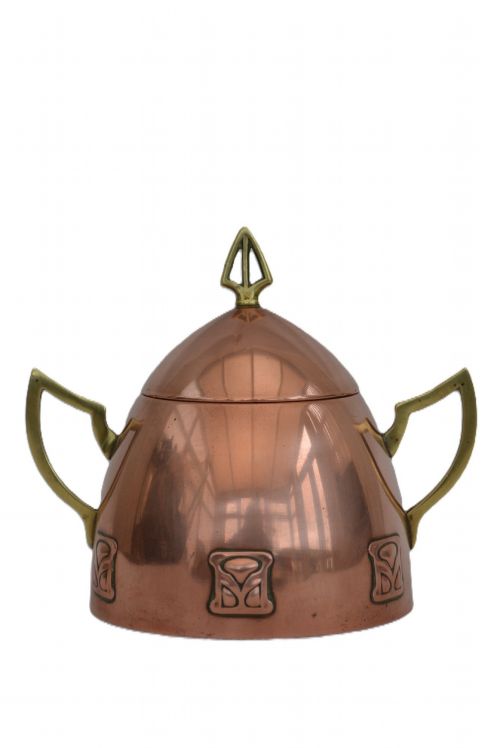
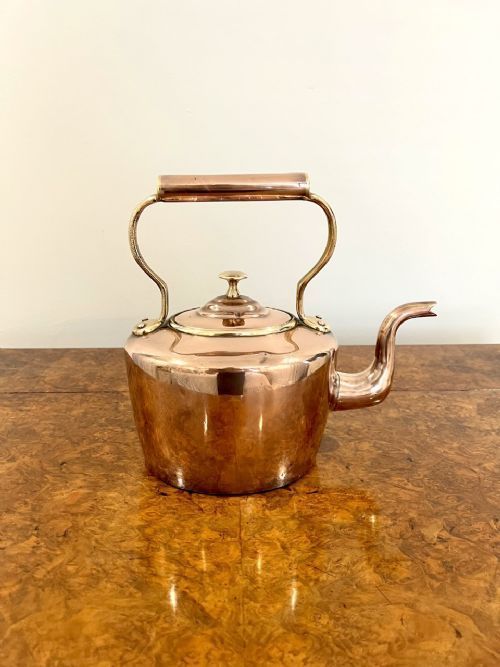


Antique Metal Tea Vessel
An antique metal tea vessel brings warmth and historic utility to a room, ranging from simple George III copper kettles to elaborate Victorian samovars.
Antique Metal Tea Vessel
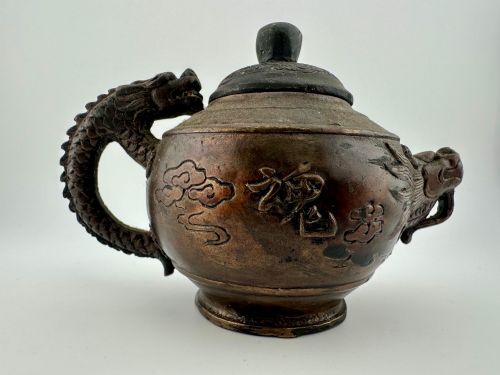
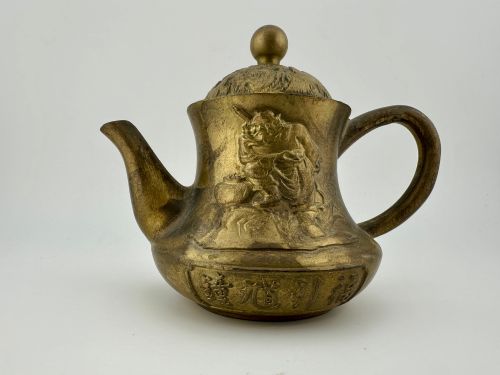
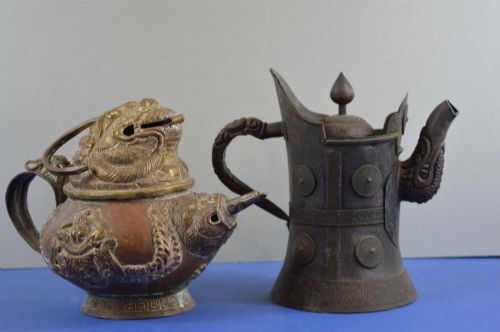
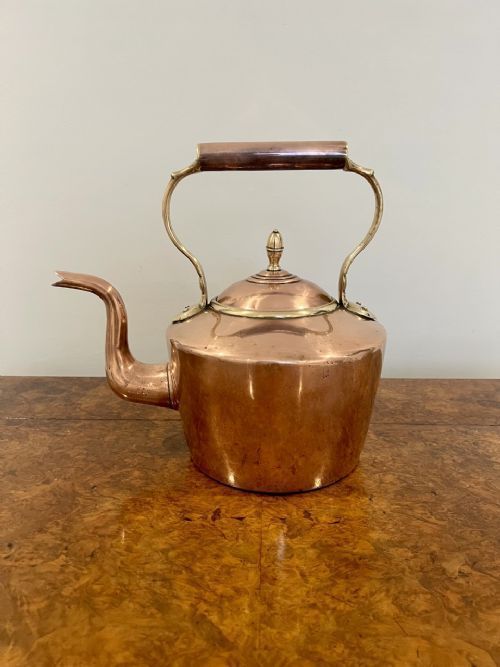
When you search for an antique metal tea vessel, you encounter domestic equipment designed for heating and serving water across multiple centuries and stylistic traditions. The selection spans George III copper kettles, Victorian samovars, Chinese bronze teapots, and Tibetan ceremonial ewers.
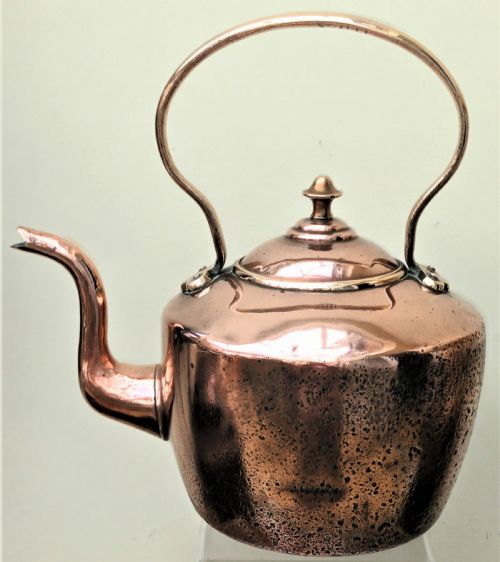
The most common examples on this page are English copper kettles and samovars dating from the Georgian and Victorian eras. These functional objects reflect the changing domestic habits of nineteenth-century households and the industrial methods used to supply them.
Alongside English utility wares appear Asian and continental forms, including Japanese iron tetsubin and Chinese bronze ewers bearing reign marks. These diverse origins show how different cultures shaped metal for the preparation of hot beverages.
Materials and Construction
Makers shaped heavy sheets of copper and brass by hand or used early industrial rolling mills to produce the body of the vessel. Rivets, dovetail joints, and soldered seams held the metal plates together, while cast brass fittings formed handles and spouts.
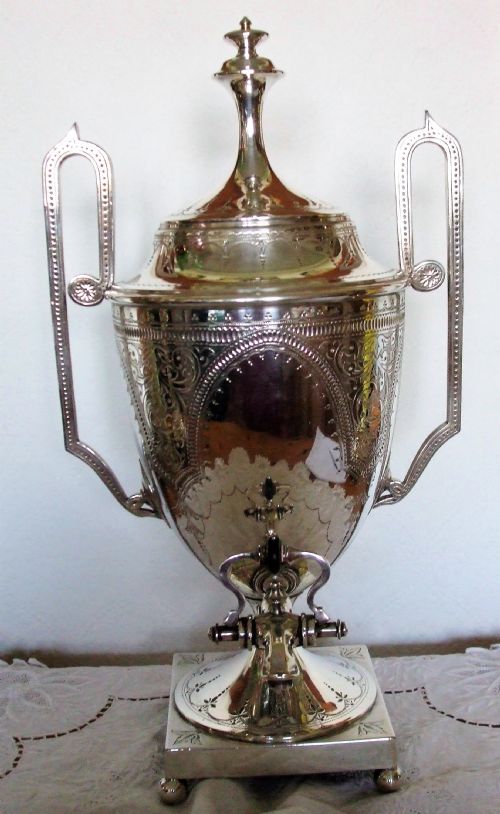
Silver plating and Sheffield plate added a bright reflective finish to formal tea pots and samovars intended for the parlour. Other pieces utilised bronze, cast iron, and ebonised wood insulators on handles to protect the user from heat.
Decorative elements relied on chasing, engraving, and applied cloisonne enamel work, particularly on Japanese and Chinese vessels. Handles frequently incorporated bone or wood components to prevent heat transfer during use.
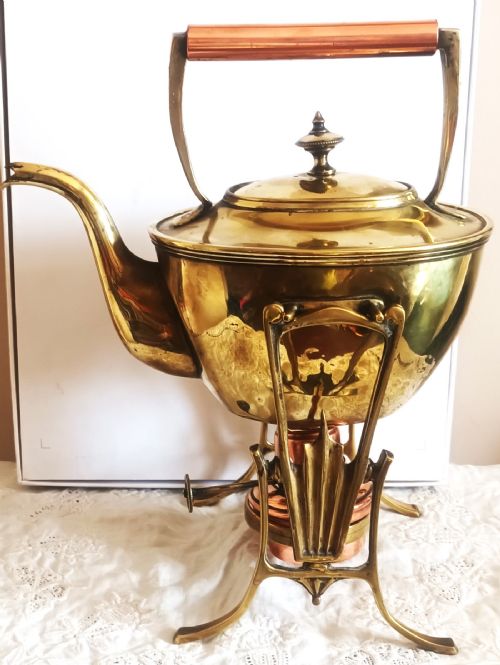
Several kettles arrive with tiny spirit burners still tucked underneath, ready for tea parties across the centuries.
Standard and Execution
The distinction between ordinary utility items and superior examples lies in the weight of the metal and the crispness of the hand-finishing. Heavier copper gauges and well-executed dovetail joints indicate a vessel built to withstand daily use rather than basic mass production.
Makers' marks provide a clear indicator of origin and workshop standard, connecting an object to known firms such as William Soutter & Sons or Benetfink & Co. Unmarked pieces rely entirely on the harmony of their proportions and the skill visible in their assembly.
William Soutter And Sons·Walker And Hall·Benetfink And Co·Kibundo
The Antique Metal Tea Vessel Glossary
- Samovar
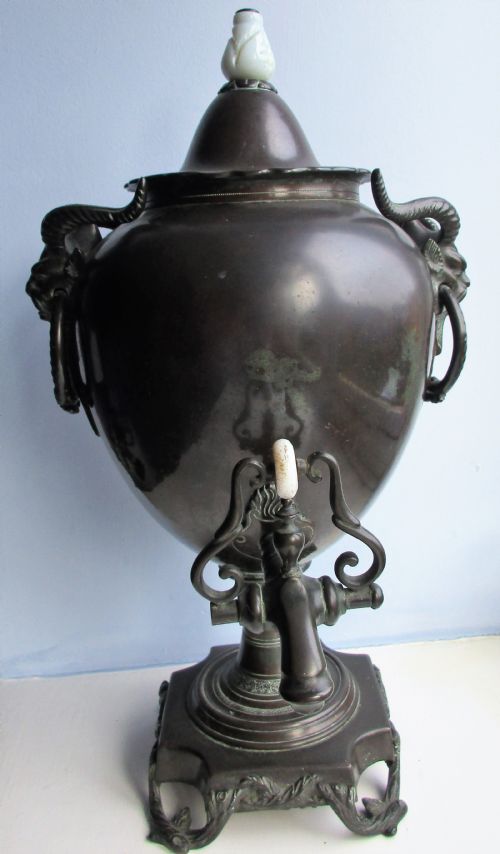
- A heated metal container traditionally used to boil and heat water in Russian and European tea culture. These large urns often feature an internal vertical metal tube for charcoal.
- Spirit kettle
- A kettle suspended above a small methylated spirit burner on a metal stand. This setup kept water hot at the tea table without returning to the kitchen stove.
- Tetsubin
- A traditional Japanese cast iron kettle used for boiling water for tea. They often feature textured hoban patterns and spout designs optimized for pouring.
- Sheffield plate
- A composite material made by fusing a thin sheet of silver to a thicker copper base. It was developed in the eighteenth century before electroplating became common.
- Ewer
- A large pitcher or jug with a flared spout used for holding and pouring liquids. In ceremonial contexts, such as Tibetan examples, they hold butter tea.
Antique Metal Tea Vessel: Frequently Asked Questions
What is a samovar used for?
A samovar was designed to heat water efficiently for large gatherings by using an internal fuel chamber or burning spirit. The hot water filled cups or diluted strong tea concentrates.
Over time these vessels moved from functional kitchen items to decorative centrepieces in Victorian and Edwardian reception rooms.
How do I clean an antique copper kettle?
Most dealers recommend gentle cleaning with specialist metal polish to remove tarnish while preserving the underlying aged patina. Avoid harsh abrasive pads that scratch the soft copper surface.
Leaving the interior unpolished maintains the historical integrity of the piece, particularly if it retains internal limescale from genuine use.
What is the difference between a kettle and a samovar?
A kettle is a smaller vessel designed to be placed directly on a fire, stove, or spirit burner to boil water. A samovar is a much larger self-contained urn with a tap for dispensing hot water.
Samovars usually stay stationary on a sideboard or table, whereas kettles are lifted and tilted to pour.
How do I date a George III copper kettle?
George III pieces typically display hand-beaten construction marks, dovetailed bottom seams, and heavy cast brass handles fixed with hand-cut rivets. These manufacturing traits distinguish them from later nineteenth-century machine-rolled alternatives.
Stylistic cues such as rounded bell shapes and simple gooseneck spouts also help place them around the turn of the nineteenth century.