

Antique Asian Figurine
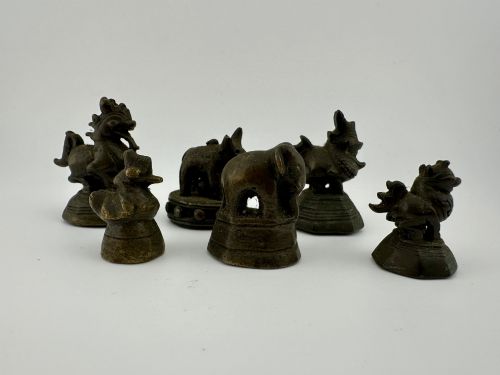
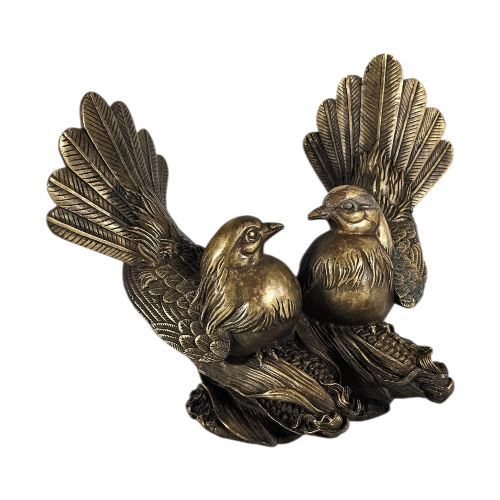
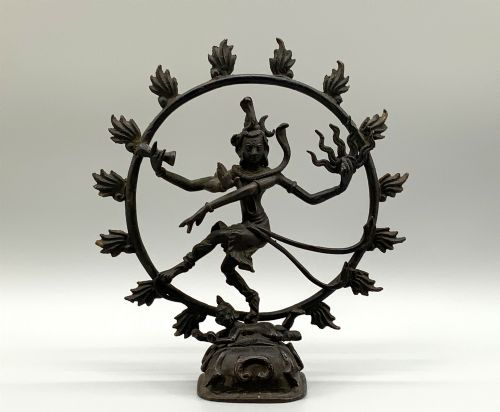
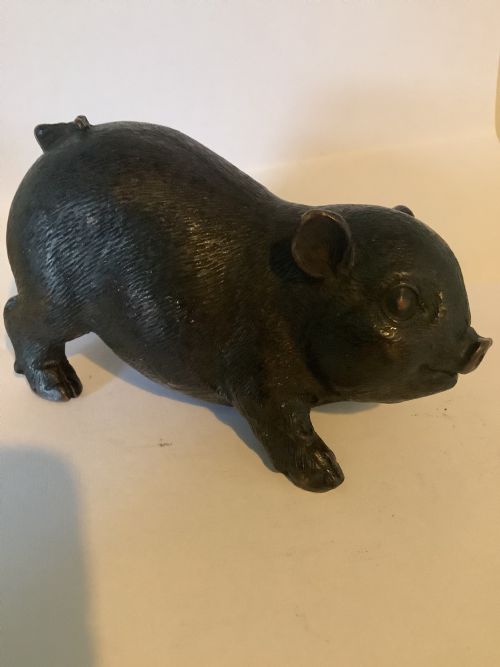
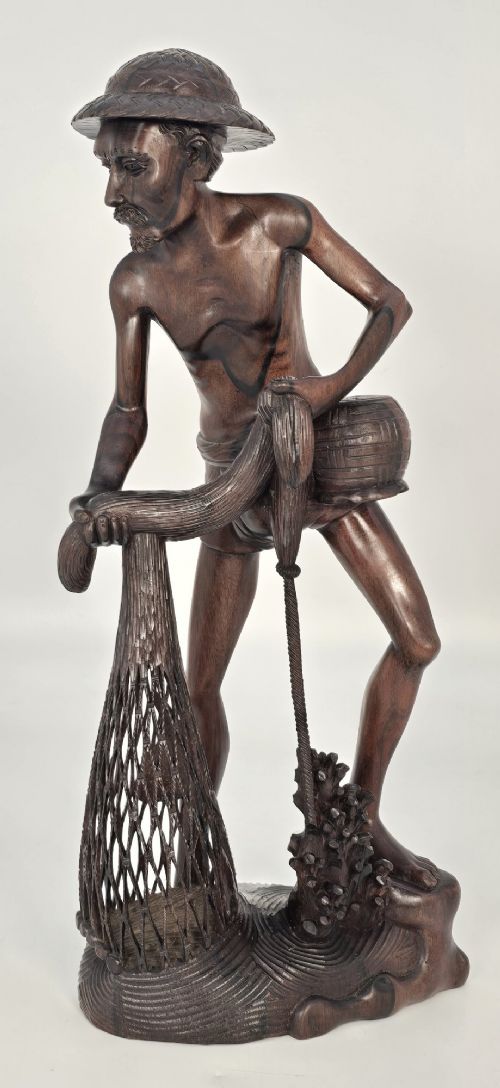
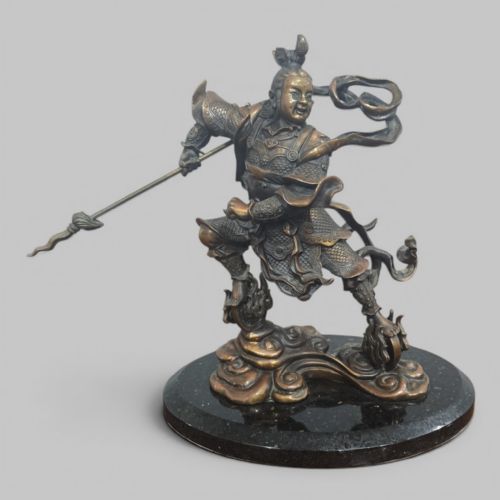
These antique asian figurine examples range from bronze deities to carved hardwood fishermen, offering sculptural presence and historical depth for interiors.
Antique Asian Figurine
An antique asian figurine encompasses cast metal deities, carved wood animals, and ceramic immortals produced across China, Japan, and India during the nineteenth and early twentieth centuries. Collectors encounter subjects spanning Shinto gods, Buddhist figures, animals, and regional tradespeople rendered in varied regional traditions.
The selections on this page draw heavily from Meiji period Japanese works and late Qing Dynasty Chinese pieces. Forms include okimono, netsuke, and independent temple or domestic sculptures cast in bronze or carved from boxwood, hardwood, and ivory substitute materials.
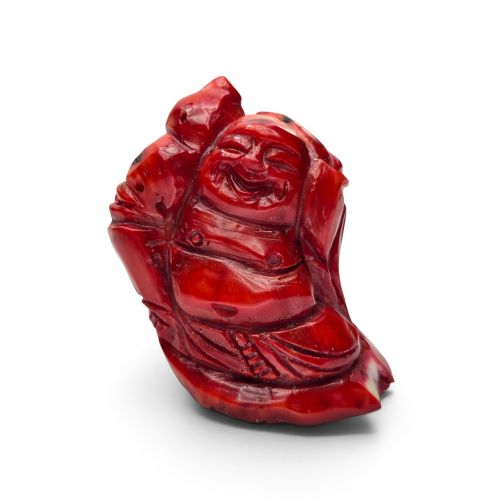
Makers utilised traditional iconography, depicting figures such as Hotei, Kannon, and local fishermen with symbolic attributes. These objects served domestic display, spiritual devotion, and export markets during periods of significant artistic exchange.
How they were made
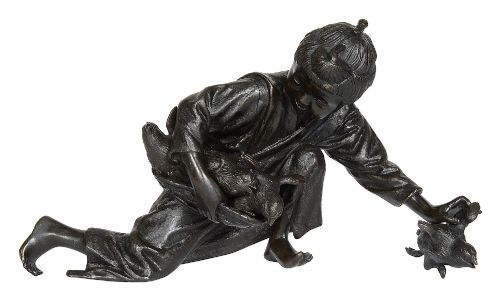
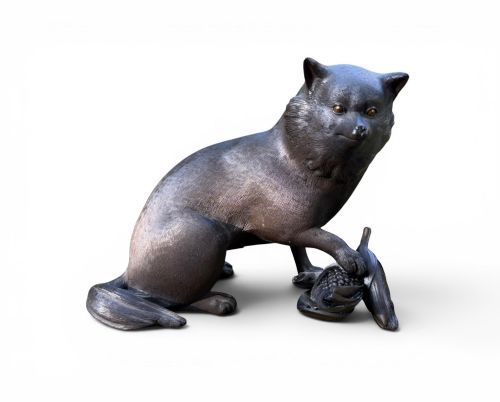
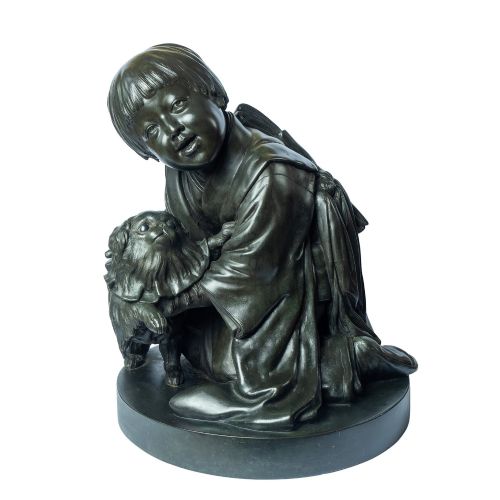
Metal sculptures rely on lost-wax casting techniques, particularly in bronze and gilt bronze, allowing intricate detailing of robes, hair, and animal pelts. Artisans then chased the metal surfaces by hand to sharpen textures and applied patinas ranging from dark brown to polished golden tones.
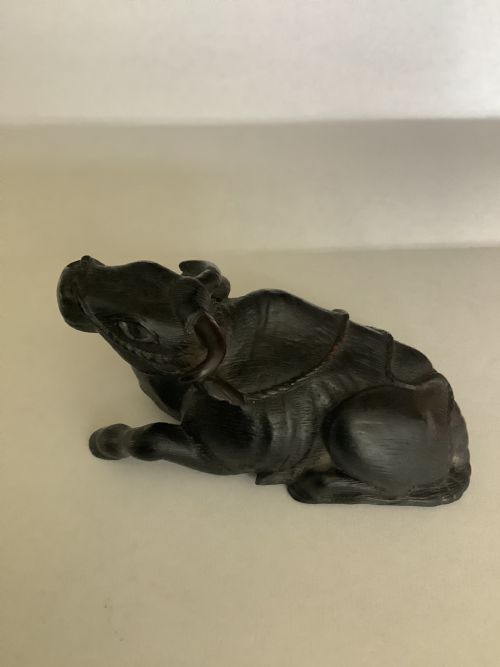
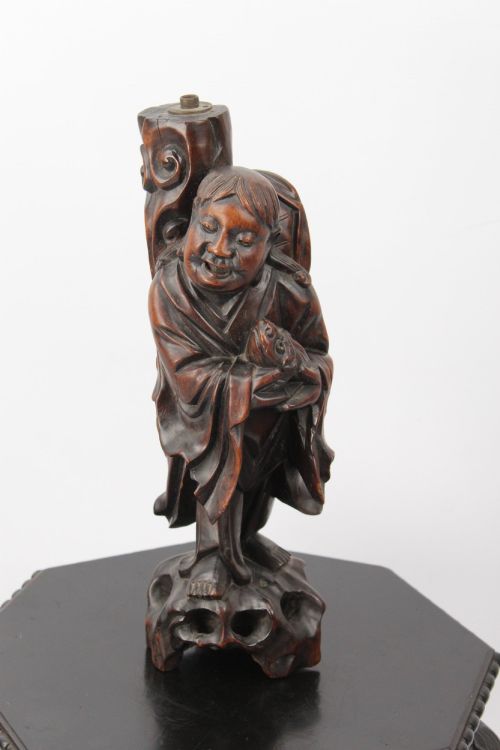
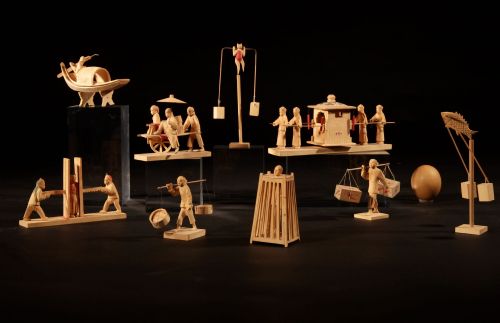
Carved pieces utilise dense organic materials including boxwood, cherry amber, bamboo, and precious red coral, shaped with small gouges and knives. Woodcarvers exploited the natural grain of the timber to accentuate movement in garments and musculature, occasionally incorporating signed artist seals.
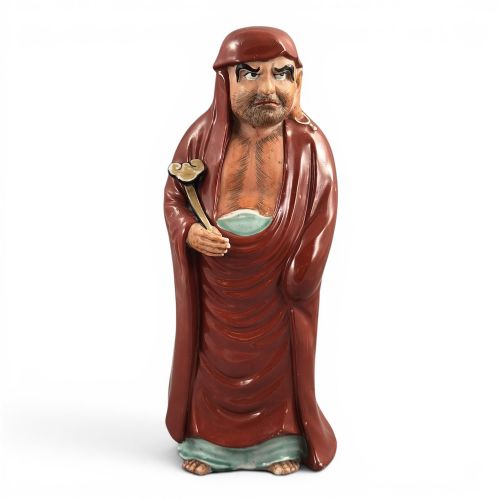
Ceramic and porcelain examples employ moulding and hand-modelling, finished with coloured enamels, turquoise glazes, or Satsuma-style overglaze painting with gold leaf accents. These pieces underwent multiple firings to fix the pigments and enamel details onto the earthenware body.
Several figures depict auspicious animals sharing quiet moments with scholars.
What varies in quality
Material selection dictates the upper tier of production, where dense, flawless boxwood, heavy bronze casts, or rich coral branches provide a stable base for complex undercut carving. Workshops associated with named artists or specific academies demonstrate superior composition and durability over mass-produced trade items.
Masaaki·Makuzu Kozan II
The Antique Asian Figurine Glossary
- Okimono
- A Japanese term for an ornamental object or sculpture intended for display in a tokonoma alcove or on a shelf. These carvings often depict legendary figures, animals, or scenes from daily life.
- Netsuke
- A small carved toggle secured to the end of a cord attached to a suspended pouch or medicine box worn on traditional Japanese garments. Carvers executed these in wood, ivory, or amber with perforated channels for the cord.
- Meiji Period
- The era of Japanese history running from 1868 to 1912, characterised by the opening of trade with Western nations and the production of highly detailed decorative arts for export.
- Qing Dynasty
- The final imperial dynasty of China, lasting from 1644 to 1912, noted for expansive porcelain production, jade carving, and bronze casting in revivalist and traditional styles.
- Kutani
- Japanese porcelain decorated with vibrant overglaze enamel colours, frequently featuring reds, golds, and detailed figural subjects representing deities and immortals.
Antique Asian Figurine: Frequently Asked Questions
How do I identify bronze figures?
Bronze figures are identified by their heavy weight, metallic resonance, and the presence of a hand-finished patina developed over decades or centuries. Many Asian bronzes bear workshop marks or reign stamps on the base.
Artists often chased the cast metal surface with tools to refine details in hair, clothing, and facial expressions before applying colour treatments.
What are netsuke used for?
Netsuke functioned as traditional toggles in historical Japanese dress, anchoring small hanging containers to the sash of a kimono. The carved channel underneath allowed silken cords to pass through securely.
Collectors prize them for their compact scale, intricate miniature carving, and tactile quality achieved through generations of handling.
How do I care for wooden carvings?
Wooden and boxwood carvings require stable indoor humidity away from direct sunlight and heat sources to prevent the timber from splitting. Dusting with a soft, dry brush preserves the natural patina without stripping the surface oils.
Applying liquid polishes is generally discouraged by conservators, as modern chemicals can build up within fine carved recesses.