


Japanese Wooden Sculpture
Japanese wooden sculpture brings domestic carved bears, netsuke, and figure groups into your rooms.
Japanese Wooden Sculpture
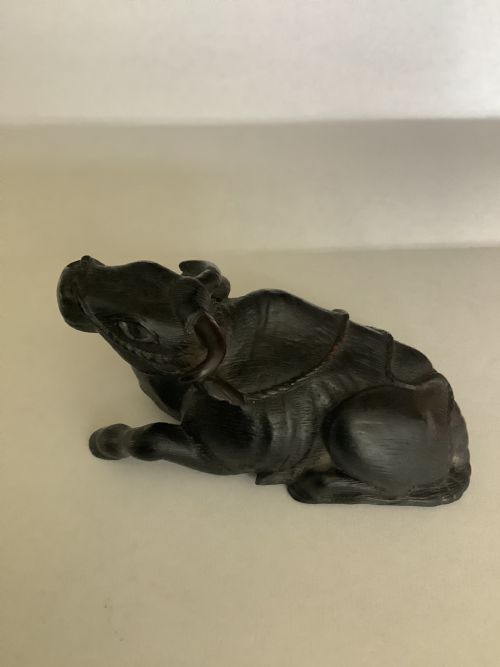
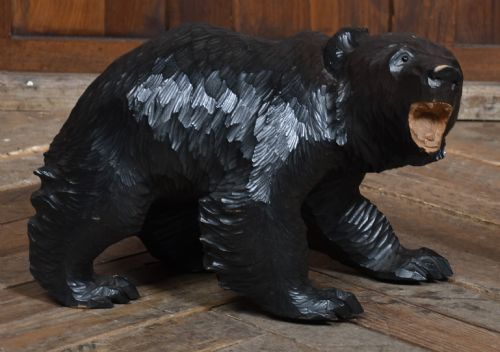
When you search for japanese wooden sculpture, you encounter small netsuke, okimono, and larger animal figures carved from timber. These pieces range from compact toggles meant for traditional dress to substantial bears and human figures produced across the nineteenth and early twentieth centuries.
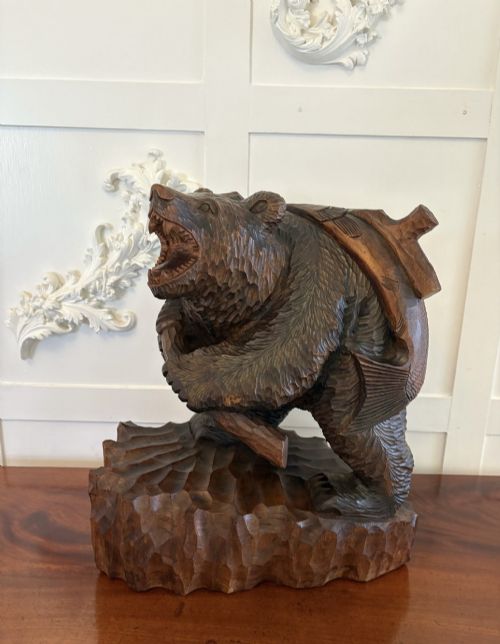
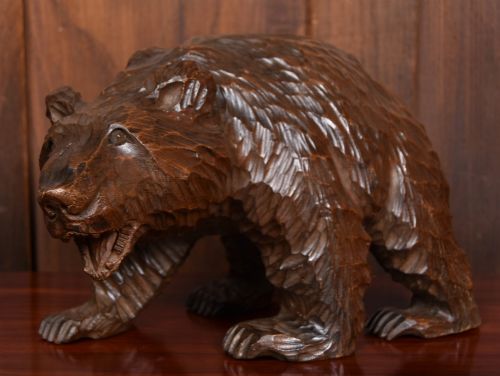
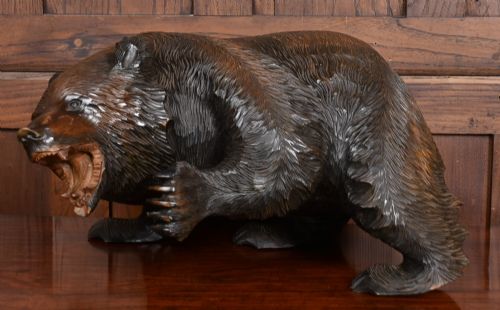
You meet various specific regional styles, including Kibori Kuma and Nata-Tsukuri work. Each object demonstrates the dense carving traditions originating from Japanese workshops.
What varies in quality
Depth of carving and anatomical accuracy separate standard figures from exceptional works. The sensitivity of the hand-carved surface determines how tactile the object feels.
Signatures by known carvers elevate certain pieces above unsigned output. The preservation of original surface tones and minimal timber splitting preserves visual integrity.
Edwardian interpretations of Japanese carving styles appear alongside traditional Meiji and Edo period objects in the current selection.
Tomochika·Masayuki
The Japanese Wooden Sculpture Glossary
- Netsuke
- A small carved toggle fastened to the end of a cord for hanging personal pouches from a kimono sash. These items often feature intricate carvings of animals or figures.
- Okimono
- A decorative statue designed for display on a household shelf or tokonoma alcove. These sculptures portray gods, humans, and natural subjects.
- Kibori Kuma
- A style of wooden bear carving originating from the Hokkaido region, frequently depicted carrying a fish. This form is a staple of folk art production.
- Nata-Tsukuri
- A rough-hewn carving technique utilising hatchet marks to form the texture of the sculpture. This method leaves visible facet lines across the wood.
- Boxwood
- A dense, pale hardwood favoured for miniature carvings because it holds fine detail without splintering. It develops a rich warm patina with handling.
Japanese Wooden Sculpture: Frequently Asked Questions
What is a netsuke?
A netsuke is a miniature carved toggle used historically in Japan to secure small containers hung from traditional robes.
These pieces were carved from dense woods like boxwood so they could withstand daily wear while remaining tactile.
How do I identify a Meiji period piece?
Meiji period items often display naturalistic carving and detailed surface finishing produced during a time of expanded craft export.
Look for subject matter such as figures with gods, animals, and distinct signatures from individual carvers.
What is Kibori Kuma?
Kibori Kuma refers to carved wooden bear sculptures, often shown holding fish in their jaws.
This specific folk art tradition gained popularity through regional production in northern Japan.
How should I clean wooden sculptures?
Dust these items gently with a dry, soft brush to protect the aged wood and any applied dark stain.
Avoid using water or liquid polishes, which can seep into carved crevices and damage the patina.