


Antique Asian Decor
These pieces of antique asian decor bring centuries of Chinese, Japanese and Central Asian craftsmanship into domestic spaces through carved wood, painted porcelain and woven textiles.
Antique Asian Decor
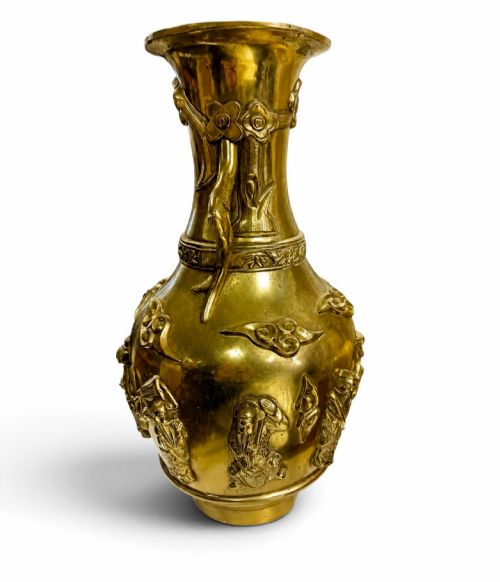
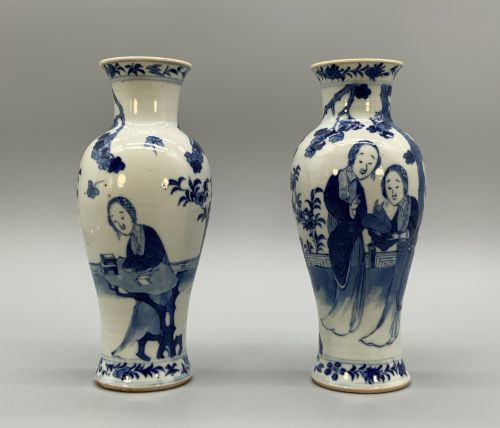
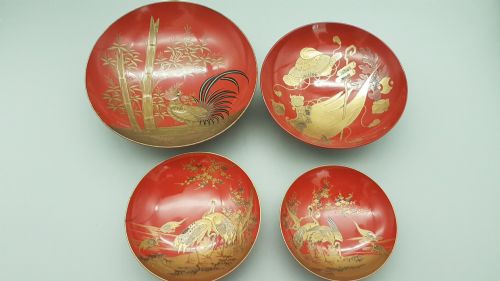
Antique asian decor encompasses a diverse range of domestic objects originating from China, Japan and Central Asia, spanning periods from the eighteenth century through to the early twentieth century. Common forms include porcelain vases and dishes, lacquered boxes and panels, brass bowls, and various wall art ranging from woodblock prints to embroidered silk textiles.
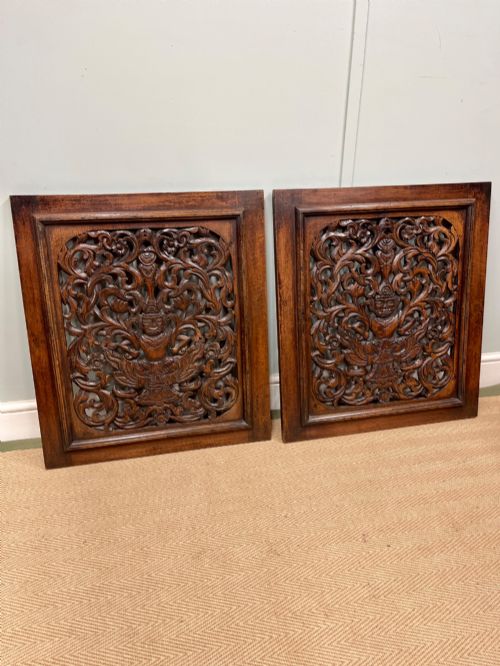
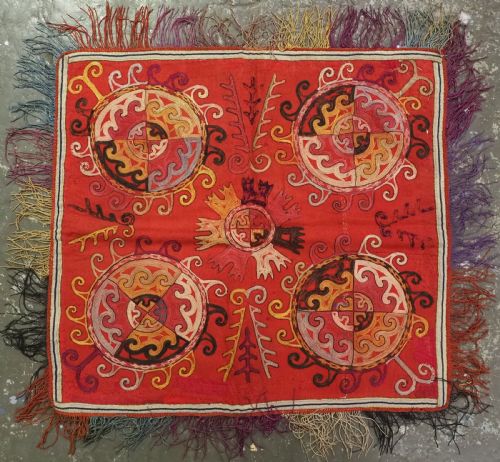
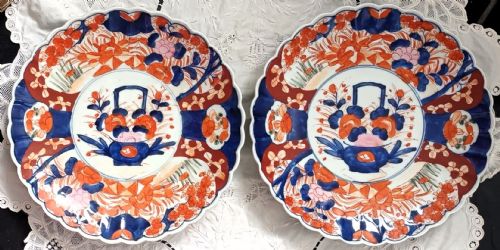
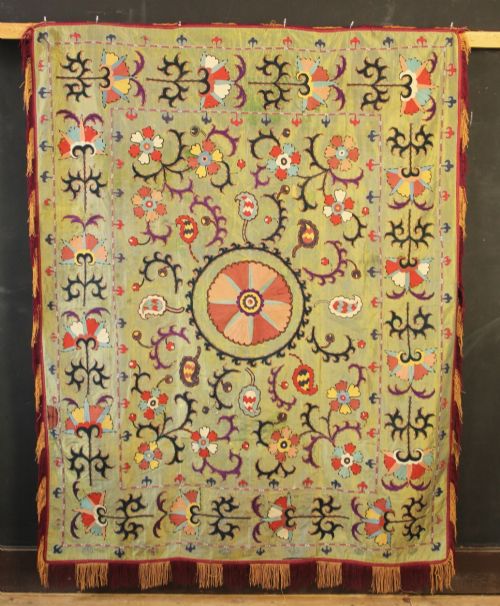
The objects frequently encountered on this page reflect distinct regional traditions, such as Japanese Imari porcelain, Chinese hardwood carvings and cinnabar lacquer, alongside Central Asian tribal embroideries like Suzanis. These items served both functional and decorative purposes within their original cultures before finding a place in Western interiors.
How they were made
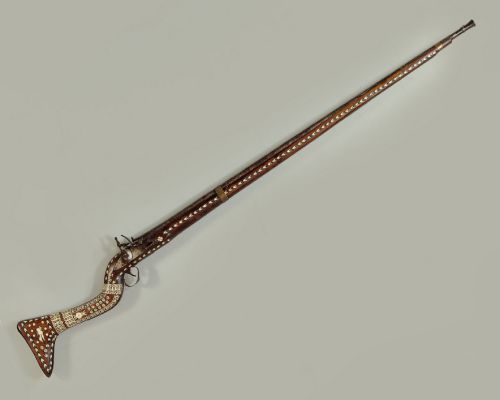
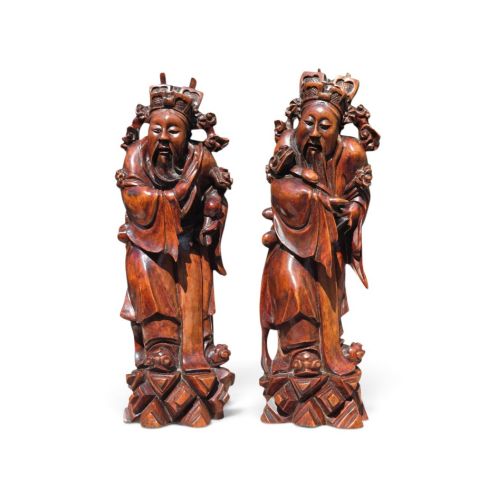
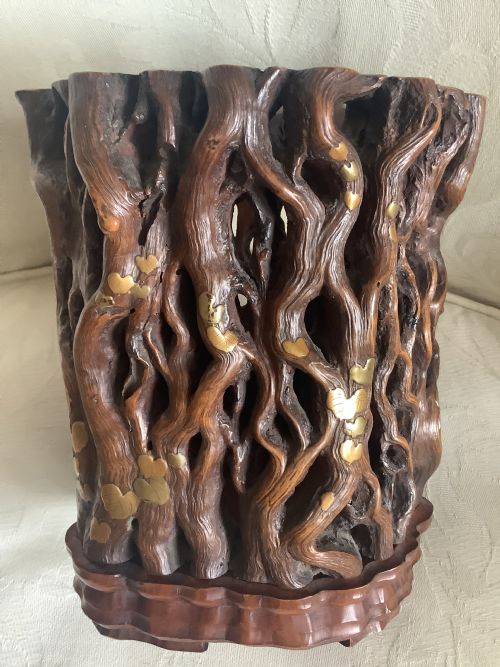
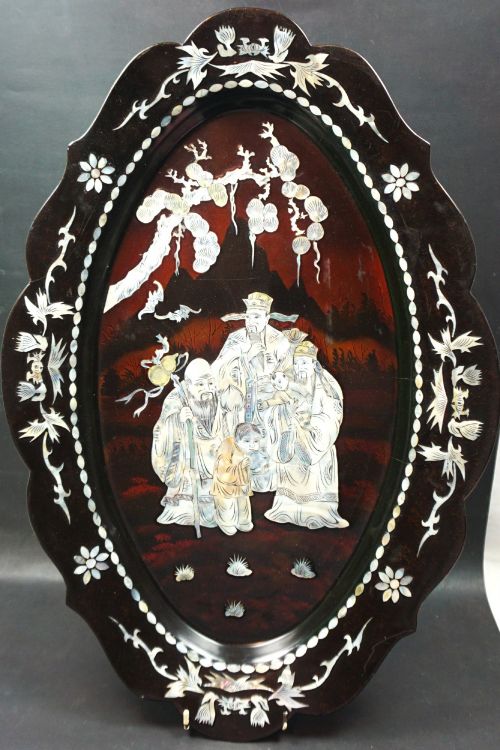
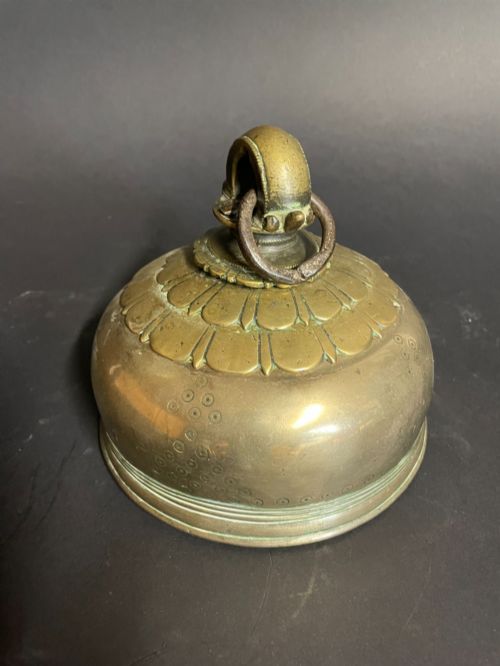
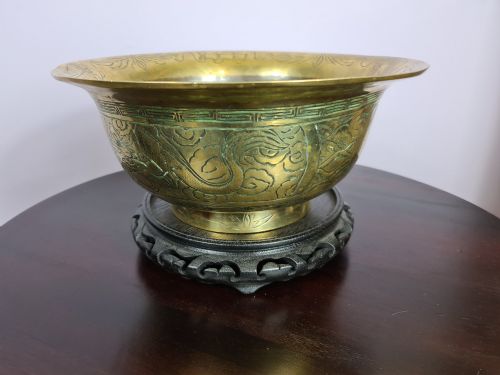
Makers utilised traditional natural materials such as porcelain, wood, bronze, brass, enamel, silk and wool, shaping them through centuries-old artisanal techniques. Woodwork often involved intricate carving, lacquering and mother-of-pearl inlay, while metalwork combined casting in copper-alloy and bronze with applied patination and gold leaf.
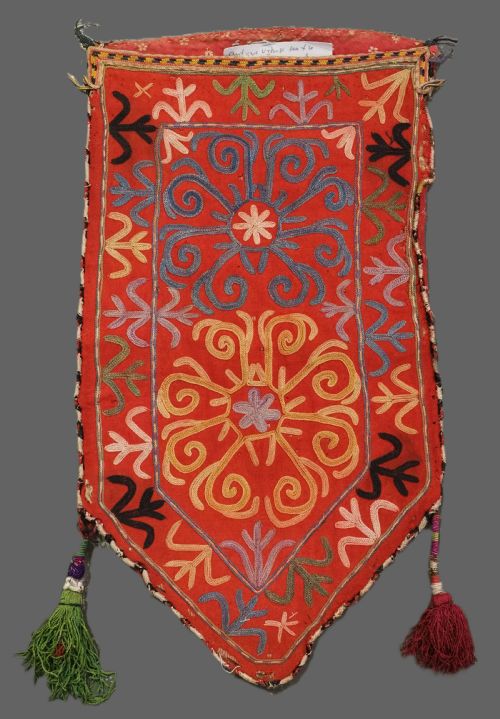
Textile arts relied on hand-woven grounds of silk and wool decorated with detailed embroidery, whereas ceramic production required precision in throwing clay, glazing and high-temperature firing. Woodblock prints and reverse paintings on glass employed specialised pigments applied by hand to paper, silk or glass panels.
Several items depict Daoist immortals, reminding observers that balancing household decor used to involve enlisting supernatural administrative assistance.
What varies in quality
The standard of execution in carving, painting and embroidery dictates the distinction between ordinary and exceptional pieces. Finer examples display meticulous detail in brushwork, precise alignment of inlays and greater depth in relief work, whereas lesser pieces show rushed execution and simplified motifs.
Material selection and preservation also determine the upper tier of the range, seen in the integrity of original lacquered surfaces, the richness of silk threads and the stability of porcelain bodies. Pieces retaining their original mounts, frames or pairing integrity generally command greater recognition among collectors.
The Antique Asian Decor Glossary
- Imari
- A type of Japanese porcelain decorated in underglaze blue and overglaze red, gold and other colours. This style originated in the Edo period and gained popularity for export.
- Suzani
- A type of embroidered tribal textile from Central Asia, typically produced in Uzbekistan. These wall hangings and coverlets feature bold floral motifs stitched in silk on cotton or wool grounds.
- Cinnabar lacquer
- Layers of coloured resin applied to a wooden base and carved deeply with intricate figural or landscape scenes. This technique requires considerable patience and time to build sufficient depth for carving.
- Meiji Period
- The era of Japanese history lasting from 1868 to 1912, associated with the opening of trade to the West and prolific decorative arts production. Works from this period often display exceptional technical refinement.
- Uut Kap
- A large ornamental bag used in nomadic Central Asian households for storing bedding and domestic items. These pieces frequently feature distinctive tribal embroidery patterns.
- Chinoiserie
- European decorative style reflecting Chinese artistic influences, popular during various periods including the Edwardian era. It typically involves painted lacquer or gilt motifs applied to furniture and mirrors.
Antique Asian Decor: Frequently Asked Questions
What is antique asian decor?
Antique asian decor comprises historical art objects, furnishings and textiles originating from regions including China, Japan and Central Asia. These items date primarily from the nineteenth and early twentieth centuries.
They reflect the traditional aesthetics, materials and domestic practices of their respective cultures, encompassing everything from porcelain vessels to tribal embroideries.
How do I identify Meiji period porcelain?
Meiji period porcelain, such as Imari plates and Kutani vases, dates between 1868 and 1912. These pieces often exhibit vibrant hand-painted palettes incorporating iron red, cobalt blue and gold leaf.
Examining the foot ring, glaze consistency and painting style helps differentiate these export wares from later reproductions.
Where were Central Asian suzanis used?
Central Asian suzanis were traditionally created as dowry embroideries by brides and their families in regions such as Uzbekistan. They served as wall hangings, covers or furnishings within nomadic and settled homes.
Today, collectors use these heavy silk-on-wool or cotton textiles as decorative wall displays.
How should I care for lacquered wood?
Lacquered wood objects require stable environmental conditions away from direct sunlight and extreme humidity fluctuations. Excessive heat can cause the natural resin to dry and crack over time.
Dusting should be done gently with a soft, dry cloth without applying modern chemical polishes or cleaning agents.