

Antique Asian Bronze Figure
An antique asian bronze figure brings centuries of ritual, myth, and craftsmanship into a room through enduring metalwork.
Antique Asian Bronze Figure
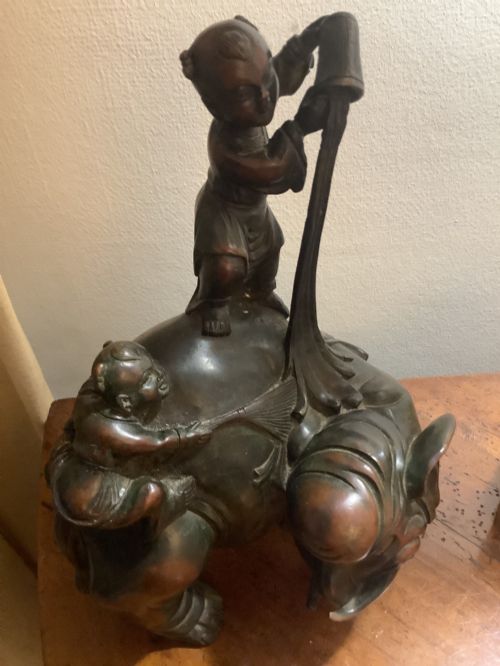
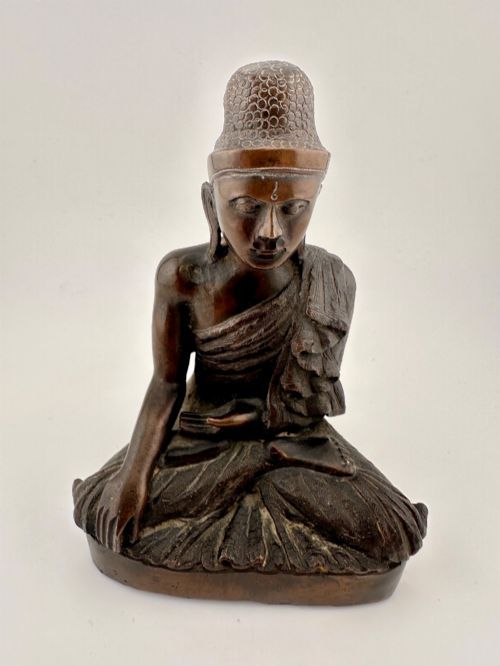
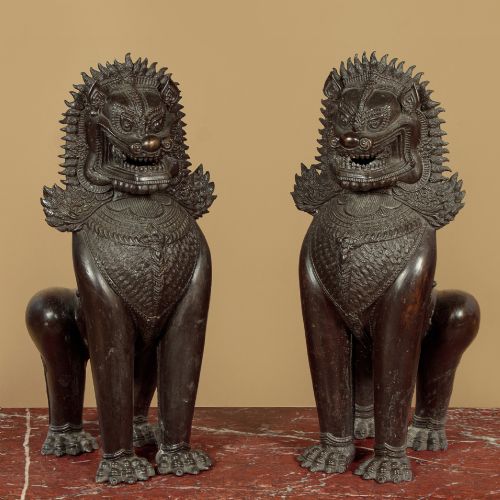
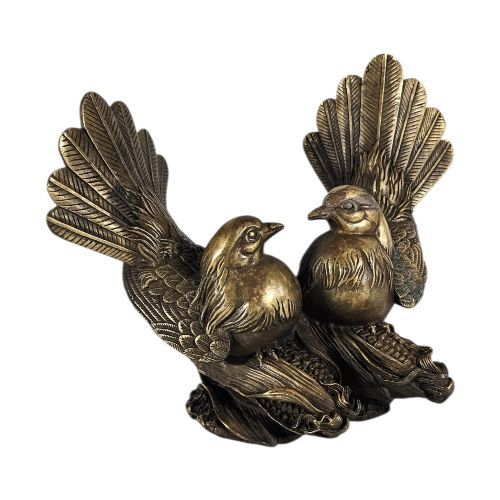
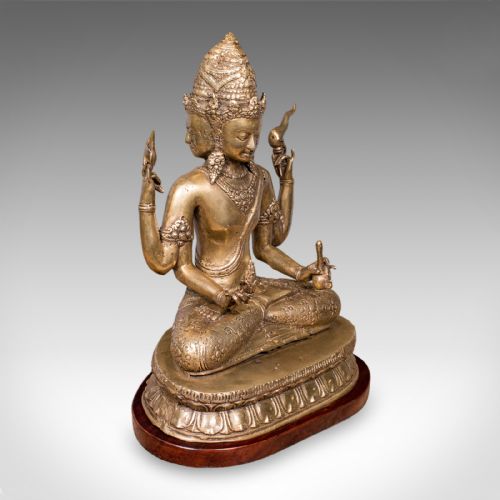
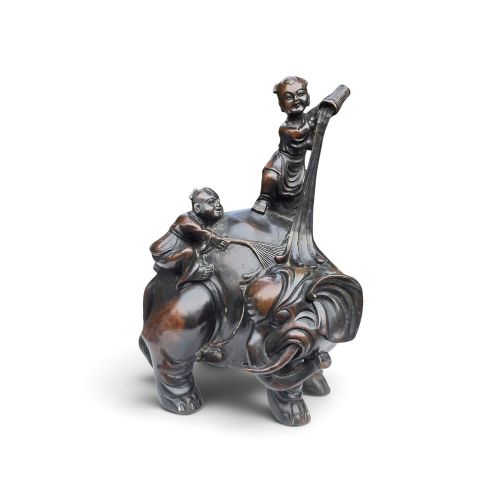
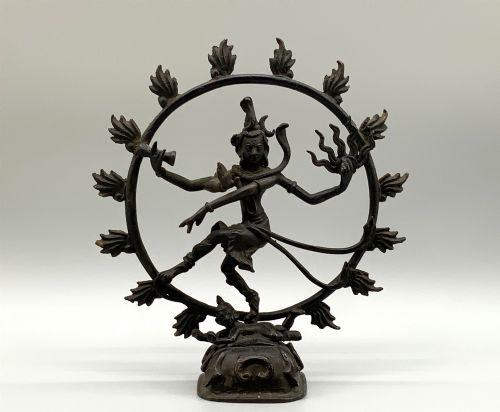
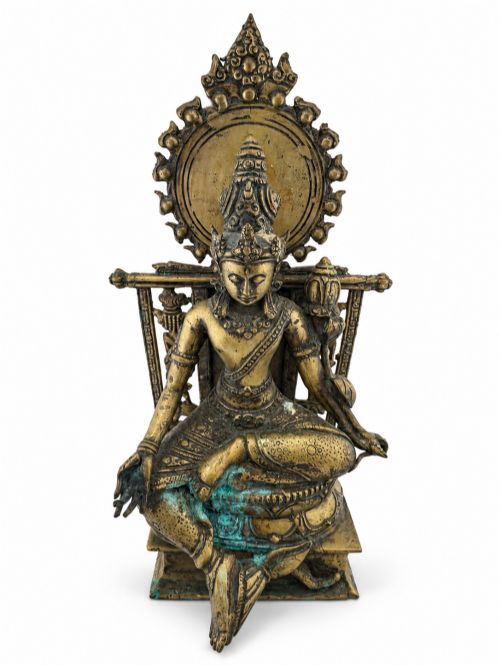
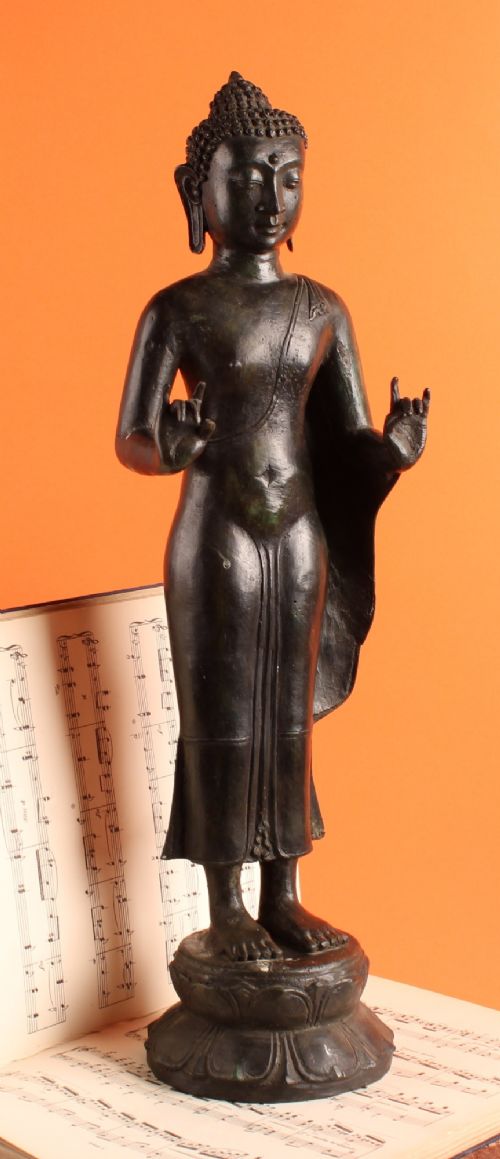
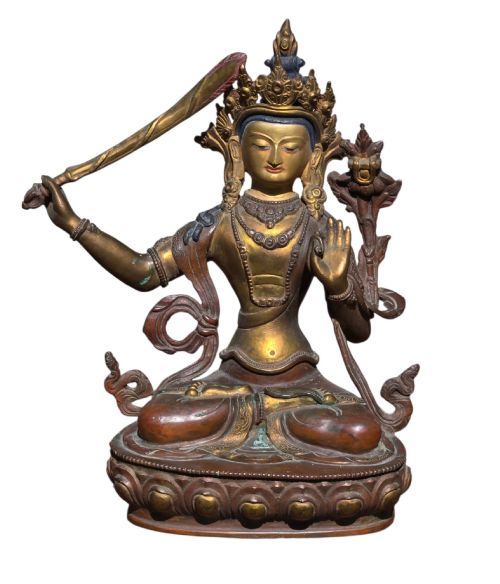
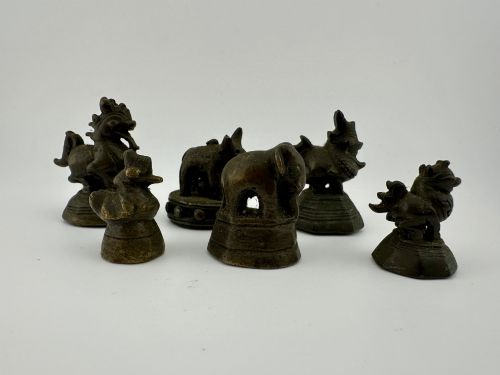
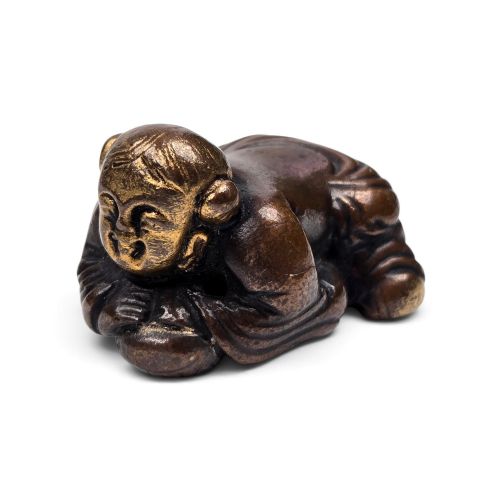
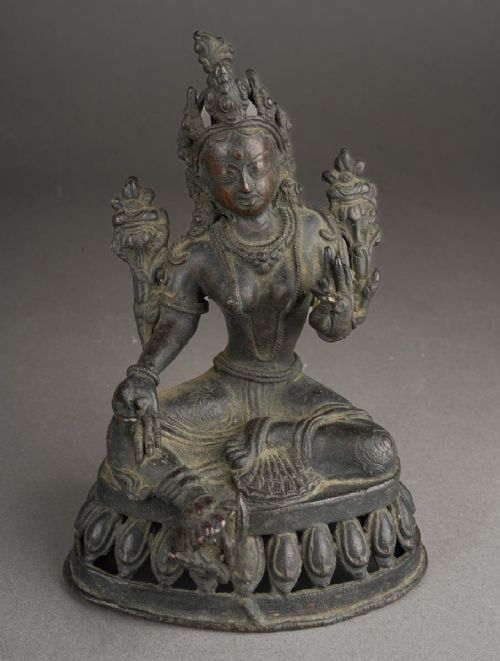
Collectors seeking an antique asian bronze figure encounter a diverse array of sculptures, statues, and okimono spanning multiple regions and centuries. The selection ranges from devotional Buddhist and Hindu deities to secular animals, mythical beasts, and human subjects.
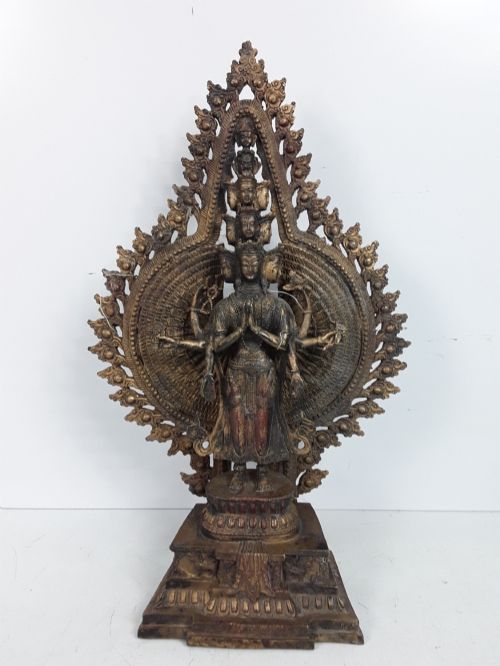
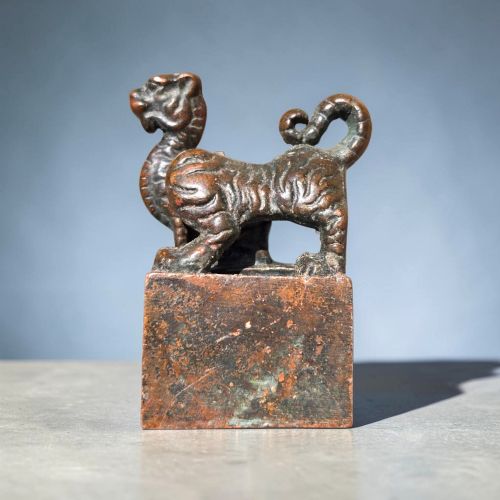
The pieces appearing most frequently originate from Japan, China, Tibet, Nepal, and Southeast Asia, reflecting distinct cultural and religious traditions. Forms vary from small scholar's desk paperweights to large garden dragons, temple lions, and standing or seated Buddhas.
Originating from periods including the Ming dynasty, the Qing dynasty, the Meiji period, and the 19th century, these works demonstrate the changing stylistic preferences of their eras. Buyers find both serene religious icons and highly naturalistic depictions of daily life and folklore.
Materials and casting methods
The creations utilise bronze, brass, copper alloy, and occasionally gold leaf or wood accents to achieve varied surface finishes. Artisans applied patinated bronze treatments or selective fire-gilding to enhance visual depth and highlight specific details on the figures.
Antique Asian Bronze Figure Retail Price Guide 2026
Typical asking prices for asian bronze figure among the pieces listed under this phrase on Sellingantiques today, from the lower quarter to the upper quarter. They describe what is for sale here now, not the wider market.
Listings feature items from the 16th century through the early 20th century, encompassing diverse traditions including Sino-Tibetan, Meiji Japanese, and Rattanakosin styles.
Distinctions in quality
Quality rests primarily on the crispness of the casting and the precision of the hand-finishing work visible on the metal surface. Superior examples retain sharp, unrubbed details in the facial expressions, drapery, and ornamentation without loss from worn moulds.
The character and originality of the surface patination significantly influence the standing of a piece. Original old patinas, selective fire-gilding, and signed or documented works from notable workshops demonstrate higher levels of artistic accomplishment.
Masaaki·Seiunsai Miyamoto Sei
The Antique Asian Bronze Figure Glossary
- Okimono
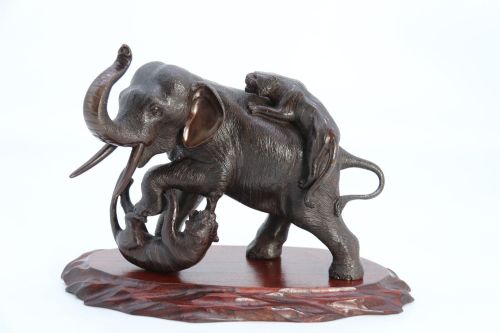
- A Japanese decorative statue or ornament intended for display on a shelf or in a tokonoma alcove. These carvings and metal sculptures frequently depict animals, people, or mythical figures from folklore.
- Mudrā
- A symbolic or ritual gesture used in Buddhist and Hindu iconography, typically performed with the hands and fingers. Each specific hand position conveys a different teaching or spiritual state.
- Bodhisattva
- An enlightened being dedicated to assisting others in attaining salvation within Buddhist traditions. These figures are usually depicted with elaborate crowns, jewellery, and serene expressions.
- Gilt-bronze
- Bronze metal that has been coated with a thin layer of gold using mercury amalgamation or gold leaf application. This technique imparts a radiant golden finish that resists tarnishing over time.
Antique Asian Bronze Figure: Frequently Asked Questions
What is an okimono?
An okimono is a standalone Japanese display sculpture designed to be placed in an interior setting rather than utilised in formal religious rituals.
These pieces showcase subjects from daily life, folklore, and nature, ranging from animals to human figures.
How can I identify a Buddhist deity?
Buddhist figures frequently display specific hand gestures known as mudras, iconography like multiple heads or arms, and symbols such as lotus bases.
Deities like Avalokiteshvara, Tara, and various Buddhas also wear characteristic crowns and robes that distinguish them from secular subjects.
Where were these figures displayed?
Depending on their origins, these pieces served as objects of devotion in Himalayan shrine rooms, temple settings, or domestic altars.
Smaller objects like paperweights and scholar's seals found placement on desks in traditional studies across China and Japan.
How do I care for bronze?
Bronze requires gentle dusting with a soft, dry cloth to prevent the accumulation of abrasive particles on the metal surface.
Avoid using liquid cleaners, polishes, or abrasive cloths that can strip away the historical patina built up over centuries.