





Antique Asian Armchairs
These antique asian armchairs bring centuries of craftsmanship and distinctive seating forms into modern rooms.
Antique Asian Armchairs
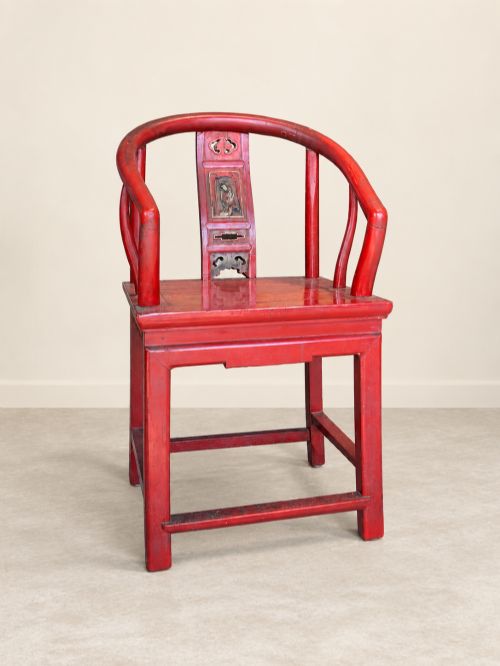
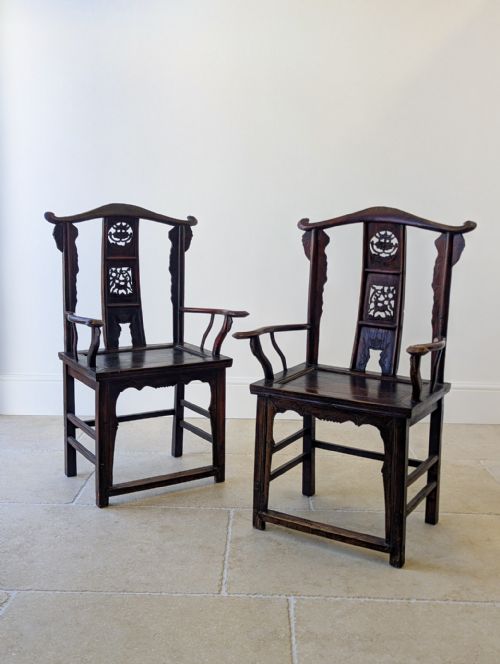
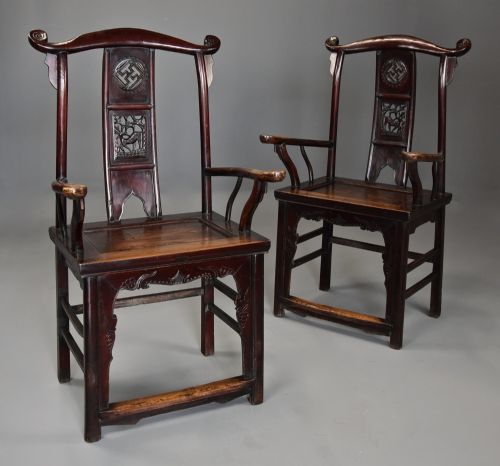
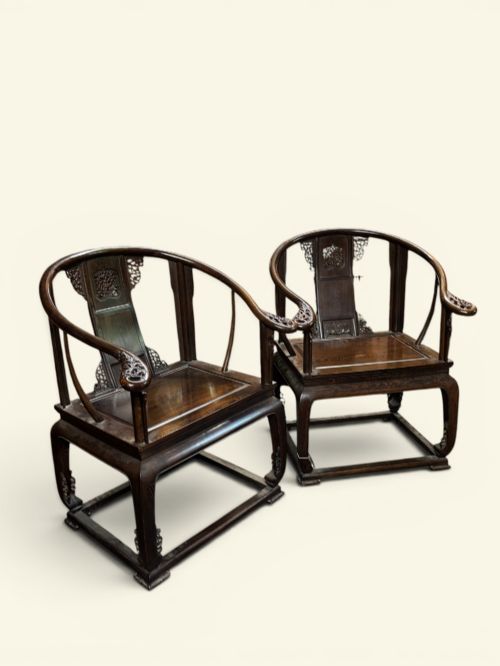
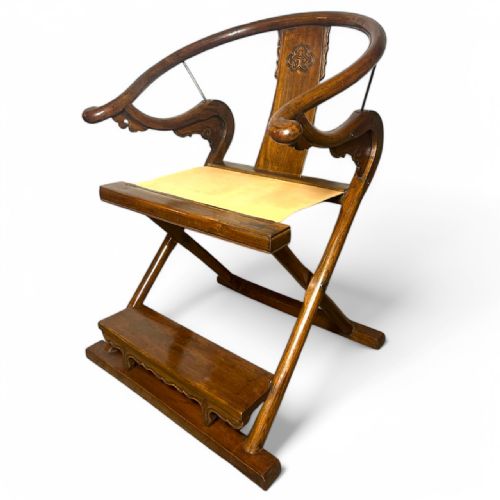
Antique asian armchairs encompass a striking variety of seating forms, from scholarly yoke-back designs to sweeping horseshoe shapes and imposing throne chairs. Most pieces encountered on this page stem from the nineteenth century, including specific periods like the Qing Dynasty.
Makers utilised resilient local timbers and traditional joinery to construct chairs intended for scholars, officials, and daily household use. Surviving examples often appear as matched pairs, though individual armchairs and larger seating sets also emerge.
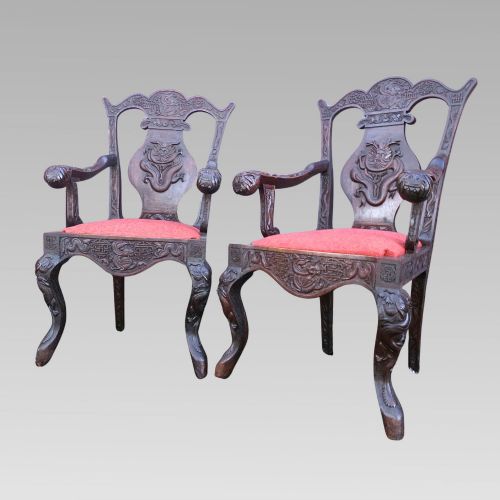
Regional variations span across China and surrounding areas, incorporating specific styles such as traditional Chinese, Anglo-Indian, and Chinoiserie. These chairs served both functional seating roles and decorative display functions within historic interiors.
How They Were Made
Craftsmen shaped these chairs from dense timbers including elm, rosewood, teak, and hongmu, often valuing the natural grain and warm patination of the wood. Hardwood components were joined using precise mortise and tenon techniques without relying on metal fasteners.
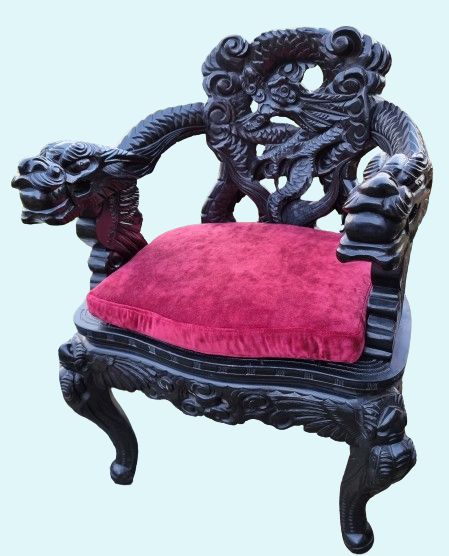
Surface decoration frequently involved layers of red lacquer, intricate hand-carved dragon motifs, or delicate brass inlay work embedded directly into the wooden frame. Selected pieces also incorporated bamboo and canework elements to lighten the overall structure.
Current listings feature materials including hardwood, elm, lacquer, rosewood, hongmu, brass, teak, and bamboo across the nineteenth and early twentieth centuries.
What Varies in Quality
The distinction between ordinary and superior chairs rests on the depth of the carving and the architectural integrity of the frame. Relief carvings on back splints display varying degrees of crispness and artistic fluency.
Original surface treatments, such as weathered red lacquer or well-maintained patinated hardwood, elevate the standing of a piece compared to later refinishing. The survival of matching pairs and original brass inlays further separates standard examples from exceptional specimens.
The Antique Asian Armchairs Glossary
- Yoke-back chair
- A traditional Chinese chair style featuring a top creil rail that resembles an ox yoke. These chairs were favoured by scholars and officials.
- Horseshoe-back
- A continuous curved arm and crest rail forming a semi-circular support. This ergonomic design wraps around the sitter.
- Hongmu
- A dense, heavy Chinese hardwood often translated as red wood. It encompasses several durable timber species prized for fine furniture.
- Lacquer
- A durable resin finish applied in multiple layers to wood. Historic pieces frequently showcase red or black lacquer applications.
- Throne chair
- An imposing, high-backed armchair designed for prominent placement. These pieces often feature elaborate carvings and substantial proportions.
Antique Asian Armchairs: Frequently Asked Questions
How do I care for antique hardwood chairs?
Keep wooden chairs away from direct heat sources and sudden temperature fluctuations to prevent the timber from splitting.
Apply a microcrystalline wax occasionally to protect the surface and maintain the natural patina without building up heavy grease.
Are these chairs comfortable for daily use?
Many traditional designs, particularly yoke-back and horseshoe chairs, provide upright support intended for formal sitting.
Adding a custom loose cushion can improve comfort if you plan to use them as everyday lounge seating.
What is the difference between elm and hongmu?
Elm is a domestic timber with a pronounced grain pattern, commonly utilised for scholar chairs and traditional household seating.
Hongmu is an exceptionally dense, heavy tropical hardwood selected for formal throne chairs and high-status furnishings.
How can I identify a Qing Dynasty chair?
Look for characteristics such as dense hardwood construction, integrated joinery, and specific carved motifs like dragons.
Consult the recorded period markers in the listing details to confirm the estimated nineteenth-century timeframe.