


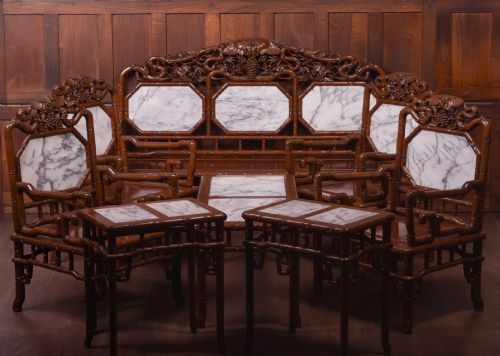

Chinese Carved Chairs
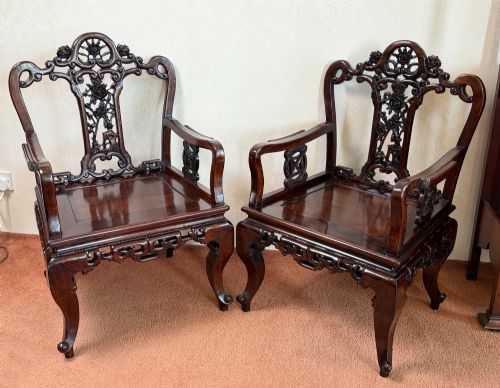
Chinese carved chairs bring dense Qing Dynasty dragon carvings and austere yoke-back forms together in hardwood and elm.
Chinese Carved Chairs
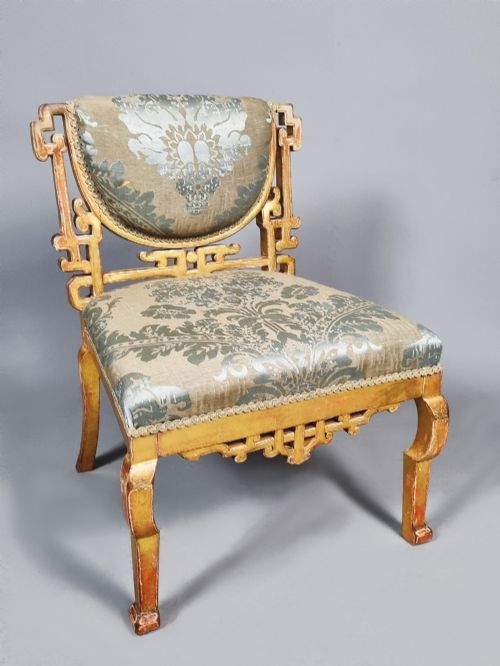
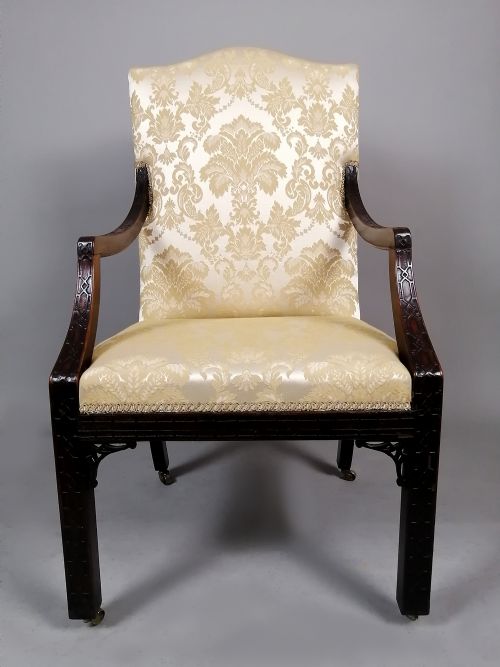
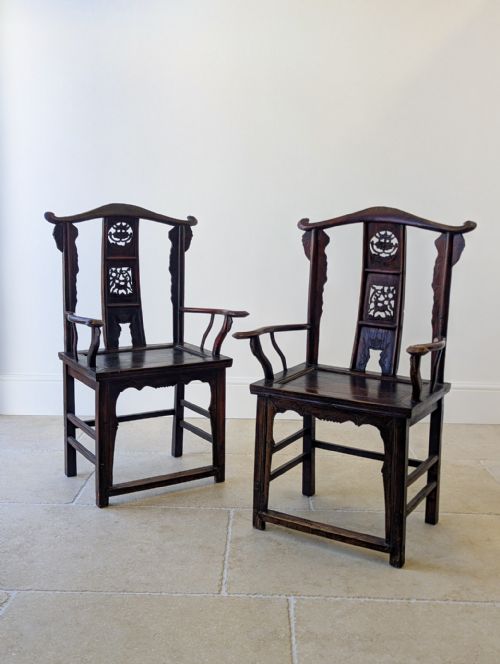
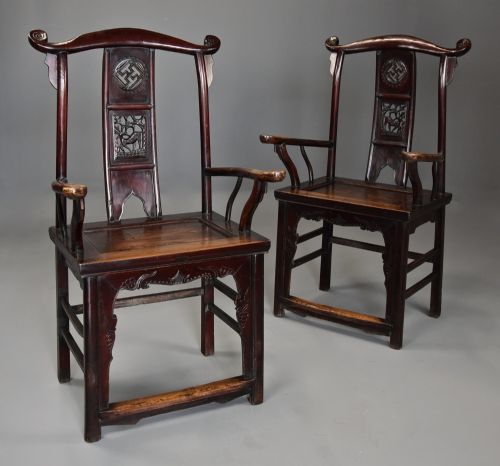
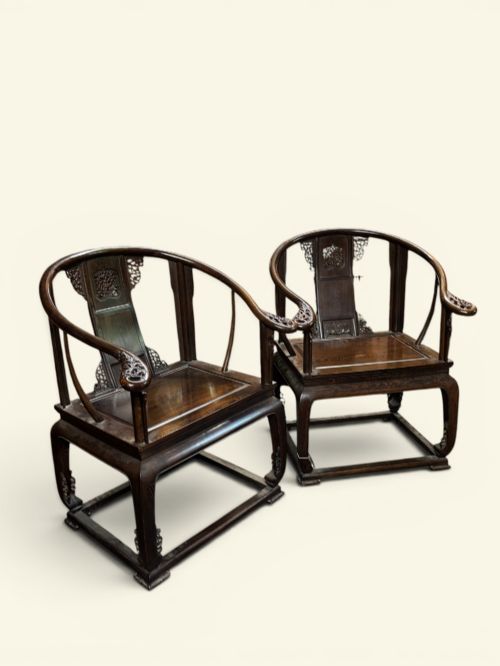
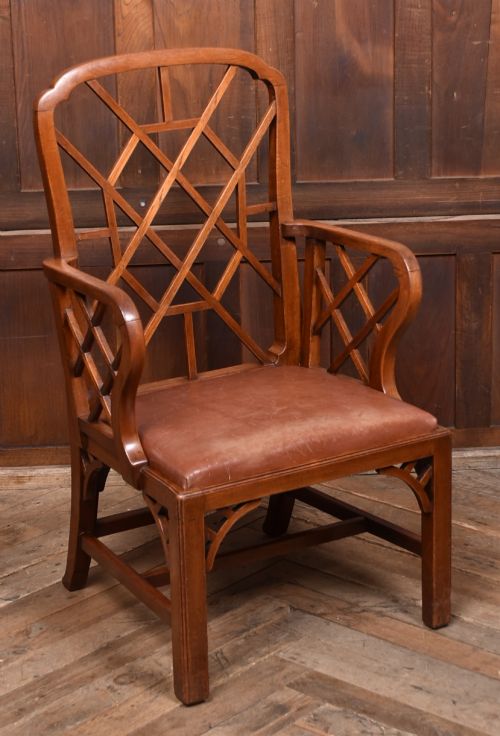
Chinese carved chairs encompass a range of seating forms including yoke-back armchairs, horseshoe-back throne chairs, and lamp hanger chairs originating from the 18th and 19th centuries. Buyers searching for chinese carved chairs encounter traditional Qing Dynasty armchairs alongside export pieces and occasional European interpretations in mahogany and giltwood.
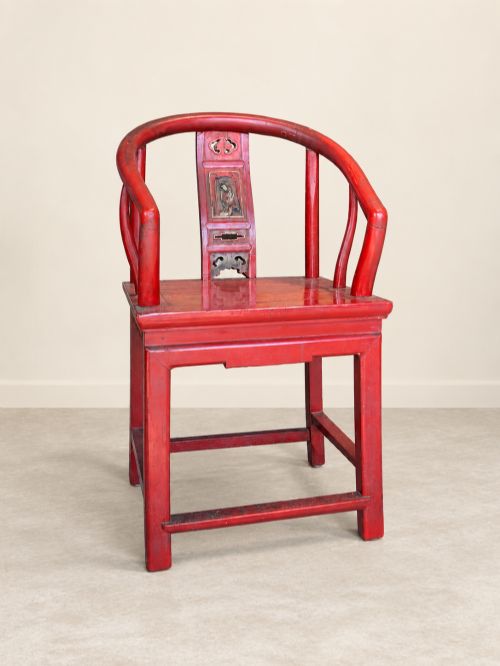
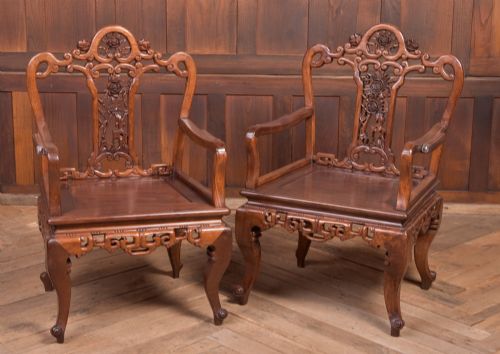
Originating largely from the 19th century and the Qing Dynasty, these pieces range from austere scholar designs to elaborate, deeply carved figural seating. Regional elm variants with red lacquer sit alongside dense hongmu and rosewood examples.
Materials and construction
Construction relies upon dense hardwoods, elm, and hongmu, often worked with mortise and tenon joinery to support complex carved components without metal fasteners. Artisans shaped back splats, arms, and aprons from heavy timbers before applying surface finishes.
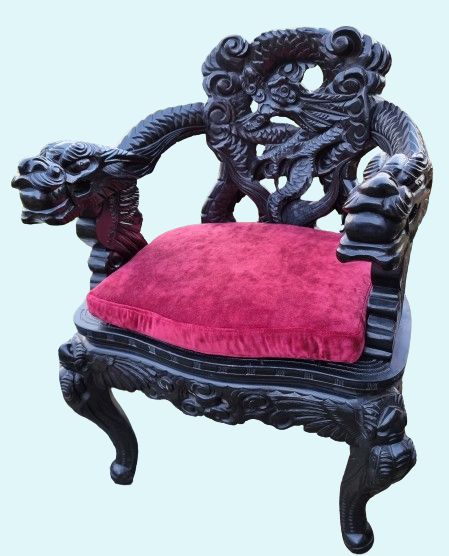
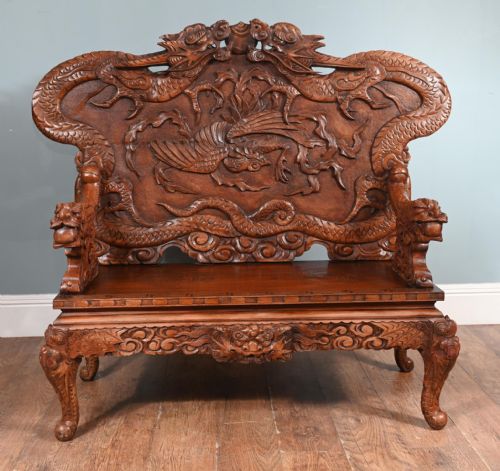
Finishes range from clear wax on natural hardwood grain to layers of red lacquer and cinnabar lacquer. Detail is achieved through deep relief carving depicting dragons, foliage, and daily scenes directly into the structural wood.
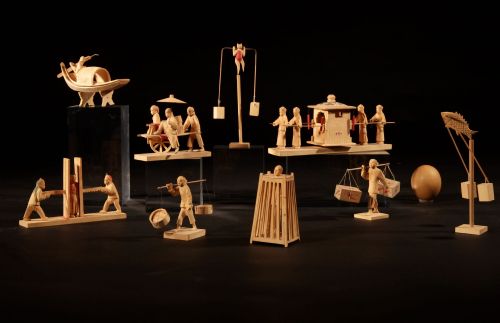
Nine distinct wood carvings in the archive capture daily life in China, complete with tiny wooden windows and miniature ladders.
Assessing quality
Quality depends upon the depth and crispness of the carved detail, particularly on dragon motifs and back splats where hand-chising yields sharp relief or dull rounding. The choice of primary timber dictates weight and longevity, with dense hongmu and heavy rosewood sitting above softer domestic elm.
The integrity of traditional joinery and the survival of original surfaces, such as red lacquer or patinated hardwood, separate standard utilitarian seating from finer throne chairs and ceremonial pairs.
Waugh And Son
The Chinese Carved Chairs Glossary
- Hongmu
- A dense, dark tropical hardwood traditionally used in fine Chinese furniture construction. It translates literally to red wood and provides a heavy, durable frame.
- Yoke-back
- A chair back style featuring a top rail shaped like an ox yoke, curving upwards at the ends. This ergonomic design supports the sitter's shoulders.
- Cinnabar lacquer
- A technique involving multiple coats of vermilion lacquer carved away to reveal intricate low-relief patterns. It creates a rich, tactile red surface.
- Lamp hanger
- A chair form characterised by protruding top rail ends resembling traditional lamp stands. These minimalist elm or hardwood seats date frequently to the 19th century.
- Horseshoe-back
- A continuous curved crest rail that sweeps down to form the armrests in a single arc. This form offers enveloping support and traditional status.
Chinese Carved Chairs: Frequently Asked Questions
How do I identify hongmu furniture?
Hongmu is a heavy, dense tropical hardwood with a dark natural grain that polishes to a smooth finish. It resists wear and supports deep relief carving without splintering.
Pieces in this material often date to the Qing Dynasty.
Where were horseshoe-back chairs used?
Horseshoe-back chairs served as prominent seating within traditional households, often reserved for heads of the household or honoured guests. Their sweeping armrests denote status and comfort.
Folding versions allowed for portable seating among the elite.
Are these chairs comfortable?
Traditional Chinese chairs prioritise upright posture, utilising curved back splats and footrests rather than deep upholstery. Hardwood seats are often paired with cushions for softer daily use.
Ergonomics vary from austere scholar seats to deep dragon thrones.