

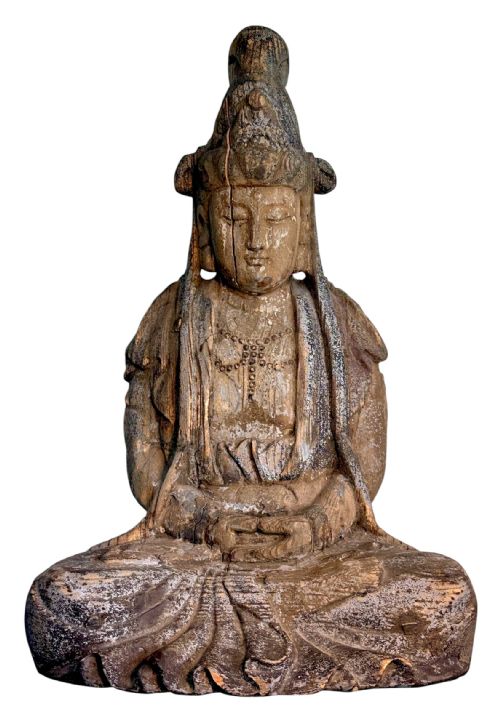


Antique Asian Seating
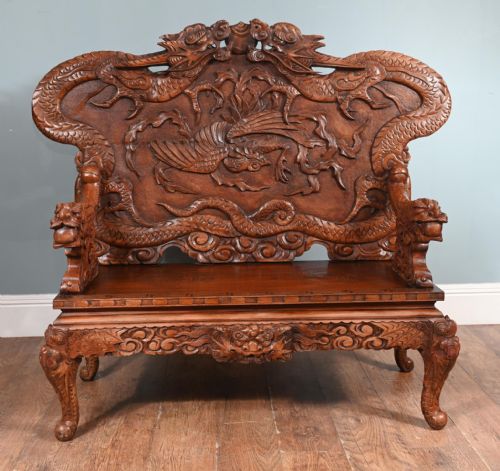
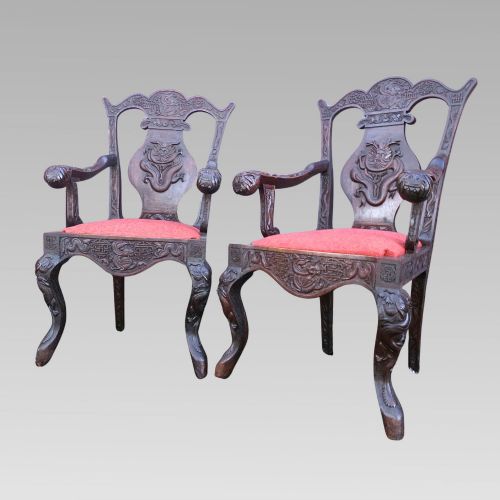
Antique asian seating brings centuries of regional craft to the room, offering solid elm benches and hardwood armchairs built for both utility and ceremony.
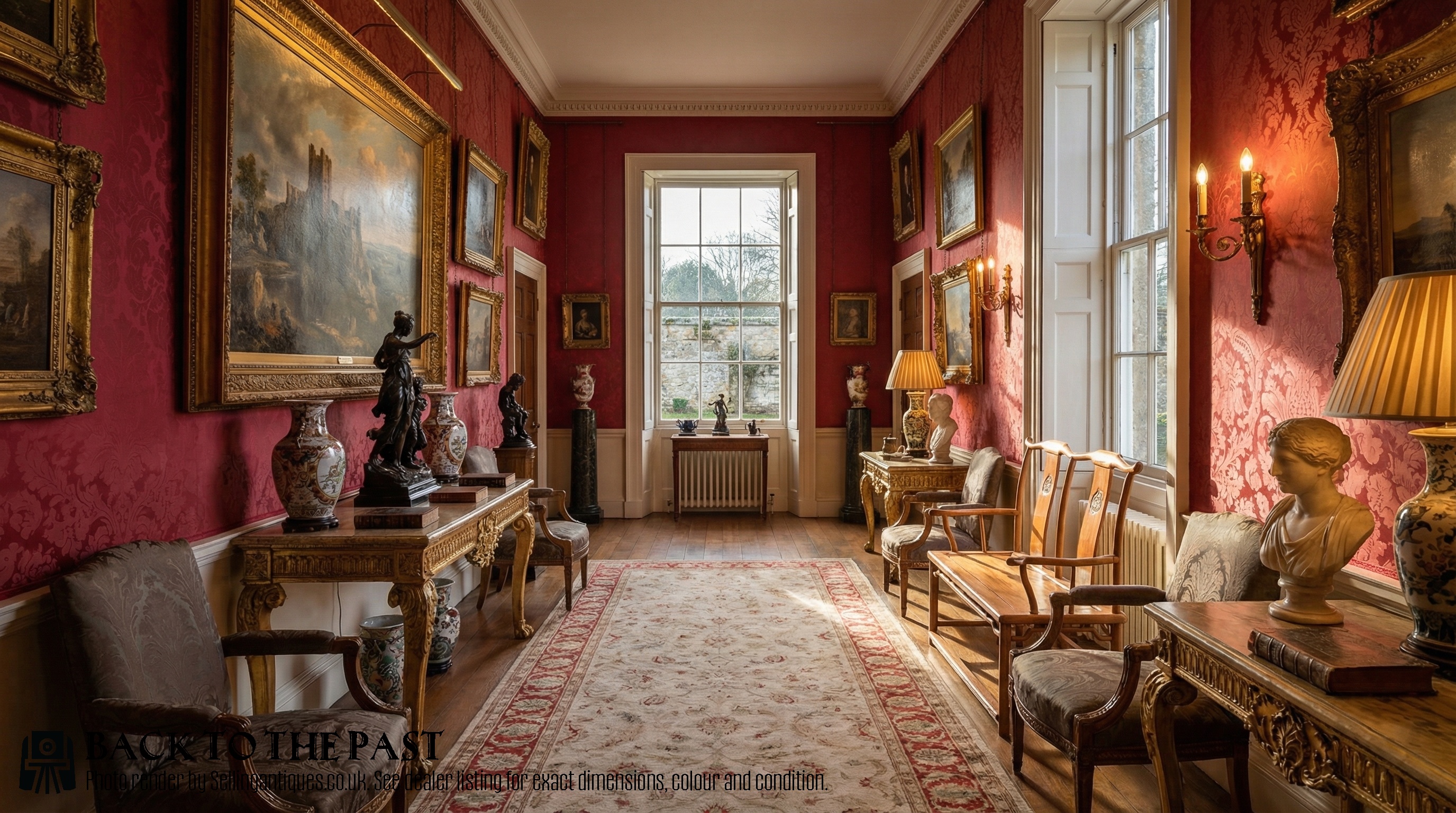
Antique Asian Seating
When you search for antique asian seating, you encounter a distinct mix of domestic furniture and ceremonial forms spanning several centuries. The selections on this page concentrate heavily on nineteenth-century pieces, alongside items from the eighteenth and early twentieth centuries.
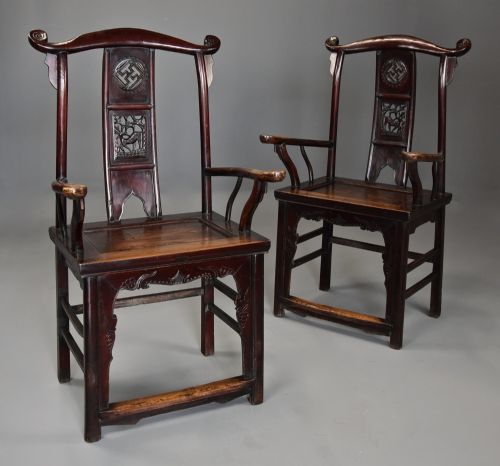
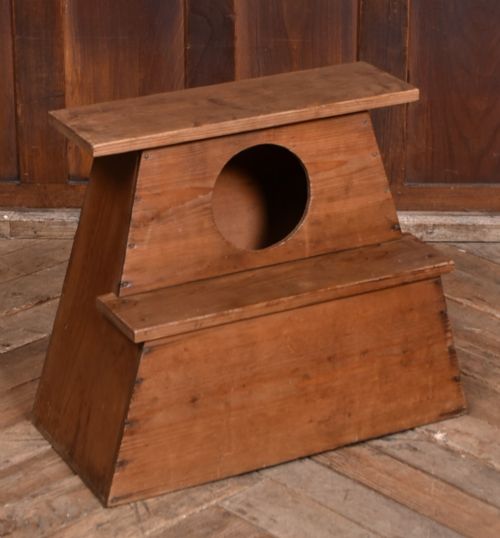
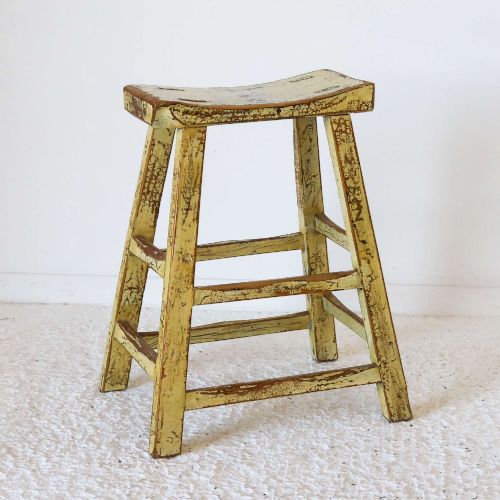
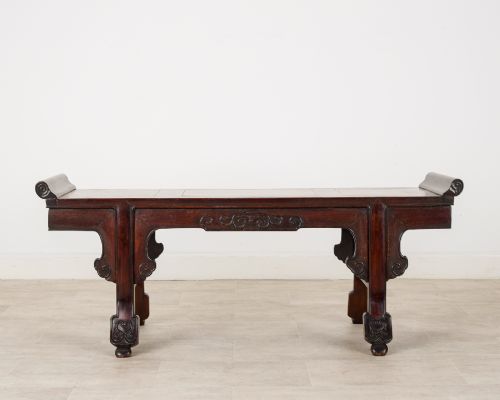
Domestic forms dominate the current inventory, specifically elm yokeback armchairs, horseshoe hall benches, window seats, and dressing stools. Alongside these practical seats, the material record incorporates throne chairs and occasional folding armchairs from Chinese Qing Dynasty workshops and wider traditions.
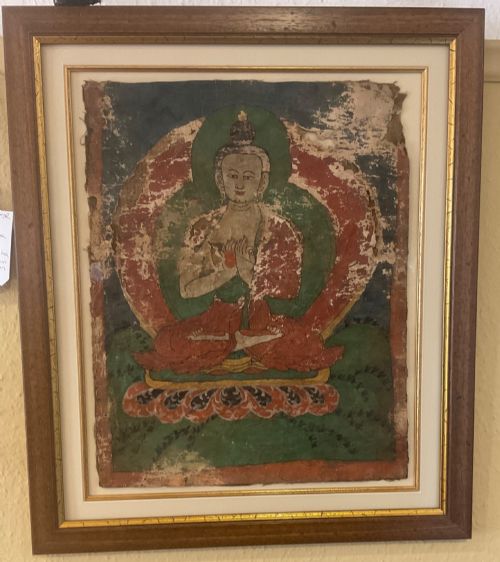
Regional variations extend beyond China into Tibetan, Southeast Asian, and Japanese origins, bringing diverse joinery traditions into a single category. Elm, rosewood, and mixed hardwoods provide the primary structural foundation for these varied seating forms.
Materials and construction methods
Makers relied on native timbers such as elm, rosewood, and huali hardwood, chosen for density and grain pattern. Joinery relied on complex interlocking joints rather than metal fasteners, allowing the timber to expand and contract naturally across seasonal shifts in humidity.
Surfaces frequently received protective or decorative coatings, including red lacquer, cinnabar lacquer, original dark finishes, and occasional gold leaf detailing. Brass inlays or bronze mounts added functional reinforcement and decorative contrast to the primary wooden structures.
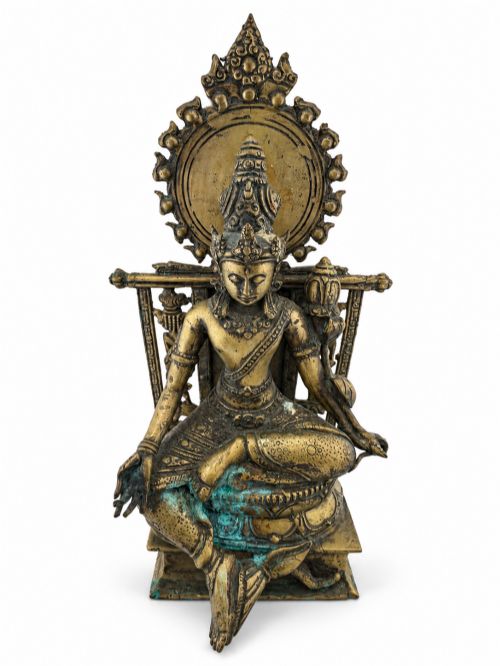
Listings feature eighteenth, nineteenth, and early twentieth-century pieces built from elm, rosewood, hardwood, and bronze.
Distinctions in quality and execution
The standard of carving defines the upper tier of these pieces, particularly on dragon armchairs and throne chairs where depth and crispness of relief indicate skilled handwork. Patina also separates examples, as decades of use produce a warm, undisturbed surface finish that chemical stripping or heavy restoration destroys.
Structural integrity depends on the survival of original joinery and finish layers. Pieces retaining their early red lacquer or original surface coatings command greater interest than those stripped down to raw wood or heavily rebuilt over later decades.
The Antique Asian Seating Glossary
- Yokeback armchair
- A traditional Chinese chair style featuring a top creail that curves outward like a yoke. These often use elm or hardwood construction.
- Horseshoe chair
- A seating form with a continuous curved backrest and arm rail that sweeps downward in a single circular arc. This design requires advanced joinery to shape the timber.
- Cinnabar lacquer
- A decorative coating made from multiple layers of pigmented resin carved into intricate patterns. It appears frequently on ceremonial benches and boxes.
- Qing Dynasty
- The final imperial dynasty of China, lasting from sixteen forty-four until nineteen twelve. Many surviving hardwood throne chairs and elm stools date to the later years of this period.
- Hongmu
- A translation meaning red wood, used to describe dense tropical hardwoods utilised in fine Chinese furniture. These timbers hold sharp carved details exceptionally well.
Antique Asian Seating: Frequently Asked Questions
How do I identify a Qing Dynasty chair?
Look for dense hardwoods like hongmu or huali, combined with deep relief carving depicting dragons or symbolic motifs. The construction typically employs traditional interlocking wood joinery without metal nails.
Examine the overall stance and the patination of the wood surfaces, as nineteenth-century examples display distinct wear patterns from daily domestic or ceremonial use.
Are elm armchairs comfortable for daily use?
Elm armchairs provide firm support due to their rigid wooden seats and upright backrest designs. Many historical examples were intended for specific postures rather than lounging.
Placing them in hallways, studies, or seating areas works well when paired with custom cushions to improve comfort during longer periods of sitting.
How should I care for lacquered wood furniture?
Keep lacquered elm and hardwood pieces away from direct sunlight and extreme humidity fluctuations to prevent cracking. Dust them gently with a dry, soft cloth without applying modern chemical polishes.
Maintaining a stable indoor climate preserves the original surface coatings and prevents the timber joints from loosening over time.