

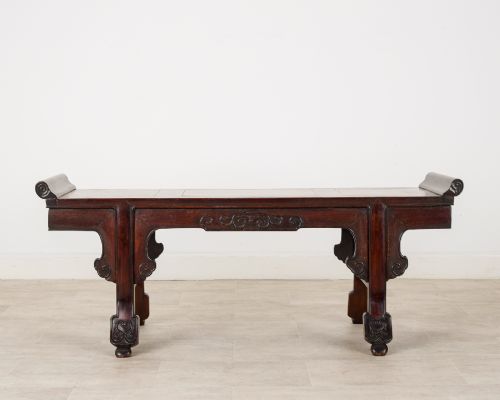


19th Century Chinese Bench
These 19th century chinese bench examples offer sturdy construction and rich patination, providing versatile seating rooted in Qing Dynasty traditions.
19th Century Chinese Bench
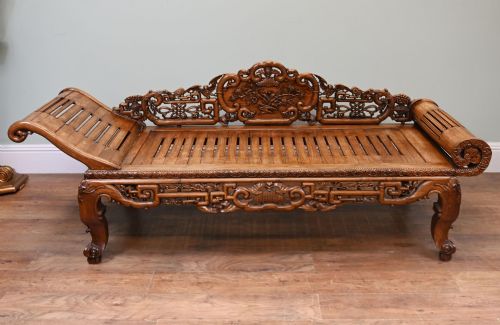
A 19th century chinese bench brings traditional seating forms into modern interiors, drawing from Qing Dynasty aesthetics and regional craftsmanship. Buyers seeking this phrase encounter low altar benches, plank-top trestles, hall benches, and carved window seats spanning the nineteenth century.
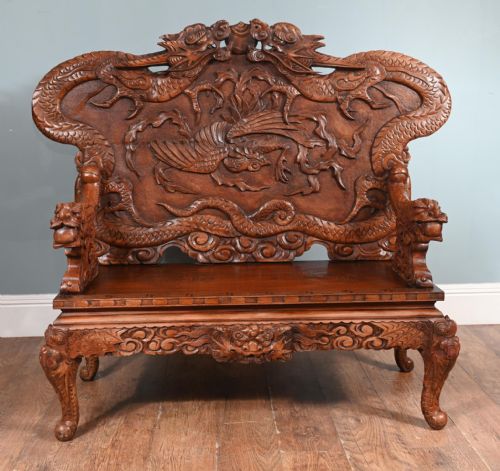
The material palette centres on timber varieties including elm, blonde wood, and denser Asian hardwoods like hongmu and rosewood. Surface finishes range from natural grained wood to red lacquer and ebonised treatments, occasionally featuring carved dragon motifs.
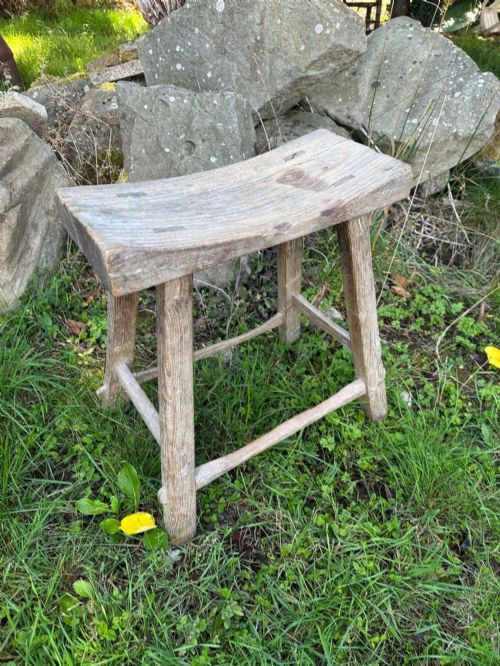
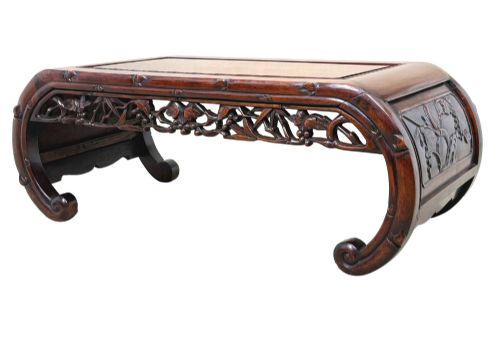
Forms vary from rustic vernacular stools to elaborate carved settees and low tables adapted for multiple uses. Most pieces originate from regional Chinese workshops operating during the 1860 to 1890 period.
Materials and construction
Maker workshops utilised traditional joinery alongside dense hardwoods, elm, and native timber to build durable frames without metal nails. Planks formed the seats and table surfaces, supported by trestle legs or frame structures designed for longevity.
Surface treatments incorporated lacquer finishes such as cinnabar and red applications, alongside ebonised hardwood preparations. Skilled carvers applied relief work to seats and friezes, depicting dragons and floral ornamentation.
19th Century Chinese Bench Retail Price Guide 2026
Typical asking prices for 19th century chinese bench among the pieces listed under this phrase on Sellingantiques today, from the lower quarter to the upper quarter. They describe what is for sale here now, not the wider market.
Materials recorded in current and archived stock include elm, hard timber, rosewood, hongmu, and red lacquer.
Assessing quality
Quality rests upon the choice of timber, distinguishing heavier dense hardwoods and hongmu from simpler elm or blonde wood constructions. The density of the grain and the stability of the plank-top directly influence the integrity of the bench.
The crispness of carved details, particularly on dragon benches and cinnabar lacquer surfaces, separates standard utility pieces from finer decorative works. Preservation of original lacquer and finish patination dictates the visual weight of the piece.
The 19th Century Chinese Bench Glossary
- Hongmu
- A dense tropical hardwood prized in Chinese furniture making for its deep colour and weight. It provides exceptional structural stability for nineteenth-century seating.
- Cinnabar lacquer
- A technique involving multiple layers of red mercuric sulphide applied to a timber base and carved when dry. This finish creates a tactile, decorative surface.
- Qing Dynasty
- The imperial dynasty ruling China from 1644 until 1912, encompassing the primary manufacturing periods for these benches. Pieces from this era reflect established regional woodworking canons.
- Plank-top
- A tabletop or bench seat constructed from solid timber boards joined lengthwise. This construction method defines many traditional trestle tables and long benches.
19th Century Chinese Bench: Frequently Asked Questions
How were these benches used originally?
Historic domestic spaces utilised these benches for daily seating, sleeping platforms, or as low display surfaces for ritual objects. Altar benches and hall benches served specific architectural roles within Qing Dynasty households.
Over time, many low forms adapted to function as coffee tables or window seats in contemporary rooms. Their sturdy plank-top construction accommodated heavy daily use across various domestic settings.
What woods should I look for?
Makers relied on regional timbers, with elm, blonde wood, and various hardwoods appearing frequently across surviving examples. Denser materials like rosewood and hongmu offered superior weight and structural permanence.
Some pieces feature ebonised hardwood or timber coated in red lacquer. The underlying material choice directly influences the patination and overall heft of the furniture.
How do I spot a lacquer finish?
Lacquer finishes involve applying refined tree sap in multiple coats over a wood base, resulting in a smooth, durable surface. Red lacquer and cinnabar variants provide a distinct glossy coating that protects the timber beneath.
Over decades of handling, genuine lacquer develops a soft crackle and subtle wear patterns rather than modern plastic flaking. This finish requires gentle care to maintain its original sheen.
Can I use an altar bench as a seat?
Altar benches offer rigid flat surfaces and sturdy legs, making them suitable for occasional seating or as low window seats. Their original height matches traditional domestic proportions for resting or displaying objects.
Buyers often place them in hallways or living areas to function as benches or low coffee tables. The solid timber construction supports everyday weight without compromising stability.