







Chinese Splat Back Chairs
Chinese splat back chairs bring sculptural timber forms and traditional seating into a room with distinct historical presence.
Chinese Splat Back Chairs
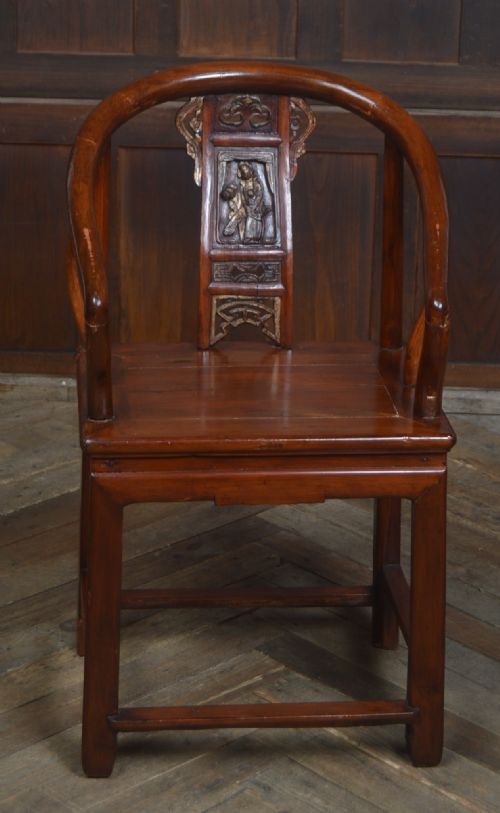
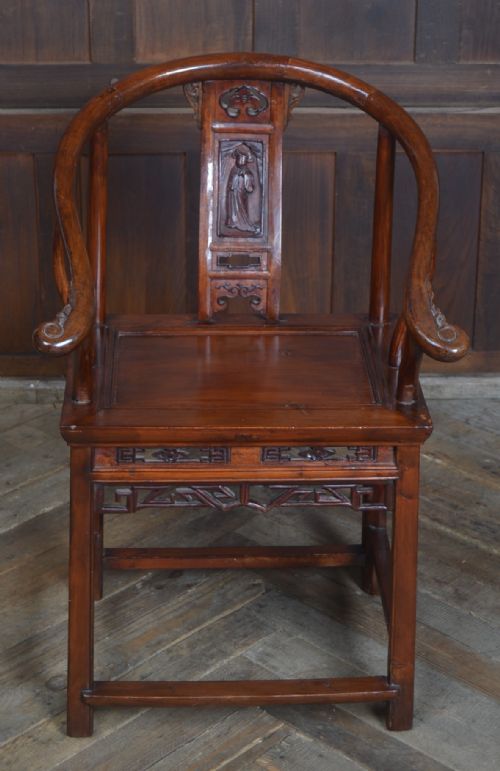
When you search for chinese splat back chairs, you encounter a distinct category of seating defined by a central vertical splat set into the backrest. The pieces available here span several distinct centuries and eras, including the eighteenth century, nineteenth century, Victorian period, Edwardian period, and specific dates like 1870, 1880, 1900, and 1920. You will find forms ranging from side chairs and dining chairs to armchairs, yoke-back armchairs, concubine chairs, folding horseshoe-back throne chairs, benches, and scholars chairs.
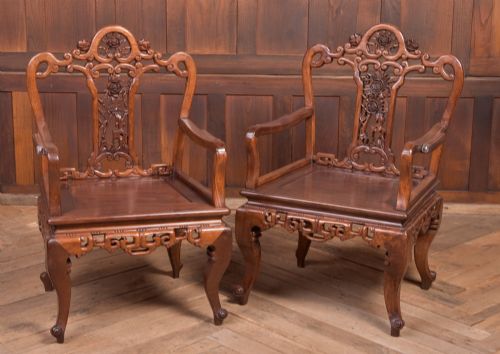
The stylistic influences across these listings encompass traditional Chinese designs, Qing Dynasty work, Qing Dynasty style, Chinese Chippendale, and broader oriental aesthetics. Armchairs and side chairs appear frequently in pairs or matched pairs alongside individual seating items. These objects reflect both domestic Chinese traditions and European interpretations such as the Chinese Chippendale style executed in mahogany.
How they were made
The construction of these seats relies heavily on dense timbers such as elm, hardwood, mahogany, blonde wood, and huanghuali. Cabinetmakers utilised these resilient materials to form rigid frames capable of supporting complex joinery without standard metal fasteners. The natural grain of the wood provides much of the visual character on unpainted examples.
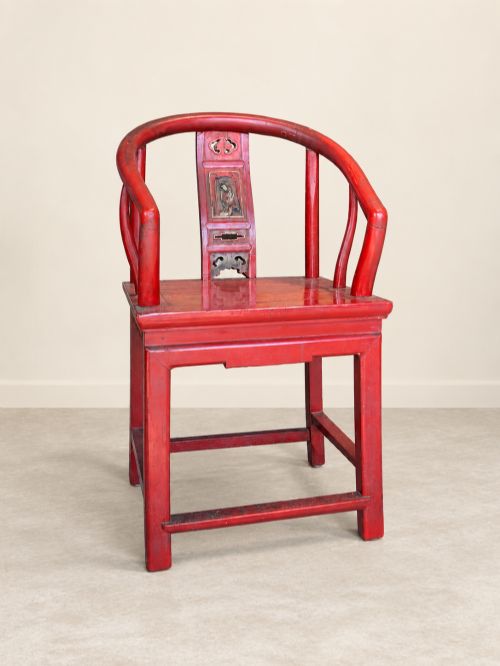
Surface treatments play a vital role in the manufacture of these pieces, incorporating lacquer, red lacquer, and gold leaf. Painted and lacquered finishes are applied over the timber base to seal the wood and create smooth, coloured surfaces. Carved back splats are shaped directly from the solid material to provide structural support and ornamental detail.
What varies in quality
The distinction between tiers of work rests largely on the choice of timber and the precision of the joinery. Dense woods like huanghuali or well-figured elm command greater attention than standard commercial hardwoods due to their inherent durability and grain pattern. The crispness of the carving on the central splat further separates standard utility seating from finer examples.
Surface preservation dictates much of the visual merit in lacquered and painted items. Original red lacquer and intact gold leaf detailing retain more integrity than heavily restored or later painted surfaces. The harmony of proportions between the back splat, arms, and seat frame defines the success of the overall design.
The Chinese Splat Back Chairs Glossary
- Splat
- The vertical slat of wood positioned in the centre of a chair backrest. It provides structural lumbar support and serves as the primary canvas for carving or shaping.
- Yoke-back
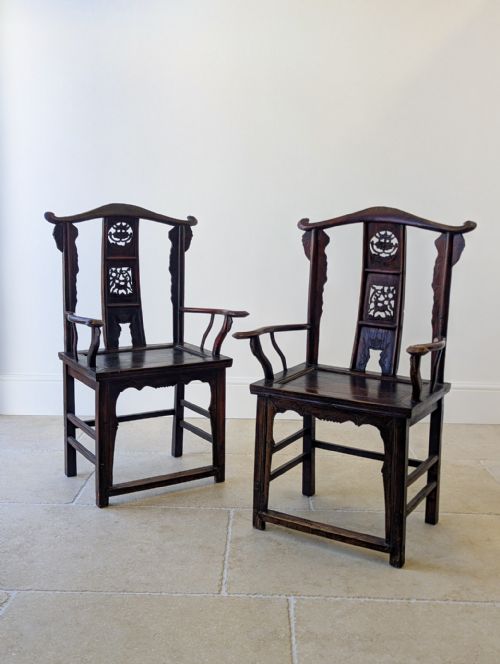
- A chair backrest style featuring a top rail that curves upward at the ends, resembling an ox yoke. This form is frequently associated with traditional scholars and official seating.
- Horseshoe-back
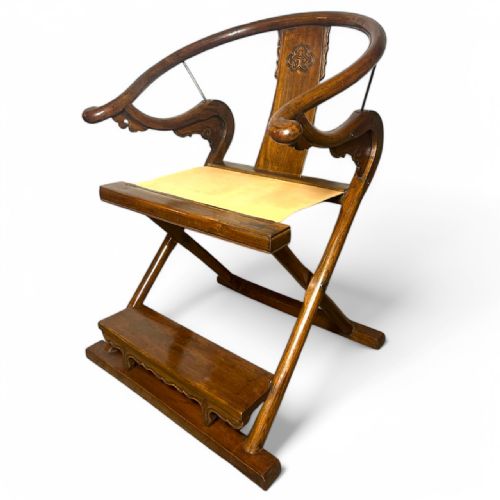
- A continuous curved arm and back rail that sweeps downward in a single fluid arc. This configuration requires advanced joinery to shape the timber around the seated user.
- Concubine chair
- A specialised low seating form designed for reclining or relaxed posture within domestic interiors. These items often feature elongated proportions and integrated foot rests or platforms.
Chinese Splat Back Chairs: Frequently Asked Questions
How do I identify a yoke back chair?
Yoke back chairs are distinguished by a prominent top rail that sweeps upward at the outer extremities. This curved profile mimics the traditional wooden yoke placed across draft animals.
Such designs were historically associated with scholars and officials in China. The central splat runs down from this curved rail to support the sitter's back.
What wood was used for chinese chairs?
Chinese seating was constructed from a variety of timbers depending on status and region. Elm, blonde wood, and standard hardwoods appear frequently across domestic pieces.
More exclusive items utilise dense, highly figured materials like huanghuali or mahogany. European-influenced pieces such as Chinese Chippendale specifically employ mahogany frames.
Where were horseshoe back chairs placed?
Horseshoe back chairs served as prominent seating options within traditional Chinese reception halls and domestic rooms. Their continuous curved rail allowed the user to rest their arms comfortably from any angle.
Folding versions were portable and could be moved between locations or used outdoors by elite occupants. Their unique silhouette made them focal points in a room.
How do I care for lacquered wood?
Lacquered surfaces require protection from direct sunlight and extreme fluctuations in humidity to prevent cracking. Dusting should be performed gently with a soft, dry cloth without chemical polishes.
Avoid placing these items near heat sources that might dry out the underlying timber. Maintaining stable environmental conditions preserves both the painted finish and the gold leaf details.