
Antique Asian Antiques
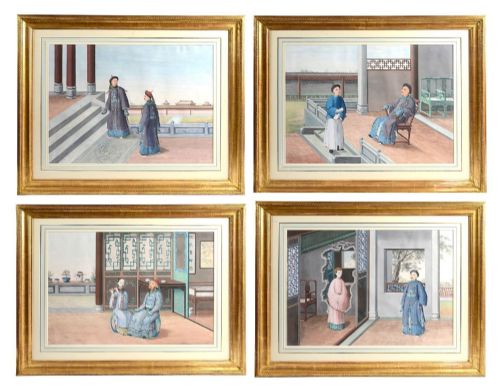
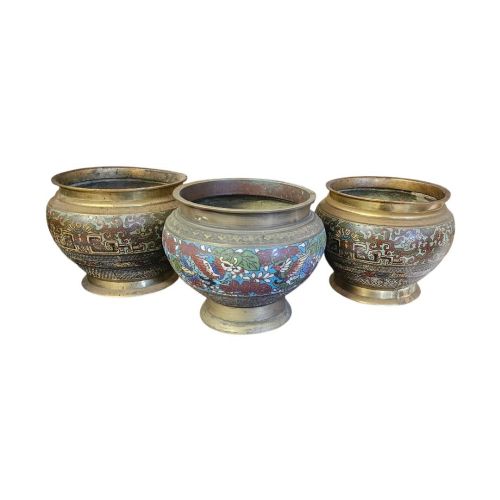
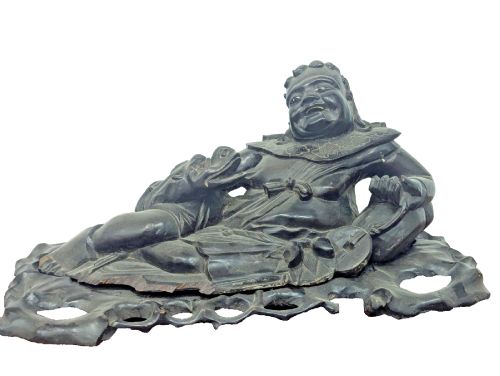
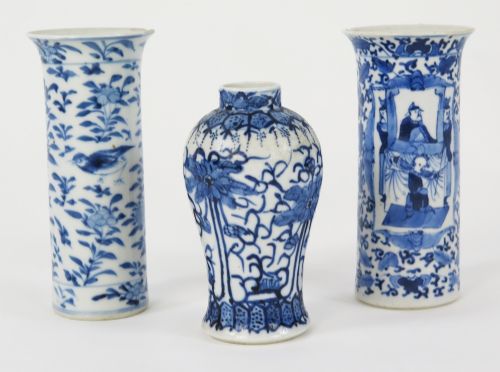
These antique asian antiques encompass bronze censers, carved hardwoods, and painted porcelain spanning multiple dynasties and centuries.
Antique Asian Antiques
When you search for antique asian antiques, you encounter a diverse selection of decorative and ritual objects originating from China, Japan, Tibet, Thailand, Burma, Vietnam, and Bali. These items bridge various cultural traditions, reflecting centuries of craftsmanship across Asia.
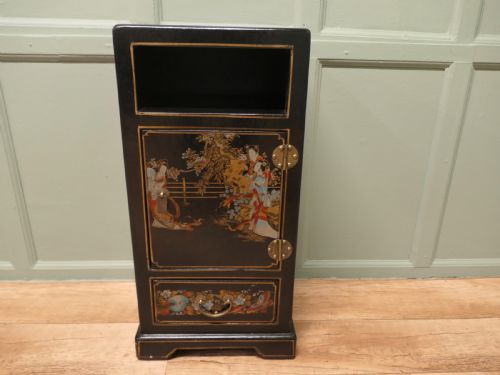
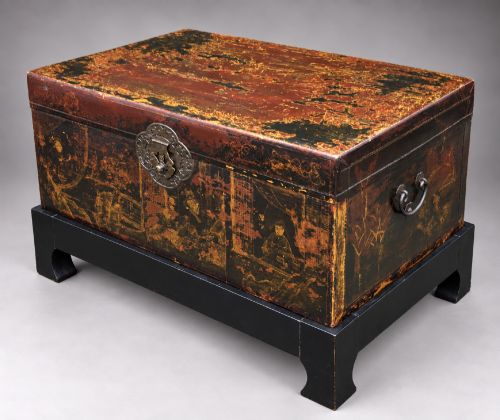
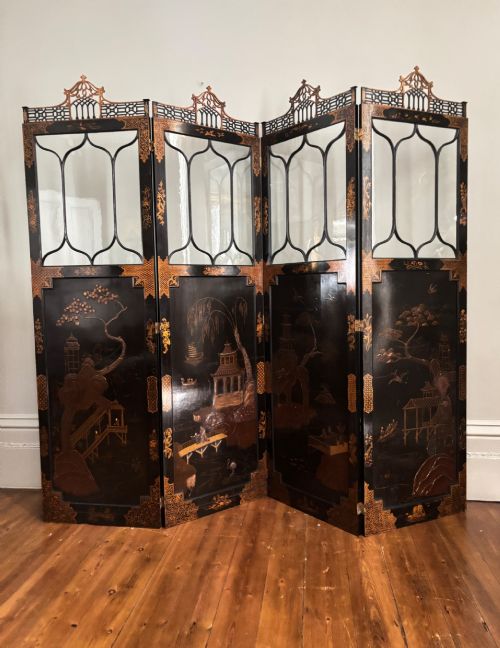
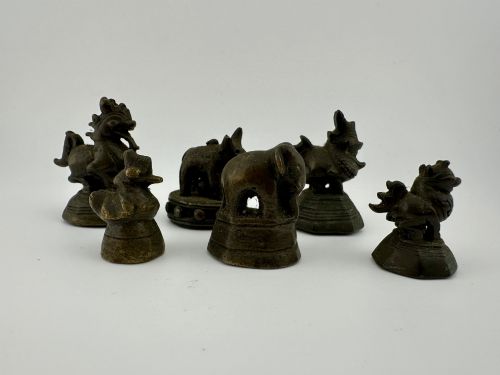
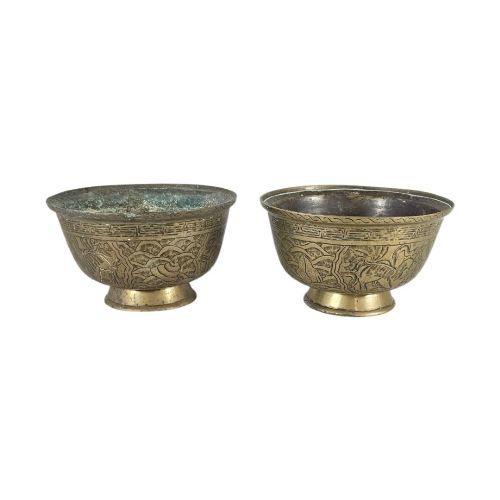
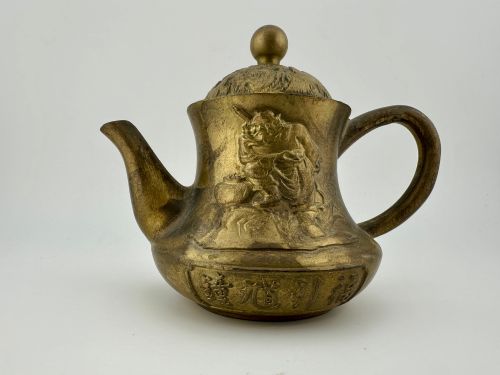
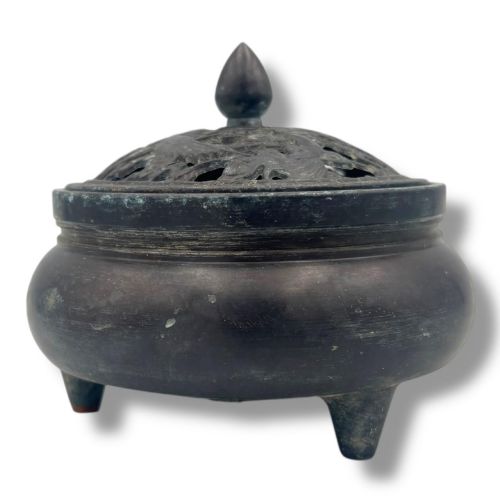
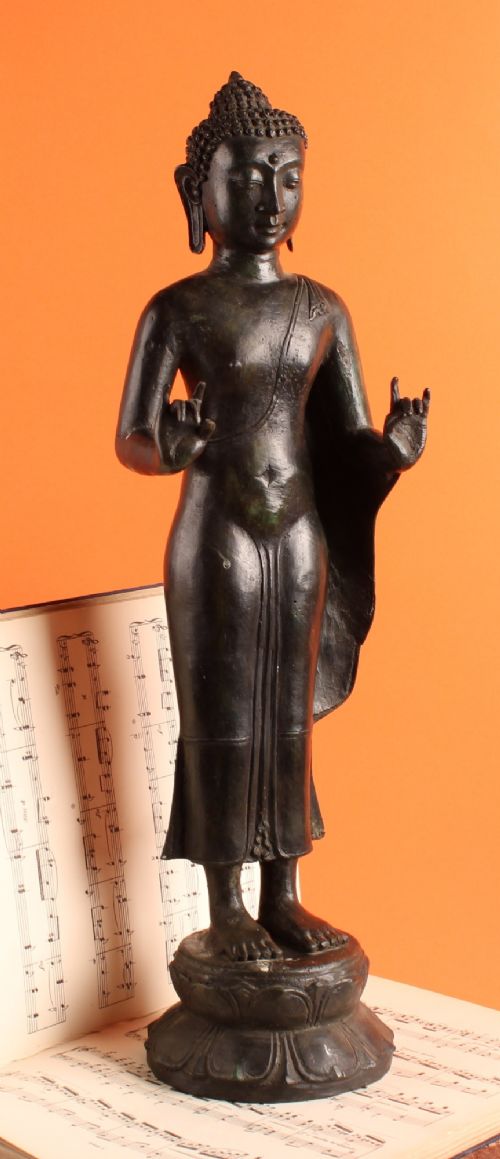
The objects represented on this page lean heavily towards cast bronze vessels, incense burners, Buddhist shrine statues, and hand-painted porcelain ceramics. You will also find carved hardwoods, display cabinets, and decorative metalwork.
Most items date from the nineteenth century through the early twentieth century, encompassing the Late Qing Dynasty and the Meiji Period. These domestic and ritual artefacts offer a tangible connection to historical workshops and regional aesthetics.
Materials and techniques
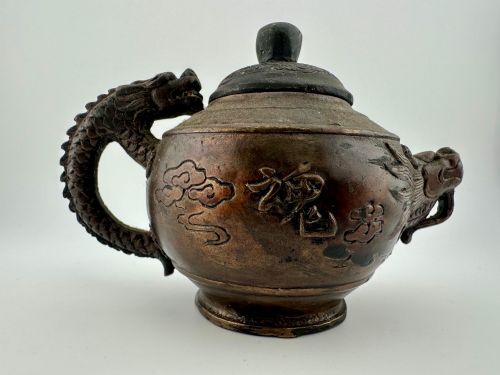
Makers utilised lost-wax casting for bronze incense burners and figures, frequently incorporating champlevé or cloisonné enamel detailing to add colour to the metal surface. Carvers worked with dense hardwoods and bamboo to produce intricate display cabinets and containers.
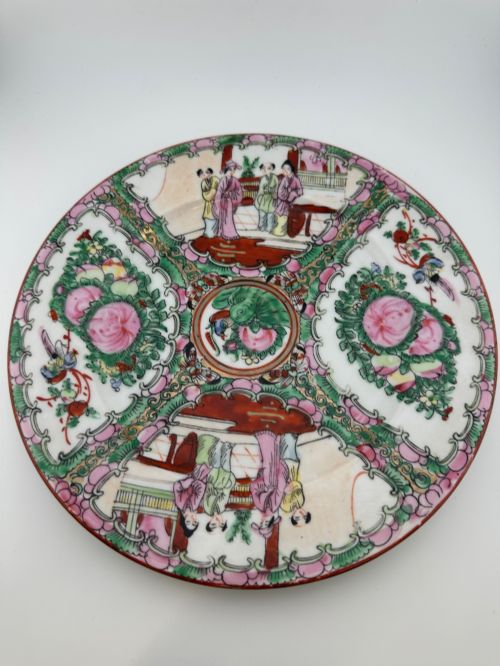
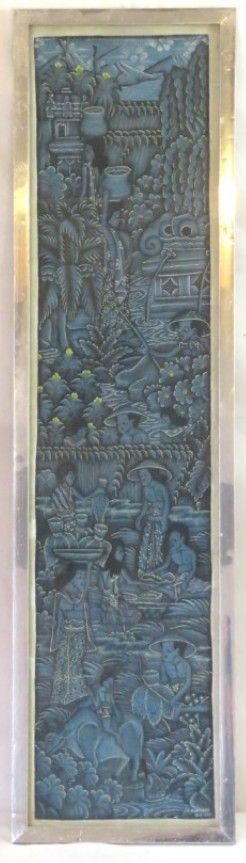
Potters shaped porcelain and stoneware before applying blue and white underglazes or overglaze polychrome enamels, as seen on Kutani dishes and export wares. Artisans also applied gold leaf, lacquer, and white metal plating to textiles, boxes, and vessels.
Listings feature bronze, porcelain, wood, and enamel objects originating from China, Japan, Tibet, Thailand, Burma, Vietnam, and Bali.
Variations in quality
The standard of execution in bronze casting dictates the crispness of relief decoration, such as taotie masks on archaistic ding vessels or feathered details on bird sculptures. Finer pieces demonstrate precise chasing and balanced proportions rather than rushed surface finishing.
Ceramic quality is visible in the control of the brushwork on hand-painted porcelain chargers and blue and white vases. Superior items display harmonious enamel palettes and well-defined kiln marks without distortion or glazing flaws.
The Antique Asian Antiques Glossary
- Censer
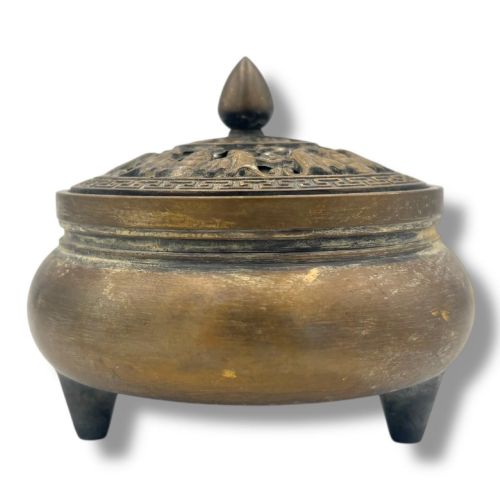
- A vessel used for burning incense during ritual ceremonies or domestic display, often featuring a tripod base and a pierced cover.
- Champlevé
- An enamelling technique where troughs are dug into a metal surface and filled with vitreous paste before firing.
- Cloisonne
- A method of decorating metal objects by placing wire compartments on the surface and filling the resulting cells with enamel.
- Mudra
- A symbolic hand gesture depicted on Buddhist statues and figures, conveying specific meanings such as teaching or reassurance.
- Archaistic
- A deliberate stylistic reference to much older historical forms and motifs, common in later bronze and ceramic production.
Antique Asian Antiques: Frequently Asked Questions
What is a bronze censer used for?
Bronze censers functioned primarily as ritual vessels for burning aromatic incense in temples, scholarly studios, and domestic shrines. Their pierced lids allowed smoke to escape gradually during meditation or gatherings.
Over time, these heavy metal vessels evolved into purely decorative ornaments collected for their intricate casting, patination, and archaistic motifs.
How do I identify Meiji period bronzes?
Meiji period Japanese bronzes typically date from the late nineteenth to the early twentieth century and showcase exceptionally refined metallurgical techniques. Look for naturalistic motifs like birds, blossoms, and mythical beasts executed with high-relief casting.
These pieces often display a deep, controlled patination and meticulous surface chasing that distinguish them from earlier or contemporary continental work.
What distinguishes Qing dynasty porcelain?
Qing dynasty porcelain encompasses wares produced under the Manchu emperors, featuring crisp cobalt blue underglazes and detailed polychrome enamel palettes. Many pieces incorporate apocryphal reign marks on the base to honour earlier imperial periods.
The potting tends to be fine and uniform, with smooth glazes covering carefully painted landscapes, floral sprays, or mythical creatures.