


Antique Artwork Wall Decor
These antique artwork wall decor pieces bring centuries of oil paintings, watercolours, and framed prints into a room.
Antique Artwork Wall Decor
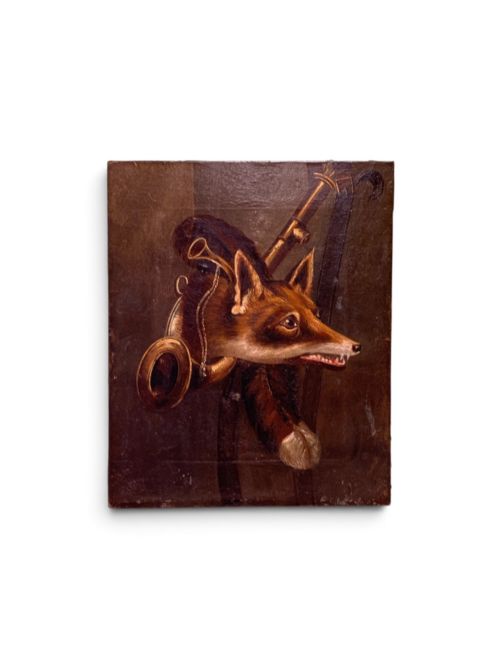
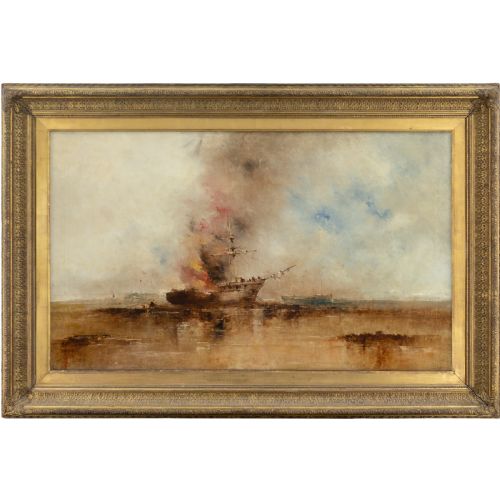
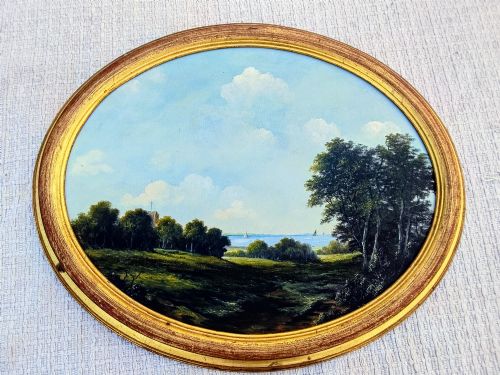
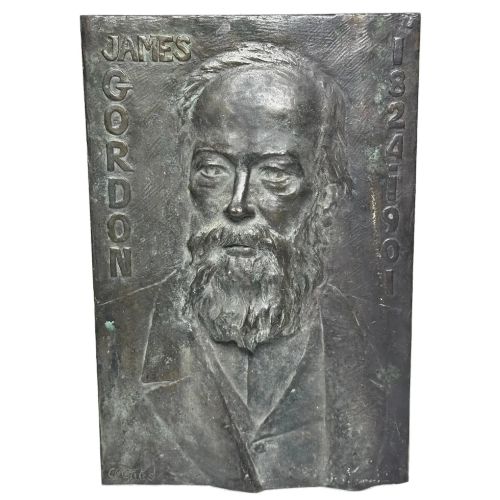
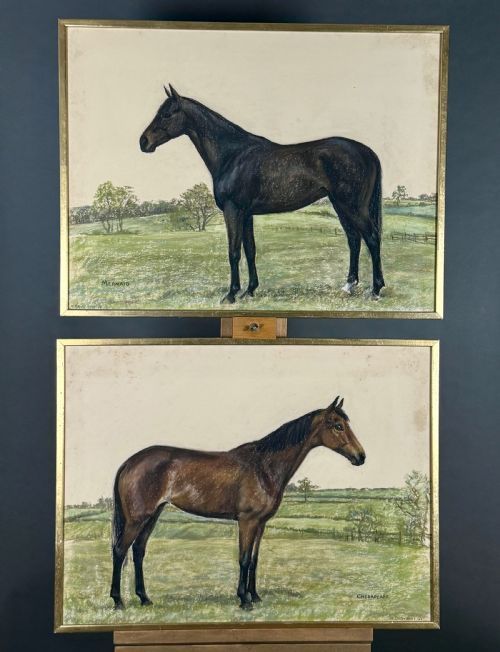
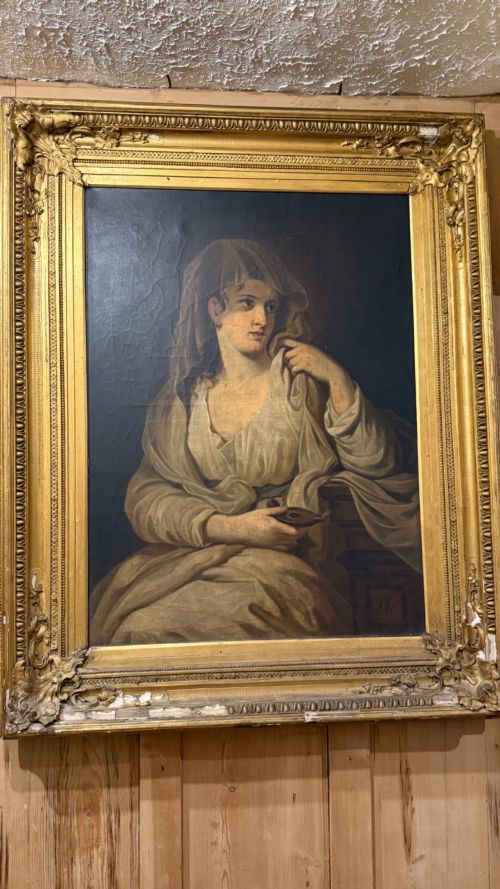
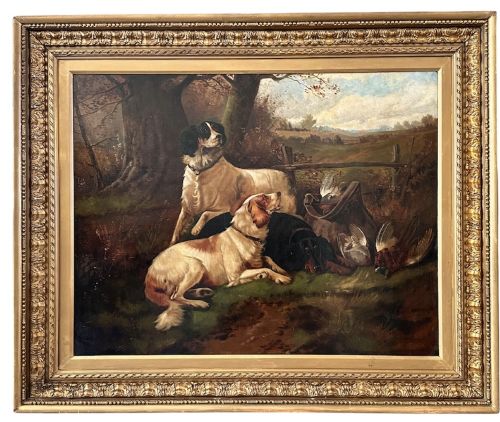
When you search for antique artwork wall decor, you encounter a diverse selection of oil paintings, watercolours, pastels, and framed prints spanning the nineteenth century through the mid twentieth century. The inventory on this page ranges from Victorian sporting art and maritime scenes to Edwardian ship portraits and Georgian character studies.
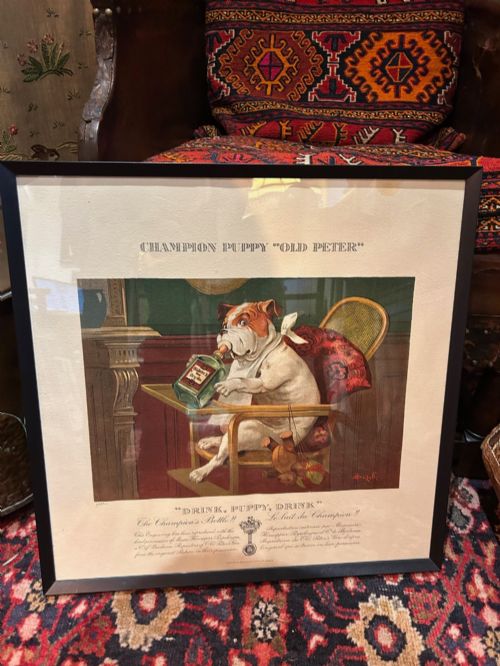
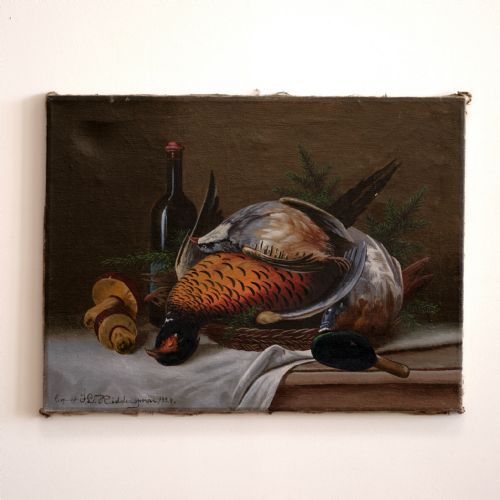
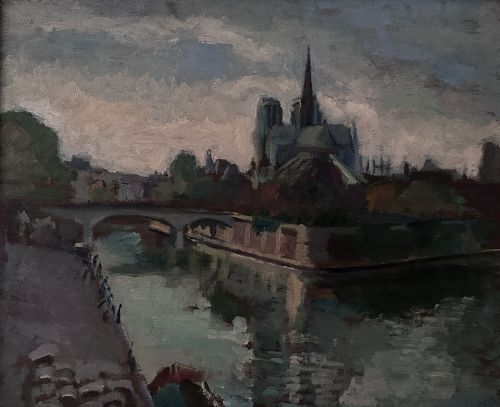
You are most likely to meet framed oil paintings on canvas or panel, alongside period watercolours and vintage advertising prints. Subjects vary widely from horse portraits and still lifes to architectural views and historical genre scenes.
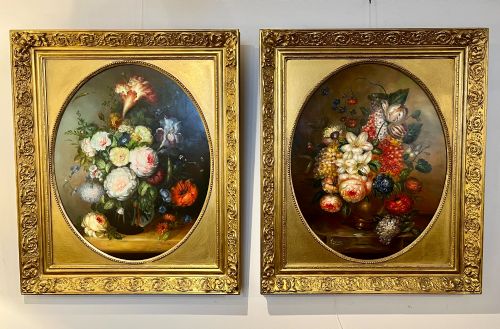
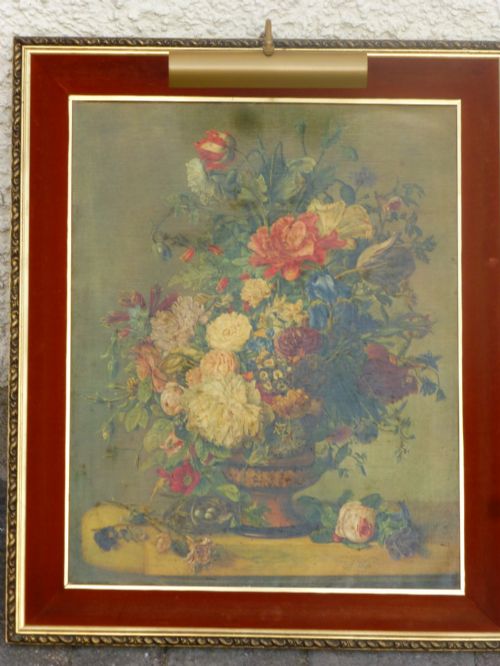
The objects originate across various European traditions, incorporating Dutch style still lifes, French provincial works, and British landscape paintings. Each piece reflects the aesthetic preferences of its specific period, from Regency engravings to Art Deco era prints.
How they were made
Makers utilised traditional supports such as canvas, wood panel, paper, and glass, applying oil paint, watercolour, pastel, ink, and gouache by hand. Many works feature original or period frames constructed from gilded wood, giltwood, or walnut.
Techniques range from direct oil painting on canvas and panel to reverse glass printing, hand-tinted photographs, lithography, and engraved copper plates. The application of media demonstrates skilled draftsmanship and brushwork characteristic of academic and provincial training.
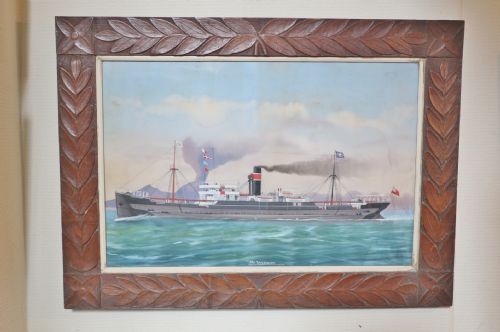
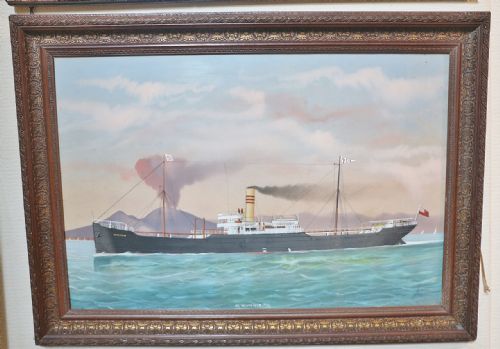
Subjects recorded on this page include maritime steamships, equestrian portraits, biblical narratives, and Dutch style still life paintings.
What varies in quality
Quality rests in the execution of the subject, the handling of light and pigment, and the preservation of the surface over time. Finer works display confident brushstrokes and anatomical precision, particularly in animal and human portraits.
The integrity of the frame and the original association between artwork and mount also influence the standing of a piece. Works retaining their period gilded wood or Hogarth frames command greater interest from collectors.
Alfred Young Nutt·Sir Peter Markham Scott·Benjamin Eugene Fichel·Cecil Charles Windsor Aldin·Raimond Louis Lecourt
The Antique Artwork Wall Decor Glossary
- Oil on canvas
- Pigment suspended in drying oil applied to a stretched woven fabric support. This method allowed artists to achieve rich colour depth and textured impasto.
- Giltwood
- Wood carved and coated with a thin layer of gold leaf or metallic powder. It frequently frames formal oil paintings from the eighteenth and nineteenth centuries.
- Watercolour
- A paint consisting of colourants suspended in a water-soluble vehicle, typically applied to paper. It produces translucent washes of tone and delicate detail.
- Reverse glass print
- An image applied directly to the rear side of a glass panel so the finished picture is viewed through the transparent front. This technique protected the delicate pigments from atmospheric dust.
- Lithography
- A planographic printing process based on the repulsion of oil and water on a flat stone or metal plate. It enabled the mass production of fine art prints and illustrations during the nineteenth century.
Antique Artwork Wall Decor: Frequently Asked Questions
How do I date an antique oil painting?
Examine the canvas weave, the stretcher construction, and the type of nails or tacks used to secure the canvas. Pigment analysis and the style of the frame also provide reliable chronological markers.
Signatures, inscriptions on the reverse, and artist biographical details help narrow the date of creation to a specific decade or artistic movement.
What is the difference between an oil painting and a print?
An oil painting is a unique, hand-painted work created by applying wet pigment directly to a support such as canvas or wood panel. Brush texture and impasto are visible upon close inspection.
A print is a mechanical or manual reproduction of an original image onto paper or glass, utilising techniques such as lithography, engraving, or photographic processes.
How should I care for antique works on paper?
Keep watercolours, drawings, and prints away from direct sunlight to prevent the fading of fugitive pigments and the yellowing of the paper support. Maintain stable indoor humidity levels to avoid foxing and mould growth.
Display works behind UV-filtered glass with acid-free mounts that prevent the paper from touching the glass surface directly.
Are antique frames original to the artwork?
Many pieces retain their original or period-appropriate frames, which dealers identify through matching patina, corner construction, and rabbet wear. Giltwood and Hogarth frames often date to the same era as the canvas.
Over the centuries, artworks were frequently reframed to suit changing interior tastes, so secondary framing remains a common occurrence in the antiques market.