






Antique Arita Wall Plates
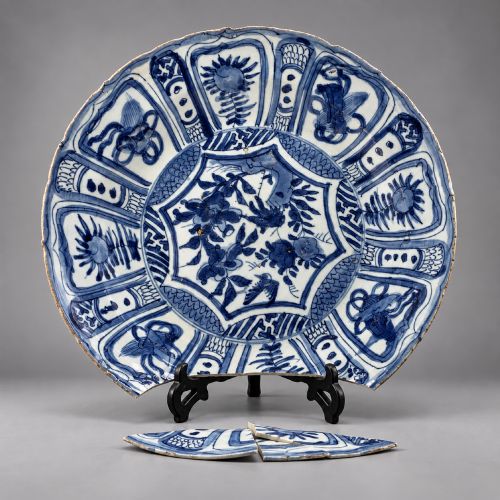
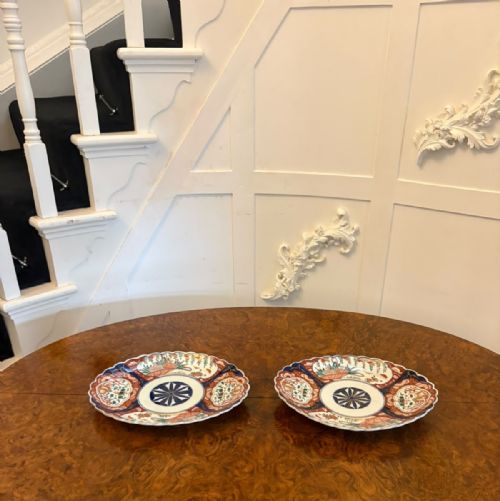
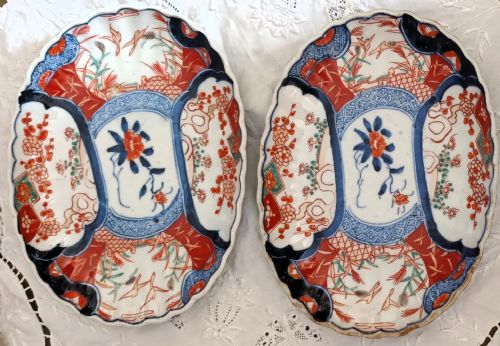
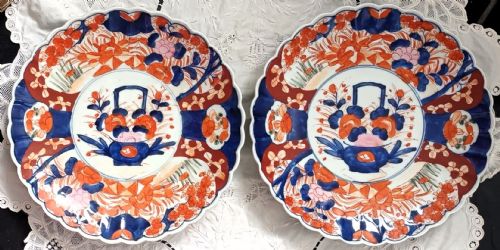
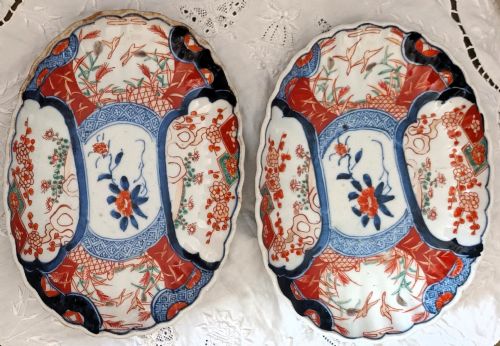
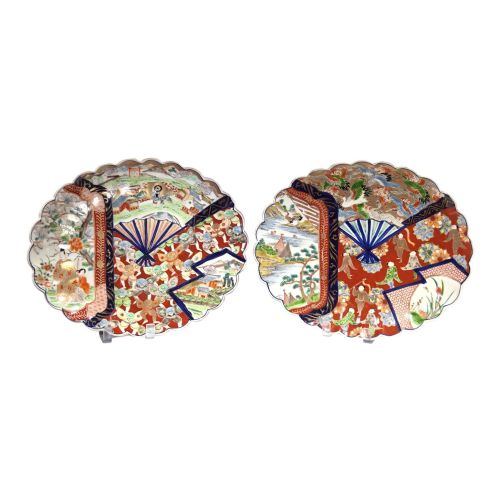
Antique arita wall plates are striking Japanese porcelain chargers and dishes that bring rich cobalt pigment and gold gilt colour to any room.
Antique Arita Wall Plates
Antique arita wall plates encompass Japanese porcelain chargers, decorative dishes, and display platters originating from periods such as the Edo and Meiji eras, alongside Victorian times and the late 19th century. Buyers searching for these items encounter various geometric and organic forms, including square, hexagonal, octagonal, fan-shaped, and scalloped plates.
The inventory on this page leans heavily towards Japanese Imari styles, featuring vibrant cobalt pigment combined with enamel and gold leaf or gold gilt. Pieces range from single display items to matched pairs and larger collections, spanning standard decorative plates up to substantial chargers.
How they were made
These items rely upon ceramic and porcelain bodies shaped into distinct forms before receiving hand-painted decoration. Artisans applied cobalt pigment beneath the glaze alongside surface enamels to build up intricate patterns.
Finishing touches frequently incorporated gold leaf or gold gilt to highlight specific motifs across the porcelain surface. Firing took place in kilns across Arita, producing durable glazed wares designed for visual display.
Listings feature pieces spanning the 17th century, Edo period, 19th century, Meiji period, Victorian era, and into the early 20th century.
What varies in quality
Quality rests upon the precision of the hand painting and the complexity of the design, particularly in how cobalt pigment, enamel, and gold gilt interact across the porcelain body. Stronger examples display crisp detailing in subjects such as exotic birds, koi carp, and traditional Japanese motifs.
Form also dictates standing, with unusual shapes like fan, square, hexagonal, and ribbon plates commanding distinct interest compared to standard round chargers. The crispness of scalloped edges and the depth of the glaze separate ordinary output from finer examples.
The Antique Arita Wall Plates Glossary
- Imari
- A style of Japanese porcelain decorated in underglaze blue, iron red, and gold, named after the port from which these wares were shipped. This palette defines the majority of the plates seen here.
- Charger
- A large decorative plate intended for display rather than for serving food at the table. These large pieces showcase the full breadth of Arita painting.
- Meiji Period
- The era in Japanese history spanning from 1868 to 1912, corresponding to many of the decorative plates and chargers found in this collection. Items from this time often feature elaborate hand-painted designs.
- Aka-e
- Red-painted decoration used on Japanese porcelain, often combined with cobalt blue and gold leaf. This technique characterises earlier Hizen and Arita pieces from the 17th century.
- Cobalt Pigment
- The primary blue colouring agent applied beneath the glaze to create the deep blue motifs characteristic of traditional Japanese porcelain. It withstands high kiln temperatures without losing definition.
Antique Arita Wall Plates: Frequently Asked Questions
How do I hang these plates?
Wall plates and chargers require specialised, non-damaging wire hangers that grip the rim securely without putting pressure on the porcelain body.
Ensure the wall fixing is anchored firmly, as larger chargers carry considerable weight and need proper structural support.
Can I use them for dining?
These decorative plates and chargers are intended primarily for display and visual appreciation rather than daily utility at the table.
Hand-painted enamels and gold gilt elements can wear down with heavy use and washing, so keeping them on the wall preserves the surface.
How do I date an arita plate?
Dating relies on stylistic markers, such as the transition from Edo period forms to Meiji period motifs, alongside the characteristics of the glaze and pigments.
Examining the foot ring and the manner of the hand painting provides further clues regarding the era of manufacture.
What is the difference between Arita and Imari?
Arita refers to the Japanese town and region where the porcelain was actually produced, centred in Hizen province.
Imari is the port town from which these ceramic pieces were exported to Europe, giving the distinct blue, red, and gold style its common name.