

Antique Apprentice Furniture
Antique apprentice furniture represents skilled scale models crafted to master a trade, offering collectors charming historical craftsmanship in miniature form.
What apprentice furniture is
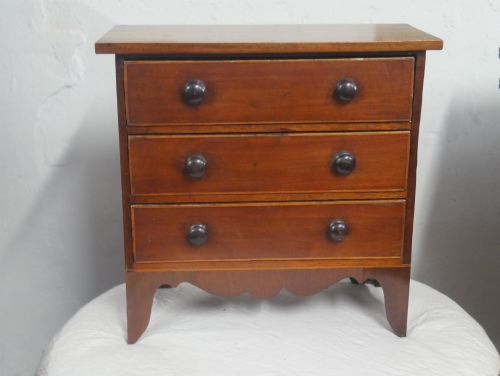
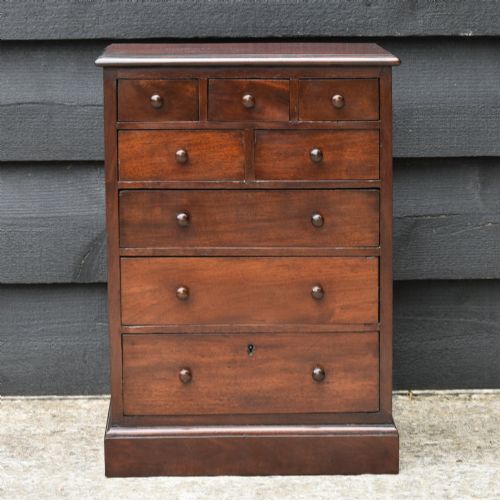
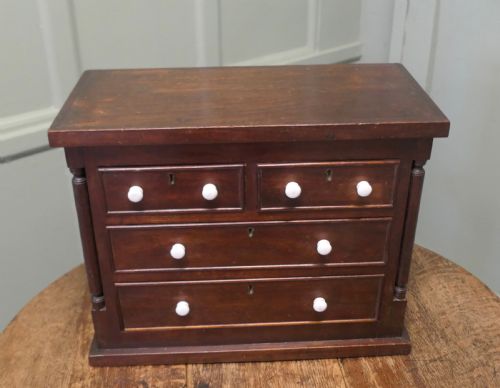
Antique apprentice furniture comprises small-scale representations of larger household items, produced to demonstrate technical mastery or present to potential clients. These pieces capture the precise proportions of full-size furnishings while occupying minimal space in a modern interior.
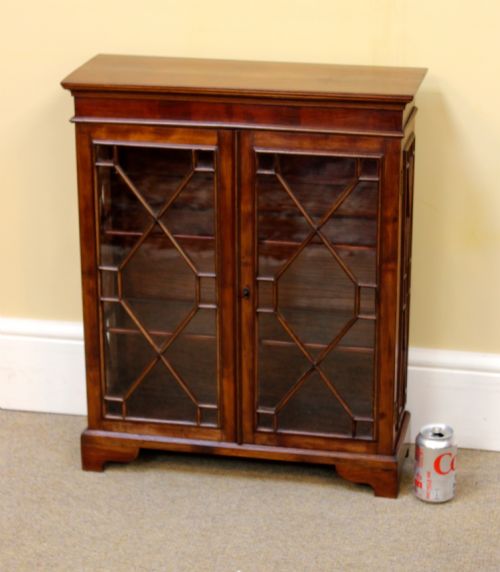
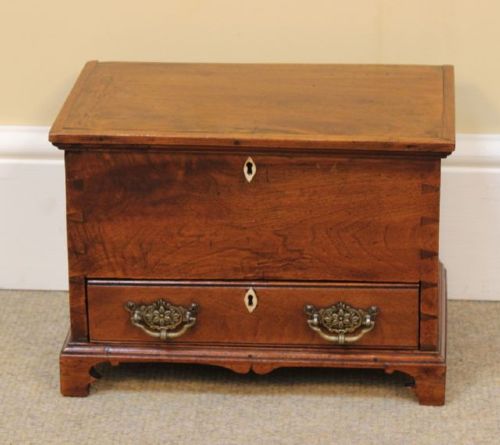
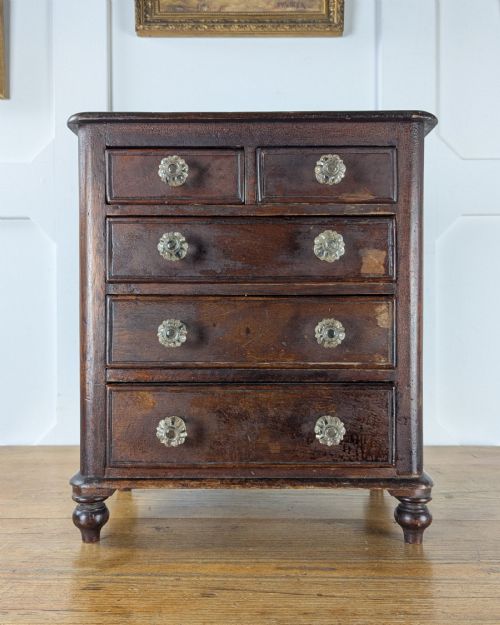
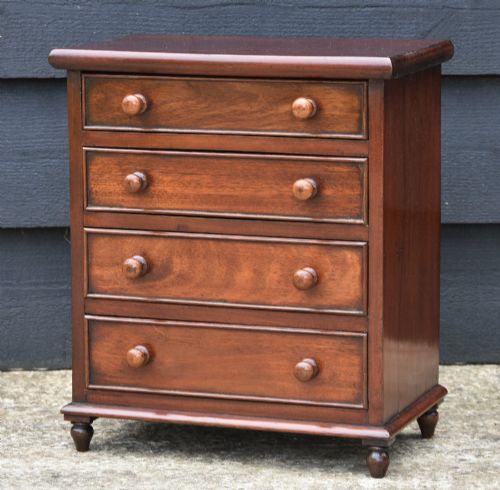
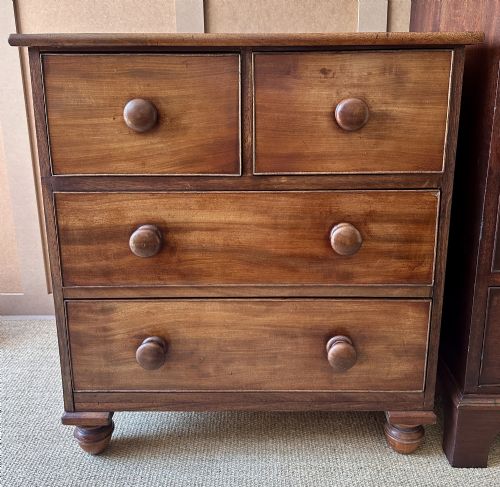
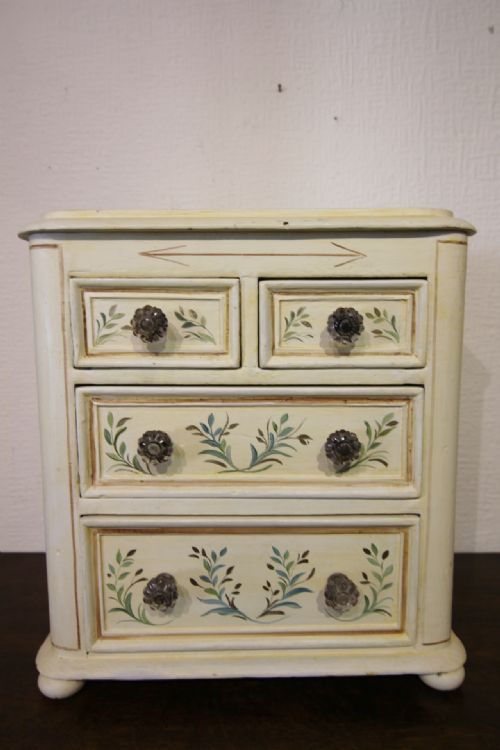
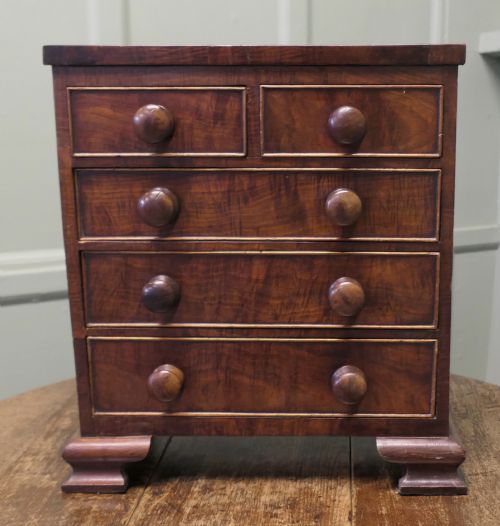
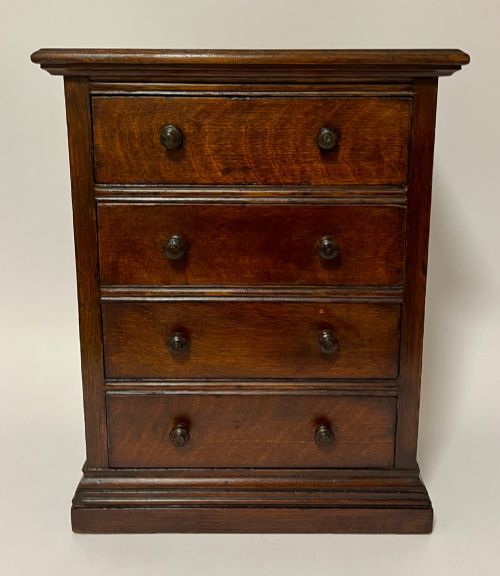
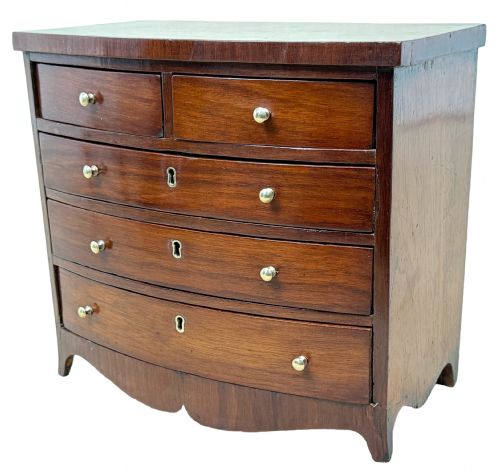
The pieces listed here span several decades and styles, including Victorian, Edwardian, and Arts and Crafts examples. Collectors most commonly encounter miniature chests of drawers, alongside less frequent forms such as court cupboards, kneehole desks, sideboards, window seats, and tilt-top tables.
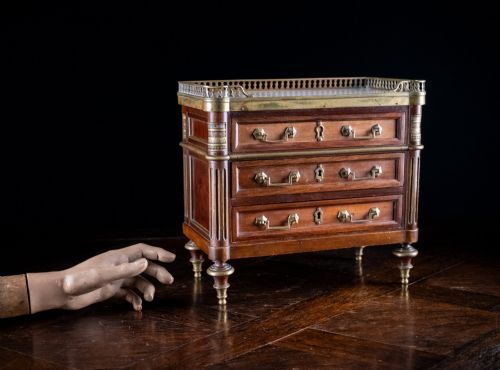
Origins vary across English and French workshops, reflecting diverse regional cabinet-making traditions. Materials range from traditional hardwoods like mahogany and oak to refined decorative timbers such as satinwood and yew wood.
Materials and construction
Cabinet-makers constructed these miniatures using solid woods and veneers, selecting mahogany, oak, walnut, yew wood, and satinwood for their grain and durability. Workshops incorporated contrasting timbers and decorative stringing to accentuate small-scale architectural details.
Metal hardware such as brass handles, escutcheons, and hinges appear frequently across the forms. Joinery methods mirrored standard furniture production, requiring precise hand-cutting to achieve stability and function at a reduced size.
Retail Price Guide 2026
Typical UK retail prices for apprentice furniture, calculated from the Sellingantiques database of over a million retail prices indexed since 2003. This retail price guide relies exclusively on Sellingantiques data; no external sources or auction records are used, so the figures do not describe the wider market.
Current selections encompass items dated across the eighteenth, nineteenth, and early twentieth centuries, featuring woods from mahogany to satinwood.
What separates the finest pieces
Quality rests upon the fidelity of the proportions and the precision of the miniature joinery. Master craftsmen applied the same rigorous dovetailing, turning, and polishing techniques found in full-size commissions, whereas lesser examples rely on simplified construction.
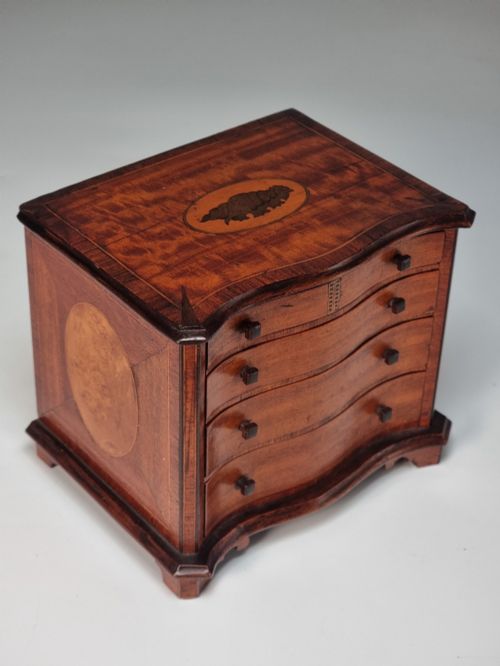
The choice of timber heavily influences the character and distinction of a piece. Fine figured grains, subtle brass fittings, and sophisticated styling such as French Louis XV lines or serpentine fronts elevate an item well beyond basic utility.
A. F. Lloyd, Bideford
The Antique Apprentice Furniture Glossary
- Apprentice piece
- A scale model created by a trainee woodworker to demonstrate proficiency to a guild or master. These items frequently display exceptional detail.
- Miniature furniture
- Small-scale domestic furnishings produced as salesman samples, child's toys, or master works. They duplicate full-size equivalents in every structural aspect.
- Serpentine chest
- A storage unit featuring a wave-shaped curved front facade. This profile demands advanced woodworking skill, particularly in miniature scale.
- Court cupboard
- An enclosed medieval or revival storage form with stacked tiers. Miniature versions replicate the panelled doors and carved framework of the full-size originals.
- Kneehole desk
- A compact writing table featuring a central recess flanked by pedestals of drawers. Miniature iterations preserve the internal compartment layout.
Frequently Asked Questions
What is antique apprentice furniture?
These items are small-scale furniture pieces built by trainees or craftsmen to display their technical competence. They replicate full-sized household furnishings down to the smallest detail.
Collectors prize them for their intricate craftsmanship and the way they concentrate the style of a specific period into a portable format.
How were these miniature pieces used?
Cabinet-makers utilised them as working portfolios to demonstrate their abilities to prospective patrons or guild masters. Some also functioned as salesman samples carried on the road.
In domestic settings, wealthy households occasionally placed them in reception rooms or used them for specialised storage such as jewellery.
How do I date an apprentice piece?
Dating relies on identifying the prevailing stylistic era, such as Victorian, Edwardian, or Arts and Crafts. Construction methods, wood selection, and secondary timbers offer additional clues.
Makers occasionally inscribed dates or signatures directly onto the woodwork, providing precise chronological markers.
What woods appear in these pieces?
Workshops employed standard cabinet timbers including mahogany, oak, walnut, and yew wood. Exotic and decorative woods like satinwood and ebony provided contrast and visual depth.
Metal elements in brass complemented the rich tones of these selected timbers.