
Antique Animal Statuette
An antique animal statuette captures the character of fauna in metal, ceramic or carved wood, offering enduring desktop and cabinet presence.

Antique Animal Statuette
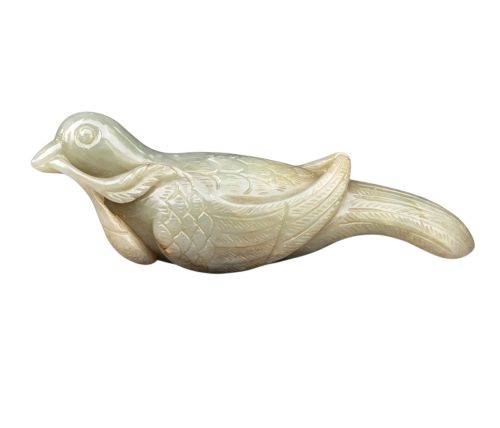
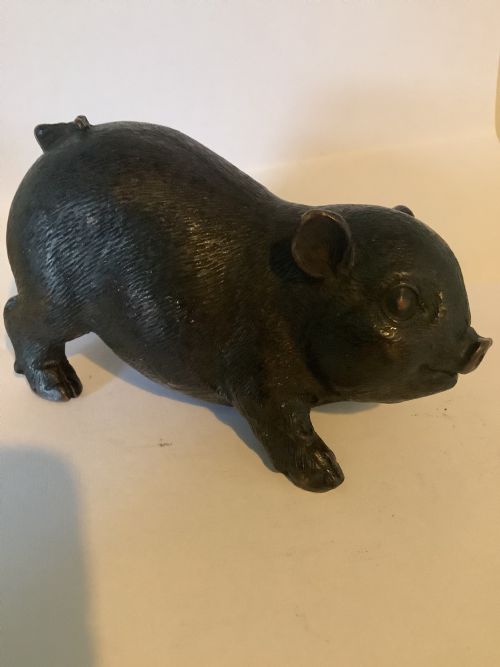
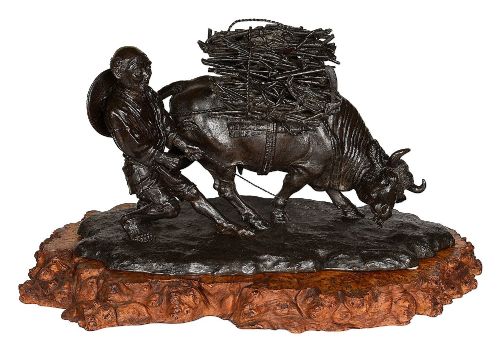
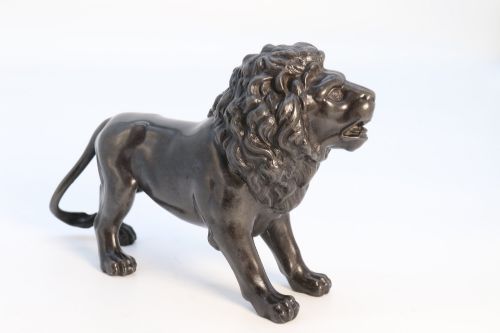
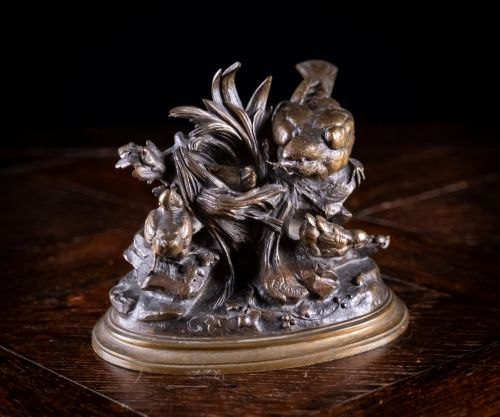
When you search for an antique animal statuette, you encounter a diverse array of small sculptural representations depicting birds, domestic pets and wild creatures. These objects emerge from various traditions, spanning European bronze foundries, Asian workshops and domestic potteries.
The selections on this page are most frequently met as 19th-century bronze casts, Victorian earthenware figures or cold-painted Austrian metalworks. Each format reflects the specific aesthetic concerns and material capabilities of its period of origin.
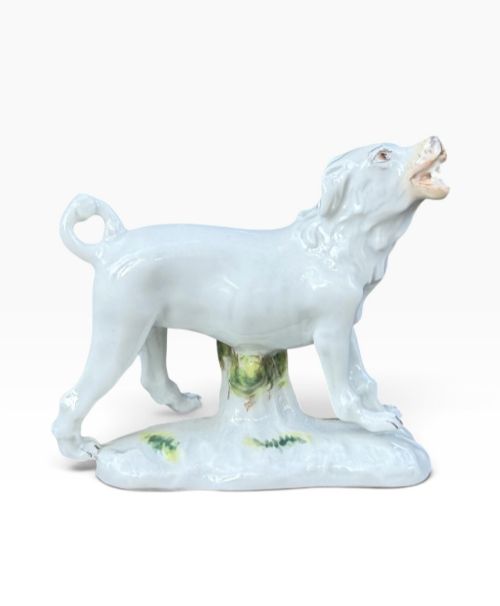
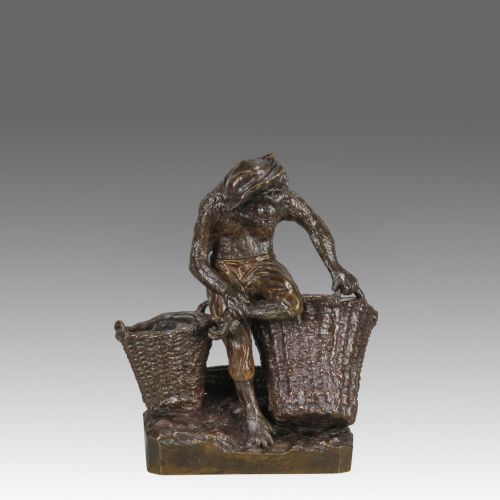
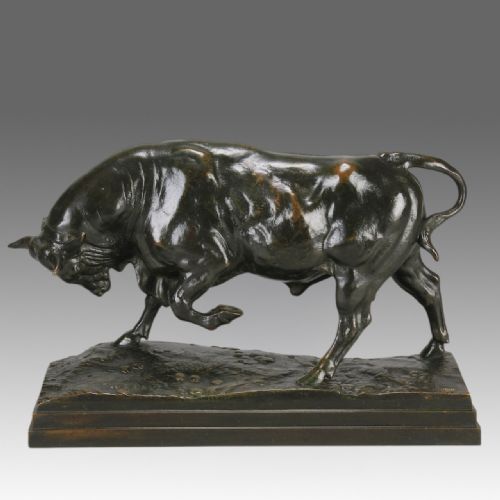
Makers ranged from large factories producing porcelain dogs to named sculptors working within the French Animalier tradition or Vienna bronze foundries. Collectors select these pieces based on the fidelity of the anatomy and the distinct personality imparted to the subject.
Materials and construction
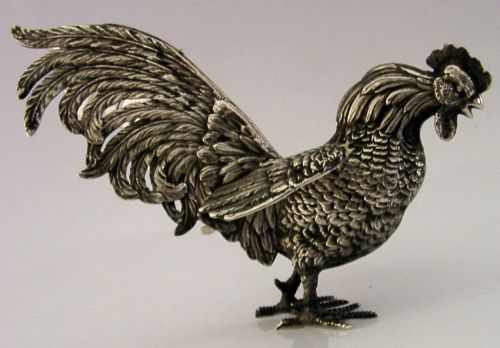
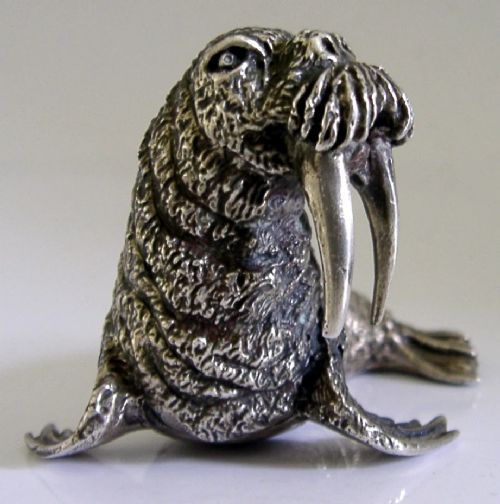
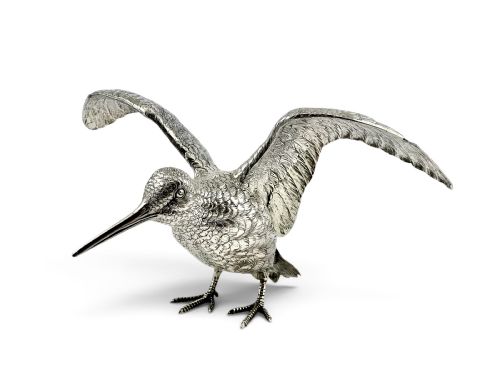
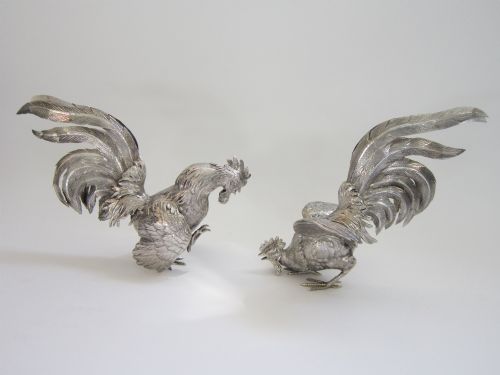
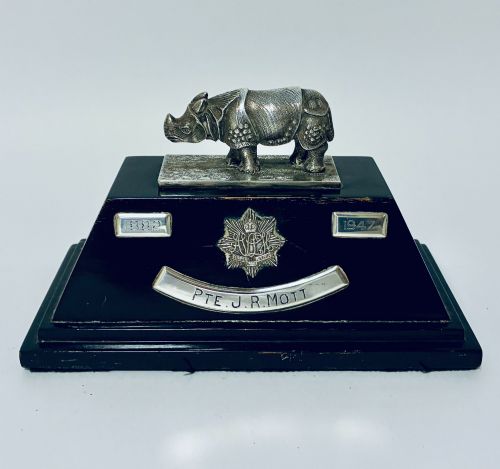
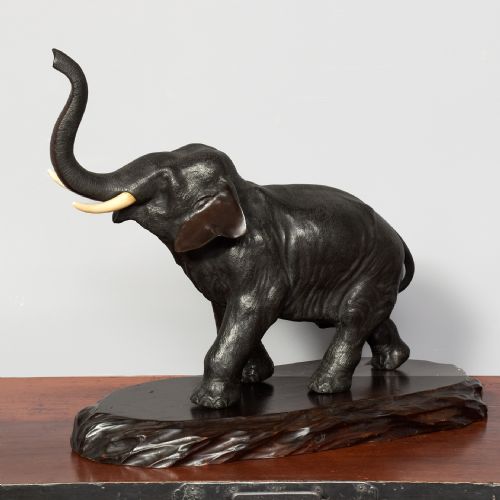
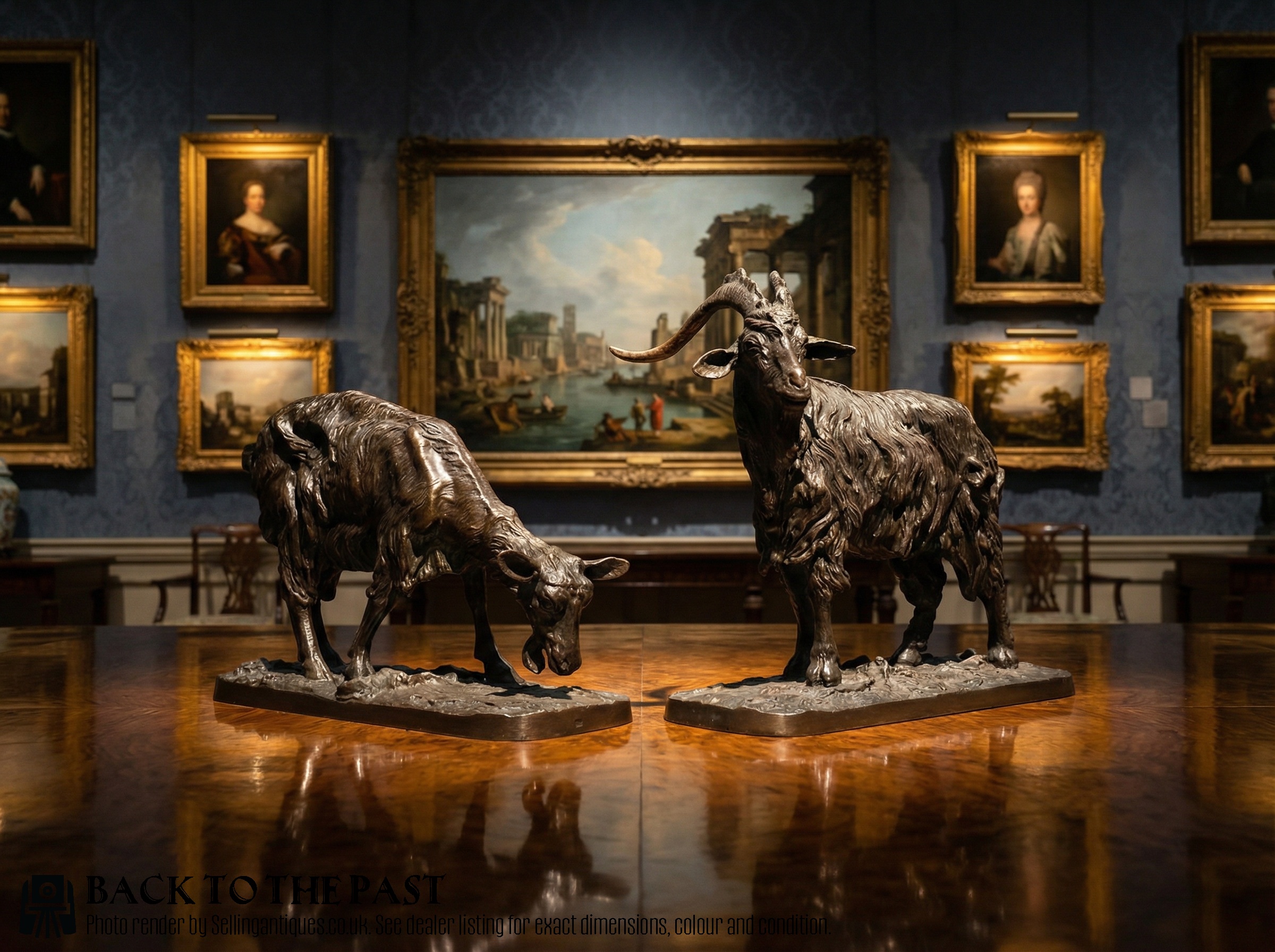
The primary mediums recorded in these listings are cast bronze, sterling silver, carved wood, earthenware and porcelain, frequently enhanced with paint, glaze or enamel. Metal figures often utilise the lost-wax casting method to achieve fine detail in fur, feathers and musculature.
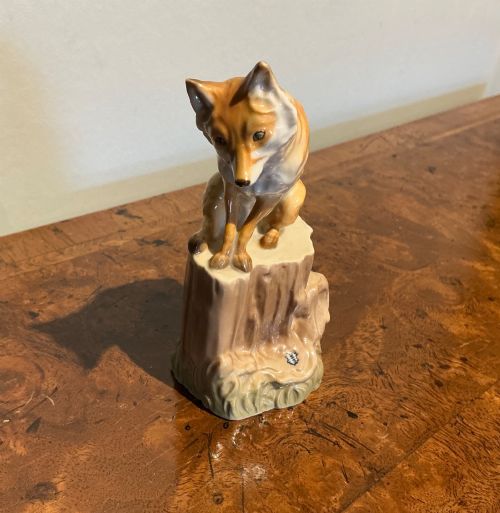
Cold-painted bronzes rely on layers of polychrome paint applied over a metal base, a technique mastered by Austrian workshops. Ceramic and earthenware pieces depend on painted glazes fired at high temperatures to fix the colour onto the pottery body.
Listings feature materials ranging from sterling silver and bronze to carved wood, earthenware and reconstituted stone.
Distinguishing quality
Quality in these sculptures rests upon the crispness of the casting or carving and the naturalism of the posture. Superior examples display careful attention to anatomical proportion and surface texture rather than relying on generalised shapes.
The preservation of original painted or cold-painted surfaces heavily influences the desirability of metal pieces. Finer casts retain subtle chasing work executed by hand after the metal cooled, whereas lesser versions present softer details and generic finishing.
Christophe Fratin·Antoine Louis Barye·Franz Bergman·Berthold Muller·Kunio Itô·Louis Emile Cana
The Antique Animal Statuette Glossary
- Animalier
- A 19th-century artistic movement focused on the realistic depiction of animals, particularly predators and game. Sculptors in this style studied live specimens in menageries to improve their anatomical accuracy.
- Cold-painted bronze
- A method where bronze sculptures receive polychrome paint finishes that are left to air dry rather than fired in a kiln. This technique was particularly popular in Vienna workshops during the late 19th and early 20th centuries.
- Celadon
- A term for ceramics denoting a pale green glaze imitating jade, developed in China. The subtle green tones arise from iron oxide interacting in a reduction kiln atmosphere.
- Staffordshire pottery
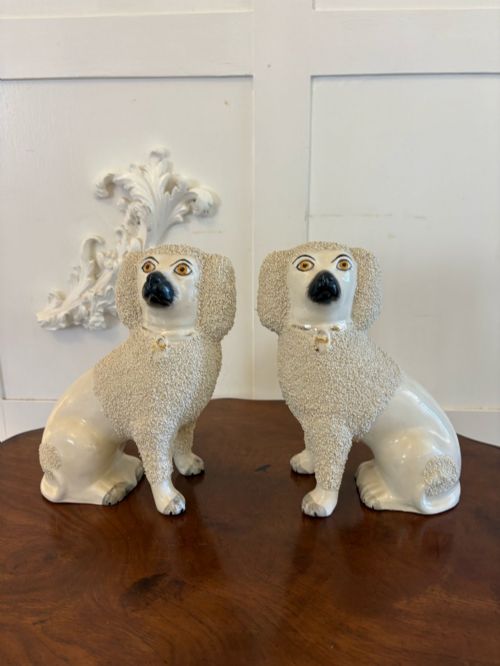
- Earthenware produced in the Potteries region of England, encompassing popular figures like poodles and spaniels. These domestic ornaments were traditionally modelled with hand-painted markings.
- Lost-wax casting
- A metalworking process where a molten metal is poured into a mould that has been created by means of a wax model. The wax is melted and drained away, allowing intricate detail to transfer to the bronze or silver.
Antique Animal Statuette: Frequently Asked Questions
What is an animalier bronze?
An animalier bronze is a sculpture focusing strictly on the realistic or dynamic behaviour of animals. These works gained immense popularity in 19th-century Europe.
Artists aimed to capture beasts in motion or repose, relying on direct observation of wildlife rather than classical human subjects.
How do I care for cold-painted bronze?
Cold-painted bronze requires gentle dusting with a soft, dry brush and must be kept away from direct sunlight and moisture. The delicate paint layers can flake if exposed to liquid or aggressive cleaning agents.
Protecting the surface ensures the original polychrome finish remains intact and stable over decades of display.
Are these silver pieces solid?
Many silver animal figures are cast as solid metal, while others utilise hollow construction methods depending on their scale and weight. Hallmarks stamped onto the surface typically indicate the standard of silver and the assay office of origin.
Examining the underside or base often reveals maker's marks that clarify the manufacturing background.
Where were Vienna bronzes made?
Vienna bronzes were produced primarily in workshops located in the Austrian capital during the late 19th and early 20th centuries. These small-scale figures often depicted birds, reptiles and orientalist subjects.
Foundries such as those operated by Franz Bergman became internationally renowned for their humorous and detailed cold-painted creations.