


Antique Goat Figurines
These antique goat figurines bring small-scale bronze, porcelain and carved wood animalier charm directly to your mantelpiece.
Antique Goat Figurines
Antique goat figurines capture pastoral charm across various decorative forms, including small sculptures, sugar boxes and novelty pin cushions. These pieces span the nineteenth century, Edwardian era and periods like 1900 and 1920, reflecting diverse international tastes from British workshops to continental kilns.
You will encounter pieces modelled in porcelain, cast bronze, sterling silver and lindenwood from the Black Forest. Forms range from utilitarian pin cushions and sugar boxes to decorative pairs after Chelsea models and French animalier sculptors.
How they were made
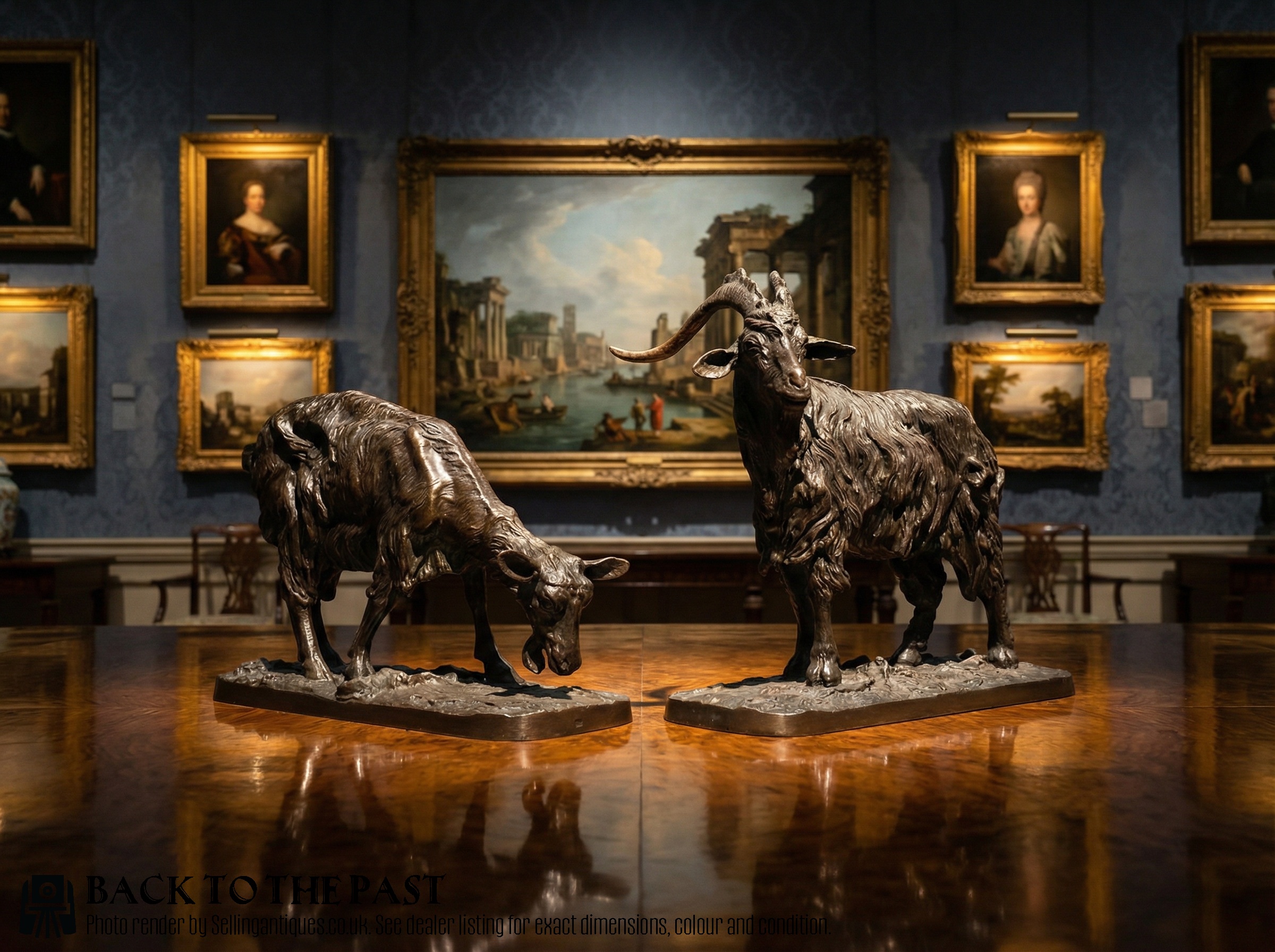
Bronze and silver figures rely on precision metalcasting, often finished with cold-painted polychrome details or chasing. Artisans utilised durable metal alloys to capture realistic textures in fleece, horns and muscular form before applying patination or precious metal plating.
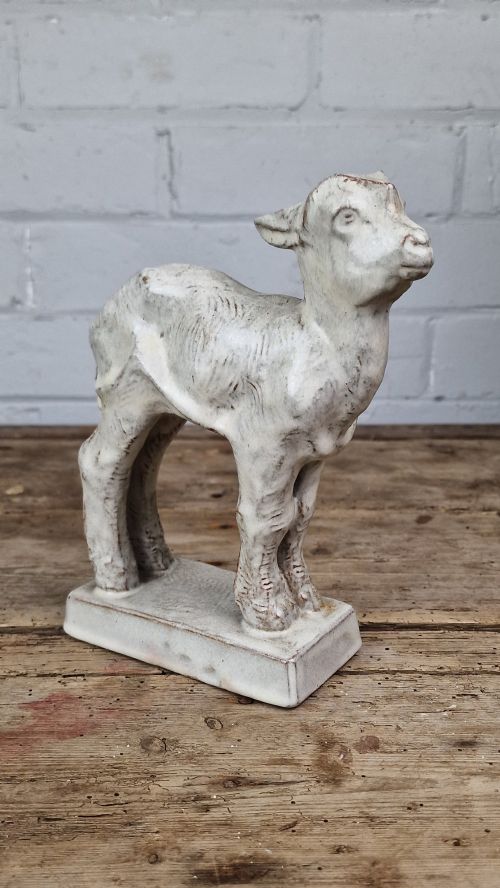
Porcelain examples required meticulous moulding, hand-painting in naturalistic or turquoise glazes, and careful high-temperature firing. Makers such as Edme Samson, Derby and Royal Dux applied delicate enamel colours and gilding to enhance the surface detail of both human and animal figures.
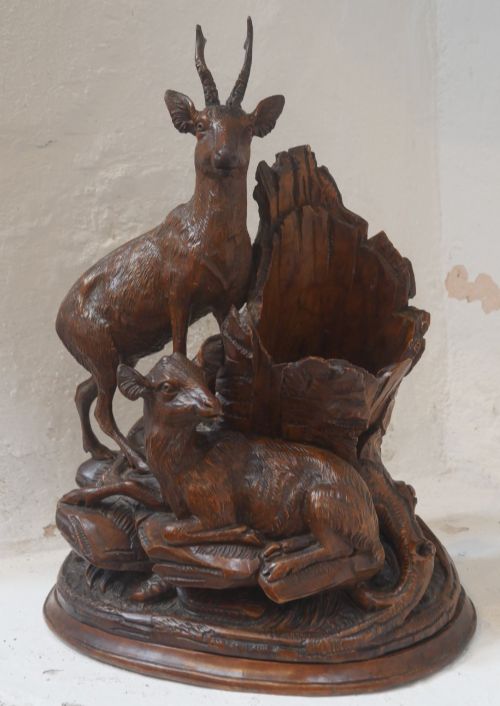
Carved wooden pieces, notably from the Black Forest tradition, utilise lindenwood shaped with hand gouges and chisels. Craftsmen defined the shaggy coats and rocky bases through layered carving and surface staining rather than applied pigments.
Object forms range from utilitarian sugar boxes and sewing pin cushions to decorative mantel sculptures and netsuke.
What varies in quality
The finesse of anatomical modelling separates ordinary decorative items from superior sculptural works. Master modellers and casters captured skeletal tension, realistic horn texture and natural posture rather than relying on stiff, generic animal shapes.
Surface finishing dictates the distinction between standard production and high-end examples. Intricate chasing on silver, carefully layered cold-painting on bronze, and precise hand-brushing on porcelain glazes distinguish the finer workshop output.
Julien Lorieux·Edme Samson·P J Mene·Royal Dux
The Antique Goat Figurines Glossary
- Animalier
- A nineteenth-century artistic movement focused on the realistic depiction of animals. Sculptors in this tradition studied living beasts to render accurate musculature and movement.
- Cold-painted bronze
- Metal sculptures painted with oil or enamel paints after casting, without subsequent firing in a kiln. This technique allowed for vibrant surface decoration on small figures.
- Black Forest
- A style of wood carving originating in the wooded mountain region of Central Europe. These pieces typically feature local fauna rendered in dark-stained lindenwood.
- Pin cushion
- A domestic sewing accessory made ornamental through precious materials like silver or porcelain. Novelty versions transformed functional items into miniature sculptural ornaments.
- Netsuke
- A small Japanese carved toggle used to secure a pouch or basket to a traditional kimono sash. They were frequently carved from wood or ivory into compact figurative shapes.
Antique Goat Figurines: Frequently Asked Questions
What materials were used?
Makers utilised porcelain, bronze, sterling silver and carved lindenwood to create these animal figures. Many incorporate supplementary details such as enamel, velvet or cold-painted surfaces.
Porcelain and bronze predominate among the recorded items, appearing alongside novelty silver pin cushions and traditional wood carvings.
How were pin cushions used?
Novelty pin cushions served a dual purpose as decorative desk ornaments and practical sewing accessories. The padded velvet section held pins while the metal or porcelain base provided a sculptural display piece.
Wealthy households kept these small items in drawing rooms and dressing areas where guests could admire the miniature craftsmanship.
How do I identify Black Forest carvings?
Black Forest carvings are distinguished by their dark-stained lindenwood construction and rustic mountain subjects. They frequently depict animals in naturalistic settings with textured fur and detailed rock bases.
These pieces emerged primarily from nineteenth-century European woodland workshops specialising in decorative domestic ornaments.
What is animalier art?
Animalier art refers to the nineteenth-century focus on realistic animal sculpture. Artists studied anatomy closely to portray beasts with lifelike vigour and natural postures.
Bronze was the preferred medium for this movement, allowing casters to preserve fine muscular detail and dynamic movement.
How should I care for them?
Care depends entirely on the specific material of the piece. Porcelain requires gentle dusting, while cold-painted bronze must be kept away from moisture and direct sunlight to protect the surface paint.
Wooden carvings benefit from occasional dry dusting with a soft brush to prevent dust accumulation in the carved crevices.