
Dark Bronze Animalier
Dark bronze animalier figures capture the muscular energy and fierce naturalism of wildlife, prized for bringing the kinetic power of the natural world indoors.
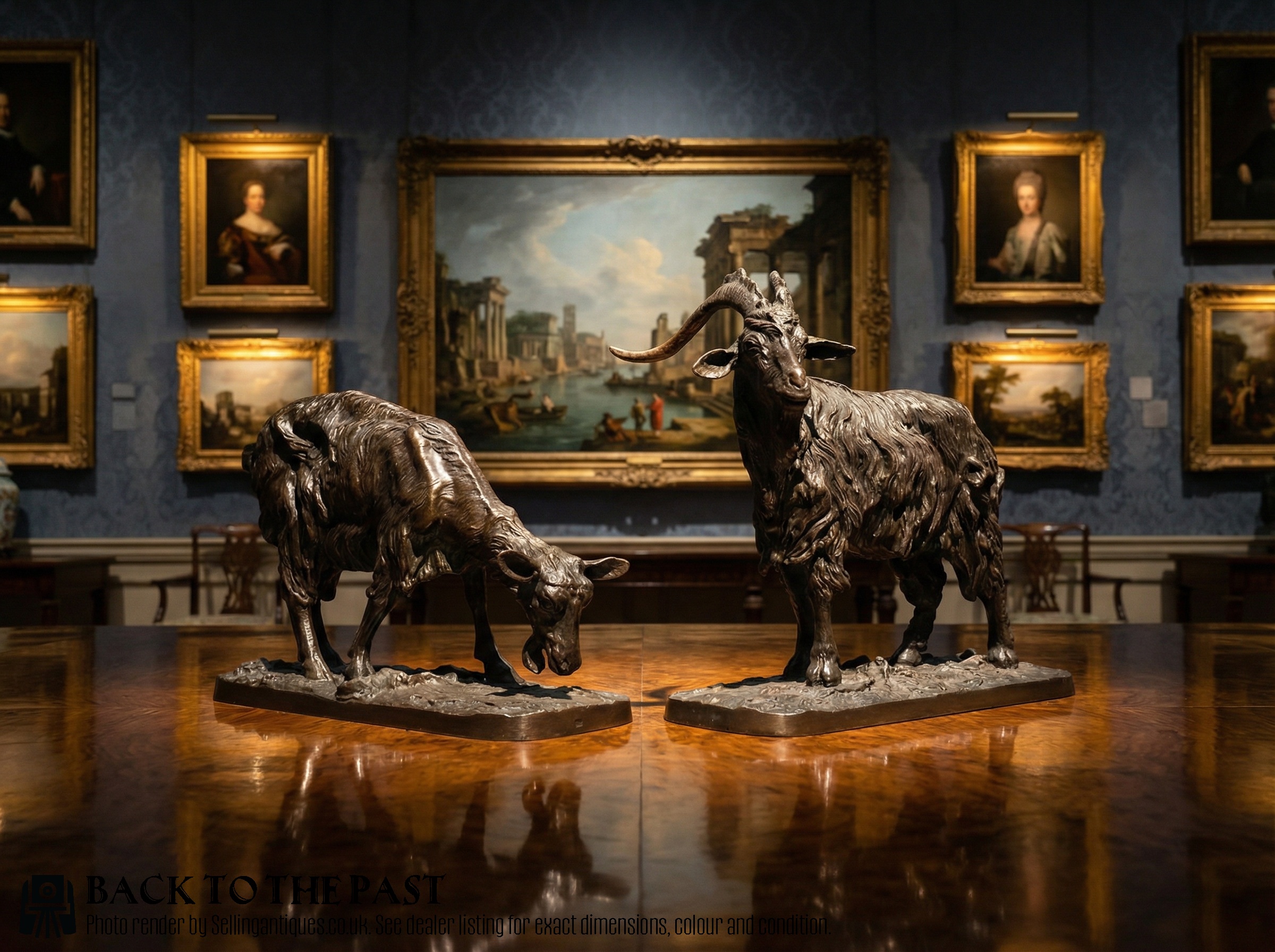
Dark Bronze Animalier
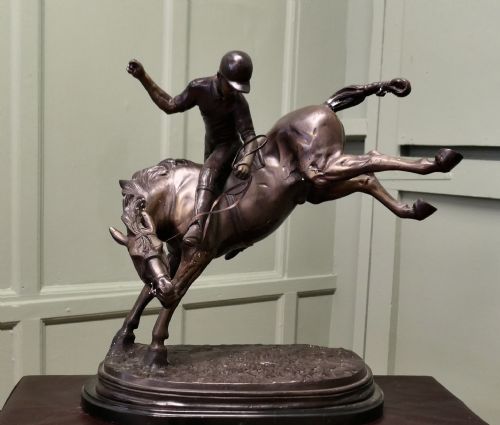
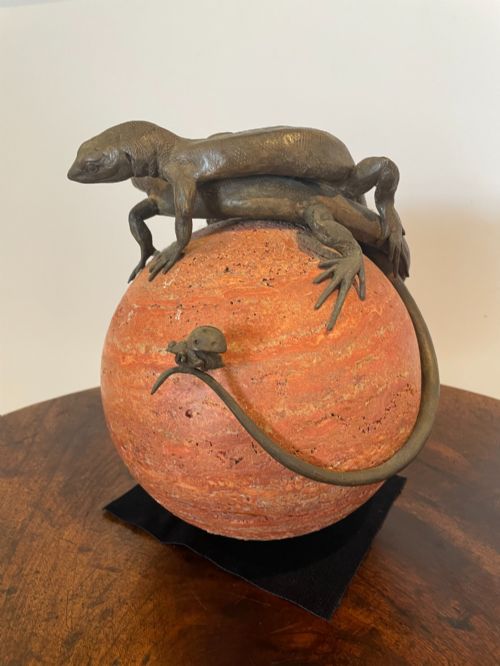
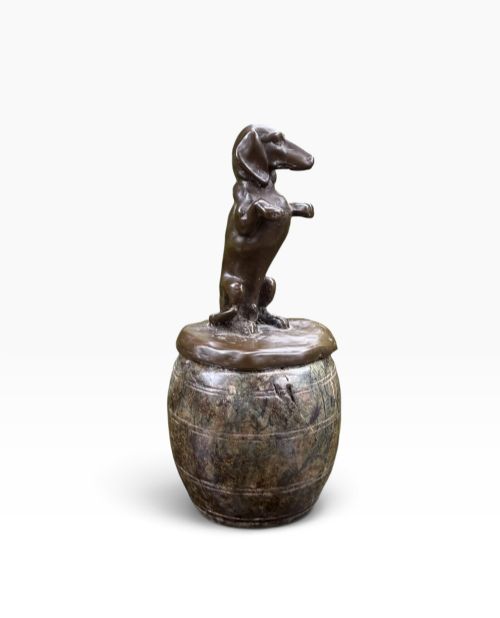
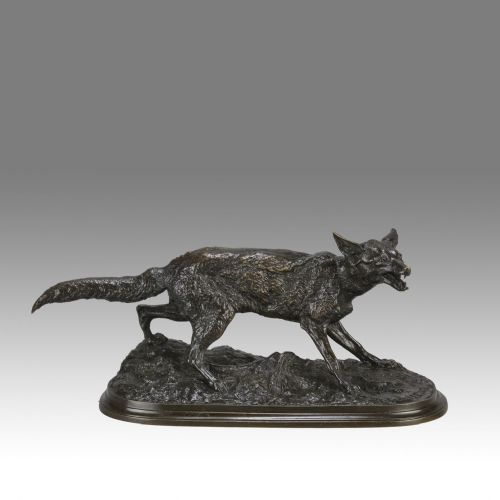
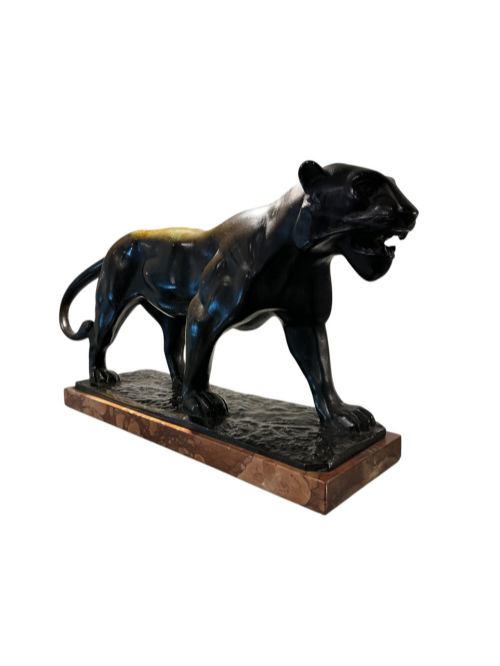
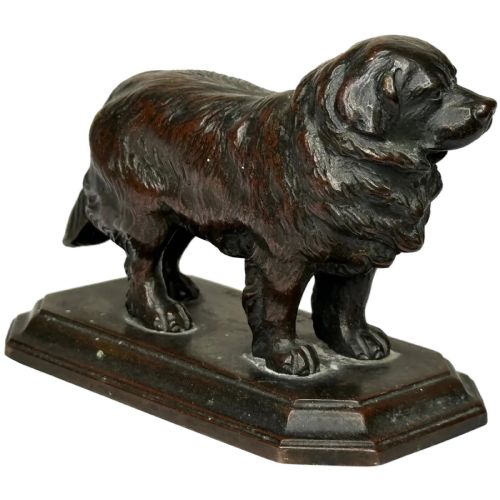
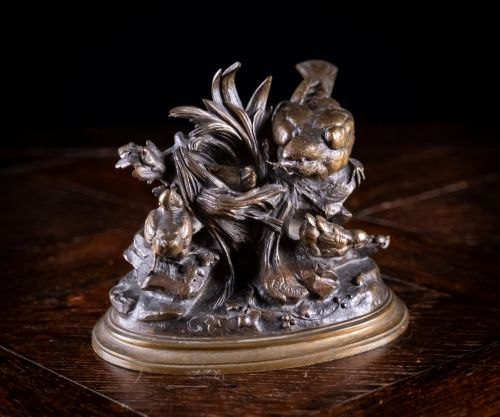
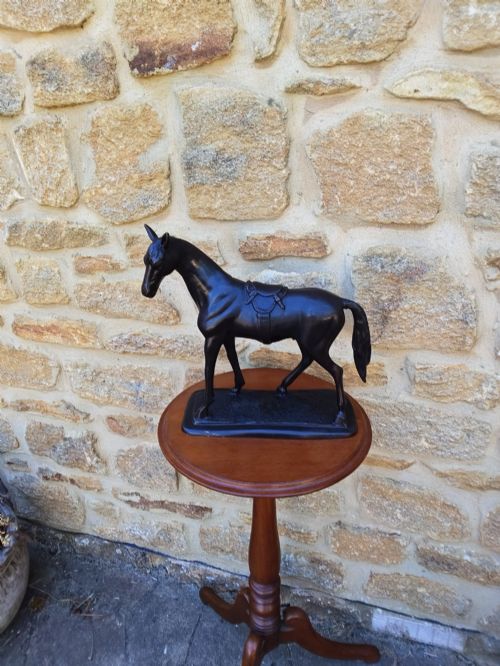
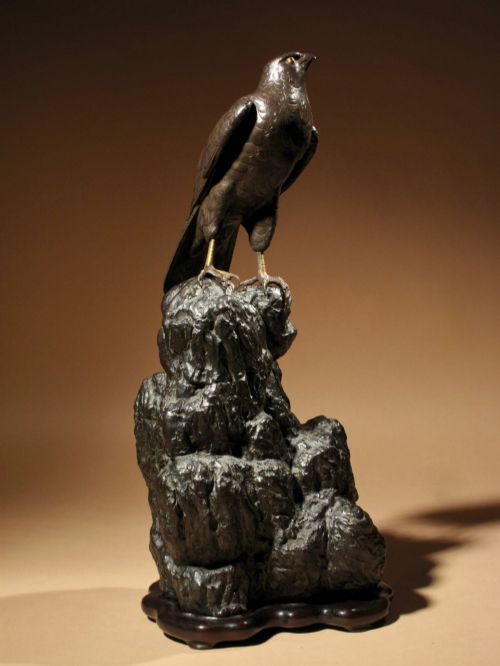
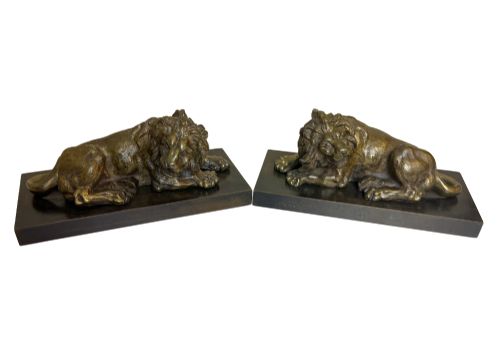
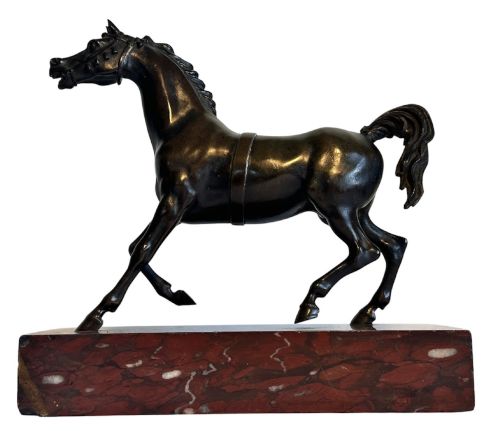
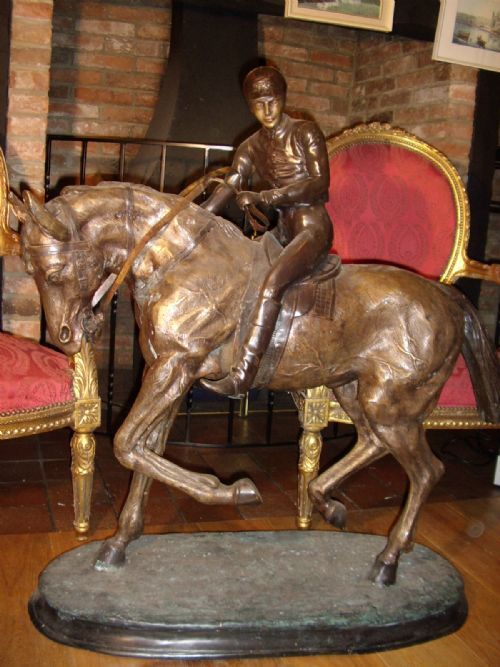
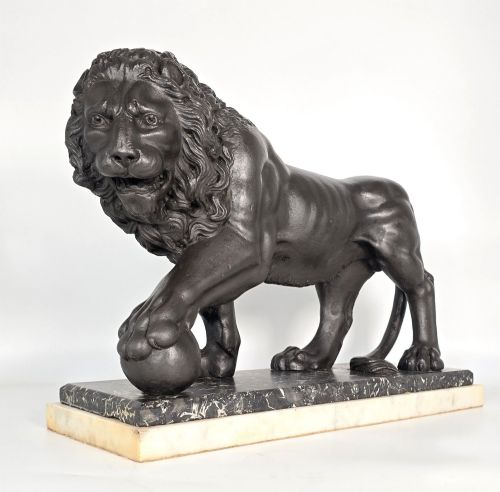
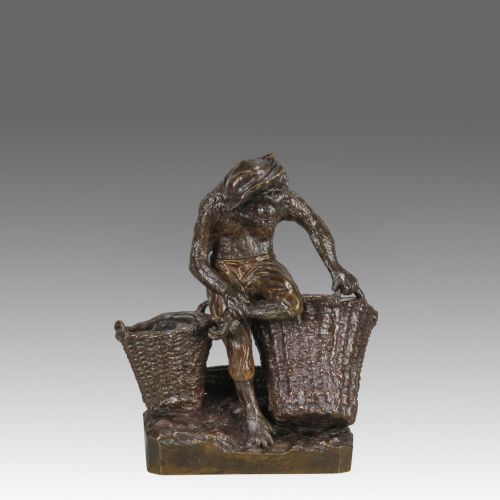
Dark bronze animalier describes realistic metal sculptures of creatures ranging from powerful racehorses and prowling lions to birds, dogs, and lizards. These works emerge predominantly from nineteenth-century French studios and early twentieth-century workshops, capturing anatomy with acute observation.
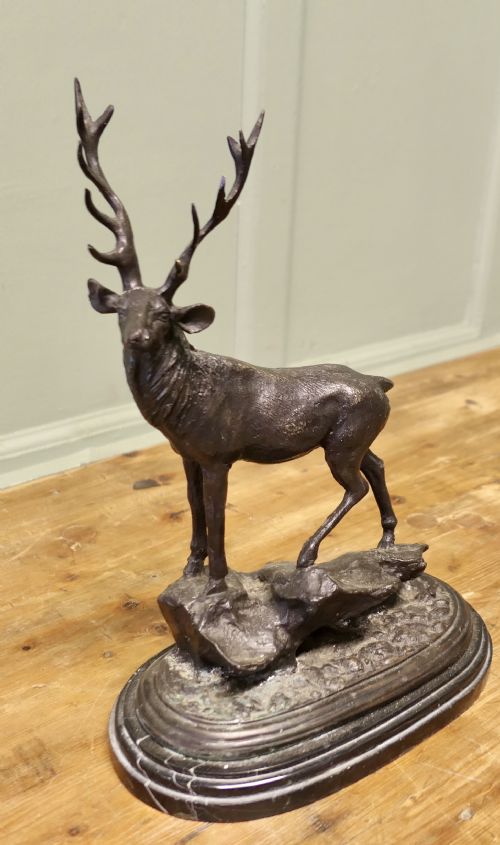
The versions most commonly met on this page are French animalier studies from the nineteenth century, alongside later art deco interpretations. Buyers frequently encounter subjects mounted on marble, onyx, or stone plinths.
Makers focused intensely on movement, depicting dogs in mid-stride, stags poised on rocks, and predators in tension. Subjects extend from domestic hounds and racehorses to exotic creatures like elephants and water buffalo.
How they were made
Foundries utilised the lost-wax casting method to translate clay or wax models into metal. This technique allowed sculptors to retain fine details in fur, musculature, and feathers.
Workers applied patination chemicals to heated metal surfaces to produce dark brown, black, or deep green tones. Bases of marble, onyx, and wood were fitted separately to support the heavy metal forms.
Listings feature periods spanning from the mid-nineteenth century through the 1940s, utilising bronze, marble, ivory, and onyx.
What varies in quality
The sharpness of the chasing work after casting dictates the definition in muscle sinew, facial expression, and animal coats. Weaker examples show blurred textures where finishing tools smoothed away vital anatomical details.
The richness of the chemical patination and the density of the supporting stone base separate standard productions from superior foundry outputs. Heavier, well-proportioned mounts and deeply saturated patinas elevate a piece.
Jules Moigniez·P J Mêne·Christophe Fratin·Alexandre Ouline·Antoine Louis Barye·Alfred Dubucand·Franz Bergman·Prosper Lecourtier
The Dark Bronze Animalier Glossary
- Animalier
- A nineteenth-century artistic movement dedicated to the realistic portrayal of animals. Sculptors in this genre studied living beasts closely in menageries.
- Patinated Bronze
- Metal treated with chemical solutions to alter its surface colour. This process protects the alloy while creating rich dark brown or black tones.
- Cold-Painted Bronze
- Metal painted with natural pigments that were not subjected to high kiln firing. Franz Bergman workshops specialised in this delicate coloured finish.
- Lost-Wax Casting
- A method where a wax model is melted out of a mould to leave a cavity for molten metal. It permits intricate undercuts and complex poses.
- Plinth
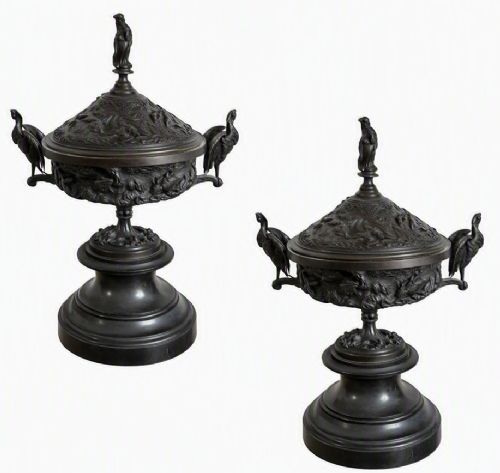
- A heavy block of marble, onyx, or stone supporting the sculpture. These bases provide stability to heavier metal animals and urns.
Dark Bronze Animalier: Frequently Asked Questions
What is an animalier sculpture?
An animalier sculpture is a nineteenth-century artwork focusing on the realistic depiction of animals in motion or repose.
These pieces emphasise accurate anatomy and biological study over decorative abstraction.
How do I clean dark bronze?
Maintenance involves dusting with a soft dry cloth to protect the chemical patina.
Harsh chemical polishes or abrasive pads should be avoided entirely to preserve the original surface finish.
Why are marble bases used?
Marble and onyx bases provide essential physical counterweight for dense metal animal figures. They also frame the sculpture cleanly when displayed on furniture.
What periods do these pieces span?
The works originate largely across the nineteenth century and extend into the early twentieth century.
Victorian animalier and art deco pieces represent the primary chronological brackets.