





Antique African Art
Antique african art gathers carved wooden figures, cast bronzes and ceremonial weaponry from diverse regions and periods.
Antique African Art
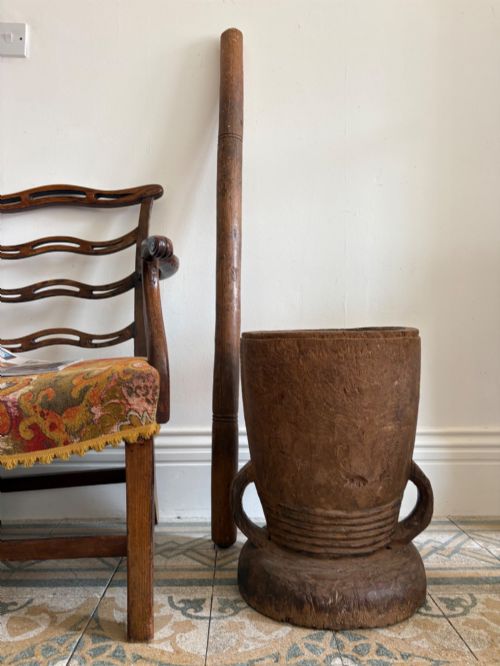
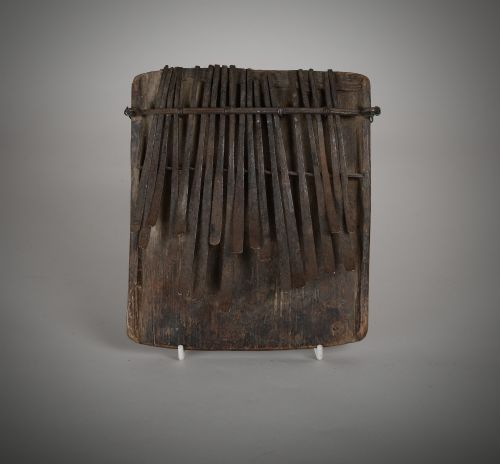
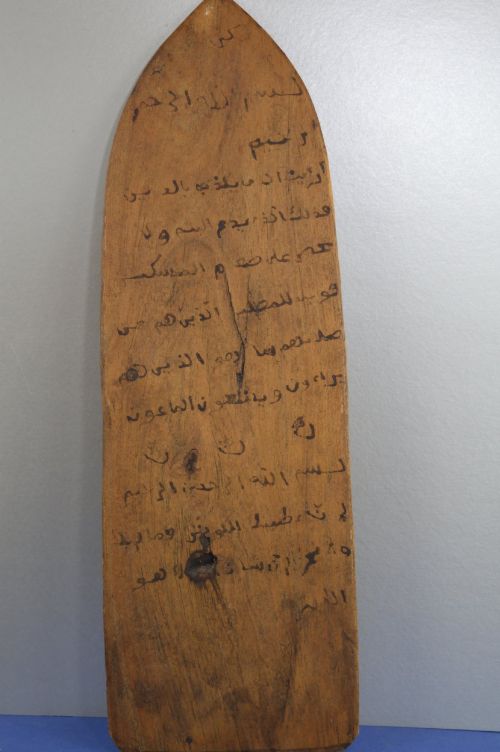
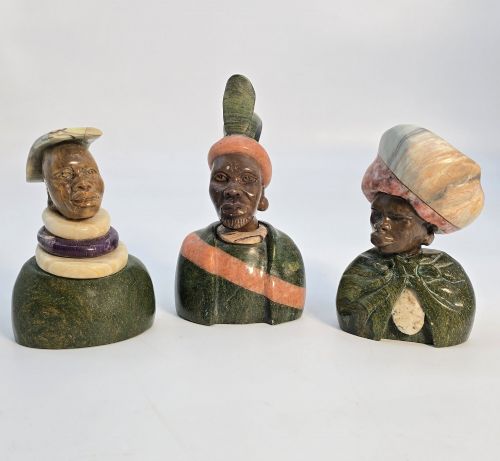
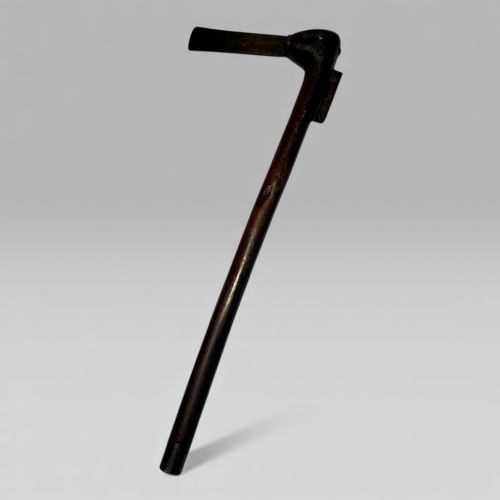
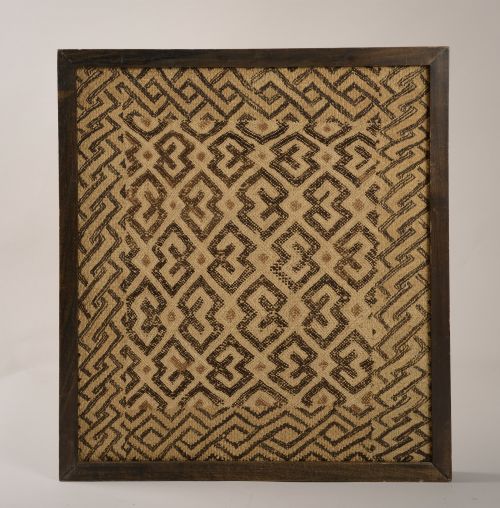
Buyers exploring antique african art encounter a wide spectrum of traditional objects, from wooden tribal masks and figurative statues to metal staffs and functional utensils. The selection ranges extensively across regional cultures, capturing distinct artistic traditions from across the continent.
Most pieces appearing on this page belong to the nineteenth and early twentieth centuries, reflecting traditional craftsmanship that served ritual, social or utilitarian roles within various communities. Common forms include carved wooden figures, brass and bronze sculptures, and everyday items fashioned with decorative detail.
Materials and methods of production
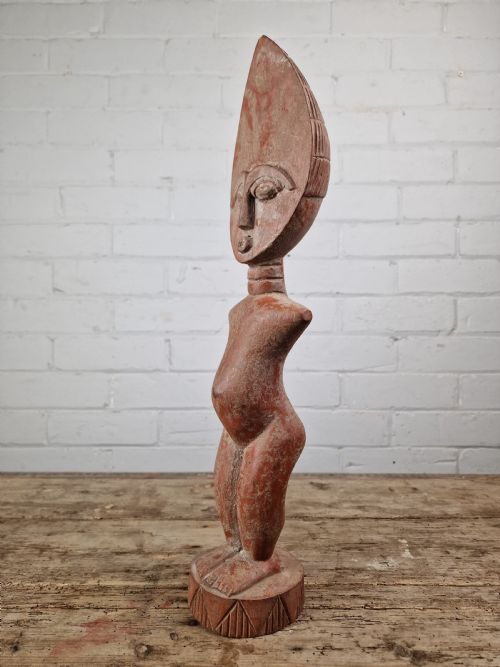
Makers utilised local timbers and dense hardwoods for sculptural works, shaping tree trunks and branches with hand-held cutting tools to produce figures, masks and domestic objects. These wooden pieces frequently display surface patination developed through handling and age.
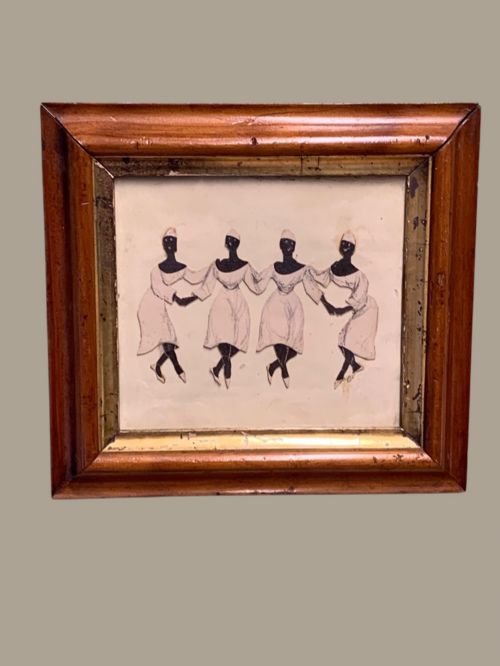
Metalwork forms such as bronzes and brass items relied on traditional casting techniques, producing heavy statues, pots and figurative staffs with intricate surface detailing. Additional materials like bone, iron, fibre and paper appear across specific weapon, mask and artwork categories.
Warthog masks and fighting wrist knife bracelets bring unexpected animal and defensive utility into the mix.
Factors influencing quality
Condition and originality play a significant part in assessment, particularly regarding surface wear, native repairs and the integrity of the material over time. Pieces retaining clear evidence of traditional use and uncompromised structural form command greater appreciation.
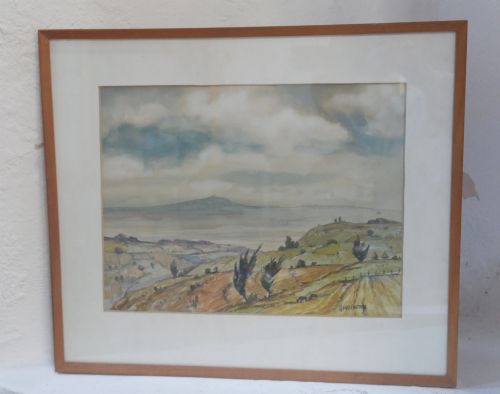
Abegunde of Ede
The Antique African Art Glossary
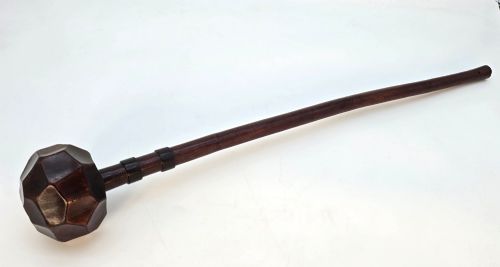
- Knobkerrie
- A traditional southern African club featuring a heavy rounded head mounted on a wooden shaft, used historically for hunting and combat.
- Récade
- A ceremonial axe associated with West African royalty, functioning as an emblem of authority and messenger status.
- Ibeji
- A wooden figure carved by Yoruba communities to honour twins, representing the spirit of a deceased child with distinct hairstyle and body markings.
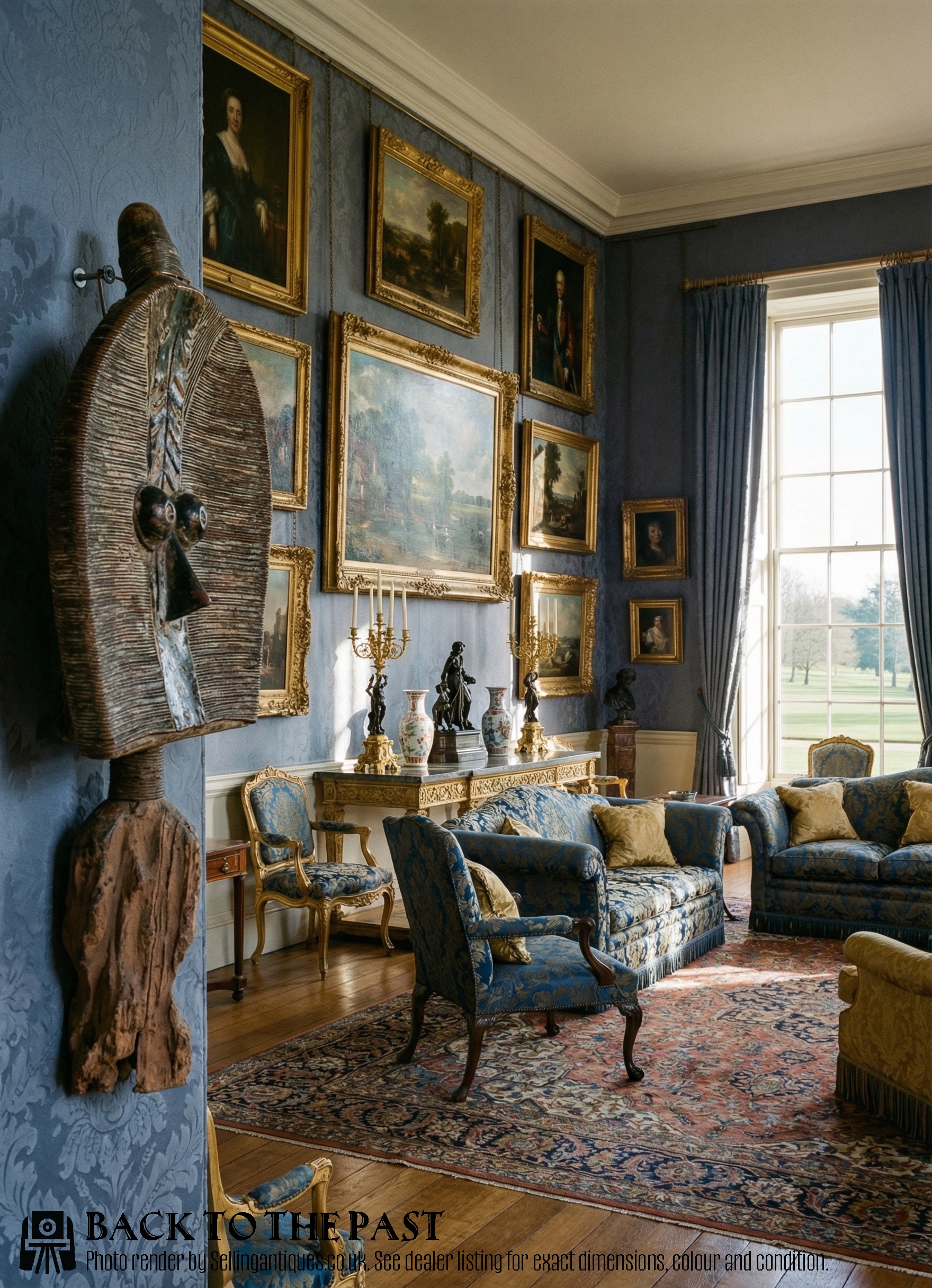
- Kifwebe
- A ceremonial mask produced by the Songye people, characterised by striking linear groove patterns and stark geometric forms.
- Patina
- The surface sheen and colour acquired by wood, metal or other materials through age, handling and environmental exposure.
Antique African Art: Frequently Asked Questions
What is antique african art?
Antique african art encompasses traditional sculptures, masks, metalwork and functional objects created by indigenous African communities during the nineteenth and early twentieth centuries.
These items served spiritual, ceremonial or daily functions within their originating societies before entering collections as examples of cultural heritage.
How were tribal masks used?
Tribal masks were worn during ritual dances, community ceremonies and agricultural festivals to connect with ancestral spirits or natural forces.
Performers combined the masks with textiles and body adornment to embody specific cultural entities during important tribal events.
How do I care for wooden carvings?
Wooden carvings require stable indoor humidity levels and protection from direct sunlight to prevent timber shrinkage and surface cracking.
Gentle dusting with a soft, dry cloth is sufficient for maintenance, avoiding liquid cleaners or harsh polishing products.