





African Ethnographic Art
African ethnographic art gathers carved wood figures, iron weaponry and ritual objects spanning the nineteenth and early twentieth centuries.
African Ethnographic Art
African ethnographic art encompasses ritual artefacts, traditional weaponry, carved panels and tribal sculptures originating from various regions across the continent. When exploring African ethnographic art, expect to encounter nineteenth-century pieces alongside early twentieth-century examples shaped by distinct cultural traditions.
How they were made
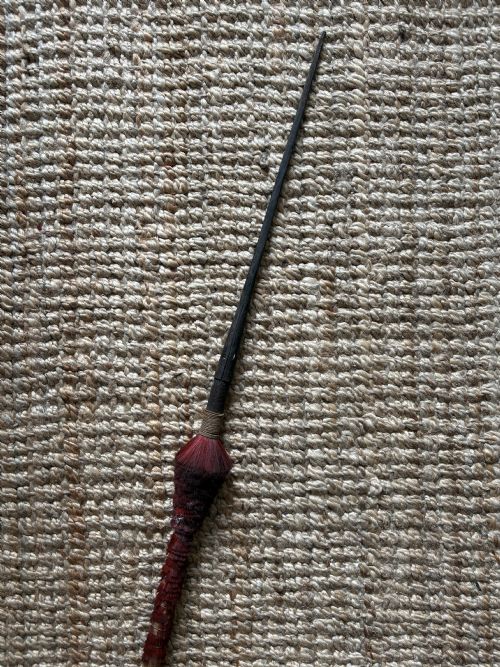
Carved wood forms the backbone of these pieces, often worked from dense hardwoods and finished with natural pigments, fibres or patinated surfaces. Metal elements such as iron and bronze appear in forged weaponry and cast sculptural busts.
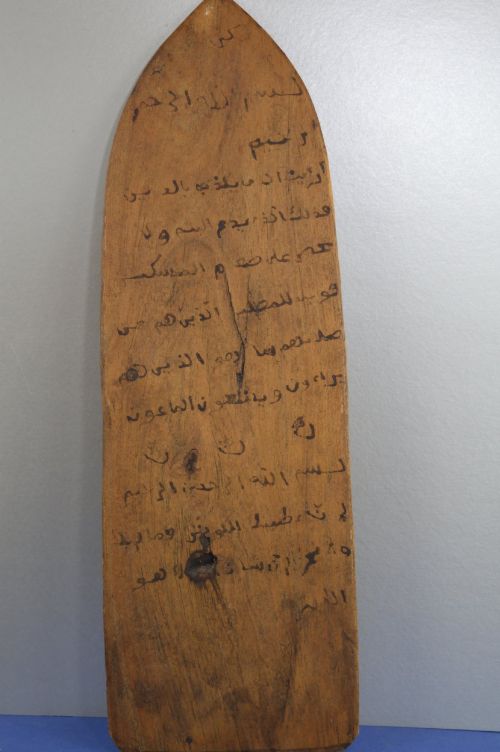
Makers utilised traditional hand tools to shape bone, leather and wood, occasionally incorporating ink for script on wooden prayer boards or producing printed lithographs on paper.
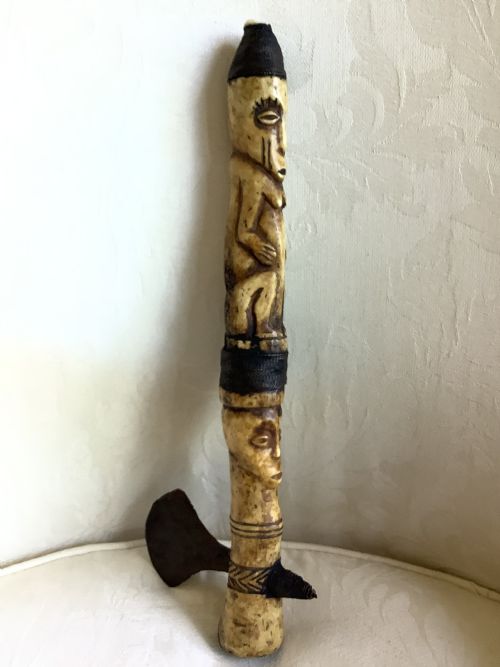
Available forms include ritual figures, prayer boards, weaponry and ceremonial axes originating from various African regions.
What varies in quality
The standard of carving and the fidelity of cultural expression separate ordinary examples from finer works. Mastery in handling materials like hardwood and bronze defines the depth of detail in figures and masks.
Surface integrity, original patination and the survival of organic additions such as fibre, leather and pigment heavily influence the overall character and authenticity of each piece.
The African Ethnographic Art Glossary
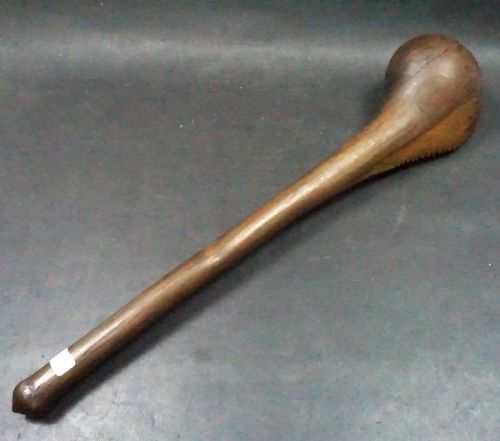
- Knobkerrie
- A traditional Southern African wooden club featuring a heavy knob at the striking end of a shaft, used for both combat and hunting. They are typically fashioned from dense hardwoods.
- Prayer board
- A wooden board bearing Islamic script in ink, utilised in Mali for Koranic studies and spiritual reflection. These boards show the cultural intersection of trade and religion.
- Tribal art
- Creative output originating from indigenous communities outside the Western academic tradition, encompassing ritual and utilitarian objects. The category highlights cultural heritage through sculpture and craftsmanship.
African Ethnographic Art: Frequently Asked Questions
What defines African ethnographic art?
African ethnographic art comprises cultural objects created by indigenous communities for ceremonial, spiritual, utilitarian or decorative purposes. These works reflect the specific traditions, materials and beliefs of regions such as West, East and Southern Africa.
The category ranges from carved wood figures and ancestral reliquary guardians to forged iron weapons and bronze sculptural busts.
How are different regional styles identified?
Regional styles reveal themselves through distinct sculptural forms, carving techniques and materials characteristic of particular peoples or areas. For instance, Gabonese pieces often feature specific facial stylisation on figures, while East African items might showcase functional ironwork.
Examining the wood type, surface pigment and method of construction helps connect an object to its cultural origin.
What materials were commonly utilised?
Makers relied heavily on native hardwoods, iron, bronze, bone and leather, often finishing surfaces with natural pigments or fibre attachments. Organic materials like vegetable dye bristles and ink also appear on specific pieces.
The choice of material typically depended on whether the object served a ritual, martial or domestic function within the community.
How should these artefacts be displayed?
These pieces require stable indoor environments away from direct sunlight and sharp fluctuations in humidity to preserve organic materials like wood, fibre and leather. Wall panels, sculptures and weapons benefit from secure mountings that respect their structural integrity.
Allowing sufficient space around each object highlights its form and historical context within a room.