




Carved Wooden Tribal Figurine
These carved wooden tribal figurine examples range from nineteenth-century figures to nineteen-thirties pieces, offering authentic regional forms for your collection.
Carved Wooden Tribal Figurine
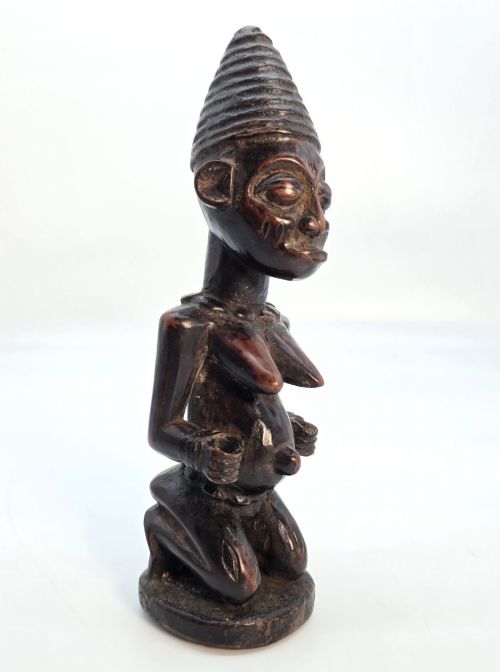
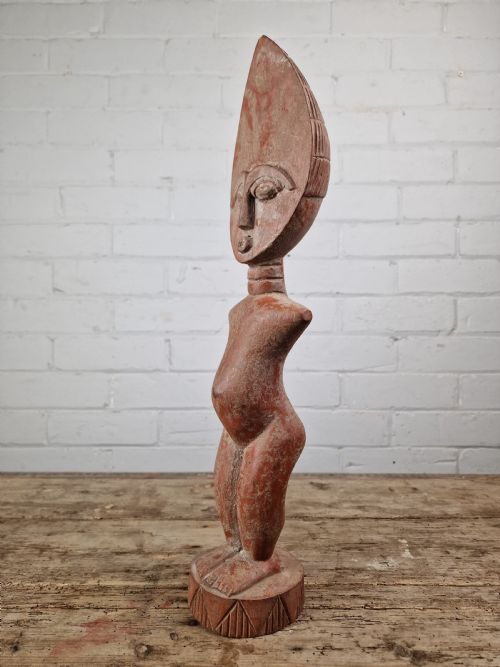
A carved wooden tribal figurine represents cultural and sculptural traditions from various global regions, appearing here in forms such as fertility figures, warriors, dancers, and ancestral representations. You will encounter pieces originating from specific traditions including Yoruba, Edo, Fante, and Maasai cultures, alongside Indonesian and Burmese examples.
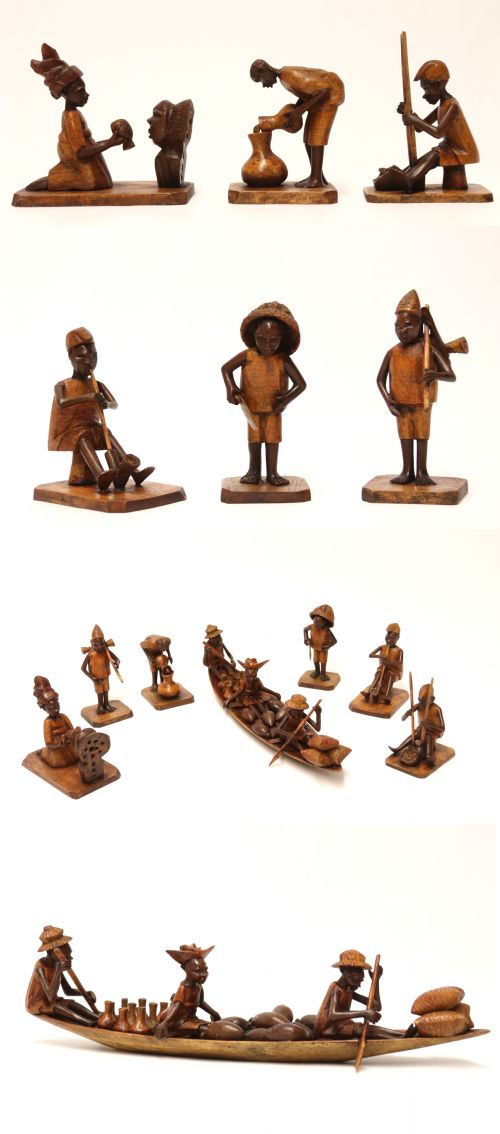
The selection encompasses sculptures created during the nineteenth and early twentieth centuries, spanning periods from eighteen-eighty to nineteen-thirty. These objects range from single standing statues and seated pairs to articulated figures and carved animal studies in hardwood.
Makers and master carvers produced these works using traditional hand-carving methods, frequently enhancing the wood surfaces with pigment, paint, bone, or lacquer. The resulting items function as regional artworks and cultural artefacts rather than purely decorative items.
How they were made
Surface finish is achieved through natural patina, applied lacquer, or traces of original polychrome paint, reflecting the handling and ritual use of the objects over generations. Master carvers demonstrated proficiency in anatomical proportion and regional artistic conventions, whether creating a Yoruba pair seated on stools or a Burmese Nat statue.
Listings feature hardwood sculptures and carved wooden figures spanning the nineteenth century and the nineteen-thirties.
What varies in quality
Sculptural definition and the precision of hand-carved details separate standard tribal carvings from superior works attributed to recognised master carvers. The depth of expression, fidelity to traditional regional iconography, and the integrity of the original wood grain dictate the aesthetic standing of each piece.
Preservation of original surface treatments, including authentic pigment, paint, and aged patina, distinguishes well-maintained examples from those with extensive modern alterations. The strength of the composition and the fluency of the carving define the visual presence of the sculpture.
Master carver Abegunde of Ede
The Carved Wooden Tribal Figurine Glossary
- Hardwood
- Dense timber derived from broad-leaved trees, utilised by carvers for durable sculptural integrity. It resists splitting and holds fine chisel work.
- Patina
- The surface sheen and colour acquired by wood through age, handling, and environmental exposure. It serves as an indicator of genuine antiquity.
- Pigment
- Coloured powder applied to the wooden surface for ritual or decorative effect. These mineral and organic colorants often survive in recessed areas.
- Ibeji
- A carved wooden figure created within Yoruba culture to represent a deceased twin. These sculptures receive ritual care and display distinct regional carving styles.
Carved Wooden Tribal Figurine: Frequently Asked Questions
What materials are used in these sculptures?
The primary material is hardwood, selected for its density and durability in traditional carving.
Surfaces are frequently enhanced with applied pigment, paint, bone inlay, or natural lacquer, preserving the original aesthetic intent.
How should I care for wooden tribal art?
Keep wooden sculptures away from direct sunlight and fluctuating heat sources to prevent the wood from drying and splitting.
Maintain stable indoor humidity and dust the surface gently with a dry, soft cloth rather than using liquid polishes.
Are these figures from the nineteenth century?
The selection includes pieces dated from the nineteenth century through to the nineteen-thirties.
Stylistic markers, tool marks, and the presence of genuine aged patina help distinguish the nineteenth-century examples from later twentieth-century works.