

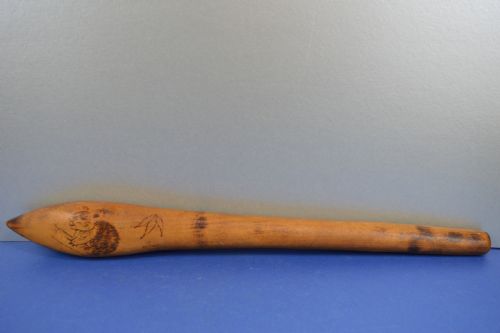

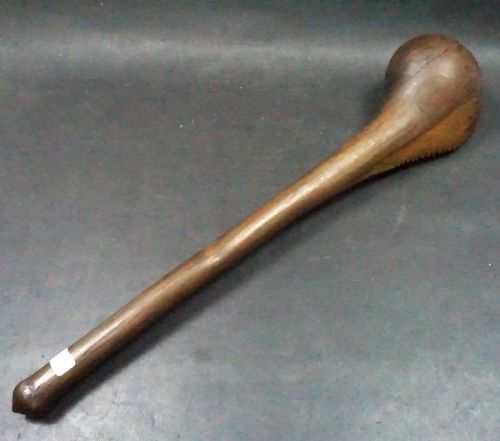


Antique Tribal Weapon
An antique tribal weapon carries the grit of distant conflict and ceremony, drawing collectors who value authentic craftsmanship.
Antique Tribal Weapon
When searching for an antique tribal weapon, buyers encounter functional implements and ceremonial gear from African, Oceanic, Indigenous Australian, and Asian cultures. These pieces span the eighteenth, nineteenth, and early twentieth centuries, reflecting diverse martial traditions worldwide.
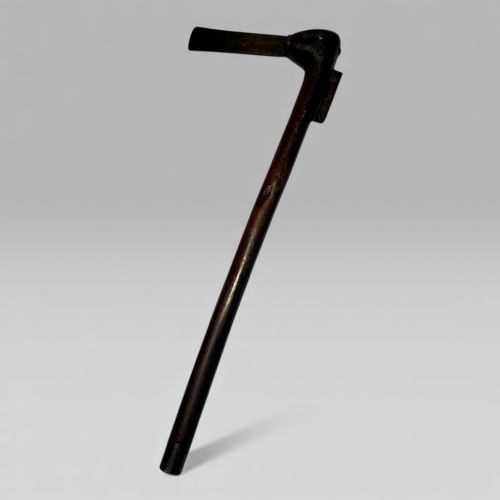
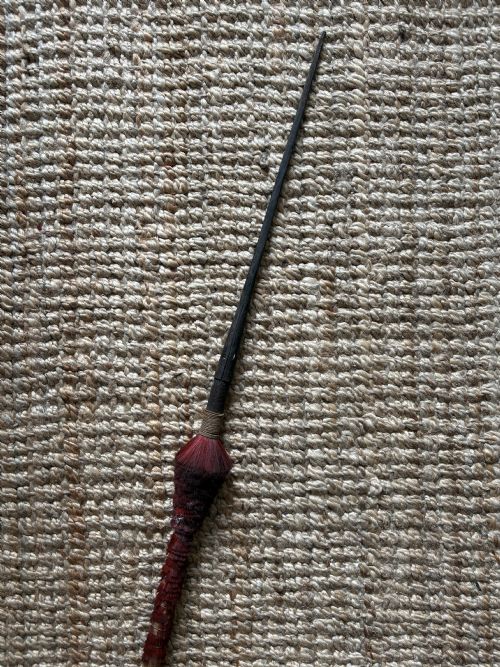
The selection on this page centres heavily on nineteenth-century artefacts, ranging from African iron spears and Zulu knobkerries to Oceanic war clubs and Himalayan Kukris. Each form embodies the specific utilitarian or ritual requirements of its maker.
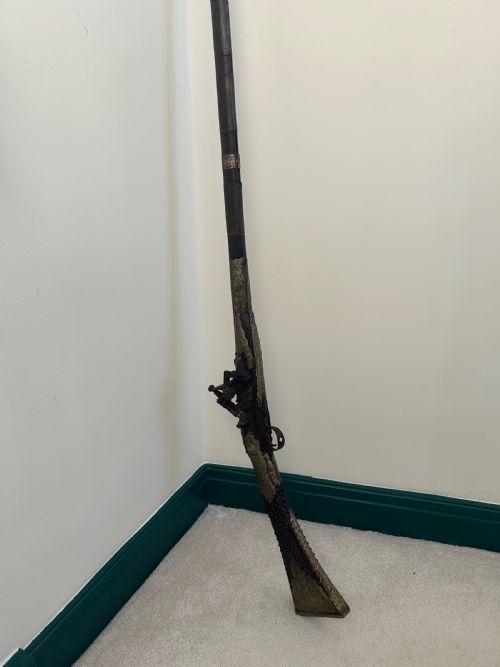
Forms include throwing clubs, daggers, axes, matchlock and flintlock firearms, and specialised implements like spear throwers and wrist knives. Such diversity reveals the varied methods different societies developed for hunting, combat, and status display.
Materials and construction methods
Makers utilised dense local hardwoods, forged iron, and steel to fashion durable shafts and blades. Natural additions such as bone, leather, brass, and vegetable dye bristles frequently appear on handles and scabbards.
Blades and metal components rely on traditional smithing techniques, while wooden clubs and shafts display skilled carving and shaping. The integration of organic materials demonstrates a reliance on readily available resources.
Assessing quality in traditional weaponry
Quality rests upon the integrity of the materials and the purposeful balance of the form. A well-balanced throwing club or a finely forged dagger blade shows the maker's mastery over iron, steel, or hardwood.
The presence of original fittings, scabbards, and native embellishments elevates an artefact's standing. Evidence of authentic use and period wear further distinguishes pieces shaped for genuine purpose from later commercial copies.
The Antique Tribal Weapon Glossary
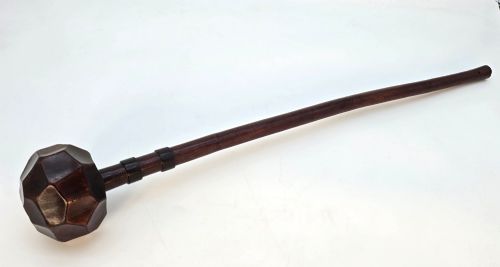
- Knobkerrie
- A traditional Southern African wooden club featuring a heavy bulbous head used for hunting and combat. These implements were carved from hard woods to maximise impact.
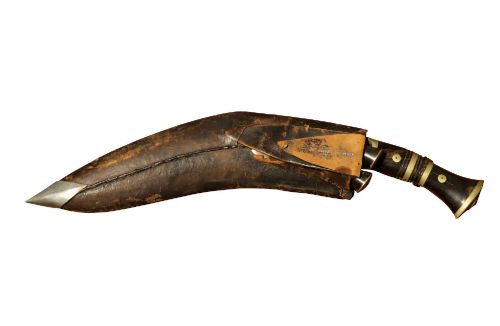
- Kukri
- A heavy, curved Nepalese knife utilised both as a tool and a combat weapon. It typically includes smaller companion blades housed within the main scabbard.
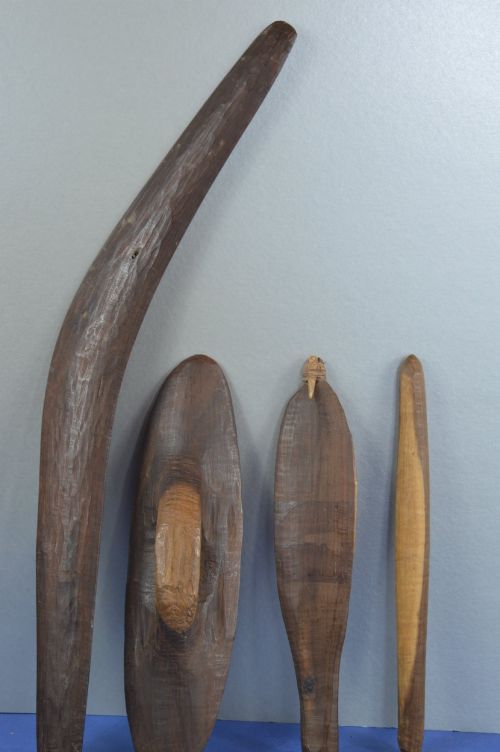
- Woomera
- An Australian Aboriginal spear-thrower that acts as an extension of the arm to increase leverage and velocity. They often double as carrying vessels or percussion instruments.
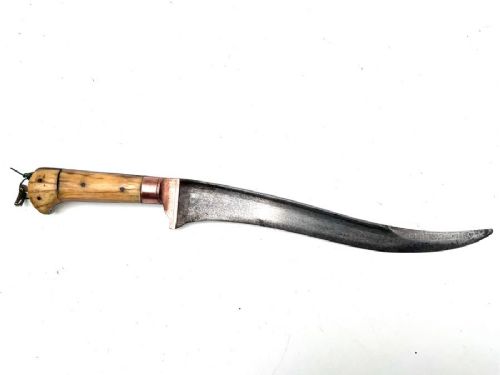
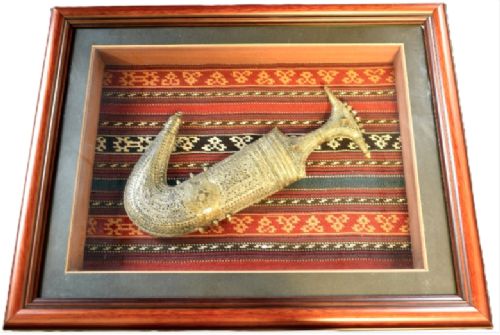
- Jambiya
- A traditional short dagger with a curved blade worn by men in regions like Yemen and parts of the Middle East. Handles frequently feature decorative silver repousse framing.
- Matchlock
- An early type of firearm that uses a match or slow-burning wick to ignite the gunpowder charge. These mechanisms represent some of the earliest portable firearms encountered.
Antique Tribal Weapon: Frequently Asked Questions
How do I care for antique wooden weapons?
Keep wooden clubs and spears away from direct sunlight and dramatic humidity changes to prevent the timber from splitting. A light application of microcrystalline wax can protect dry surfaces without harming the historic material.
Avoid using modern chemical polishes or soaking metal components in water. Gentle dusting with a soft, dry cloth is usually sufficient to maintain the condition of the piece.
Were these items used in actual combat?
Many items listed, such as fighting clubs, spears, and daggers, show clear signs of functional design and period wear consistent with active use. Others served primarily ceremonial or status roles within their communities.
Examining the weight, balance, and wear patterns helps determine whether a specific weapon was intended for martial engagement or ritual display.
How can I tell the age of a tribal weapon?
Dating relies on material analysis, tool marks left by period smiths or carvers, and documentation of the specific cultural style. Nineteenth-century pieces often display hand-forged steel and native patina accumulated over generations.
Comparing construction methods against known regional examples helps establish a reliable timeframe for manufacture.
Are original scabbards important?
Original scabbards and companion knives significantly enhance the completeness and historical value of edged weapons like kukris and daggers. They provide insight into the complete functional unit as carried by its original owner.
Finding matching leather or metal housing from the same period is uncommon, which makes intact sets particularly desirable for collections.