


Antique Adjustable Chair
An antique adjustable chair brings mechanical ingenuity into domestic life, offering tailored comfort through clever pivots, screws and ratchets.
Antique Adjustable Chair
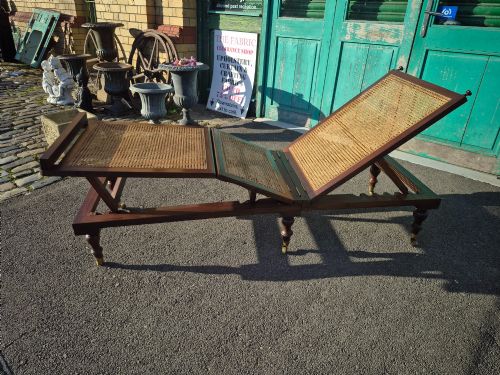
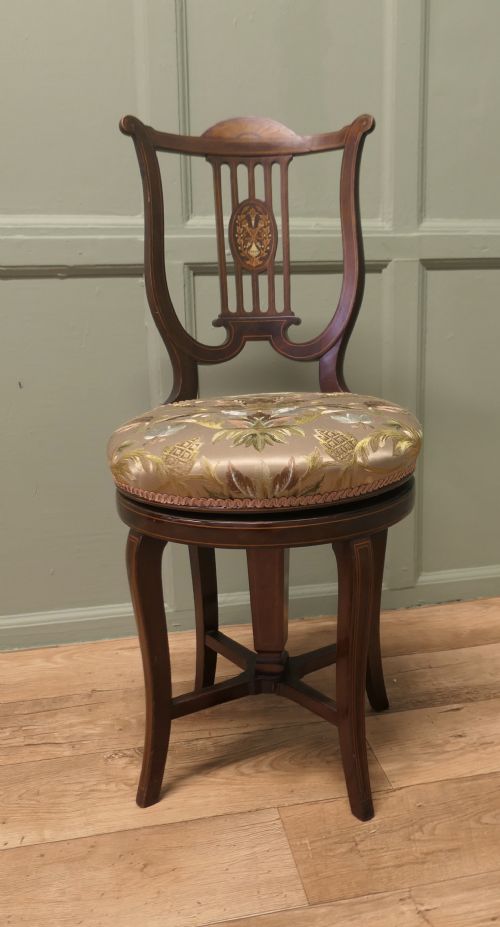
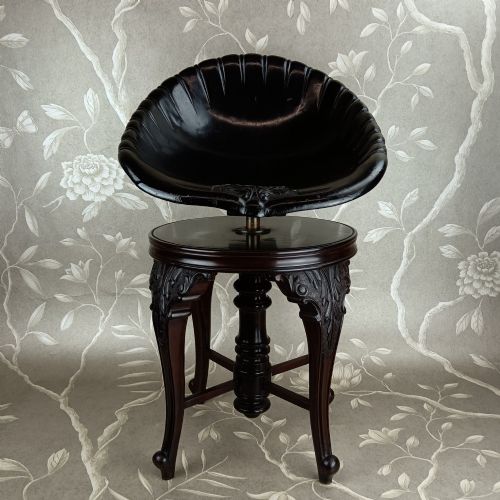
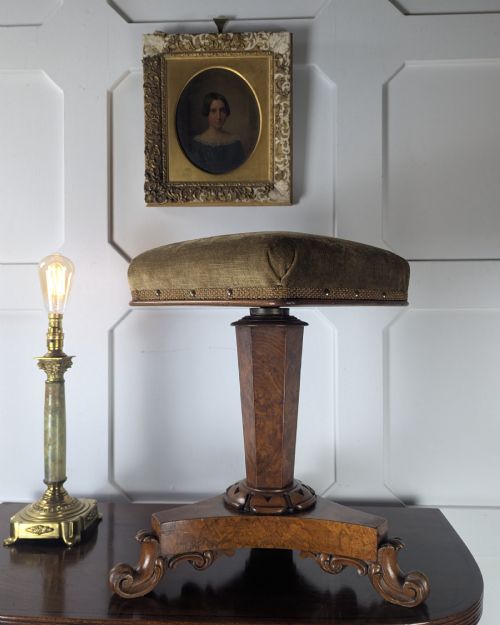
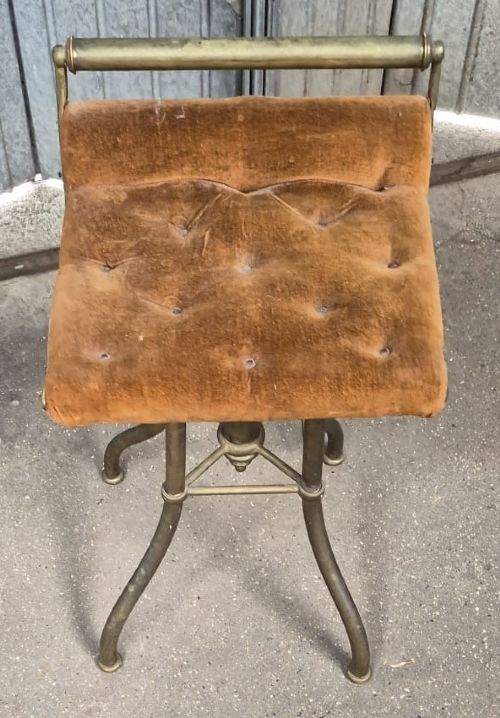
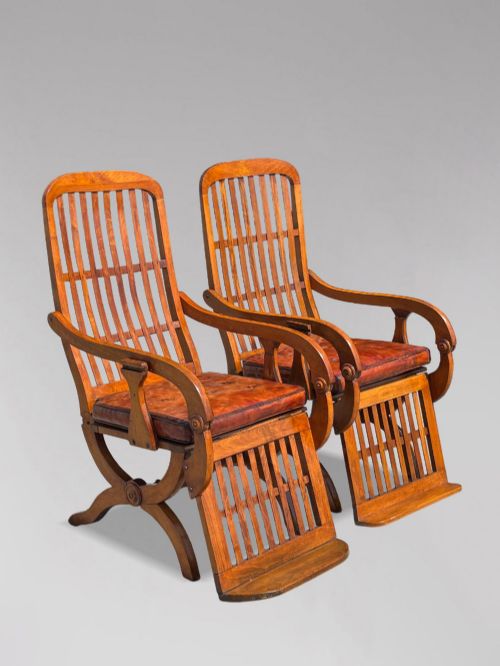
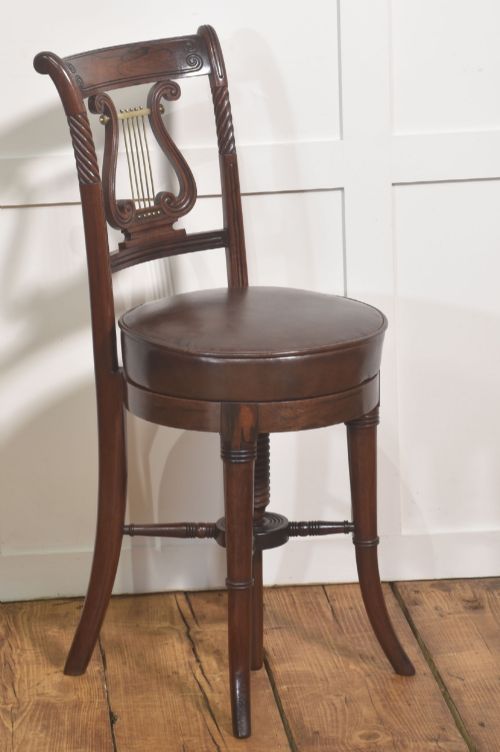
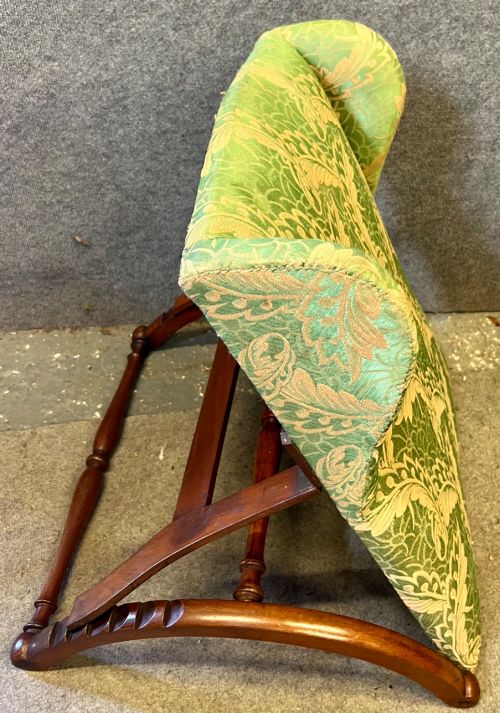
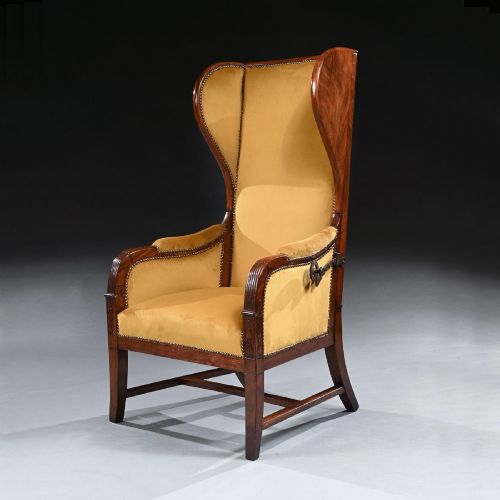
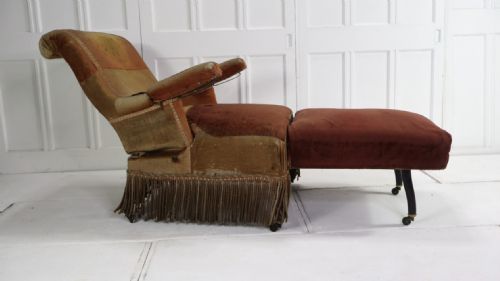
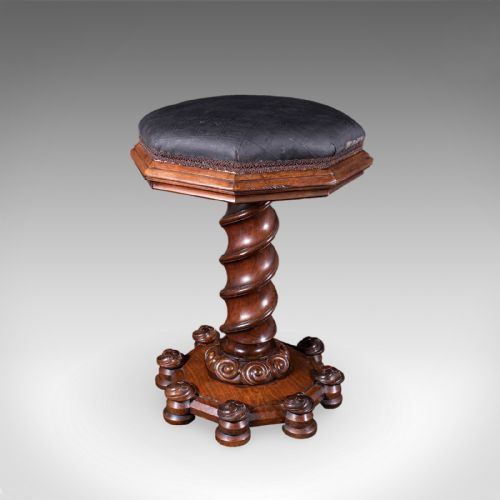
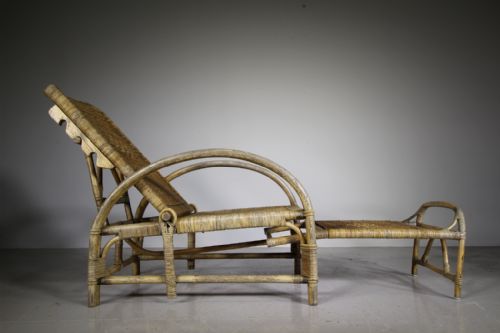
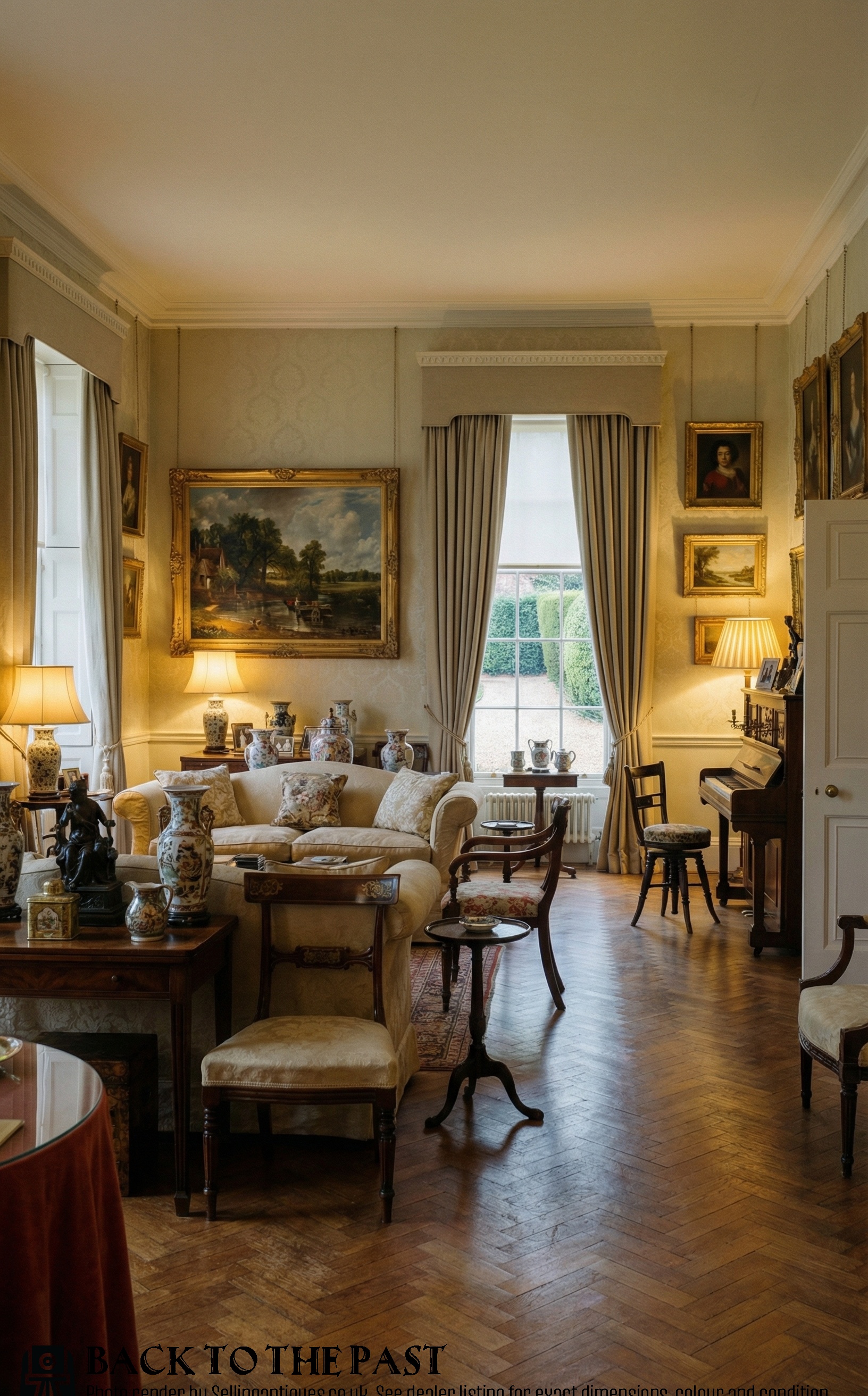
When you search for an antique adjustable chair, you encounter a surprisingly diverse group of seating designed for specific tasks, from the musical parlour to the study. Piano stools, music chairs and revolving desk seats dominate the selection, alongside larger reclining armchairs and campaign day beds.
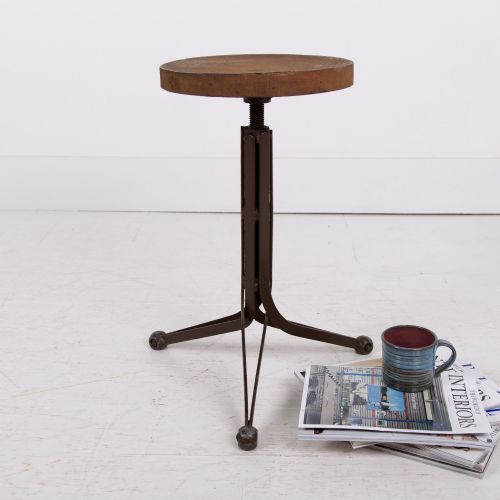
The Victorian and Regency periods provide the largest share of these pieces, often constructed in mahogany, walnut or rosewood with revolving mechanisms or rise-and-fall screws. Alongside these domestic iterations, early twentieth-century industrial workshop chairs and wicker garden loungers appear with cast iron and oak frames.

How they were made
Upholstery methods varied by function, ranging from tightly stuffed leather pads on office chairs to velvet and fabric on music stools and day beds. Cast iron structures emerged in later industrial pieces, combining with bentwood or elm to support swivelling and tilting actions.
Listings feature adjustable seating spanning the Georgian, Regency, Victorian, Edwardian and Art Deco periods, alongside 1930s industrial designs.
What varies in quality
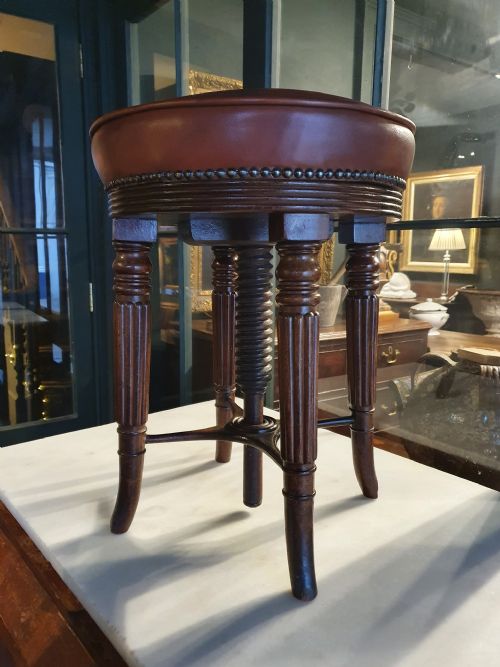
The distinction between ordinary production and superior work rests entirely on the execution of the mechanical parts and the crispness of the timber carving. A top-tier revolving music stool moves smoothly on its brass screw without lateral play, whereas lesser examples suffer from worn threads and wobbling seats.
Finer pieces display integrated design where adjustment levers, ratchets or reclining mechanisms operate intuitively without disrupting the elegance of the mahogany or rosewood frame.
Jennens & Bettridge·Angraves of Leicester·Gillows·Singer·Evertaut
The Antique Adjustable Chair Glossary
- Rise and fall
- A mechanism allowing seat height adjustment, commonly operated by rotating the seat of a piano stool on a central wooden or brass screw.
- Campaign style
- Portable furniture designed for travel, featuring folding frames, brass mounts and collapsible components suitable for military or field use.
- Revolving
- A seat construction incorporating a swivel pivot or spindle, enabling the upper portion to turn fully through three hundred and sixty degrees.
- Recliner
- An armchair or day bed with an adjustable backrest mechanism, allowing the user to alter the seating angle for relaxation.
Antique Adjustable Chair: Frequently Asked Questions
How do piano stools adjust?
Most antique piano stools utilise a central wooden or brass screw mechanism that raises or lowers the upholstered top when rotated.
Some Edwardian or Victorian examples employ rise-and-fall lever actions concealed beneath the seat frame.
Can I use an antique swivel chair daily?
Many revolving desk chairs and office armchairs suit modern study environments when fitted with sturdy cast iron or oak swivel bases.
Buyers should check that the central pivot and thread remain stable before regular use.
What is a campaign adjustable chair?
Campaign furniture originated as portable equipment for travelling officers, featuring clever folding mechanisms and robust timber frames.
These chairs often include adjustable backrests or foot extensions designed to pack down compactly.
How do I date a revolving music stool?
Regency and early Victorian music stools frequently feature solid mahogany or rosewood with delicate brass-inlaid screw mechanisms.
Later Victorian and Edwardian pieces tend towards heavier turned pedestals, ebonised finishes or cast iron components.