


Antique Accent Armchair
An antique accent armchair brings distinct character to a room through varied historical forms, from Georgian library seats to Edwardian club chairs.
Antique Accent Armchair
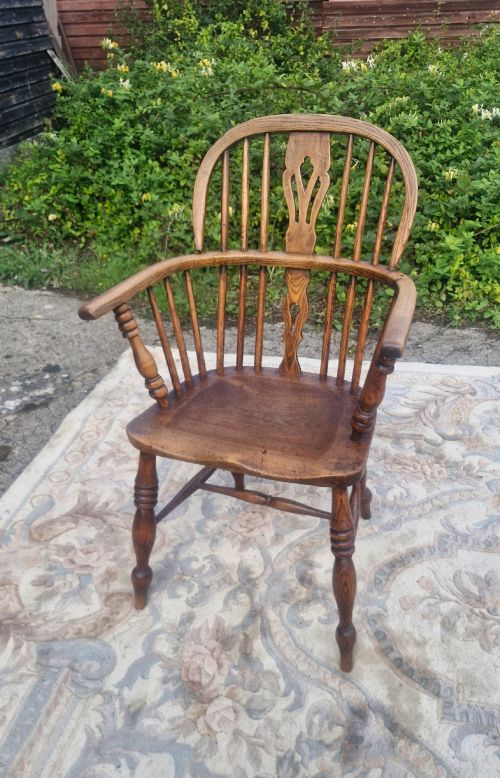
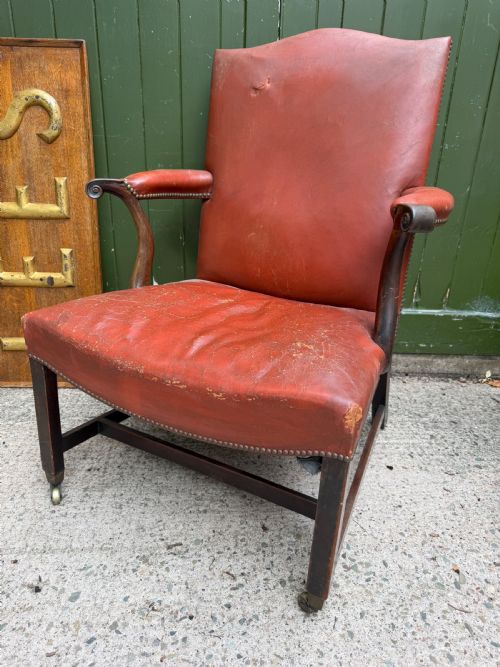
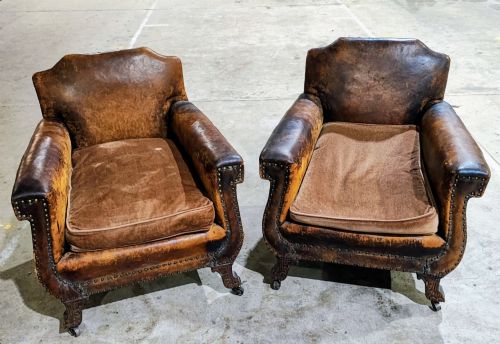
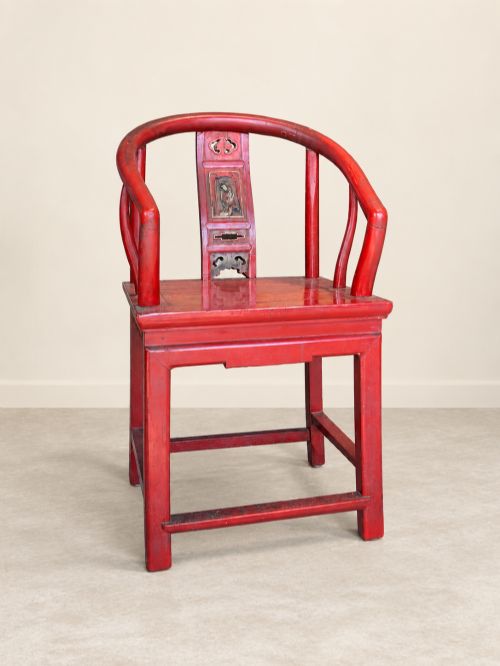
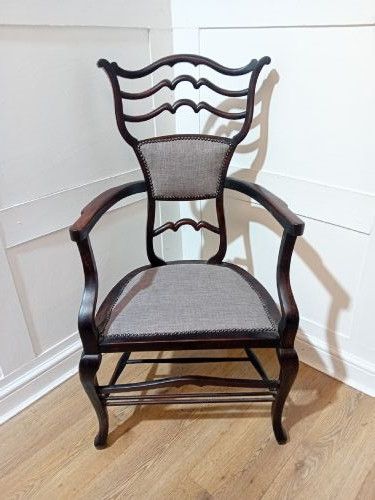
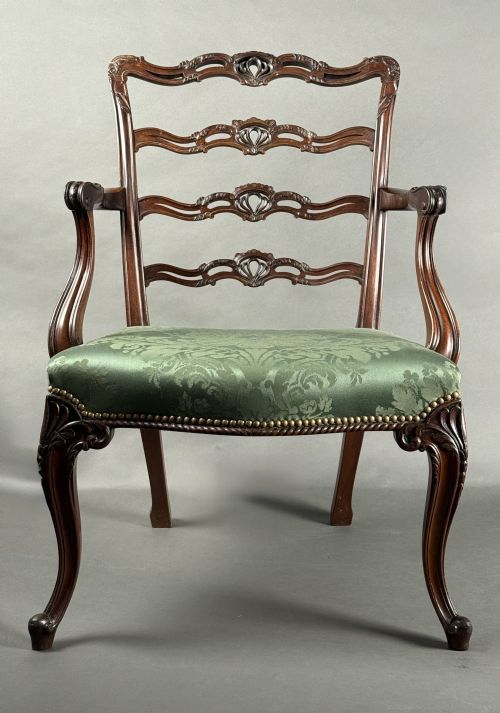
The antique accent armchair encompasses diverse seating forms designed to stand out within a room, including library chairs, bergères, and carvers. These pieces emerge across several periods, most notably the Georgian, Victorian, and Edwardian eras, alongside later Art Deco and Arts and Crafts examples.
Buyers encounter numerous regional and stylistic variations, spanning English Windsor designs, French giltwood salon chairs, and Scandinavian birch seating. The selection relies heavily on nineteenth-century and early twentieth-century production while retaining earlier stylistic influences.
Armchairs serve both decorative and functional roles in domestic interiors, often functioning as reading seats or occasional chairs in morning rooms and bedrooms. Their construction varies from heavy mahogany library frames to lighter bentwood and cane-seated variants.
Materials and construction
Frames rely upon traditional hardwoods such as mahogany, oak, walnut, beech, and elm, often shaped through turning, carving, or steam-bending. Joinery techniques prioritize structural endurance, utilising pegged joints and robust internal bracing.
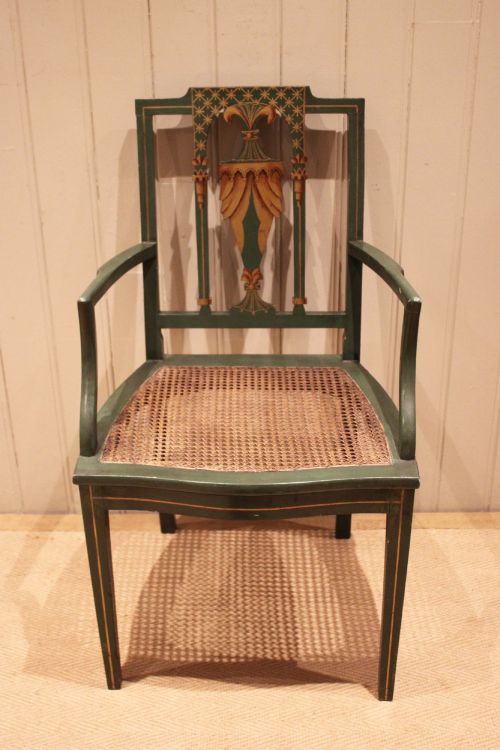
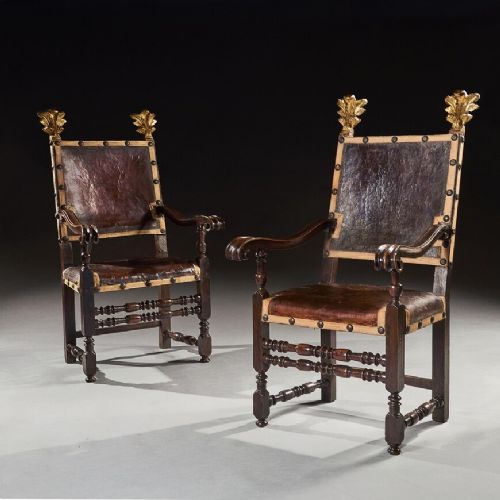
Upholstery methods incorporate materials like leather, fabric, rush, and cane, paired with stuffing derived from historical traditions. Surface finishes range from polished wood grains to original painted or parcel-gilt treatments.
Antique Accent Armchair Retail Price Guide 2026
Typical asking prices for accent armchair among the pieces listed under this phrase on Sellingantiques today, from the lower quarter to the upper quarter. They describe what is for sale here now, not the wider market.
Listings feature woods like mahogany, walnut, oak, and satin birch across periods spanning the seventeenth century to Art Deco.
Distinctions in craftsmanship
Quality rests in the precision of the timber carving and the integrity of the frame construction, where tight joints and select wood grains indicate superior workshop output. The harmony between the original frame and its upholstery style dictates the aesthetic success of the piece.
Subtleties in proportion and the retention of original surface finishes, whether paint, polish, or gilding, separate standard production from exceptional examples. The depth of detailing, such as mother-of-pearl inlay or embossed leather work, reinforces the standing of individual pieces.
Liberty Morris And Co·Jacob And Josef Kohn
The Antique Accent Armchair Glossary
- Bergère
- An upholstered armchair with enclosed sides, usually featuring cane or fabric panels set into a wooden frame.
- Carver
- An armchair designed with elbow rests, traditionally used at the head of a dining table or as an occasional seat.
- Windsor
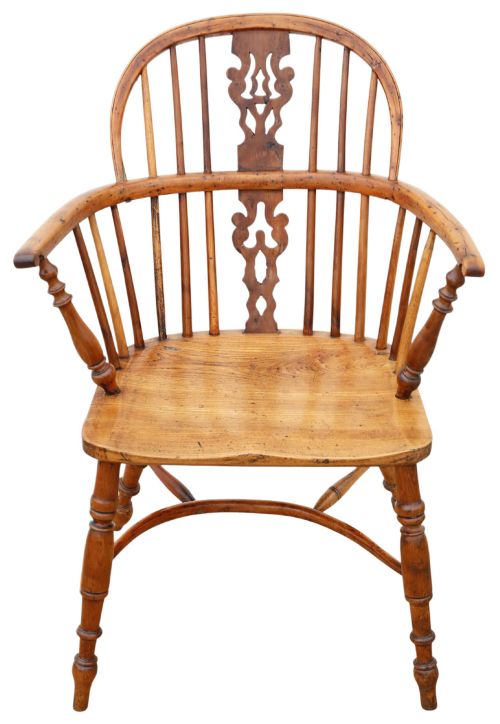
- A wooden chair constructed with upright spindles inserted into a solid sculpted seat, often featuring a bowed back.
- Giltwood
- Timber that has been coated with a thin layer of gold leaf or gilt pigment for decorative effect.
- Bentwood
- Wood shaped into curved forms through the application of steam, commonly utilised in nineteenth-century seating.
Antique Accent Armchair: Frequently Asked Questions
How do I identify a Victorian armchair?
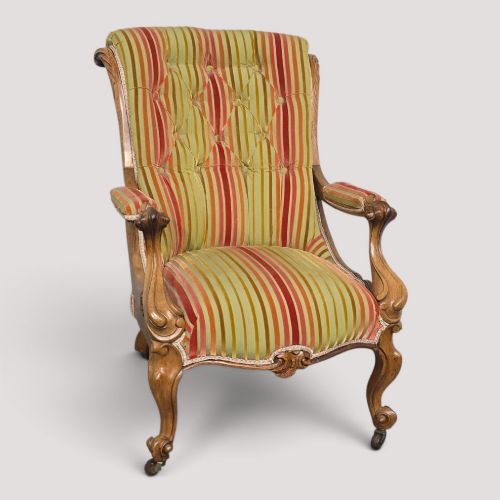
Victorian armchairs display characteristic period motifs, heavier proportions, and distinct upholstery styles that evolved across the nineteenth century. Common woods include walnut, mahogany, and rosewood.
Detailing often incorporates button-tufted upholstery, carved walnut frames, and low-back configurations suited for bedroom or morning room settings.
Where should I place an antique armchair?
These chairs function effectively as focal points in living rooms, studies, and bedrooms, providing both seating and visual contrast. Their varied styles allow them to complement contemporary or traditional interiors.
Library chairs and club chairs suit reading corners, while lighter salon chairs and slipper chairs fit smaller spaces or dressing rooms.
What is a carver chair?
A carver chair is an armchair featuring integrated armrests, traditionally built to match a set of single dining chairs. They also served as standalone occasional seats in hallways and parlours.
Construction typically involves hardwood frames like mahogany or oak, occasionally featuring pierced splats or upholstered drop-in seats.
How do I distinguish George III from Regency chairs?
George III pieces generally exhibit classical proportions, mahogany framing, and carved details influenced by Chippendale, Hepplewhite, or Sheraton designs. They date from the eighteenth century.
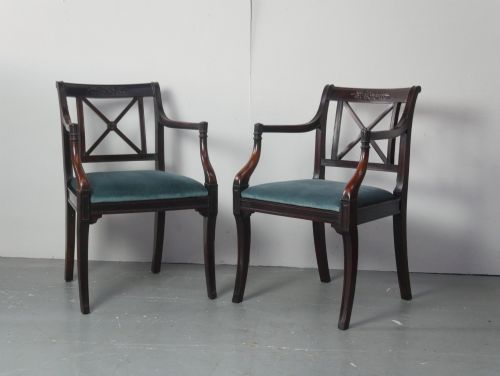
Regency chairs, produced in the early nineteenth century, reflect heavier archaeological influences from ancient Greece and Rome, often utilising rosewood, brass inlay, and saber legs.