
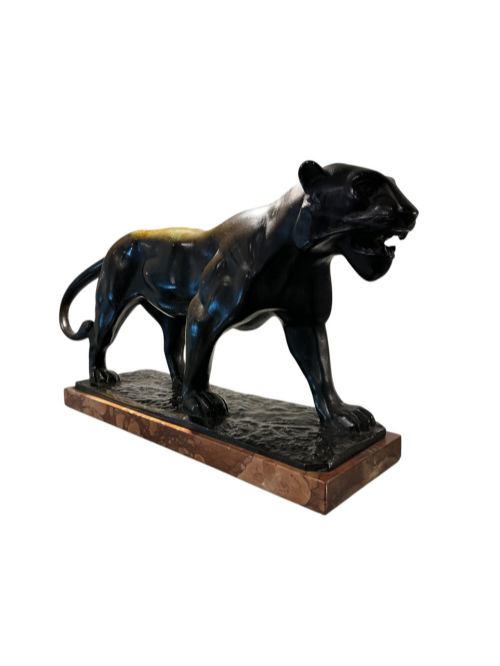
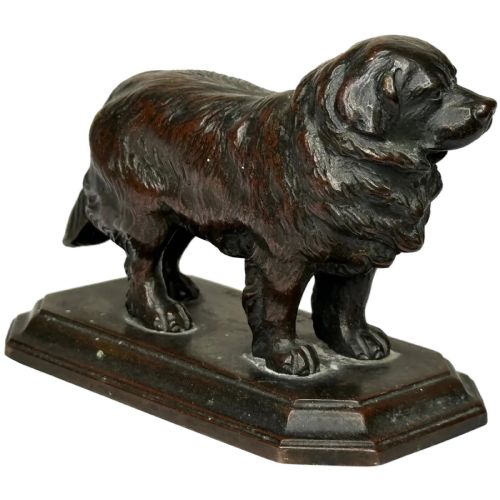
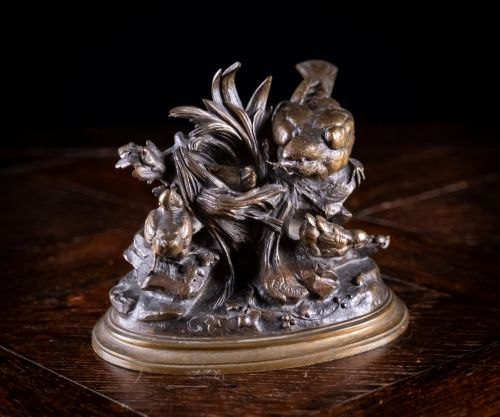
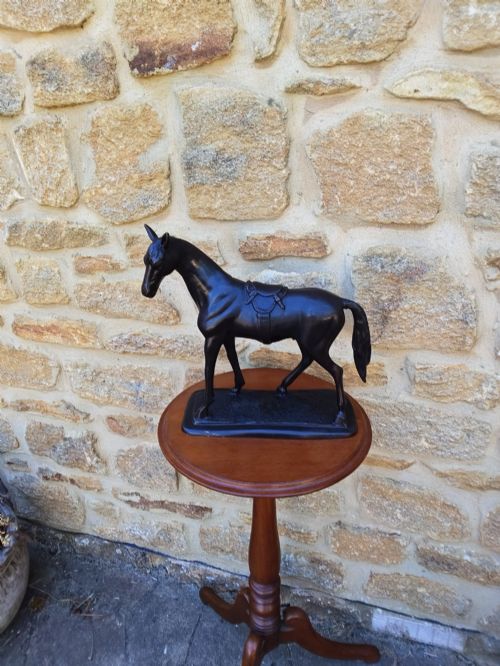
Animalier Bronze Statue
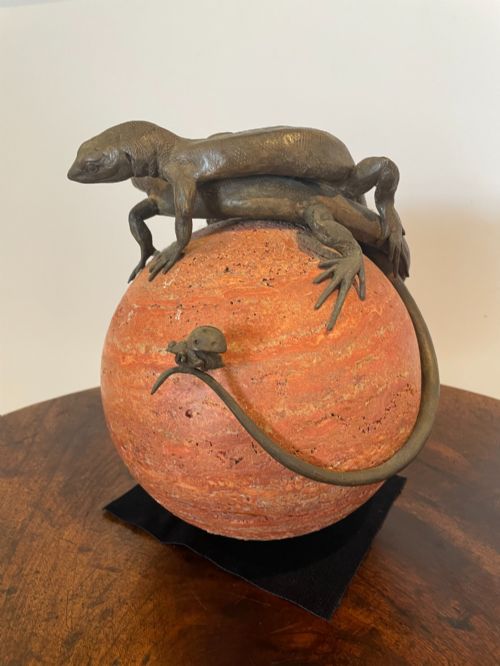
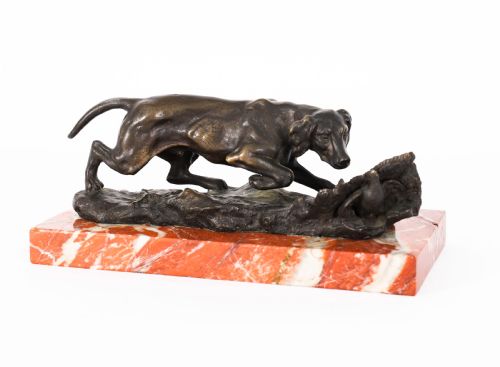
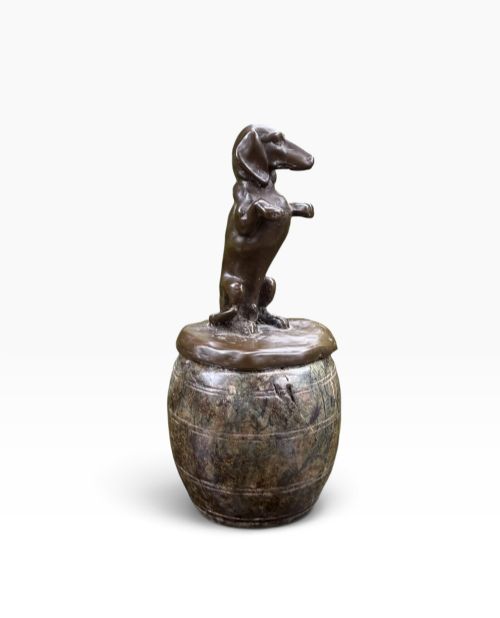
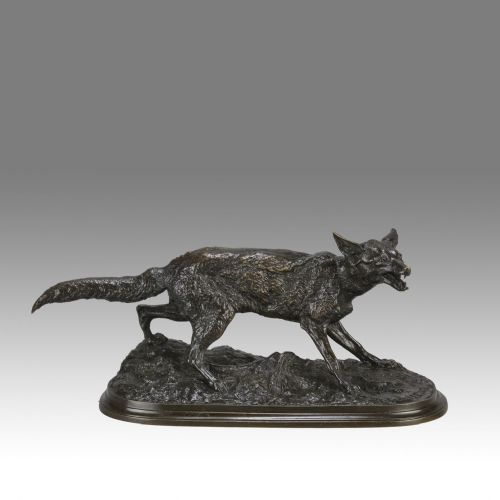
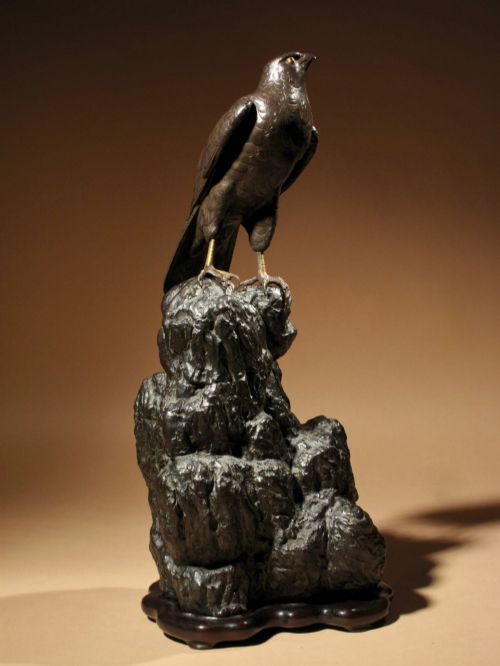
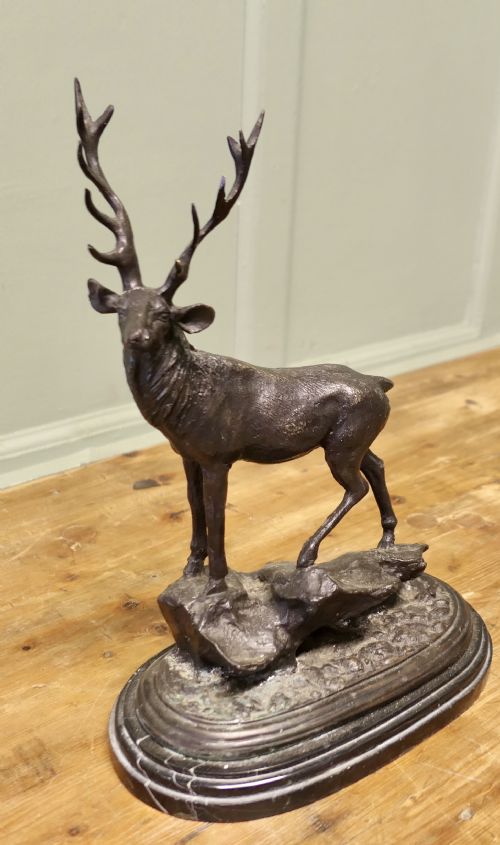
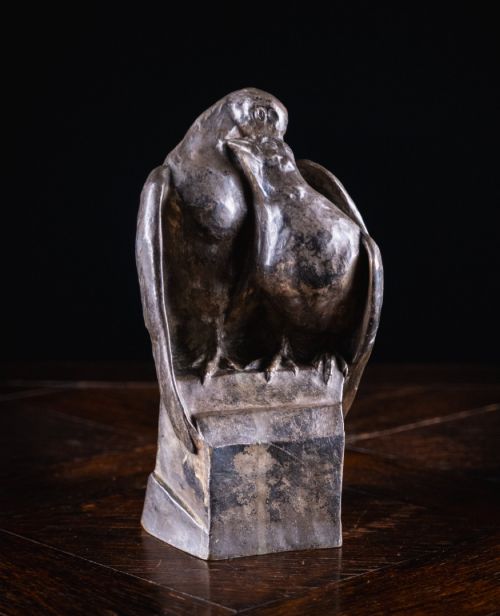
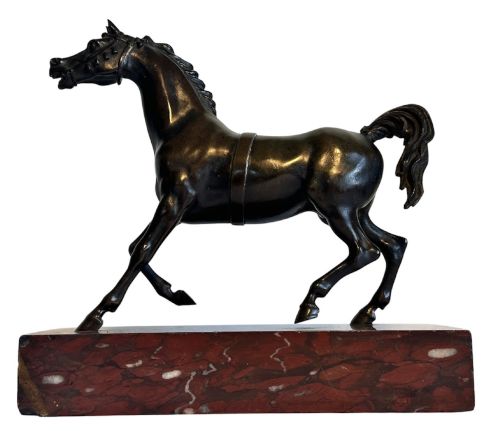
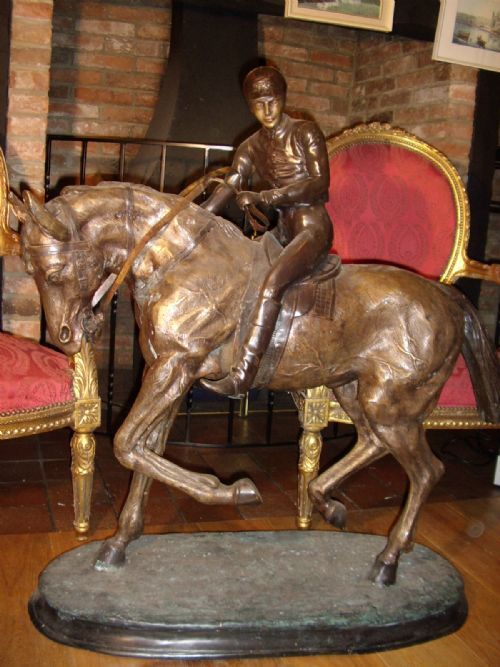
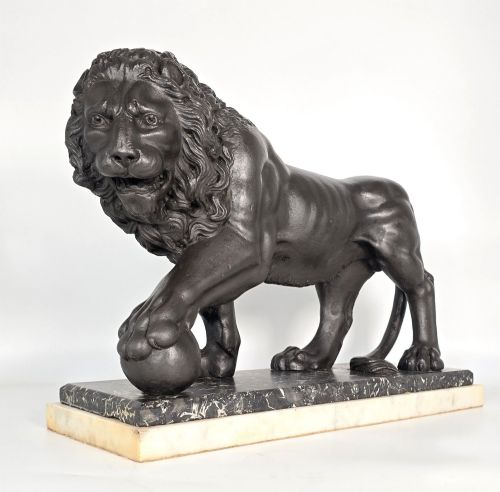
An animalier bronze statue captures the muscular tension and precise posture of wildlife in solid metal.
What They Are
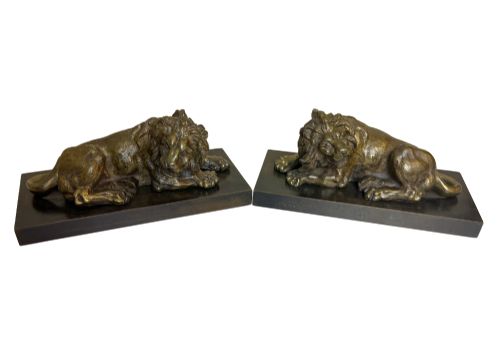
An animalier bronze statue represents naturalistic depictions of beasts and birds, emerging prominently during the nineteenth and early twentieth centuries. These sculptures capture creatures in motion or repose, ranging from domestic dogs and hunting scenes to prowling lions and woodland stags. Each piece translates anatomical study into enduring metal form, capturing the character of the subject.
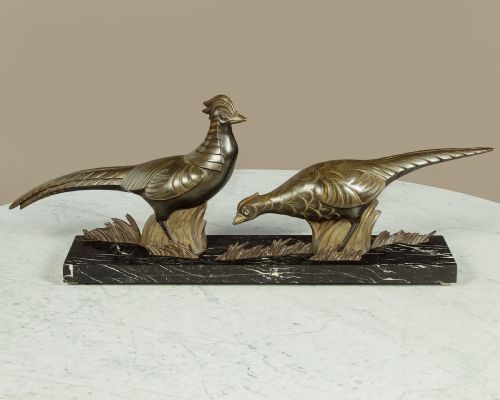
The selections available here span several decades, featuring works from the nineteenth century through the Art Deco and Art Nouveau movements. Formats vary from standalone animal studies to functional items like figural inkwells. Buyers encounter subjects such as horses, terriers, elephants, and deer, often mounted on supportive bases.
Origins stretch across European traditions, with French foundries and sculptors dominating the recorded output. These pieces reflect shifting tastes in decorative arts, moving from Victorian narrative scenes toward streamlined modernist interpretations. Such works serve as sculptural focal points for desks, mantelpieces, and display cabinets.
How They Were Made
Retail Price Guide 2026
Typical UK retail prices for animalier bronze statue, calculated from the Sellingantiques database of over a million retail prices indexed since 2003. This retail price guide relies exclusively on Sellingantiques data; no external sources or auction records are used, so the figures do not describe the wider market.
Even a stern bronze lion on an onyx base cannot stop a tiny terrier from turning around to look at you.
What Varies in Quality
Quality rests in the fidelity of the anatomical modelling and the crispness of the chased surface details. Finer pieces demonstrate a deep understanding of animal musculature and movement, whereas lesser examples appear stiff and generalized. The precision of the casting determines how clearly fur, feather, and expression are rendered.
The quality of the secondary materials, such as polished onyx or sculpted marble bases, dictates the overall refinement of the object. Superior works feature harmonious proportions between the metal figure and its mounting, alongside carefully applied patination that ages gracefully over time.
Edith Parsons·I. Rochard·Ernest Louis ADNIN
The Animalier Bronze Statue Glossary
- Animalier
- A nineteenth-century artistic movement and style dedicated to the realistic portrayal of animals. Sculptors in this tradition focused closely on anatomical accuracy.
- Bronze
- An alloy of copper and tin valued for its strength and suitability for casting. This material accepts patination well and reproduces fine surface details.
- Patina
- The surface coloration and sheen developed naturally over time or applied chemically by the foundry. It protects the metal and defines the visual depth of the sculpture.
- Lost-wax casting
- A traditional method for creating metal sculptures from a wax model. This technique permits complex undercuts and delicate forms.
- Plinth
- A heavy base supporting a sculpture, often made from decorative stone like onyx or marble. It anchors the piece and balances the composition.
Frequently Asked Questions
How do I date a bronze sculpture?
Dating relies on stylistic markers, foundry marks, signatures, and the characteristics of the supporting base materials.
Art Deco pieces often feature streamlined geometries, while nineteenth-century works lean toward naturalistic narrative scenes.
Why are bases made of onyx?
Onyx and marble bases provide heavy, stable foundations that support the weight of solid bronze figures.
These contrasting stones also introduce decorative colour and texture that complement the dark patinated metal.
Were these statues used as inkwells?
Some figural bronzes incorporate functional elements like inkwells alongside sculptural animal figures.
These combination pieces served practical purposes on Victorian and Edwardian writing desks while maintaining decorative appeal.