
Anglo Indian Wooden Table
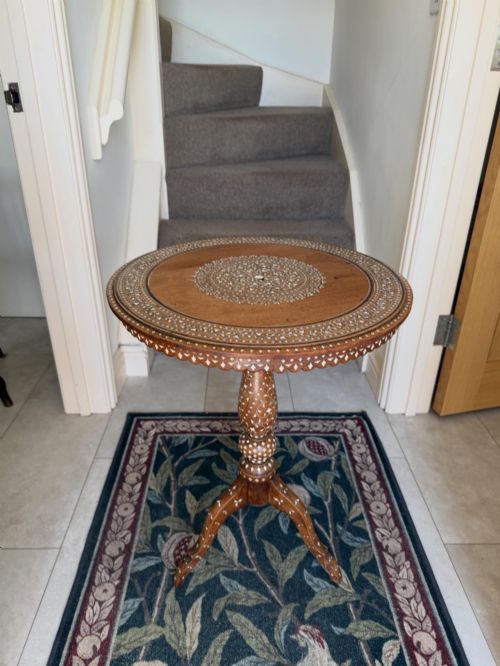
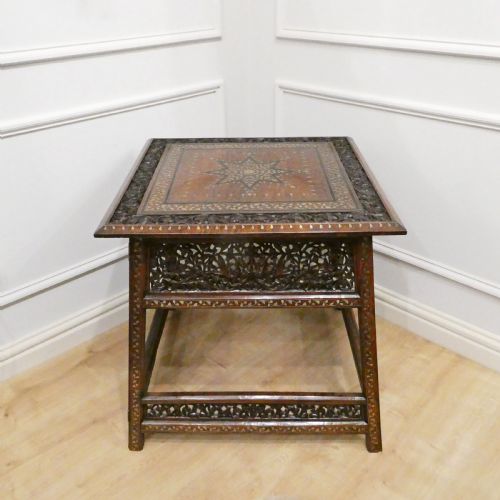
An anglo indian wooden table brings dense carved foliage, intricate geometric bone or brass inlay, and rich colonial history straight into a modern interior.
Anglo Indian Wooden Table
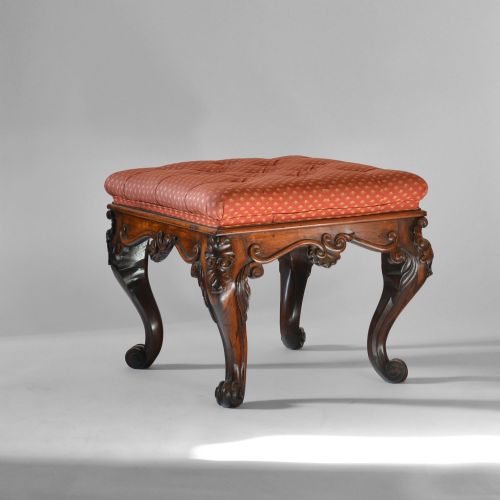
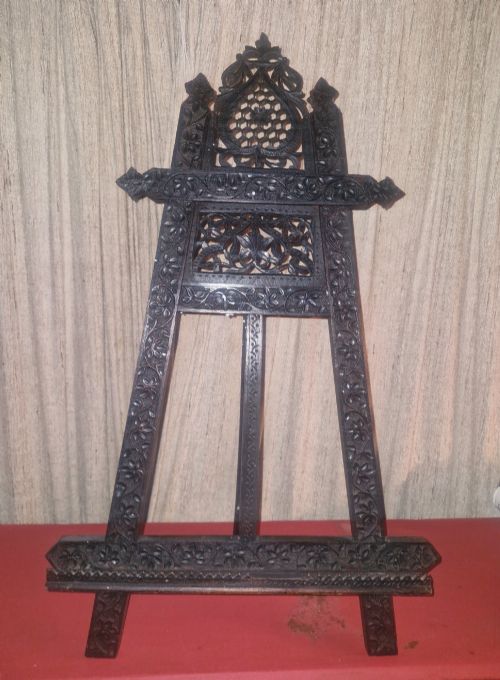
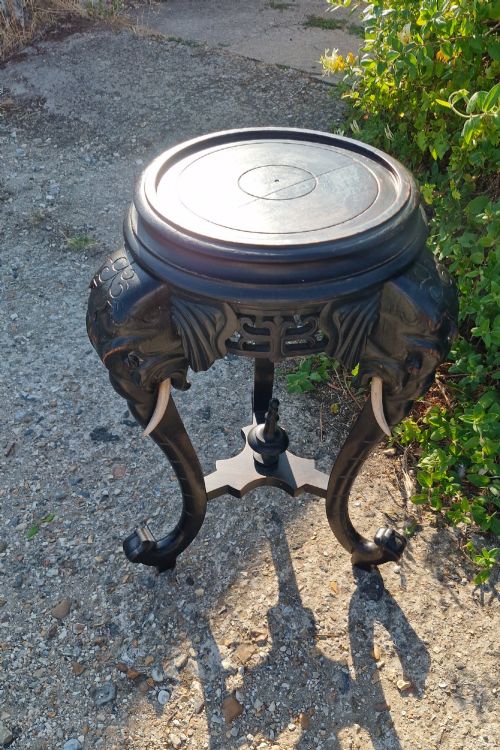
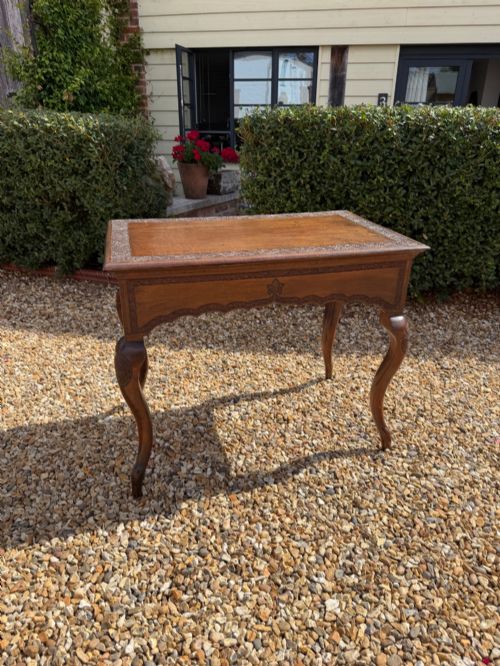
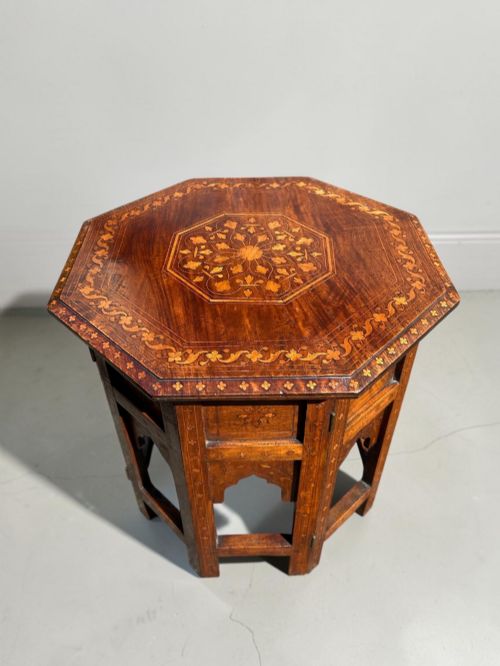
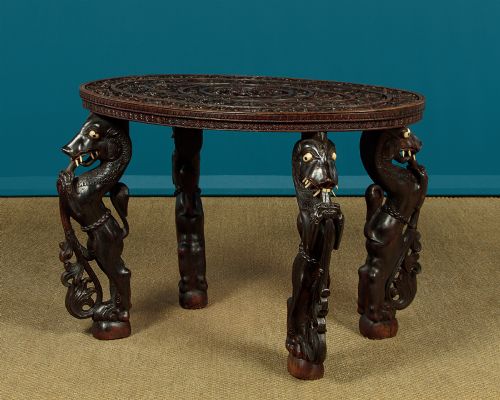
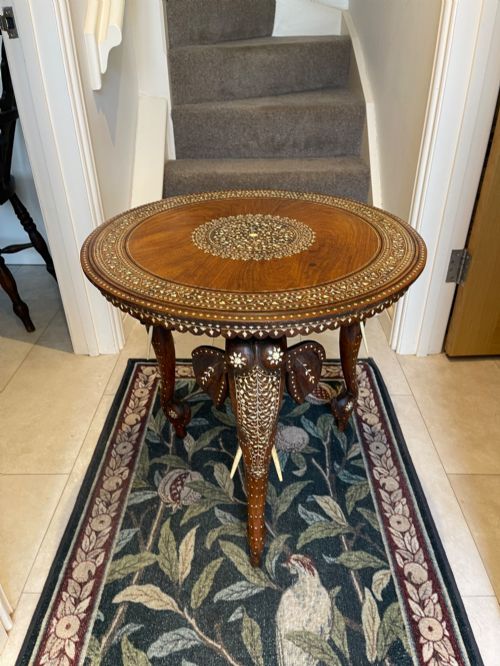
When searching for an anglo indian wooden table, buyers encounter heavily carved and inlaid furniture originating from the nineteenth and early twentieth centuries, spanning the Victorian era through the nineteen-thirties. The selection centres on occasional pieces, side tables, and coffee tables, alongside more specialised forms like octagonal folding tables and elaborate elephant tables.
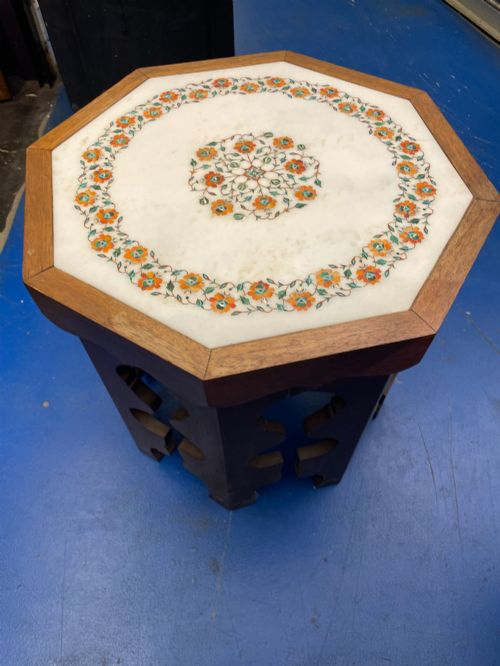
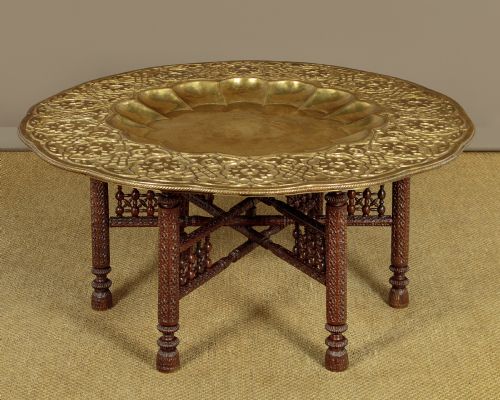
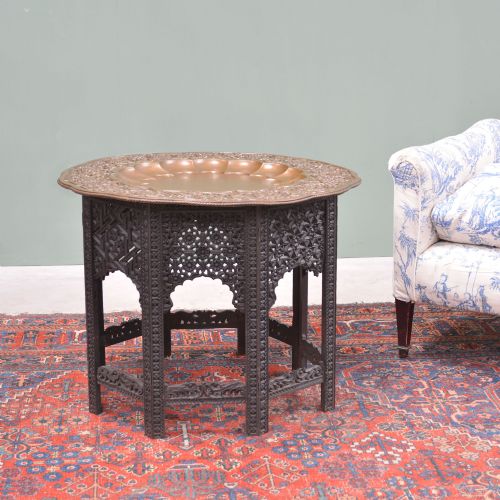
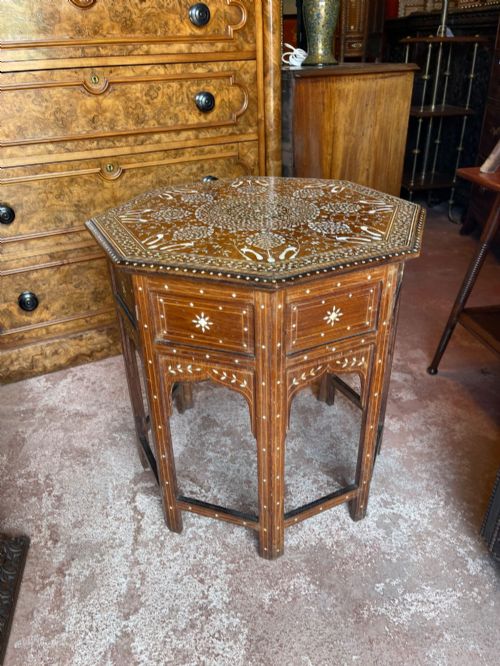
The most common iterations on this page are Hoshiarpur and Kashmiri pieces, typically taking an octagonal or square shape with intricate folding bases. These items reflect distinct regional styles, ranging from deep relief carving in teak and padauk to colourful lacquer and fine walnut work.
Beyond standard side tables, the listings include diverse forms such as tray top tables, three-tier buffets, and marble-topped variants. Each piece demonstrates the complex cultural exchange of design motifs between British colonial administrators and traditional local artisans.
Materials and Construction
Makers utilised dense tropical timbers including teak, padauk, rosewood, and walnut as the structural base for intricate carving and joinery. These hardwoods provided the necessary weight and stability for deeply recessed relief work without splitting.
Surface ornamentation relied on meticulous inlay work incorporating brass wire, mother of pearl, and bone set directly into the timber. Artisans also employed hand-painting and lacquer techniques, particularly on Kashmiri walnut and regional novelty pieces.
Many octagonal tables were constructed with hinged, folding bases that allowed the top to lift off completely for simple transport. This clever joinery demonstrates the practical demands placed on colonial furniture destined for long journeys.
Listings feature periods spanning the Victorian era through the nineteen-thirties, utilising materials such as teak, rosewood, brass, and bone.
Assessing Quality
Quality rests primarily on the depth and crispness of the hand carving, where sharper, deeper undercut foliage distinguishes superior work from shallow, mechanical stamping. The densest pieces feature completely covered surfaces with no plain timber left exposed.
The precision of the inlay work marks another tier of distinction, with finer examples showing tight, flush fitting of brass, bone, or mother of pearl without excessive resin filler. The stability of the folding mechanism and the selection of unwarped, straight-grained hardwoods complete the measure of a finer piece.
The Anglo Indian Wooden Table Glossary
- Hoshiarpur
- A region in Punjab renowned for intricate woodwork, specifically octagonal tables featuring dense geometric inlay of brass and bone.
- Teak
- A durable tropical hardwood utilised for its resistance to moisture and its ability to hold exceptionally fine carved detail.
- Padauk
- A heavy, reddish-brown exotic timber favoured by craftsmen in colonial Burma and India for carved side tables.
- Octagonal
- An eight-sided geometric form commonly used for folding occasional tables to maximise surface area while easing storage.
- Tray top
- A removable surface with raised edges designed to sit atop a folding wooden base for serving or display.
Anglo Indian Wooden Table: Frequently Asked Questions
How do I fold an octagonal table?
Most octagonal tables feature an interlocking wooden frame that collapses once the top is lifted clear of the dowels. You simply lift the tray or tabletop straight up and fold the lattice base inward.
Keep the hinges or interlocking wooden joints clean and free of heavy wax to ensure the structure collapses smoothly without binding.
Where should I place these tables?
These pieces suit living rooms as compact coffee tables or hallways as striking focal points for lamps and ornaments. Their intricate patterns demand a position where natural light can catch the carved relief and metal inlay.
Avoid placing them in direct sunlight or beside intense heat sources to protect the dry tropical hardwoods and delicate bone inlay from shrinking.
Are these tables sturdy enough for daily use?
Solid hardwood construction ensures these tables handle standard items like books and lamps comfortably. However, the folding bases on octagonal models require careful placement on level flooring to prevent wobbling.
Treat them with the same care you would accord any antique furniture, avoiding excessive weight or rough treatment on the hinged joints.