
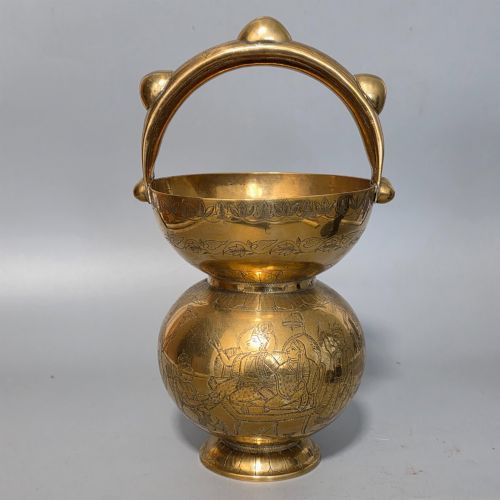


Anglo Indian Metalwork
These pieces of anglo indian metalwork bring together traditional craftsmanship and British colonial design, offering collectors striking decorative objects with deep historical roots.
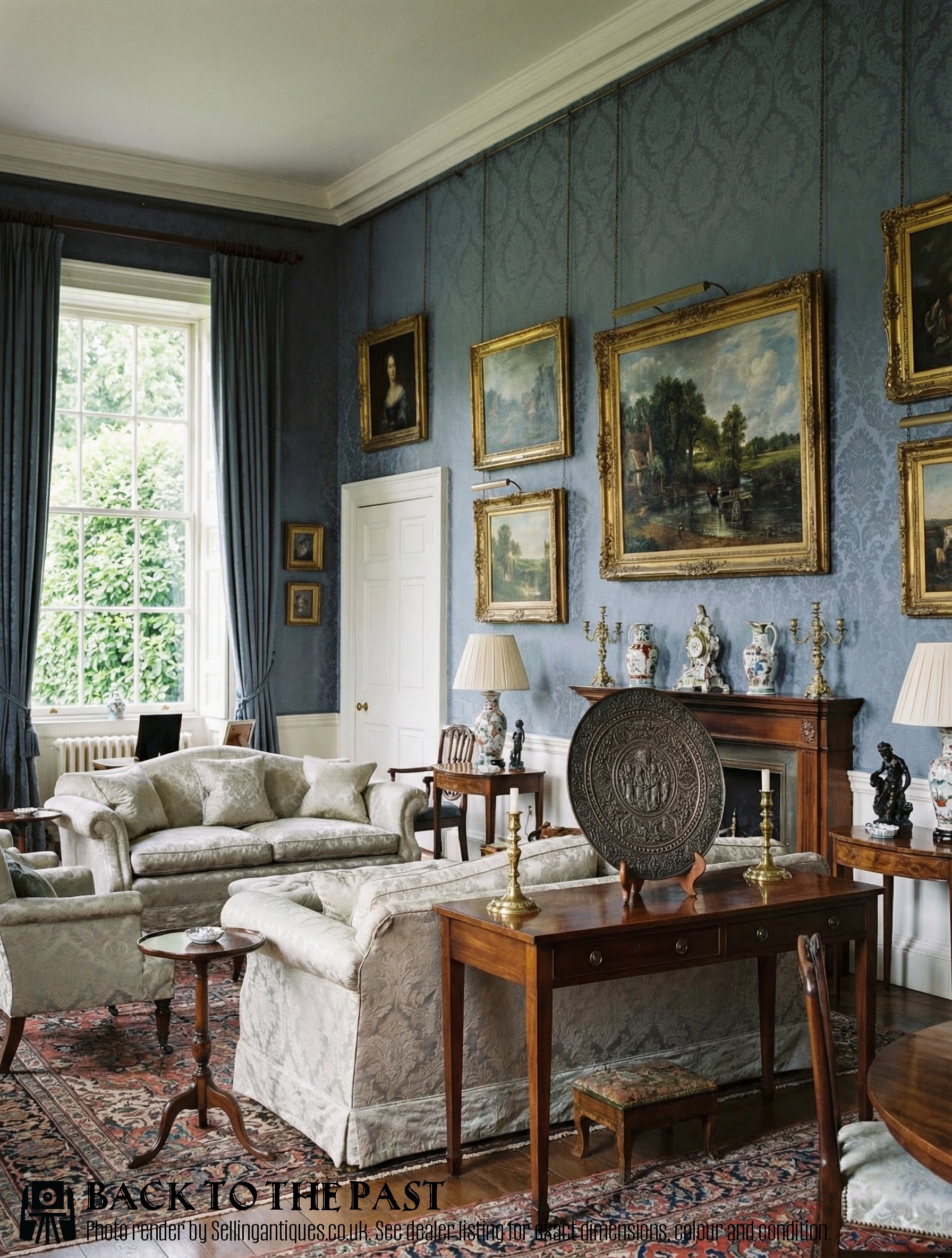
Anglo Indian Metalwork
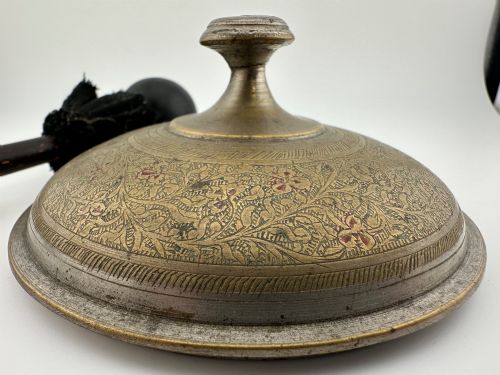
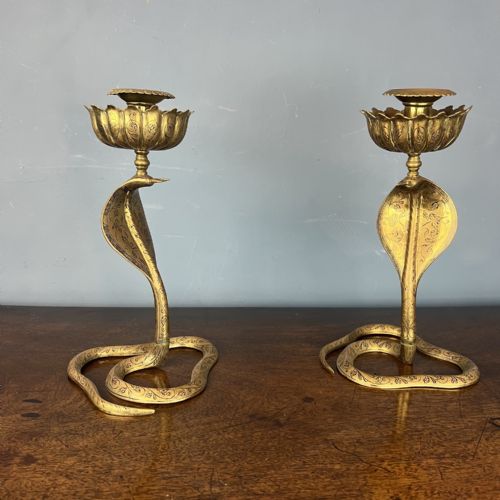
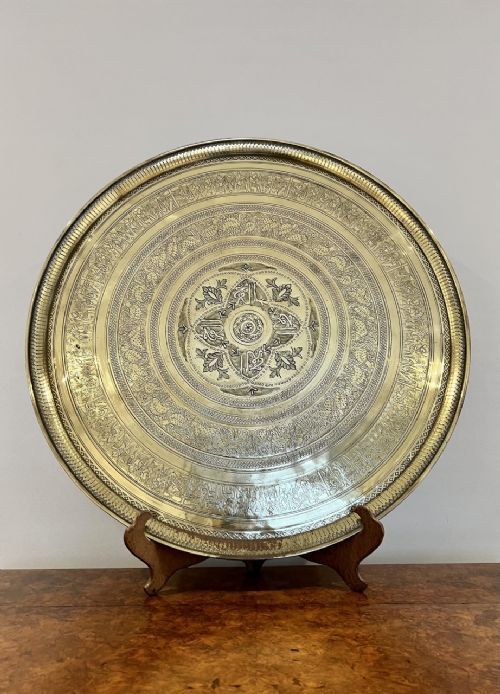
Makers utilised brass, copper, silver plate, bronze, and mixed metals to produce these functional and ornamental objects. Forms range from ceremonial vessels such as Kamandals to everyday decorative items like snake candlesticks and cobra trays.
Stylistic influences span Anglo-Indian, Indo-Persian, and Victorian aesthetics, often combining traditional eastern motifs with Western decorative demands. These pieces reflect a distinct cross-cultural dialogue spanning the nineteenth century and the early decades of the twentieth century.
How they were made
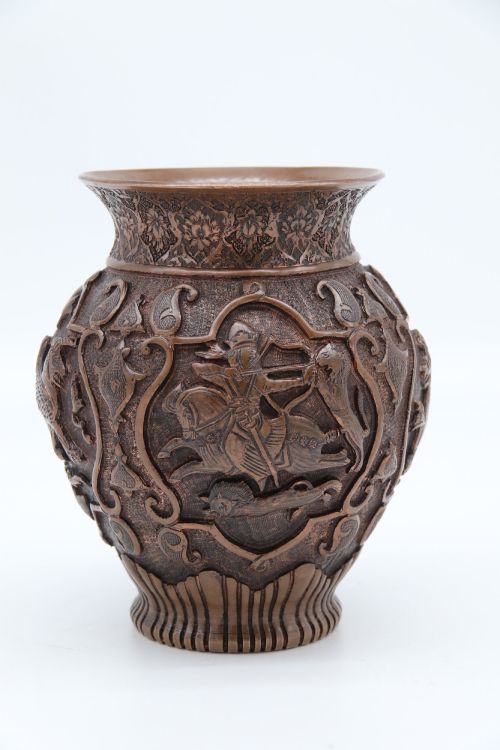
Artisans employed techniques such as repoussé, hand carving, chasing, and piercing to decorate surfaces of brass, copper, and bronze. Metal sheets were beaten into relief or pierced with intricate patterns to create textured finishes on trays and wall chargers.
Bidri ware techniques involved dark metal alloys inlaid with contrasting metals, while mixed metal compositions combined copper and brass elements. Hand-finished details ensured that each vessel, box, or charger displayed individual character through bespoke chasing and engraving.
Snakes coil upward as candlesticks and cobras frame trays, reminding us that Victorian drawing rooms possessed a wonderfully wild streak.
What varies in quality
Depth and precision of the hand-chased and repoussé decoration determine the artistic merit of individual examples. Sharply defined motifs and heavy gauge metal indicate superior craftsmanship compared to lighter, shallower stampings.
Complexity of design and integrity of mixed metal inlays separate standard production pieces from exceptional works produced by institutional workshops like the Jeypore School of Art.
The Anglo Indian Metalwork Glossary
- Repoussé
- A metalworking technique where the metal is hammered from the reverse side to form a raised design in relief. This method creates tactile surface textures on chargers and vases.
- Bidri ware
- A metal handicraft from India utilising a blackened alloy inlaid with contrasting sheet metal such as silver or brass. It is known for its distinctive dark finish.
- Kamandal
- A traditional Hindu water carrier typically spherical in shape with a handle and spout. These vessels held holy water for ritual use.
- Pandan
- A traditional box used for holding betel leaves and related aromatics. These boxes often feature elaborate hinged lids and silver or silver-plated construction.
Anglo Indian Metalwork: Frequently Asked Questions
What is anglo indian metalwork?
Anglo indian metalwork comprises decorative objects made in India during the nineteenth and early twentieth centuries, blending local craftsmanship with British aesthetic tastes.
Items range from large wall chargers and serving dishes to small boxes and candlesticks fashioned from brass, copper, bronze, and silver plate.
How were these pieces used?
Many items served practical domestic or ceremonial purposes, such as holding water, serving food, or storing betel nuts.
Others functioned purely as ornamental objects, displayed on walls or tables to showcase intricate eastern ornamentation in Victorian homes.
How do I date these objects?
Dating relies on stylistic markers, material composition, and recorded periods spanning the Victorian era through the early twentieth century.
Objects from the Raj period often exhibit specific hand-chased motifs and construction methods characteristic of workshops operating between eighteen sixty and nineteen twenty.
How do I care for antique metalwork?
Preserving these pieces requires gentle dusting and avoiding aggressive metal polishes that can remove hand-chased patination or damage silver-plated surfaces.
Maintaining stable indoor humidity protects mixed metal components and delicate pierced details from unnecessary wear.