



Anglo Indian Casket
An anglo indian casket brings centuries of intricate craftsmanship into the home as a functional container for keepsakes and letters.

Anglo Indian Casket
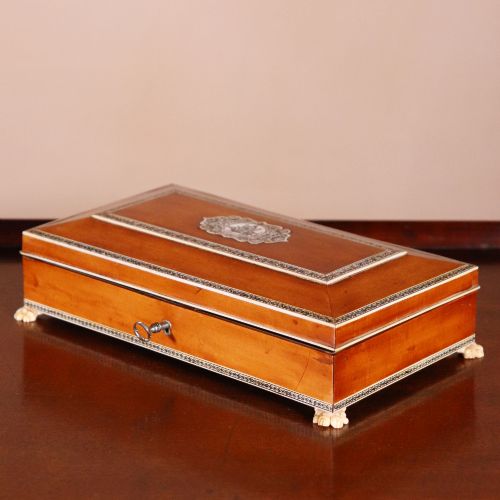
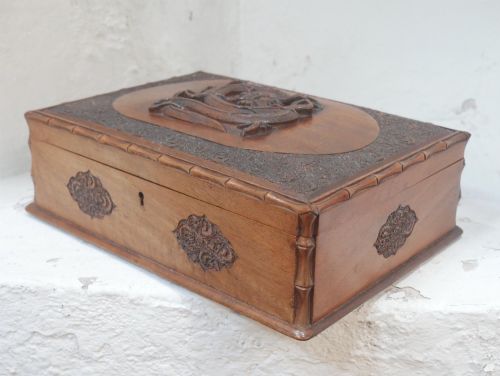
An anglo indian casket serves primarily as a jewellery box, trinket box, or stationery box, shaped by decades of exchange between British tastes and South Asian workshops. These receptacles appear most frequently from the nineteenth century onward, spanning forms from sarcophagus shapes to rectangular caskets and small chests.
The objects combine domestic storage needs with distinct regional artistry, often labelled under styles such as Anglo-Indian Colonial and nineteenth-century Indian. Buyers encounter various utilitarian configurations, including sewing boxes, writing boxes, and small cellarettes designed for personal use.
Makers utilised exotic timbers and precious metals to construct pieces ranging from modest trinket jars to large dowry chests. Surviving examples reflect the specific demands of colonial patrons alongside traditional regional joinery.
How they were made
Craftsmen built the foundations of these boxes using dense timbers like teak, sandalwood, ebony, coromandel, and rosewood. These woods provided a stable base for intricate surface decoration and heavy carving.
Artisans applied elaborate surface treatments including solid silver panels, brass mounts, carved bone, ivory, porcupine quill, and horn. Specialised techniques like Sadeli mosaic work created geometric patterns using micro-mosaics of horn, bone, and metal.
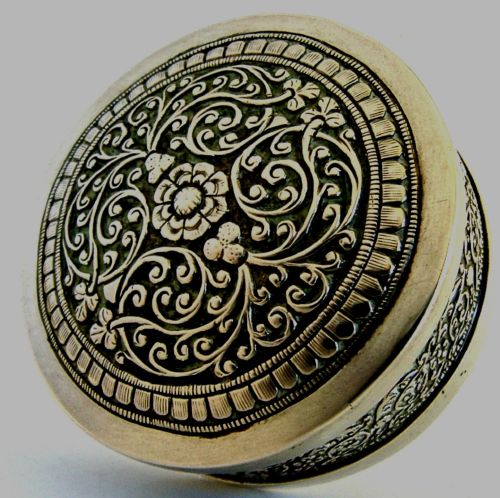
Carvers worked directly into sandalwood and ebony to produce deep relief ornamentation depicting foliage, animals, and architectural motifs. Metalworkers hammered and chased solid silver and silver-plated elements to adorn lids and corners.
Anglo Indian Casket Retail Price Guide 2026
Typical asking prices for anglo indian casket among the pieces listed under this phrase on Sellingantiques today, from the lower quarter to the upper quarter. They describe what is for sale here now, not the wider market.
Available forms range from nineteenth-century sewing boxes and stationery boxes to detailed Sadeli mosaic caskets.
What varies in quality
The standard of execution depends heavily on the density and precision of the surface decoration, whether in micro-mosaic Sadeli work or deep wood carving. Finer pieces demonstrate tight geometric alignment and crisp relief work that retains sharp definition across every panel.
Material selection dictates much of the inherent value, separating boxes constructed from solid ebony, sandalwood, or heavy silver from those utilising simpler secondary woods with lighter plating. The presence of delicate interior fittings, original silk linings, and working locks also distinguishes superior commissions.
South India·Mysore Canara·Ceylon·Vizagapatam
The Anglo Indian Casket Glossary
- Sadeli mosaic
- A complex micro-mosaic technique utilising tiny geometric prisms of horn, bone, and metal arranged in intricate repeating bands. This technique appears primarily on nineteenth-century boxes from western India.
- Sarcophagus-shaped
- A casket design featuring a domed or stepped lid resting on a tapering rectangular body, echoing classical monumental forms. This silhouette is frequently seen on larger nineteenth-century sandalwood jewellery boxes.
- Pandan
- A traditional Asian or Indian container used for holding betel nut, spices, or small valuables. These pieces often feature chased silver work or hinged compartments.
- Vizagapatam
- A coastal city in India renowned for luxury export items decorated in ivory, bone, and porcupine quill. Pieces attributed to this origin typically display elaborate geometric banding and miniature carved panels.
- Cellarette
- A small cabinet or box originally designed to hold bottles of wine or spirits. In colonial contexts, these occasionally appear adapted for personal storage.
Anglo Indian Casket: Frequently Asked Questions
What were these caskets used for?
These boxes served multiple domestic purposes, primarily holding jewellery, letters, sewing equipment, and small personal valuables. Wealthy households utilised them as elegant storage solutions on dressing tables and writing desks.
Larger versions functioned as stationery boxes or small dowry chests for keeping significant documents and precious items secure. Their combination of utilitarian compartments and decorative exteriors made them staple furnishings in colonial homes.
How do I care for sandalwood boxes?
Keep sandalwood caskets away from direct sunlight and excessive humidity to prevent the natural timber from drying out or warping. Dust them gently with a soft, dry cloth without applying modern liquid polishes that might stain the porous wood.
Allow the natural aromatic oils within the timber to persist by maintaining stable indoor temperatures. If the box has silver or ivory mounts, ensure those specific materials receive appropriate, separate cleaning care.
How can I tell the period?
Dating relies heavily on material combinations, construction methods, and stylistic markers associated with specific decades. Nineteenth-century pieces frequently display dense hand-carved sandalwood or intricate Sadeli mosaic work.
Later pieces from the early twentieth century often incorporate distinct silver hallmarks or modified hardware styles. Examining the interior construction and lining materials also helps place the box within its historical era.
What is Sadeli mosaic work?
Sadeli work is an intricate form of micro-mosaic ornamentation created by binding tiny geometric slivers of bone, horn, and metal together. Craftsmen slice these bundled rods into thin sheets to veneer the surfaces of boxes.
This painstaking technique produces mesmerizing, carpet-like geometric patterns across the exterior of nineteenth-century caskets. Surviving examples showcase the high level of specialised skill possessed by regional artisans.