


Hardwood Trinket Box
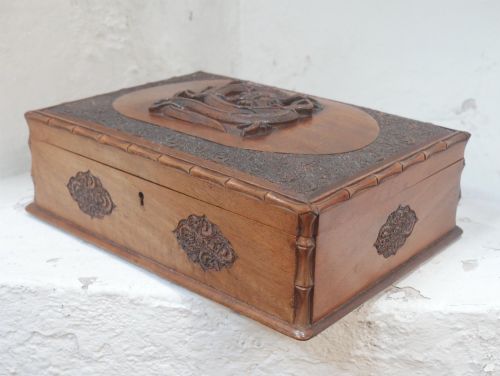
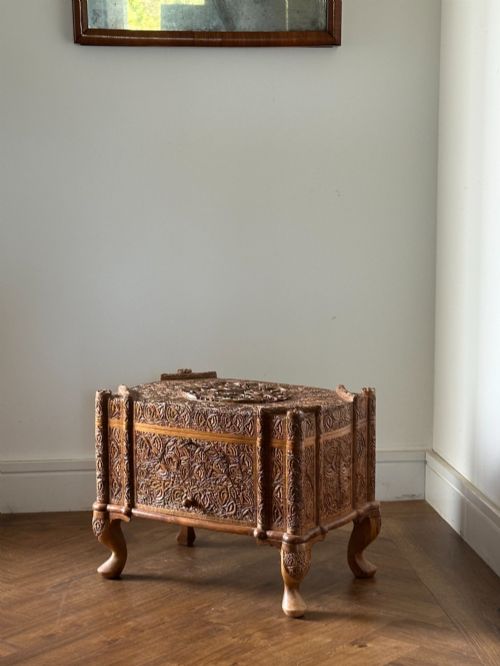
A hardwood trinket box is a small, solid container designed for keepsakes, and you are most likely to meet carved examples from the nineteenth and early twentieth centuries here.
Hardwood Trinket Box
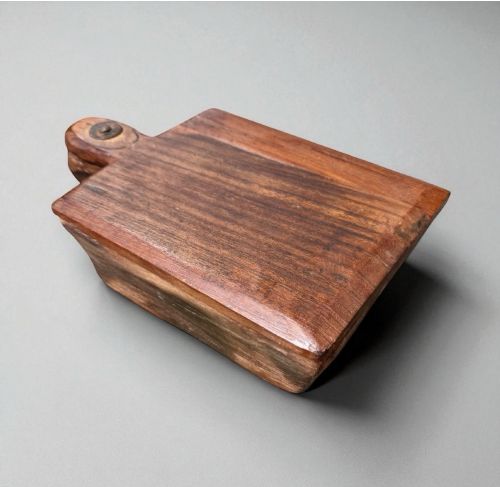
A hardwood trinket box serves as a receptacle for small personal items, spanning several distinct regional traditions and utilitarian forms. When you search for this phrase, you encounter objects ranging from nineteenth-century spice boxes and snuff containers to collector chests and jewellery caskets.
The pieces on this page originate from diverse cultural contexts, including Anglo-Indian workshops, Dutch Colonial outposts, Qajar Iran, and Chinese production centres. Forms include sarcophagus shapes, rectangular caskets, and novelty items modelled as footballs.
Most items draw on nineteenth-century, Edwardian, and early twentieth-century periods. They function primarily as decorative containers that combine practical storage with intricate surface decoration.
Materials and construction
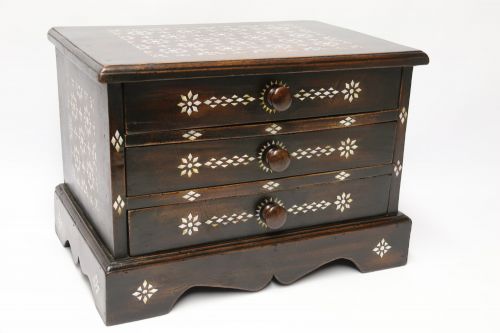
These items utilise dense timbers such as teak, walnut, rosewood, and sandalwood, often enhanced by burr veneer or supplementary materials like bone and mother-of-pearl inlay. Craftsmen select these woods for their stability and grain quality.
Surface ornamentation relies heavily on hand carving and inlay techniques, executed with varying degrees of relief. Iron fittings or hinges appear on utilitarian containers and campaign boxes to secure the lids.
One lidded box is modelled entirely as a soccer football, carved from hardwood to fool the eye.
Quality and execution
The standard of a hardwood trinket box depends on the depth and crispness of the hand carving rather than the mere presence of decoration. Superior examples show deliberate control in the relief work and precise joinery at the corners.
Materials also dictate the tier of the piece, with richly figured timbers, intact mother-of-pearl inlay, and deep natural patina marking out the finer specimens from simpler utilitarian containers.
Hunter and Palmer
The Hardwood Trinket Box Glossary
- Anglo-Indian
- Descriptive of furniture and decorative objects made in India during the British colonial period, typically combining British forms with local carving styles.
- Burr veneer
- A thin slice of wood taken from a tree growth or burl, prized for its swirling, highly figured grain pattern applied over a stable base.
- Sarcophagus-shaped
- A container design featuring a sloping lid and flared base, reminiscent of ancient stone coffins but popular for nineteenth-century workboxes.
- Snuff box
- A small pocket-sized container historically used to hold powdered tobacco, often featuring tight-fitting lids to preserve the contents.
- Patina
- The glossy sheen and mellowed surface colour developed on wood through age, handling, and regular waxing over many decades.
Hardwood Trinket Box: Frequently Asked Questions
What is a hardwood trinket box used for?
These boxes serve to store small personal effects such as jewellery, coins, or keepsakes on a dressing table or desk.
Historically, specific variations held specialised substances like spices or snuff, but today they function mostly as decorative tabletop accessories.
How do I care for a carved wooden box?
Keep the wood conditioned by applying a suitable wax polish occasionally, and buff gently with a soft cloth to maintain the natural sheen.
Avoid placing the container in direct sunlight or near heat sources to prevent the timber from drying out and cracking.
How can I tell an Edwardian box from a nineteenth century one?
Dating relies on examining the timber preparation, the style of the carving, and any internal linings or hardware. Earlier nineteenth-century items often display heavier hand-tool marks and denser regional styles.
Edwardian pieces frequently incorporate lighter decorative motifs or standard manufacturing improvements while retaining traditional hand-carved surfaces.
Are these boxes made of solid wood?
Most examples utilise solid timbers such as teak, walnut, or sandalwood for the primary structure and panels. Some pieces incorporate burr veneers applied over a secondary wood base to achieve decorative grain effects.