


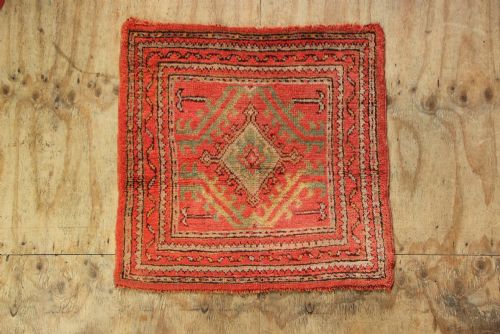
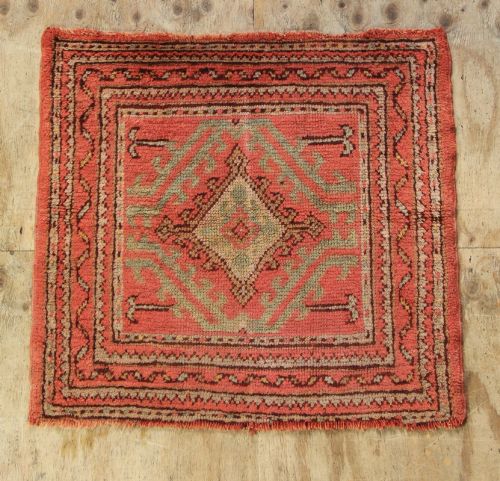


Anatolian Tribal Rug
An anatolian tribal rug brings centuries of village weaving tradition into a room through rich wool and bold geometric motifs.
Anatolian Tribal Rug
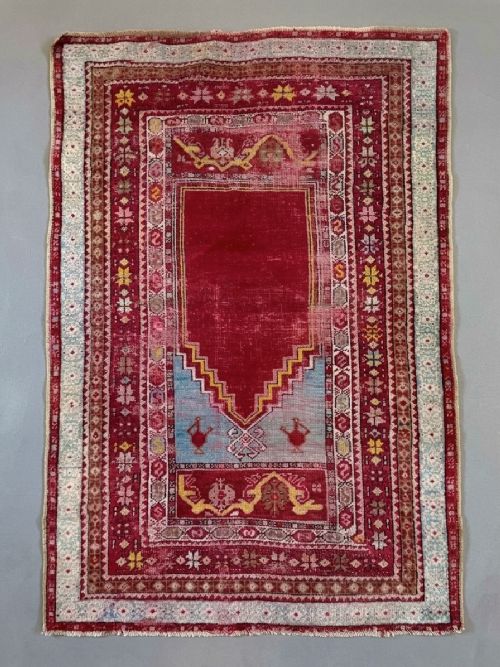
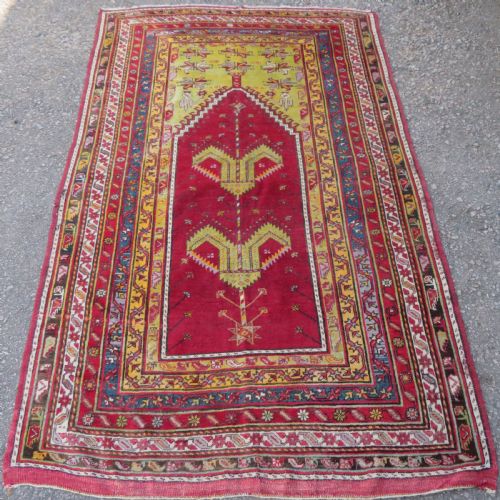
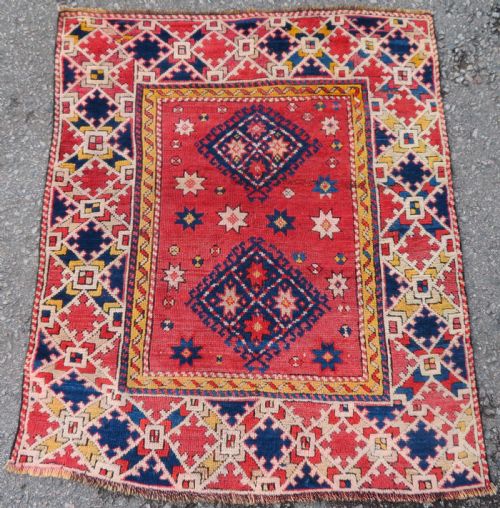
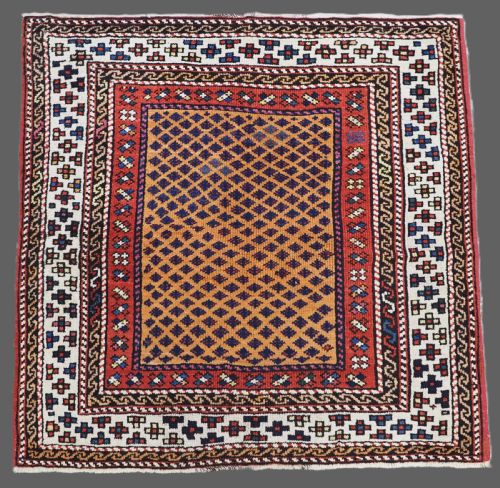
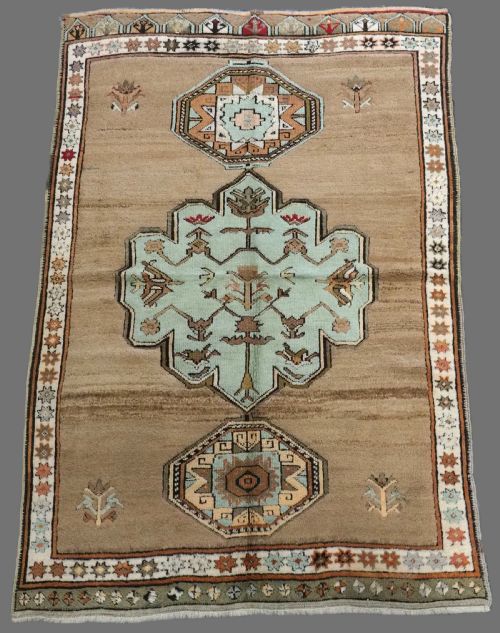
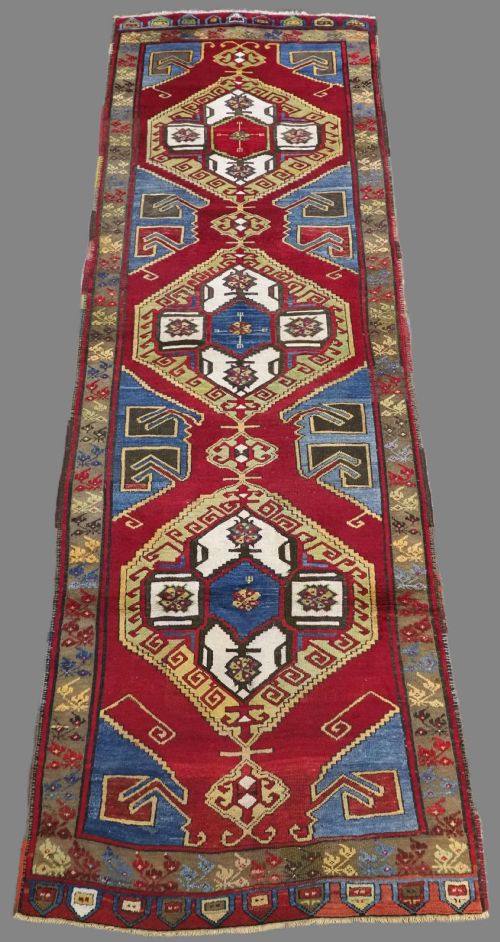
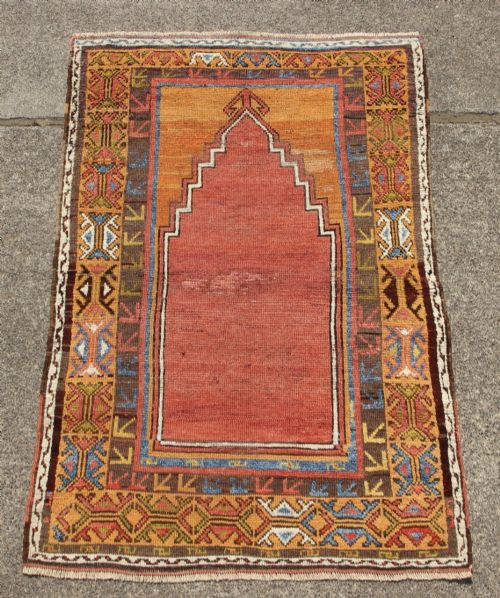
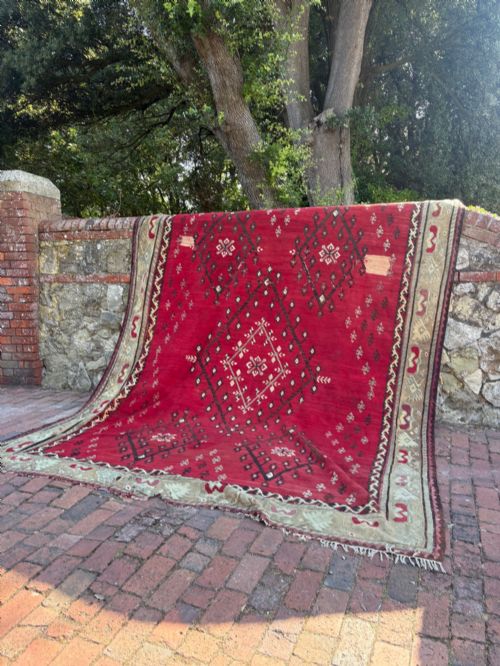
An anatolian tribal rug encompasses hand-knotted village and nomadic pieces originating from Turkey, spanning from the nineteenth century to the early twentieth century. Buyers seeking these items encounter regional forms such as Yahyali, Konya, Yuruk, Karapinar, and Malatya kilims.
Materials and construction
Makers utilised wool and hand-spun wool for the foundation and pile, ensuring durability and a heavy, tactile handle. Cotton also appears in the construction of these traditional textiles.
Weavers employed traditional village techniques to knot and weave each piece by hand, building geometric and classic designs using natural dyes that yielded deep colour.
Anatolian Tribal Rug Retail Price Guide 2026
Typical asking prices for anatolian tribal rug among the pieces listed under this phrase on Sellingantiques today, from the lower quarter to the upper quarter. They describe what is for sale here now, not the wider market.
Nomadic weavers frequently embedded small protective amulets directly into the geometric borders of their daily rugs.
Judging quality
Quality rests on the integrity of the weave, the clarity of the traditional design, and the depth of colour achieved in the wool. Pieces with strong regional character and well-preserved hand-spun wool stand apart from simpler examples.
Condition and age also dictate distinction, where textiles retaining their original proportions and saturated hues represent the upper tier of village and nomadic production.
The Anatolian Tribal Rug Glossary
- Kilim
- A flatwoven carpet or rug produced without a pile by tightly interweaving warp and weft strands. These textiles often feature sharp geometric patterns.
- Yuruk
- A term denoting rugs made by nomadic or formerly nomadic Turkmen groups in Anatolia. They typically display bold, geometric tribal motifs.
- Prayer rug
- A textile featuring a mihrab design or architectural arch indicating the direction of Mecca. These pieces served a specific devotional purpose in domestic life.
- Warp
- The vertical threads stretched upon a loom before weaving begins. The fringe of a finished rug is usually formed by these enduring tension strands.
- Weft
- The horizontal threads passed back and forth across the warp to hold the knots or flatweave in place. This structure gives the textile its lateral strength.
Anatolian Tribal Rug: Frequently Asked Questions
What is an anatolian tribal rug?
An anatolian tribal rug is a hand-knotted or flatwoven textile made by village and nomadic weavers in Turkey during the nineteenth and early twentieth centuries. These pieces utilise wool and hand-spun wool, featuring geometric patterns and regional designs.
They reflect centuries of domestic weaving traditions, ranging from prayer rugs to utilitarian floor coverings used in rural homes and country houses.
How do I identify a village rug?
Village rugs are identified by their non-commercial, local design characteristics, asymmetrical styling, and the use of hand-spun wool. Regional types often bear the names of specific towns or weaving groups.
Examining the back of the textile reveals the knotting density and irregularities typical of domestic production rather than large-scale manufactories.
Where should I place a kilim?
Kilims suit low-traffic areas of a home where their flatwoven structure experiences minimal crushing. They function effectively as floor coverings or wall hangings.
Placing them away from direct, harsh sunlight preserves the natural dyes used in their creation.
How do I care for antique wool rugs?
Care involves gentle vacuuming without a rotating brush bar and professional cleaning when necessary. Protecting the wool from damp environments prevents fibre degradation.
Using an appropriate underlay keeps the textile stable on hard floors and reduces friction during daily use.