
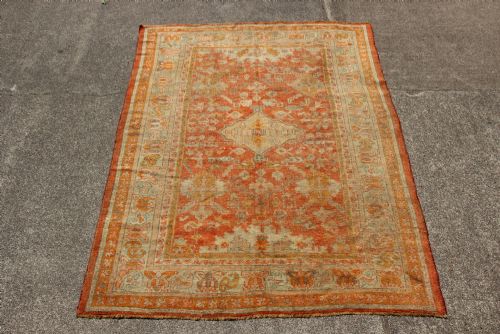
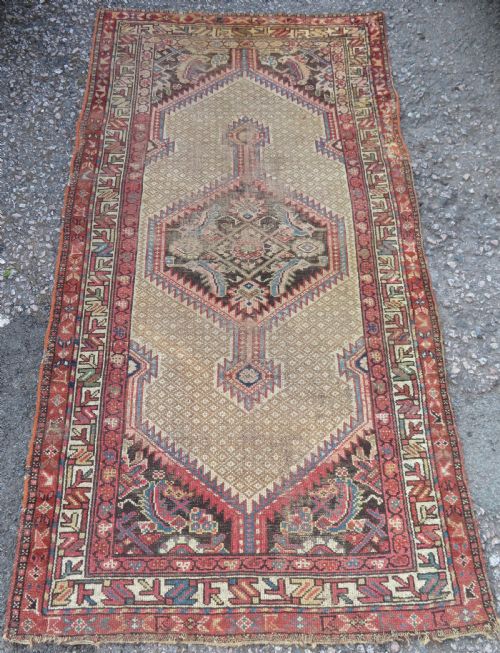
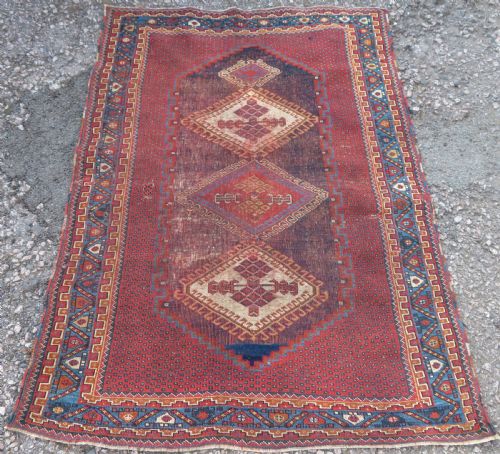
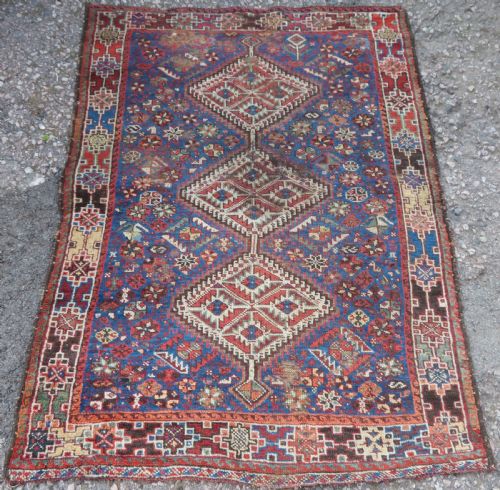

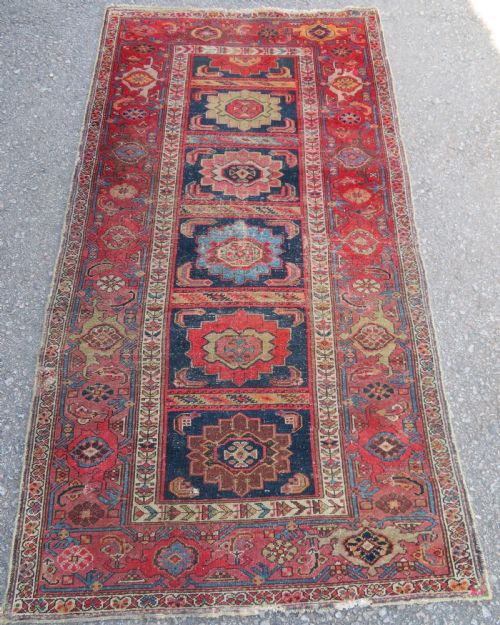
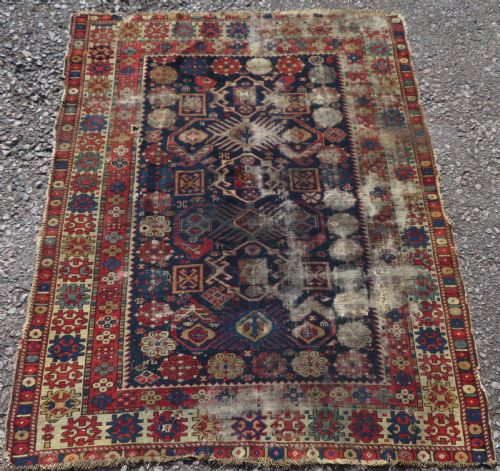
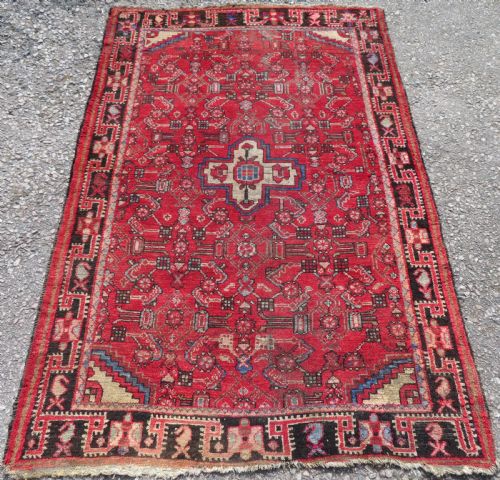
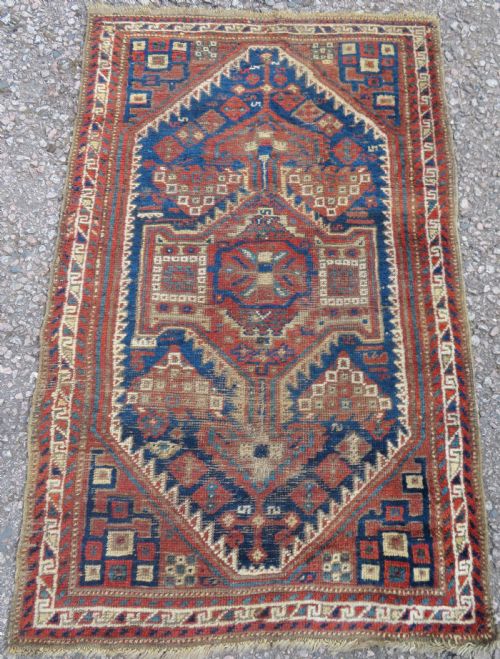


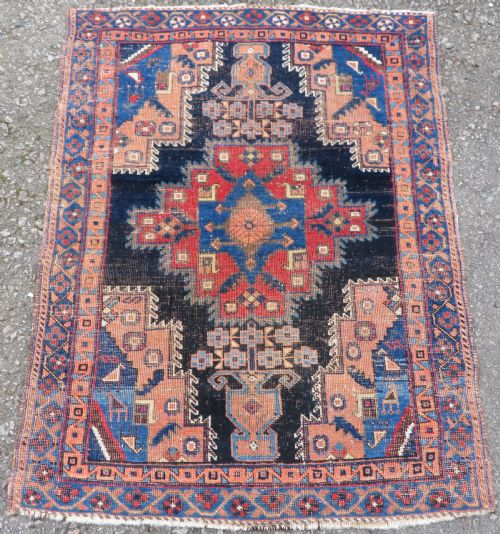
Distressed Oriental Rug
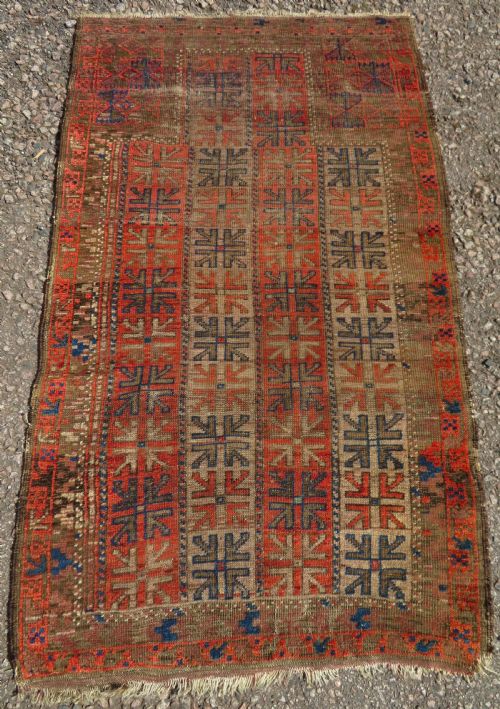
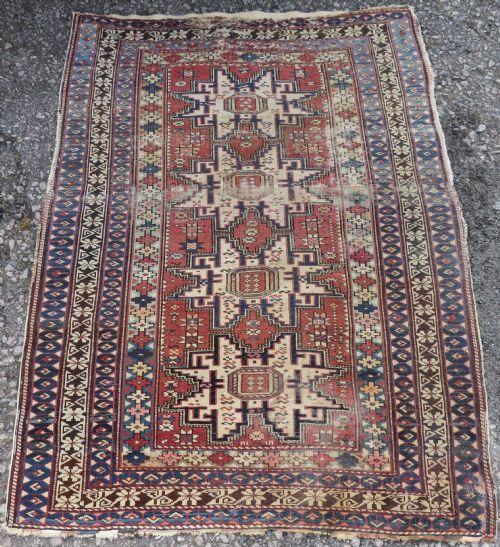
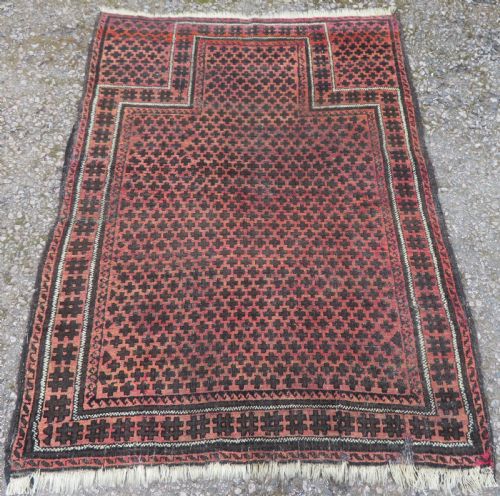
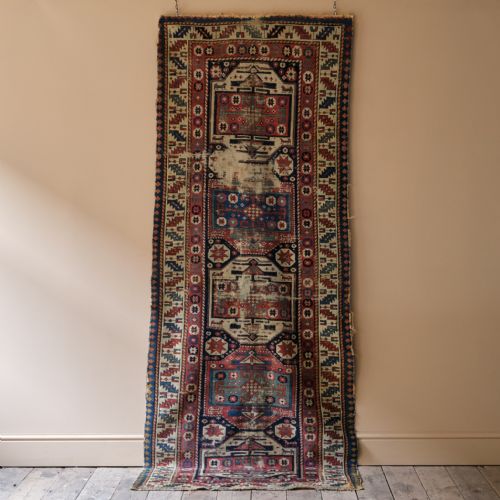
A distressed oriental rug brings genuine age, worn texture and rich tribal character into a room.
Distressed Oriental Rug
A distressed oriental rug encompasses handwoven floor coverings originating from Persia, the Caucasus and Turkey, dating from the nineteenth century into the early decades of the twentieth century. These pieces display the natural wear of decades or centuries, showing low pile, softened motifs and mellowed colours.
The selection includes specific regional types such as Afshar, Khamseh and Sarab tribal rugs alongside larger Oushak, Heriz and Kirman carpets. Buyers encounter everything from compact prayer rugs and long runners to substantial room-sized carpets.
Tribal and village pieces often show geometric medallions and boteh motifs, while city carpets present intricate floral fields. Each rug bears the distinct aesthetic of its weaving tradition, shaped by nomadic or workshop origins.
Materials and construction methods
Weavers utilised natural materials, constructing foundations in cotton or wool and knotting hand-spun wool pile by hand. Camel hair also appears in the pile of specific tribal pieces, adding natural tonal depth.
Colour comes from natural dyes derived from plants and minerals, which age gracefully over generations. Hand-knotting onto sturdy warps created resilient textiles designed to withstand daily use.
Distressed Oriental Rug Retail Price Guide 2026
Typical asking prices for distressed oriental rug among the pieces listed under this phrase on Sellingantiques today, from the lower quarter to the upper quarter. They describe what is for sale here now, not the wider market.
Some antique runners carry delightfully crooked geometries, showing where nomadic weavers improvised their borders.
Assessing quality in antique rugs
Quality rests in the fineness of the knotting, the balance of the composition and the integrity of the foundation. Finer knots allow for sharper detail in geometric or floral designs.
The harmony of the colour palette and the character of the worn patina also define superior pieces. Even with heavy wear, a successful rug maintains structural soundness in its remaining wool pile and secure edge bindings.
The Distressed Oriental Rug Glossary
- Pile
- The vertical tufts of wool or camel hair that form the surface of the rug. This soft layer absorbs wear and reveals the woven design.
- Warp
- The lengthwise foundational threads stretched on the loom. Weft threads pass across these to secure the knots in place.
- Boteh
- A traditional almond-shaped motif with a curved upper tip. This ancient symbol appears frequently across Persian and Caucasian weaving.
- Prayer rug
- A small format rug featuring a mihrab or niche design at one end. Historically used for individual daily prayers.
- Kilim
- A flatwoven carpet made without a pile. These pieces are constructed entirely by interlocking warp and weft threads.
Distressed Oriental Rug: Frequently Asked Questions
How do I care for an antique rug?
Vacuum gently with the suction attachment only, avoiding rotating brush bars that can pull old wool fibres. Rotate the rug every few months to ensure even exposure to light and foot traffic.
Professional cleaning should be carried out by specialists experienced in antique textiles. Avoid harsh chemical cleaners or excessive moisture.
Can I place these rugs in high traffic areas?
Many of these sturdy wool and cotton constructions withstand normal walking if supported by a quality underlay. The natural resilience of hand-spun wool handles daily movement well.
Fragile foundation areas or extremely low pile sections benefit from placement in quieter rooms or bedrooms to preserve their remaining structure.
What causes the distressed appearance?
Natural patination develops through decades or centuries of foot traffic, sunlight exposure and gentle washing. This gradual softening mutes the original bright dye colours into gentle secondary tones.
Some pieces achieve this look through natural age and use, while others show the honest thinning of wool over generations of daily domestic life.
How do I identify a tribal rug?
Tribal rugs display bold geometric patterns, repeating hooked polygons and asymmetrical village designs rather than formal court florals. They reflect the nomadic or pastoral lifestyle of the weavers.
Materials often include thicker hand-spun wool and camel hair, housed in smaller formats like runners or scatter rugs suitable for portable looms.