





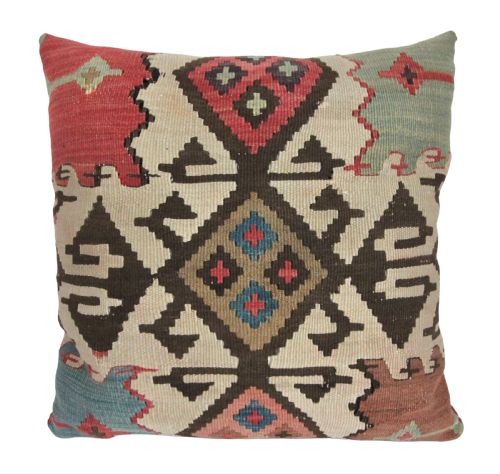
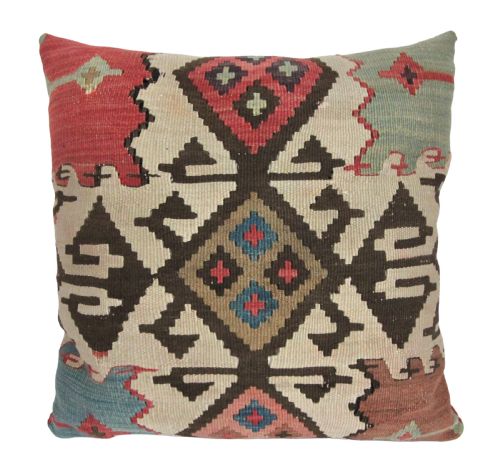


Anatolian Kilim Cushion
An anatolian kilim cushion brings flat-woven tribal textiles into modern interiors as durable seating accents.
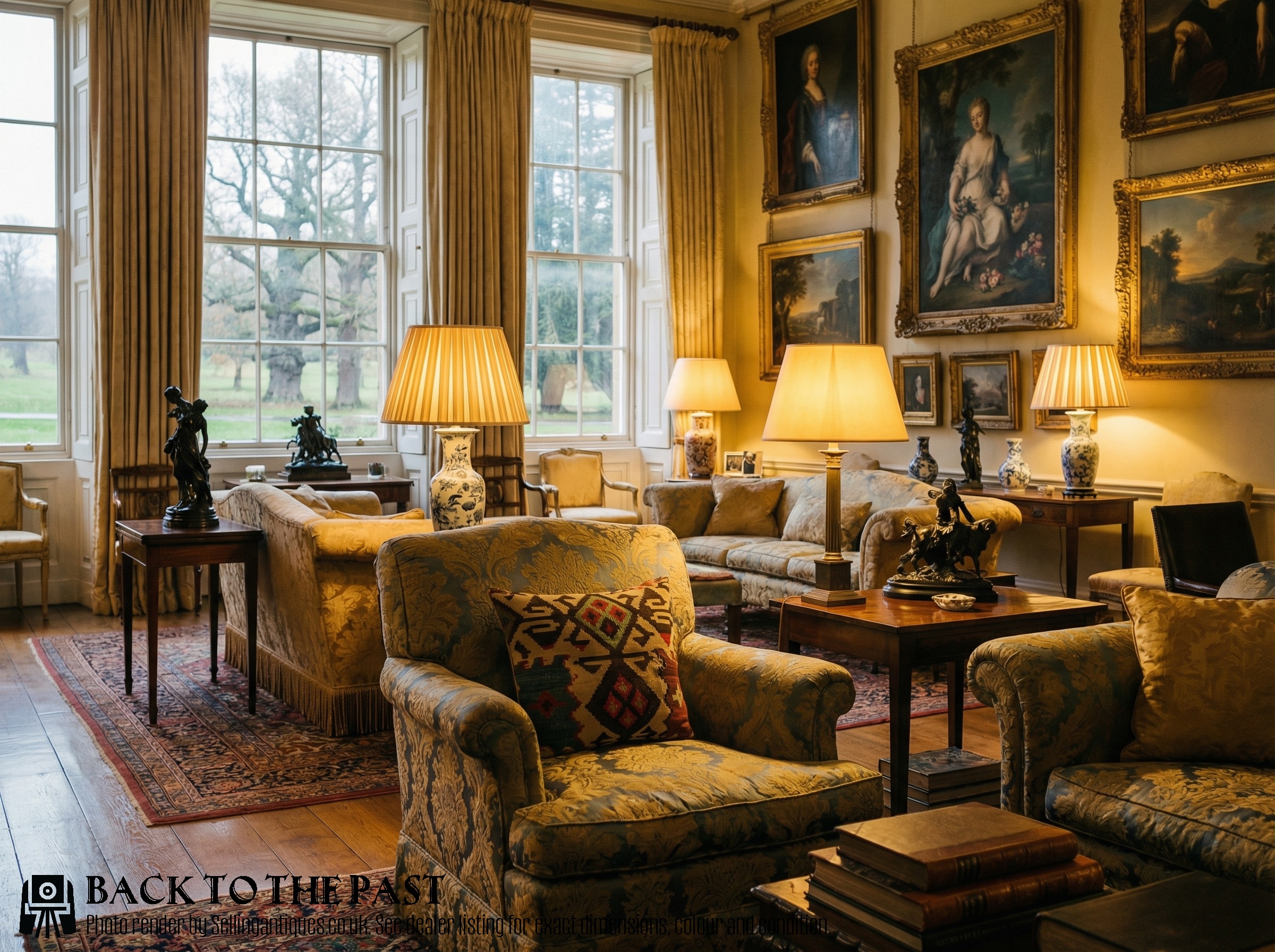
Anatolian Kilim Cushion
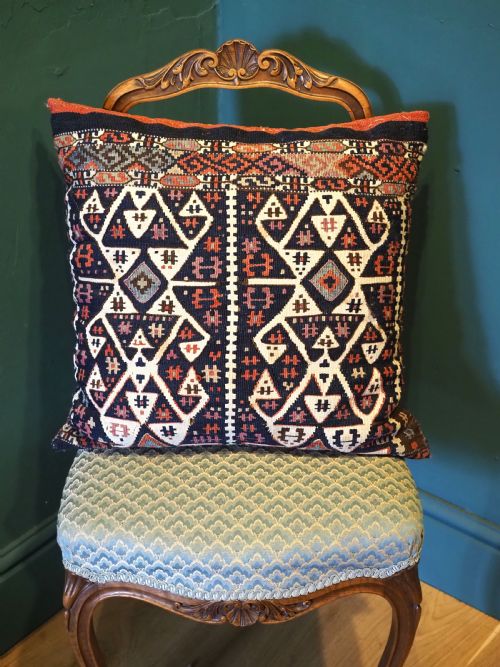
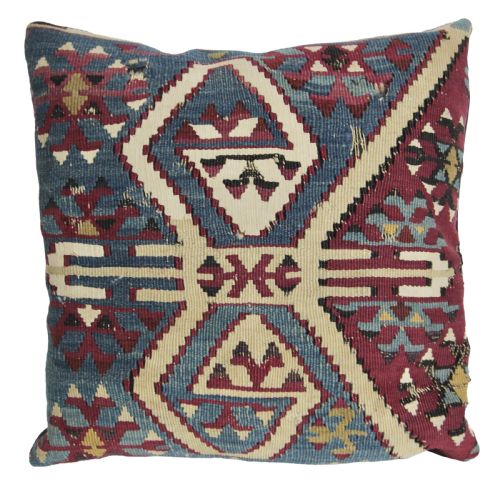
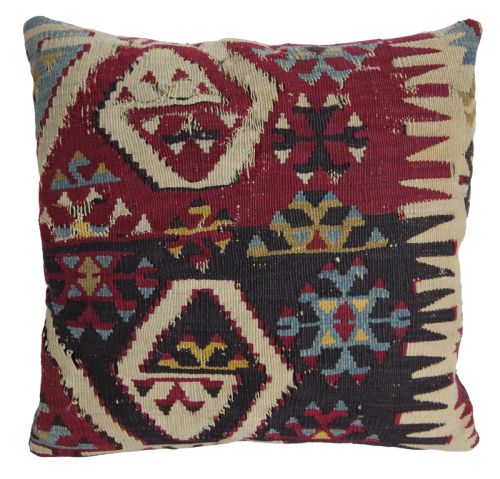
An anatolian kilim cushion repurposes historic woven flat-weaves into decorative home furnishings. These pieces take forms such as throw cushions and larger floor pillows.
The selection here draws primarily on nineteenth-century and early twentieth-century examples. You will frequently encounter items originating from traditional and nomadic tribal workshops.
How they were made
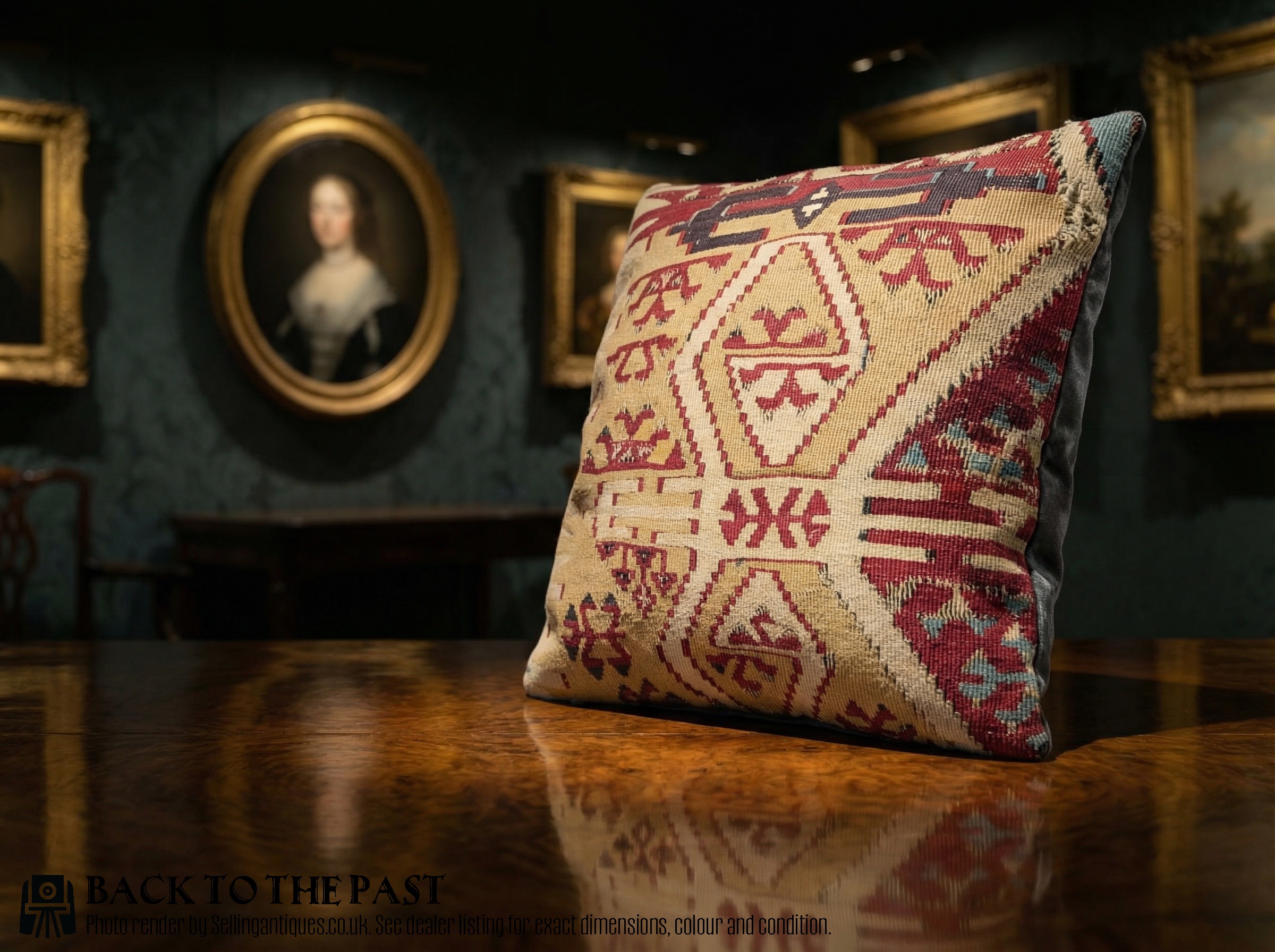
Maker construction relies heavily on hand-woven wool and cotton textiles. Artisans utilised traditional flat-weaving techniques inherited from nomadic weaving traditions.
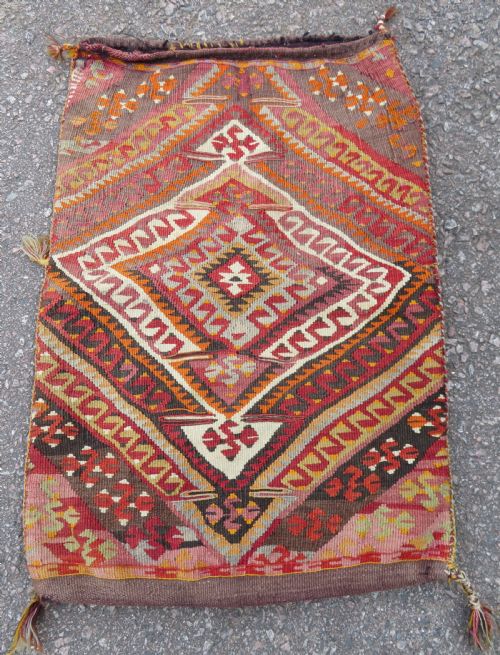
Many examples incorporate repurposed saddle bags and bag faces. These functional fragments were adapted into cushion format while retaining their original structural weave.
Anatolian Kilim Cushion Retail Price Guide 2026
Typical asking prices for anatolian kilim cushion among the pieces listed under this phrase on Sellingantiques today, from the lower quarter to the upper quarter. They describe what is for sale here now, not the wider market.
Your sofa is essentially supporting nineteenth-century animal transport gear.
What varies in quality
Quality differences depend upon the tightness of the weave and the preservation of the original textile surface. Tighter construction yields a firmer handle and greater resilience during daily use.
The integrity of the wool and cotton yarns dictates overall durability. Pieces retaining strong structural integrity in their flat-weave foundations represent the higher tier of the range.
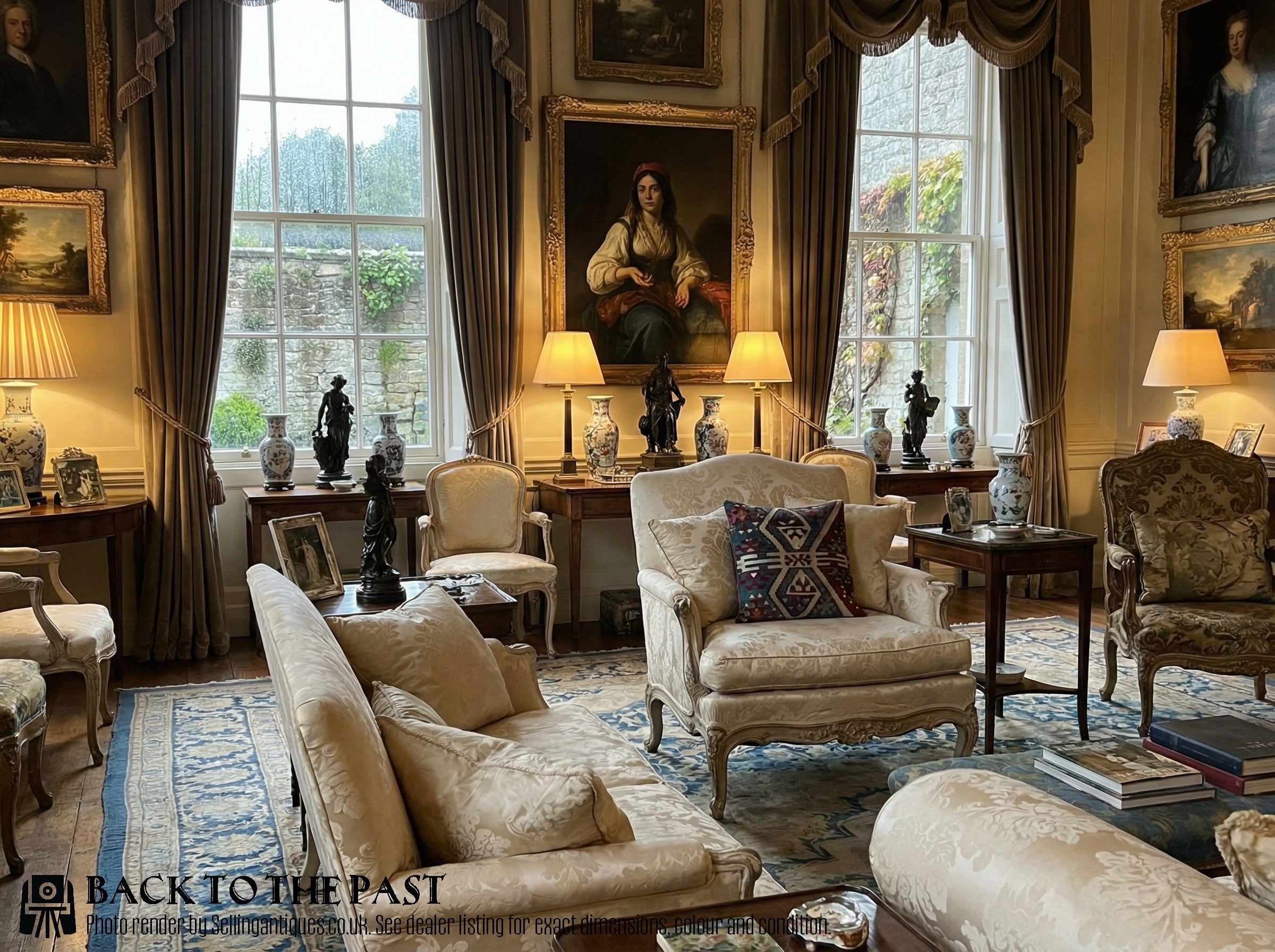
The Anatolian Kilim Cushion Glossary
- Kilim
- A flat-woven carpet or rug produced in Anatolia and surrounding regions. This technique omits pile entirely, creating a smooth surface texture.
- Juval
- A large nomadic storage bag used for household possessions. Fragments of these bags are frequently adapted into cushion covers.
- Saddle Bag
- A paired pouch used historically on pack animals for transport. These items provide durable woven panels for cushion conversion.
- Flat-weave
- A textile constructed by interweaving warp and weft threads without knotted pile. This method creates a thin, flexible fabric suited to domestic upholstery.
Anatolian Kilim Cushion: Frequently Asked Questions
How do I clean an anatolian kilim cushion?
These wool and cotton textiles require gentle professional cleaning to preserve the historic fibres. Regular light vacuuming with a low suction attachment helps remove surface dust.
Avoid soaking the fabric or using harsh chemical detergents. Spot cleaning should be approached with caution to prevent dye transfer.
What periods do these cushions date from?
The inventory spans the nineteenth and early twentieth centuries. Dates commonly range from eighteen-fifty through to nineteen-twenty.
Listing titles record specific decades such as eighteen-seventy and nineteen-hundred. The materials reflect traditional nomadic production methods of those eras.
Are these cushions made from old carpets?
Many examples utilise sections harvested from historic saddle bags and bag faces rather than full carpets. These panels were originally created for nomadic utility.
Repurposing these textiles gives damaged or surplus tribal weaving a practical domestic function. The resulting cushions display authentic period patterns.
How do I style a kilim cushion?
These textiles complement both contemporary and traditional interior seating arrangements. Their tribal patterns introduce texture and colour to plain sofas or benches.
Pairing multiple cushions together can create a layered aesthetic. Consider placing them on armchairs or using larger formats as floor seating.