

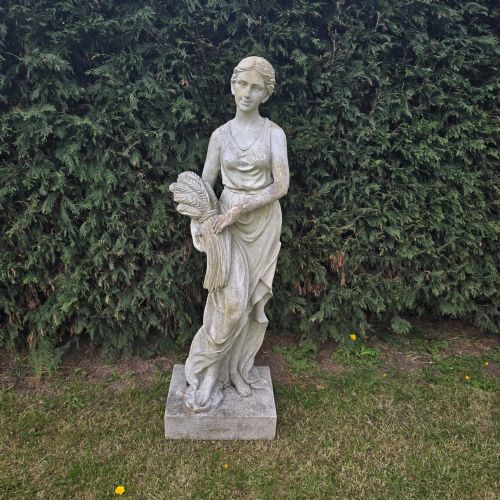



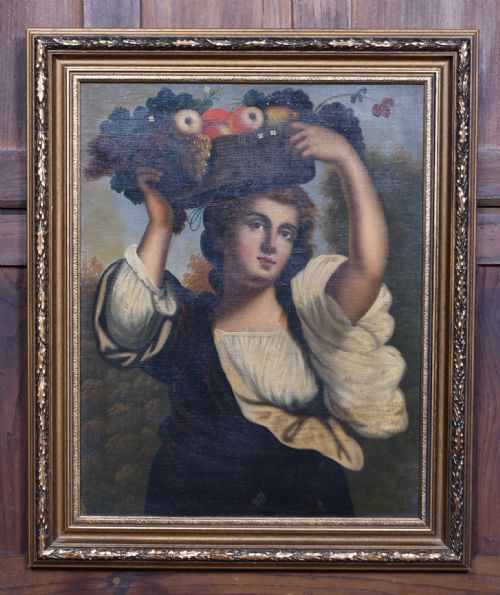

Allegorical Female Figure
An allegorical female figure embodies an abstract concept like the seasons, virtues or arts through classical sculpture, bronze and painting.
Allegorical Female Figure
An allegorical female figure represents an abstract idea such as seasons, virtues, or natural elements through personification. When you search for this phrase, you encounter representations that translate philosophical or seasonal concepts into physical form.
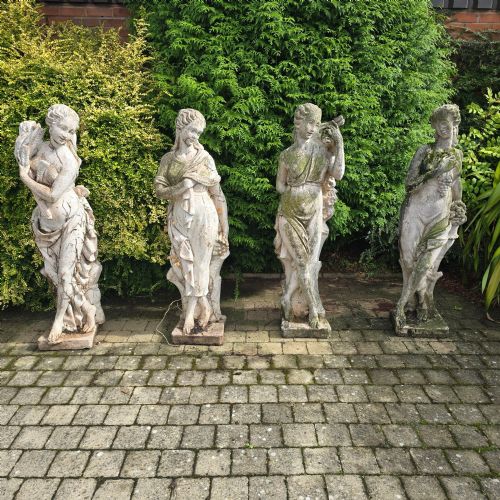
The pieces appearing on this page span several centuries and media, ranging from large garden statues and marble carvings to delicate porcelain figurines and oil paintings. Victorian and twentieth-century interpretations sit alongside eighteenth-century works.
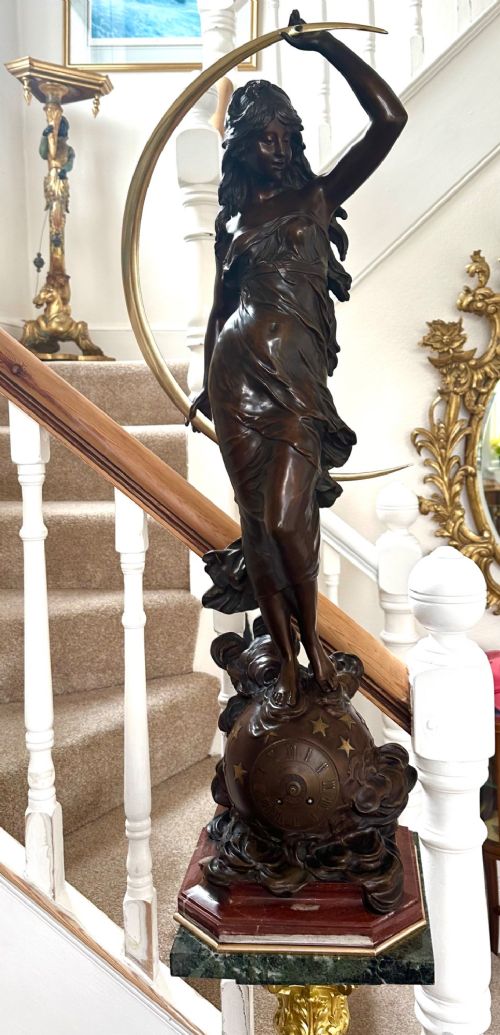
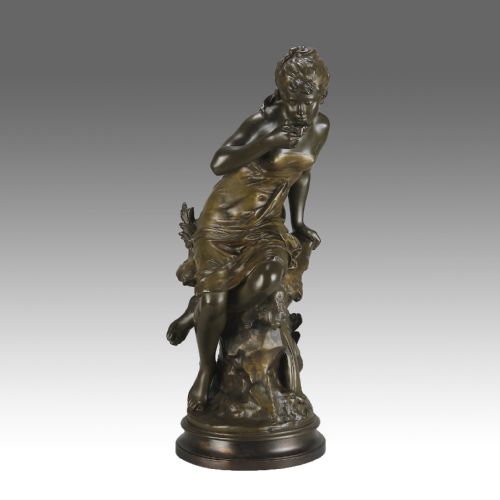
Bronze castings, carved marble and oil paintings dominate the selection, depicting subjects like the Four Seasons, nymphs, and mythological personifications. These works served as decorative centrepieces, garden ornaments and functional items such as lamps and clocks.
Materials and construction methods
Foundry casting shapes the metal pieces in this selection, utilising bronze, ormolu, gilt bronze and spelter to capture intricate drapery and expressive poses. Sculptors also carved solid marble, alabaster, reconstituted stone and cast stone for both interior and exterior display.
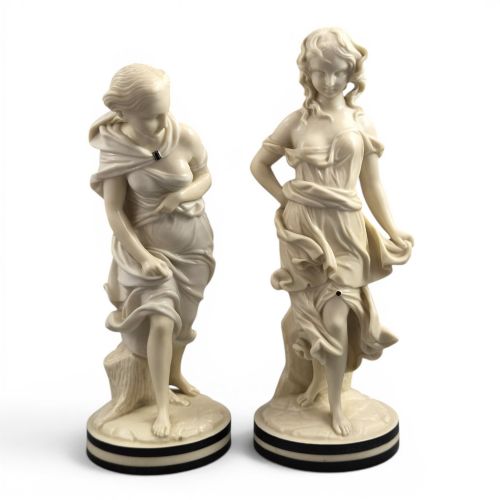
Painters employed oil on canvas and oil on board to create allegorical canvases, applying rich pigments to depict complex mythological scenes. Porcelain works from factories like Royal Worcester, Volkstedt and Achille Mollica utilise glazed ceramic and enamel details.
Makers combined materials through techniques such as mounting bronze figures onto clock bases or integrating lighting elements into figural lampbases. Carved wooden elements and gold leaf finish select decorative objects.
Listings feature periods spanning from the 18th century through the Victorian era and the Art Nouveau movement up to 1930.
Distinctions in quality
Material density and composition separate robust garden statuary from interior cabinet pieces, with solid marble and heavy bronze contrasting against cast metal or spelter alternatives. Painted works derive their distinction from brushwork control, tonal depth and the preservation of the original pigment.
Signatures from established sculptors and documented output from notable porcelain factories elevate the standing of a piece within its category. The integrity of the material, whether weathered stone or gilded ormolu, indicates how well a work has endured.
August Moreau·Mathurin Moreau·James Hadley·Ernst Barrias·Pugi·Volkstedt·Guiseppe Mazzolini·Achille Mollica·Jean-Jules Cambos·Frankenthal
The Allegorical Female Figure Glossary
- Allegory
- The representation of abstract ideas or principles by characters, figures, and events in descriptive or pictorial form. This artistic device underpins every piece listed under this search.
- Ormolu
- Gilt bronze produced by applying a finely ground, high-carat gold-mercury amalgam to an object of bronze. French makers frequently utilised this technique on decorative clocks and lamps.
- Spelter
- A zinc alloy used as an economical alternative to bronze for sculptural castings. It commonly receives a bronze-coloured patination to mimic more expensive metalwork.
- Sibyl
- A prophetess in ancient Greek and Roman mythology who uttered divine revelations. Representations of these figures appear in eighteenth-century oil paintings.
Allegorical Female Figure: Frequently Asked Questions
What does an allegorical female figure represent?
These figures personify abstract concepts, virtues, seasons, or mythological themes rather than specific historical individuals. Common subjects include the Four Seasons, spring, peace, and artistic disciplines.
Artists used recognizable attributes, such as flowers for spring or a heart for affection, to communicate the intended meaning to contemporary viewers.
Where were these sculptures originally displayed?
Sculptures in marble and bronze served as interior gallery or salon pieces, while robust cast stone and reconstituted stone versions decorated gardens and courtyards. Smaller porcelain figures and clocks found places on mantels and tabletops.
Paintings hung in formal rooms, and figural lampbases combined illumination with classical decoration in domestic spaces.
How do I distinguish bronze from spelter?
Bronze is heavier, colder to the touch, and develops a stable, deep patina over time without flaking. Spelter is a softer zinc alloy that often shows a lighter weight and may reveal grey metal beneath worn paint or patination.
Casting seams also appear more prominent on lower-priced spelter figures than on finely chased bronze sculptures.
How do I care for antique marble and bronze?
Dust bronze pieces gently with a soft cloth and avoid abrasive cleaners that damage the patina. Marble requires simple dusting and occasional cleaning with mild, pH-neutral soap and water for unsealed surfaces.
Keep both materials away from direct heat sources and excessive moisture to preserve their condition.