

After the Statue
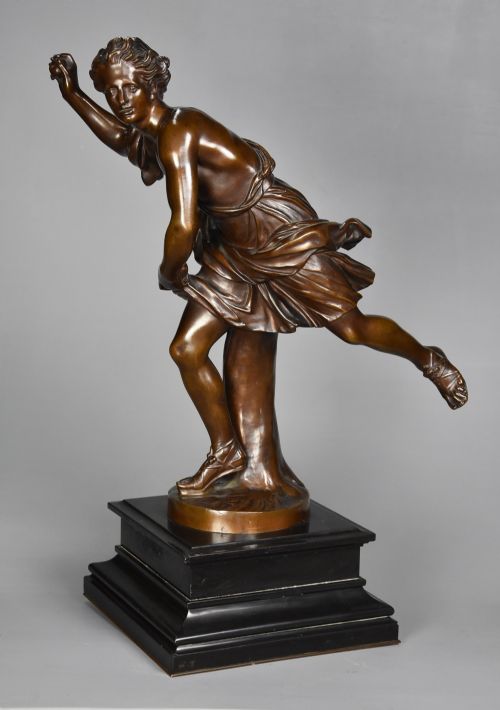
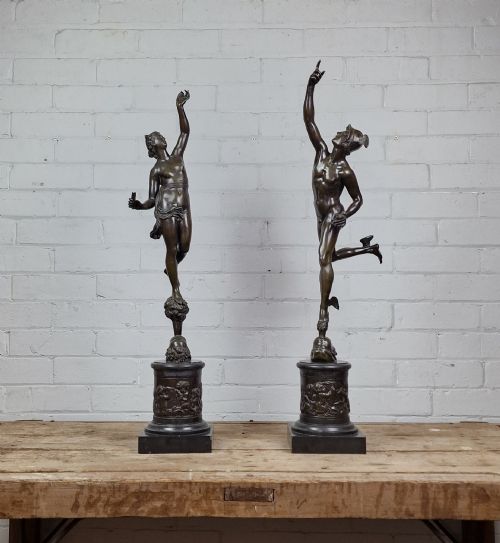
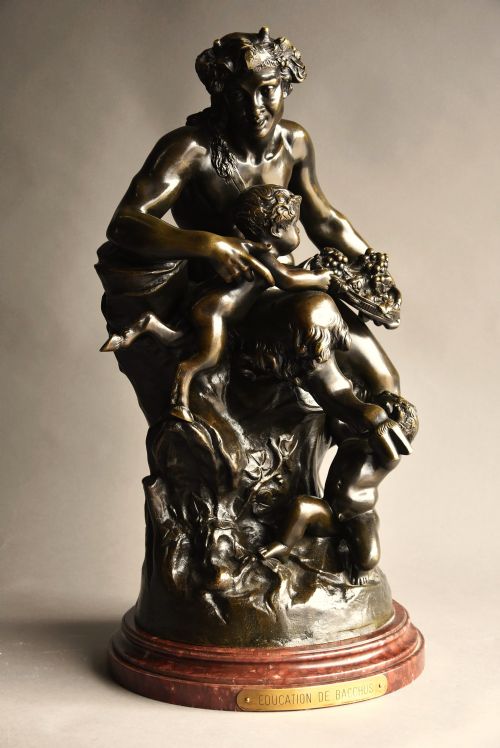
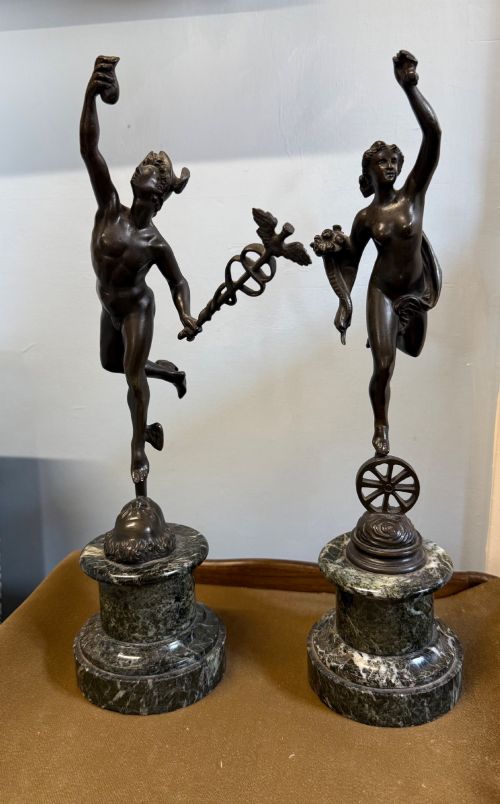
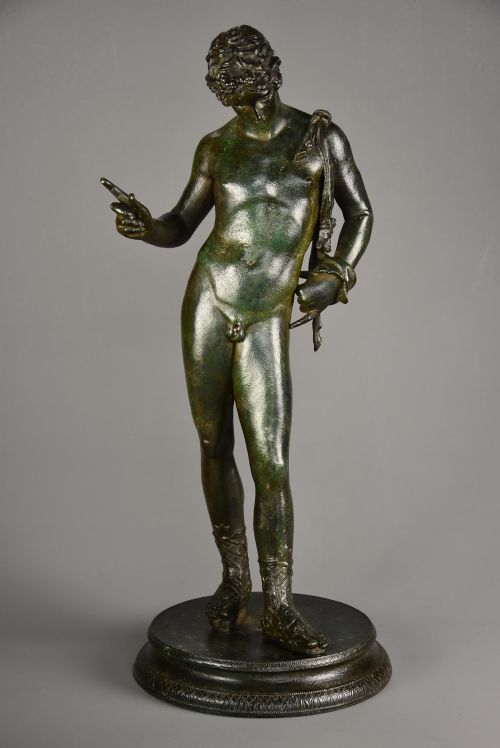
When you search after the antique statue, you are looking for reductions and souvenir bronzes that bring classical sculpture into domestic rooms.
After the Statue
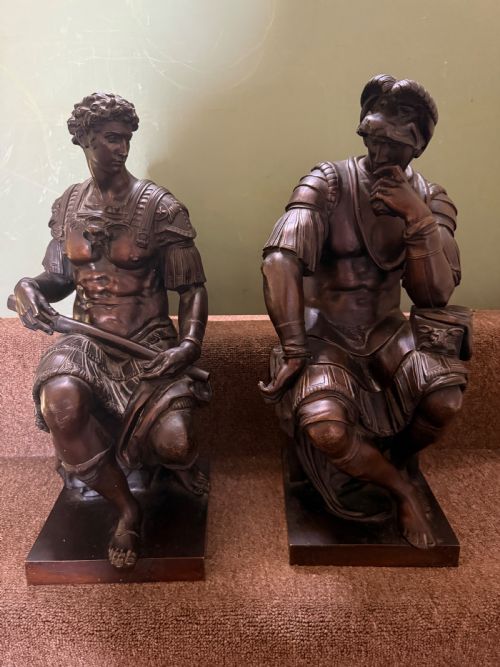
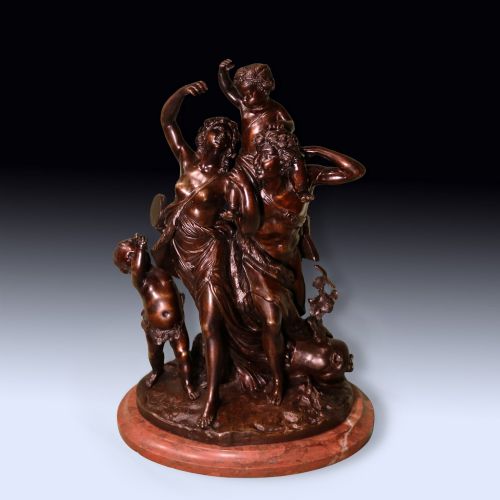
When you search after the antique statue, you encounter reductions and souvenir bronzes produced to bring classical sculpture into private rooms. These pieces emerged principally across the nineteenth century as European workshops responded to the appetite for antiquity and the Renaissance.
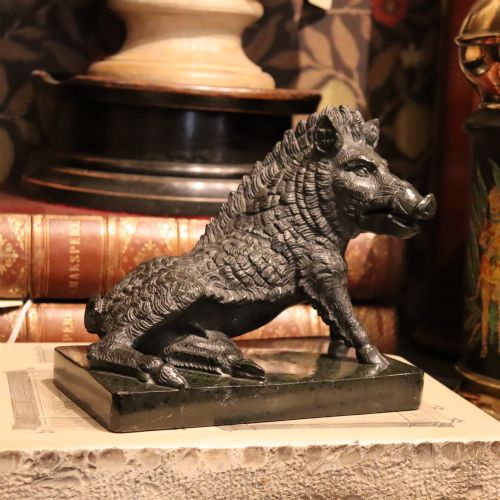
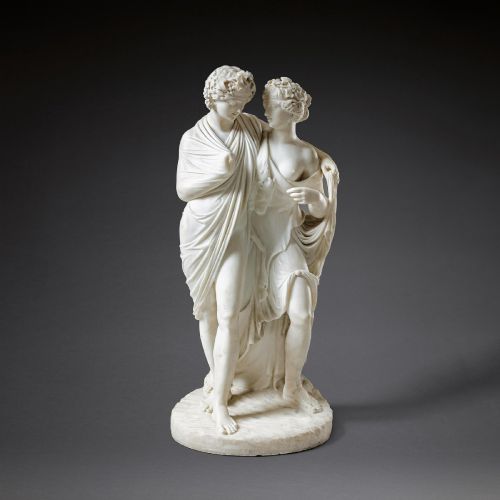
The most common examples on this page are Grand Tour bronzes and marble models acquired by travellers in Italy. Sculptures after masterworks by ancient Greek, Roman, and Renaissance sculptors dominate the selection.
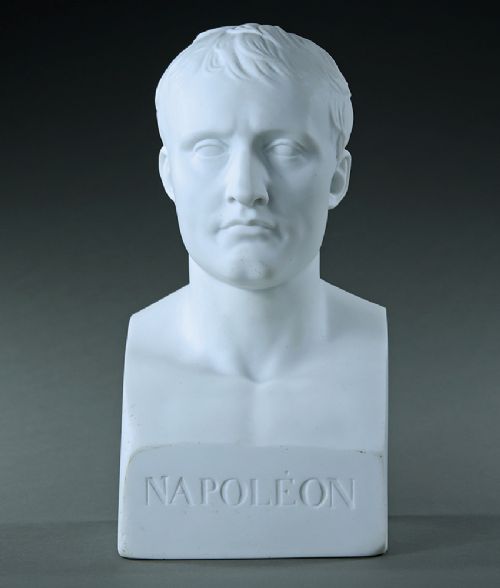
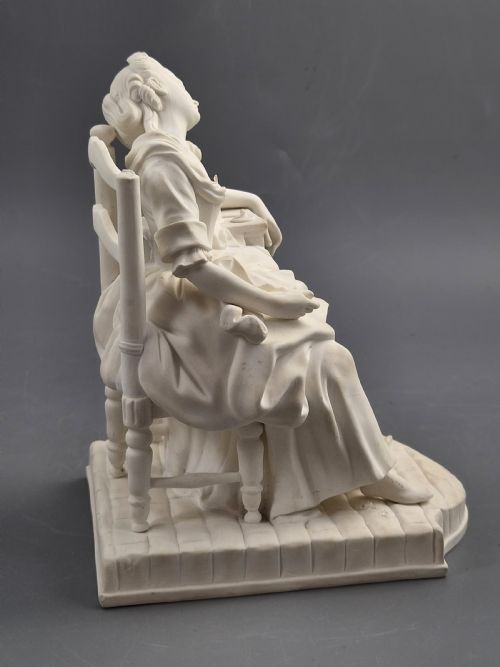
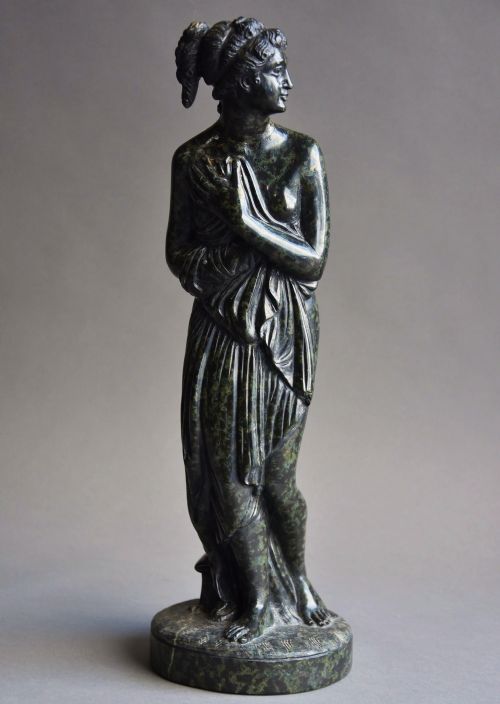
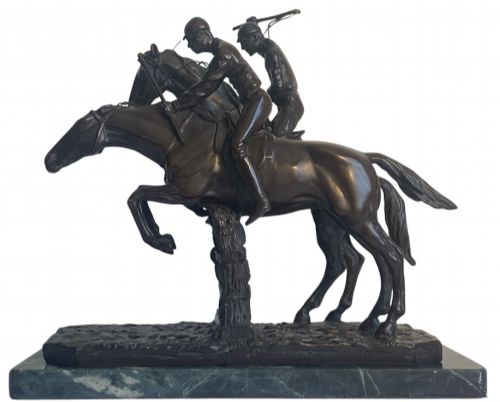
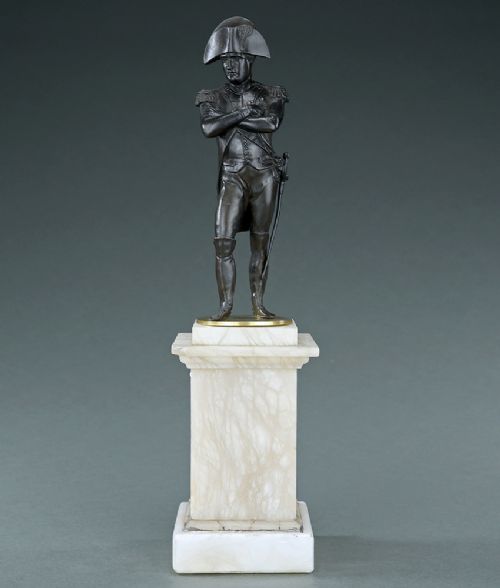
Subjects range from mythological figures and deities to animalier studies and portrait busts. They appear in mediums from patinated bronze to carved marble and parian porcelain.
How they were made
Foundries utilised the lost-wax method or sand casting to achieve fine detail in metal. Patination was applied chemically to simulate ancient burial or to highlight specific tones.
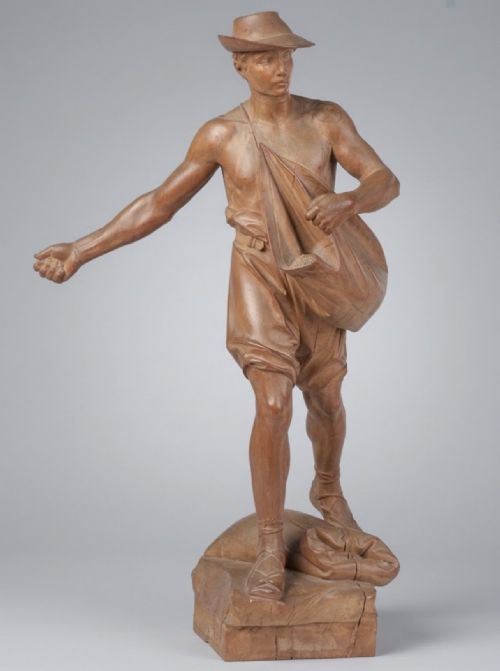
Carved pieces were shaped from blocks of marble, serpentine, or fruitwood using pointed chisels and rasps. Parian porcelain figures were slip-cast in moulds and fired at high temperatures to imitate marble textures.
The periods represented span the Georgian era through the late nineteenth century and into the nineteen-thirties.
What varies in quality
Surface finish dictates value as much as the casting itself. A thoughtfully applied patination with subtle tonal variation holds the eye, whereas flat lacquer diminishes the depth of the form.
Carlo Albacini·Barbedienne·Antonio Canova·Jules Bonheur·Giambologna
The After the Statue Glossary
- Grand Tour
- A traditional trip of Europe undertaken by upper-class European young men of sufficient means. Objects acquired on these travels often replicated famous classical monuments.
- Patination
- The surface treatment or colour applied to metal or stone over time or through chemical agents. It alters the visual depth and provides realistic ageing.
- Parian Porcelain
- A type of biscuit porcelain developed in England to imitate white marble. It allowed nineteenth-century manufacturers to replicate classical statues at a smaller scale.
- Reduction
- A scale copy of a larger monument or statue. Foundries produced these to allow collectors to display famous public sculptures inside private homes.
- Animalier
- A nineteenth-century artistic style focusing on the realistic portrayal of animals. Sculptors in this tradition captured creatures in motion or at rest with anatomical precision.
After the Statue: Frequently Asked Questions
What is an after the antique statue?
These works are nineteenth-century sculptural copies of famous classical, Hellenistic, or Renaissance masterpieces. They were produced as souvenirs for travellers or as affordable art for home display.
Foundries and studios across France, Italy, and Britain created them in bronze, marble, and porcelain. They allowed nineteenth-century collectors to own miniature versions of museum centerpieces.
How do I date a Grand Tour bronze?
Dating relies on the quality of the casting, the nature of the patina, and the material of the base. Nineteenth-century examples often display specific foundry stamps or registry marks.
Examination of the underside can reveal construction methods and wear consistent with age. Older patinas tend to show subtle tones built up through handling rather than uniform modern spray.
Where should I display a bronze figure?
These pieces suit mantelpieces, library tables, and dedicated display cabinets where their profiles can be appreciated. Direct sunlight should be avoided to protect chemical patinas on the metal surfaces.
Placing them at eye level allows the viewer to observe the fine chasing and detail. Stability is essential, particularly for heavier marble or bronze group sculptures.
What is the difference between bronze and parian?
Bronze is a metal alloy of copper and tin that takes a chemical patination and captures sharp muscular detail. Parian is a fine ceramic biscuit porcelain designed specifically to imitate white marble.
Bronze offers durability and dark, reflective tones. Parian provides a matte, luminous surface reminiscent of ancient carved stone.