




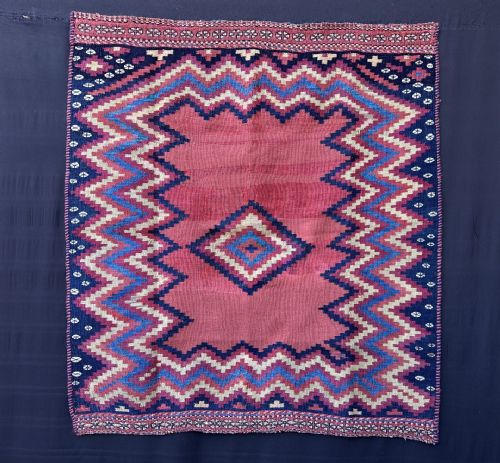


Afshar Wall Hanging
An afshar wall hanging brings vibrant Persian tribal history into a room through hand-woven textiles created by nomadic makers.
Afshar Wall Hanging
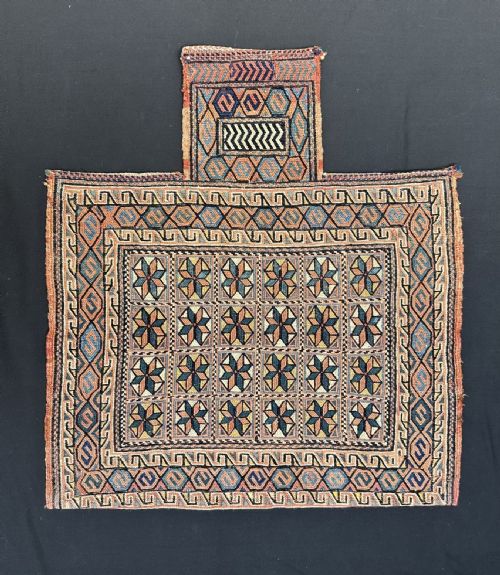
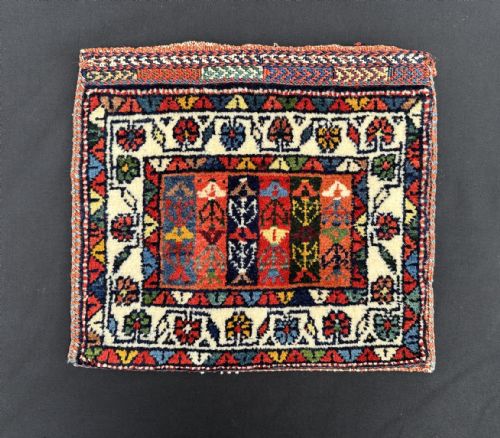
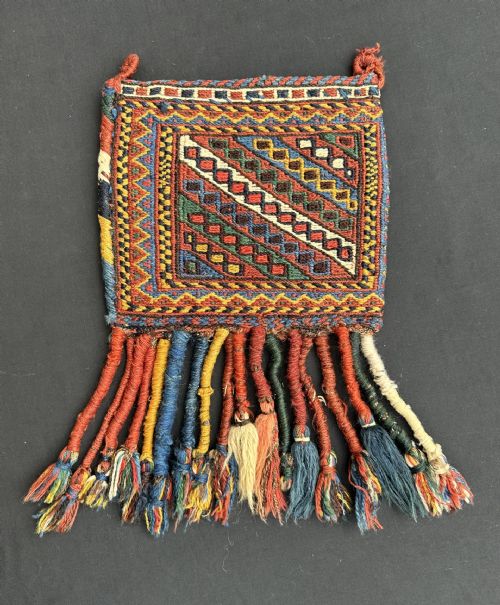
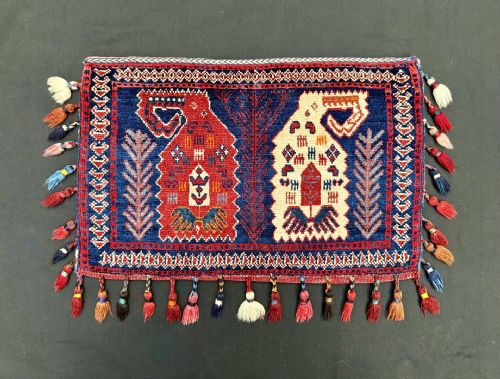
When you search for an afshar wall hanging, you encounter genuine Persian tribal textiles originating from the Kerman province in South Persia. These items span a period from 1880 to 1920 and encompass various forms created by nomadic groups.
The objects on this page consist primarily of repurposed utilitarian items such as tobacco and pipe bags, salt bags, vanity bags, bread sofreh cloths, and saddlebag faces. Nomadic weavers produced these textiles for daily domestic use before they entered the decorative market.
Assessing quality in nomadic textiles
Quality in these pieces rests upon the fineness of the weave and the vibrancy of the natural dyes used across the surface. Tighter construction and superior wool lustre elevate certain bags and sofreh cloths above standard utility examples.
The complexity of the design work, such as large boteh motifs or intricate tribal patterns, distinguishes finer examples. Preserved structural integrity across the plain weave backs and faces also indicates superior craftsmanship.
Cowrie shells occasionally appear stitched into these utility bags, adding a tactile element meant to ward off misfortune.
The Afshar Wall Hanging Glossary
- Sofreh
- A flatwoven cloth used for dining or bread preparation among nomadic tribes. These textiles often feature geometric patterns and serve multiple domestic functions.
- Chanteh
- A small personal bag or vanity pouch woven by tribal groups. Collectors prize these miniature textiles for their concentrated design work.
- Soumak
- A wrapping technique used in flatweaving that creates a sturdy fabric with a textured, braid-like surface on the front. This method provides durability to salt bags and storage pouches.
- Boteh
- A stylised almond or paisley motif representing a floral shoot or cypress tree. This ancient design appears frequently in Persian tribal weaving.
Afshar Wall Hanging: Frequently Asked Questions
How were these bags used originally?
Nomadic tribes utilised these textiles for practical storage and domestic routines rather than decoration. Items like salt bags, tobacco pouches, and vanity bags held personal possessions during seasonal migrations.
Bread sofreh cloths served as clean surfaces for rolling and eating bread within the tribal camp.
How do I hang a textile safely?
Mounting a textile requires weight distribution that does not strain the hand-spun wool and cotton fibres. Professional conservators often recommend using a fabric sleeve stitched to the reverse.
Avoid direct sunlight to protect the natural dyes from fading over time.
How are the production dates determined?
Experts date these pieces by examining the wool quality, dye composition, and structural characteristics typical of specific decades between 1880 and 1920.
Regional variations within the Kerman province also provide clues to the approximate period of creation.