



Afshar Tribal Weave
These resilient pieces of afshar tribal weave bring the striking geometry and rich history of South Persian nomadic craft directly into a modern interior.
Afshar Tribal Weave
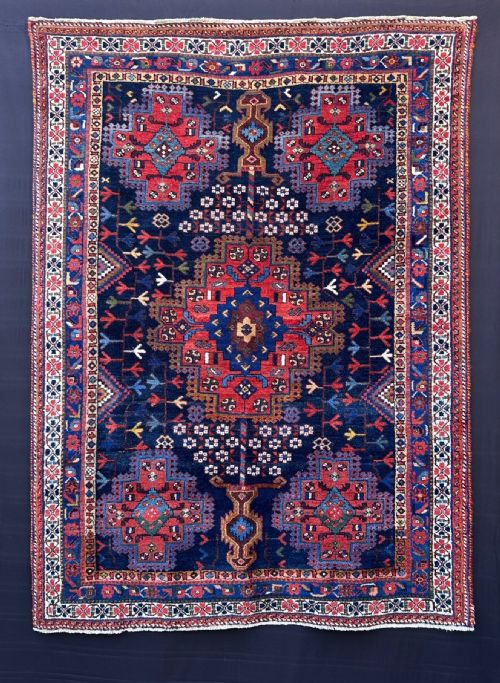
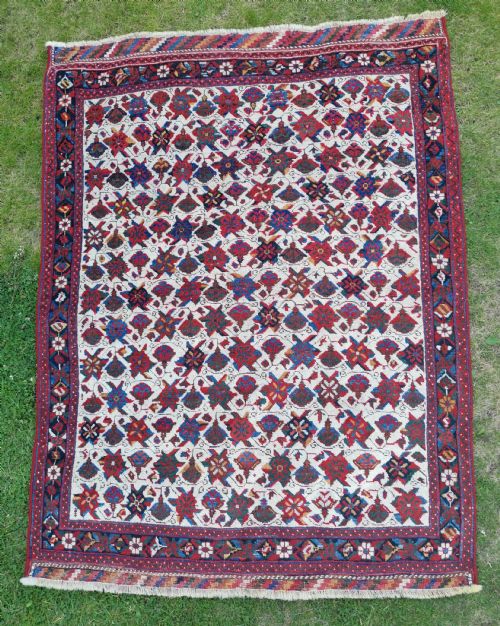
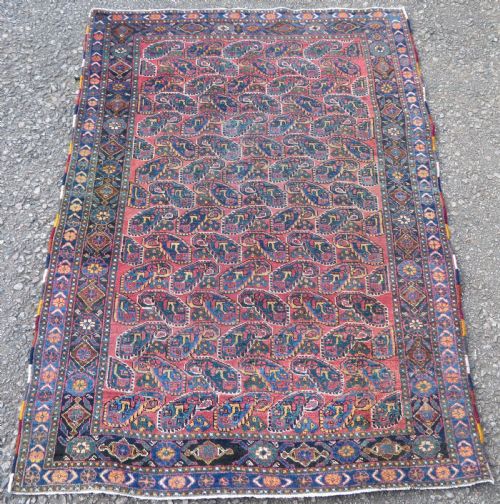
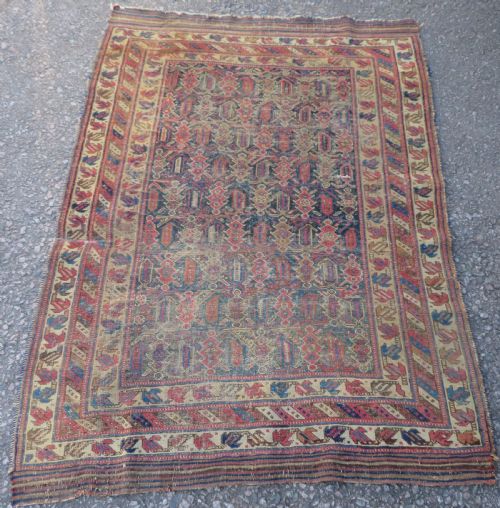
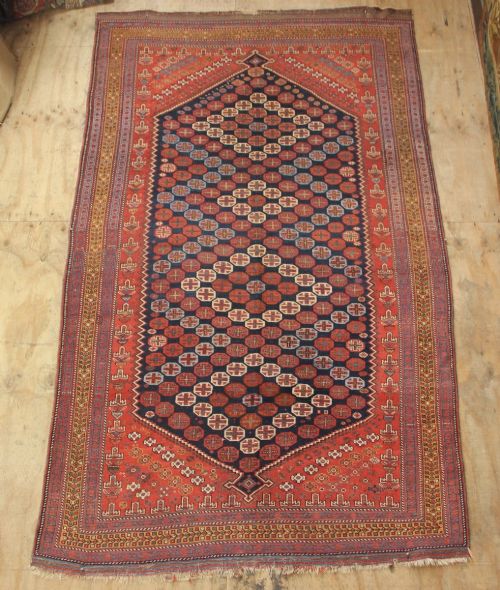
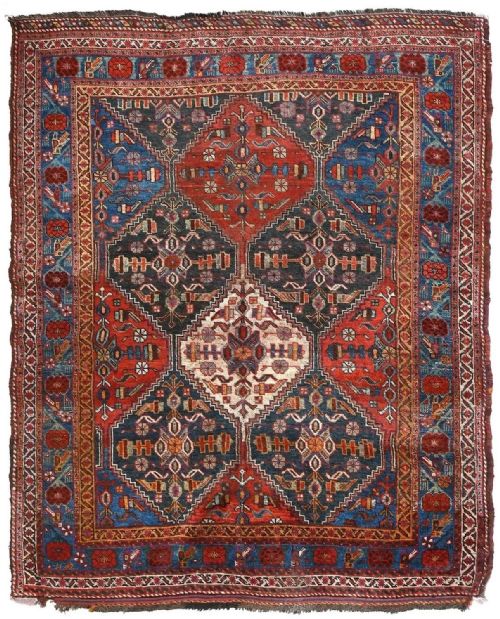
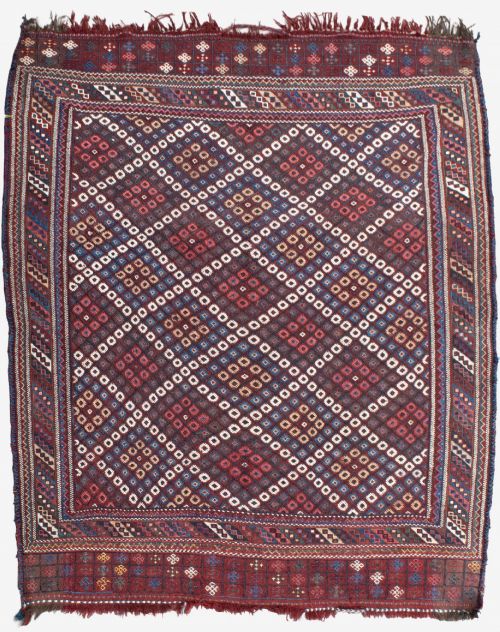
When you search for an afshar tribal weave, you encounter floor coverings and utilitarian storage items created by nomadic and village populations originating primarily in the Kerman Province of South Persia. The examples available on this page date from the nineteenth and early twentieth centuries, spanning periods between eighteen-sixty and nineteen-twenty.
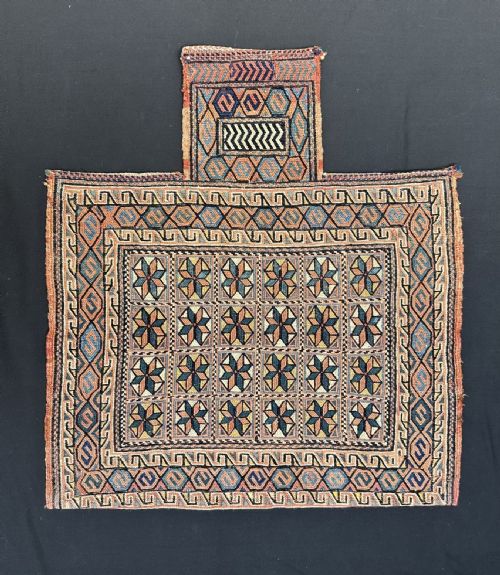
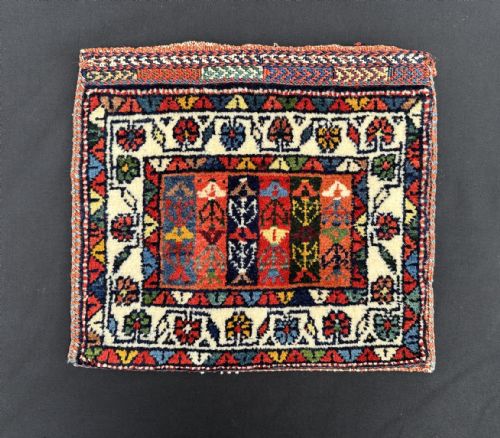
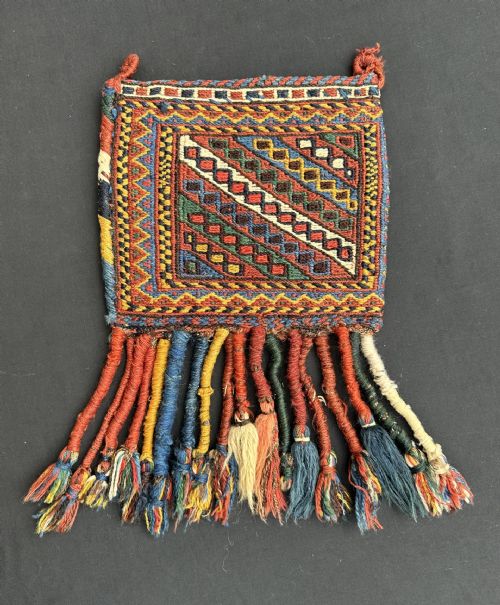
The assortment includes floor rugs, carpets, and runners alongside specific tribal textiles such as salt-bags, vanity-bags, saddle-bag faces, and bread sofreh cloths. These diverse formats reflect the functional domestic and nomadic requirements of the weavers who produced them in regions including Bardsir, Neiriz, and the Jebal Barez Mountains.
Most pieces display classic regional characteristics, such as repeat herati patterns, large boteh motifs, vase designs, or dragon and phoenix compositions set against grounds of varied colour. Buyers seeking authentic nomadic weaving will find both compact bag faces and larger room-size carpets within this curated selection.
Judging quality and execution
Distinction across the range relies heavily on the handle of the wool and the precision of the tribal geometry. Pieces utilising particularly lustrous, luminous wool demonstrate superior material selection by the weaver.
Clarity of the natural dye palette and crispness in executing complex motifs, such as the herati or large boteh designs, separate standard village work from finer tribal examples. The condition of the flat-weave backs on bags and the structural integrity of the pile further distinguish individual items.
Certain antique pouches incorporate cowrie shells into their weave, adding a tactile element meant to ward off bad fortune.
The Afshar Tribal Weave Glossary
- Sofreh
- A woven spread or cloth used for eating, kneading bread, or serving meals. These flat-woven or pile textiles often feature symbolic geometric layouts.
- Soumak
- A flat-weave technique where coloured weft threads wrap around the warp threads in a continuous brocading manner. This method produces a durable, textured surface commonly found on bags and animal trappings.
- Boteh
- A stylized floral motif resembling a almond, pear, or curved pine cone. It appears frequently in various sizes across Persian tribal carpets and bag faces.
- Herati
- A repeating pattern composed of a central rosette enclosed by a rectangle of leaves flanked by fish. This classic design is a staple of Persian weaving traditions.
- Warp and Weft
- The foundational threads of a textile. The warp runs vertically from end to end, while the weft runs horizontally across the width to lock the knots or weave in place.
Afshar Tribal Weave: Frequently Asked Questions
How were these woven bags used?
Nomadic families used storage pouches and saddle-bags to transport personal belongings, salt, or household goods during seasonal migrations. Smaller bag faces often served as containers hung inside tents for daily storage.
Because they were made for practical use rather than display, makers employed robust techniques like soumak flat-weaving to ensure the containers could handle constant movement and friction.
How do I date an antique rug?
Dating relies on examining structural clues such as the composition of the wool, the chemical origin of the dyes, and specific stylistic traits. Pieces from the nineteenth century often show softer colour maturation and distinctive regional drawing styles.
Comparing the knotting structure, format, and motifs with documented examples from regions like Bardsir or Neiriz helps establish an approximate period of origin.
Can I use these rugs on the floor?
Many of these pieces were originally constructed for rigorous daily utility, making them sufficiently robust for floor placement in low-to-medium traffic areas. Using a quality underlay helps protect the historic wool and prevents slipping.
Smaller formats, such as bag faces and dining sofreh cloths, are frequently mounted on walls or displayed as textile art to minimise physical wear on the antique pile.