




Afghan Tribal Woven Rug
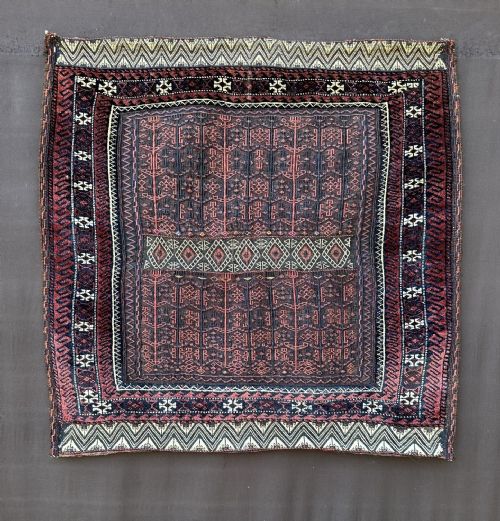
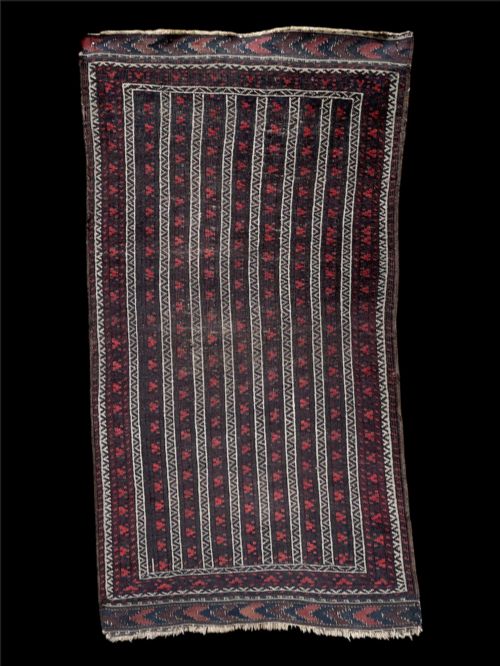
An afghan tribal woven rug brings tactile heritage into a room through deep reds and geometric motifs.
Afghan Tribal Woven Rug
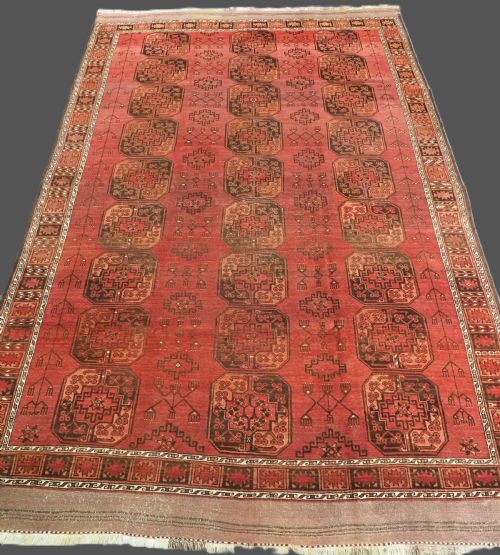
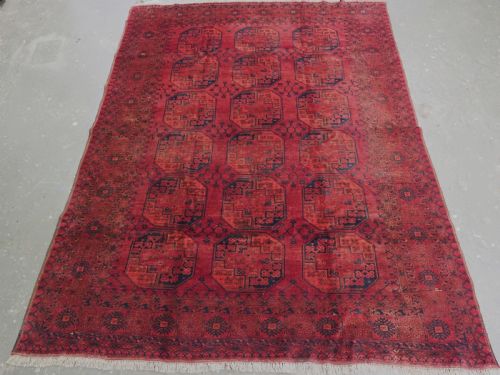
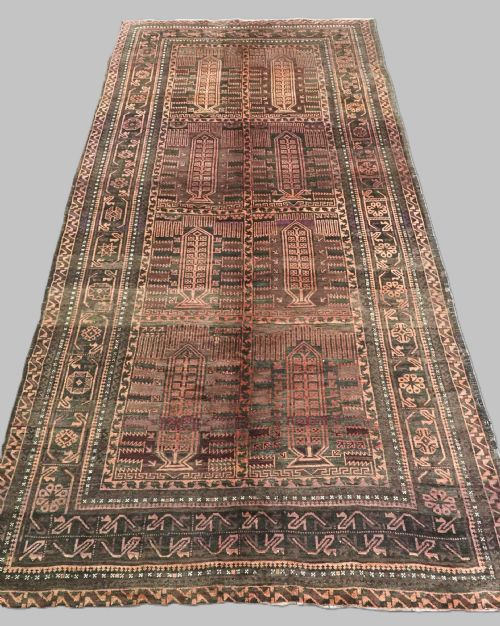
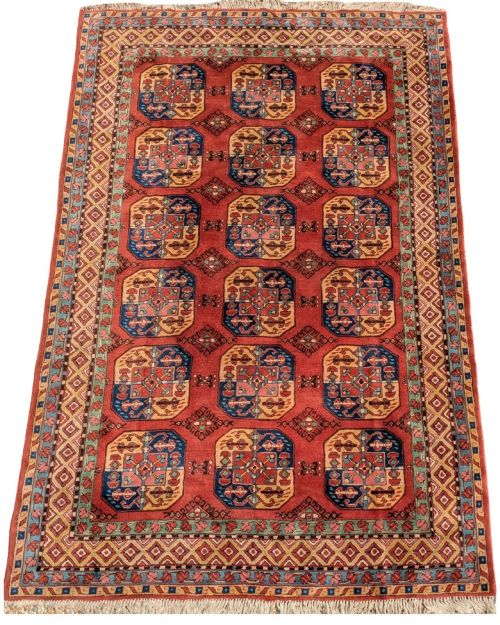
An afghan tribal woven rug encompasses practical floor coverings, tent trappings, and household textiles produced across Afghanistan by regional groups such as the Baluch, Timuri, and Ersari Turkmen. These pieces span from the late nineteenth century to the early decades of the twentieth century, reflecting nomadic and village traditions in their forms.
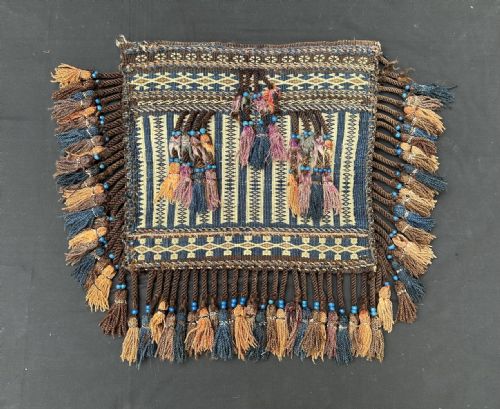
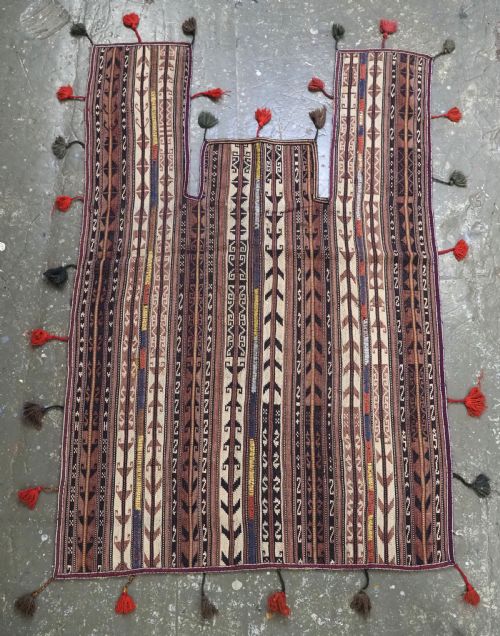
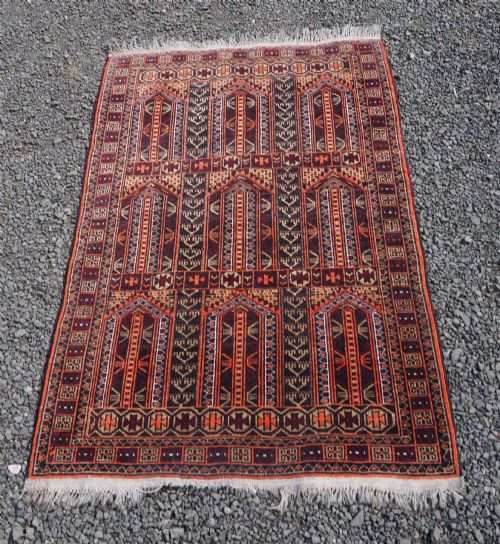
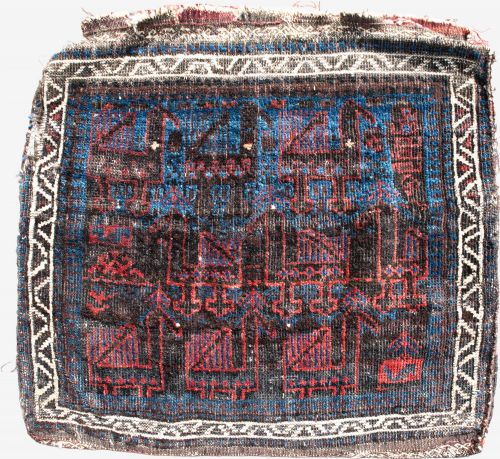
The selection here includes room-sized main carpets, smaller area rugs, prayer rugs bearing mihrab designs, and utilitarian objects like storage bags, bread sofrehs, and horse blankets. Buyers encounter varied formats ranging from standard floor rugs to specialised kilims and portiere door hangings.
Geographic origins extend across northern, western, and south-west Afghanistan, capturing specific tribal aesthetics including classic gul patterns, pencil box motifs, and bird designs. Each piece preserves the functional artistry of regional weavers working within established community styles.
Materials and construction
Weavers utilised hand-spun wool for pile construction, frequently combining cotton and natural wool foundations alongside structural additions of goat hair, camel hair, and horsehair for durability. These organic fibres provide the heavy handle and dense structure characteristic of older nomadic textiles.
Natural dyes produced rich, warm red colourways, deep browns, and old gold tones that mellow across decades of exposure. Certain pieces incorporate supplementary materials such as glass beads and flatweave kilim bands to finish edges and decorative details.
Several survival pieces double as horse blankets and camel headdresses, proving that nomadic weavers kept their livestock stylishly covered.
Evaluating quality
Quality rests upon the fineness of the knotting, the crispness of the geometric drawing, and the integrity of the wool foundation. Tighter packing of the weft rows creates a heavier, more resilient fabric that maintains structural stability over generations.
The depth and saturation of natural dye palettes dictate visual success, with harmonious shifts in tone indicating careful dye preparation. Original complete side cords and intact ends preserve the structural completeness valued by collectors.
The Afghan Tribal Woven Rug Glossary
- Gul
- A repeating octagonal medallion motif frequently found in Turkmen and Ersari carpets. These primary symbols often identify the specific tribal group of the weaver.
- Sofreh
- A flatwoven spread or cloth used for eating, kneading dough, or storing bread. These utilitarian textiles display precise geometric field patterns.
- Mihrab
- An arched design element representing the prayer niche, seen clearly in directional prayer rugs. Variants include single, double, and triple arches known as seh mihrab.
- Kapunuk
- A decorative tent hanging placed around the wooden frame of a yurt entrance. These door ornaments often feature elaborate pile-woven panels and kilim extensions.
- Kilim
- A tapestry-woven piece produced without a raised pile. These flatweaves rely on interlocking weft techniques to form sharp geometric bands.
Afghan Tribal Woven Rug: Frequently Asked Questions
How do I clean an old wool rug?
Gentle surface brushing and professional dusting remove embedded grit without damaging natural fibres.
Avoid immersion washing unless handled by a specialist familiar with antique village dyes.
What is a prayer rug used for?
Weavers designed these portable textiles to provide a clean space for daily personal devotions.
The distinct arched mihrab motif points toward Mecca during use.
Can these carpets handle daily floor use?
Sturdy wool pile and dense foundations allow these durable pieces to withstand moderate foot traffic in domestic settings.
Using an appropriate underlay reduces friction and prevents slipping on hard floors.