



Afghan Rug Mihrab
When collectors source an afghan rug mihrab, they acquire tribal prayer formats carrying architectural prayer arches from nineteenth and early twentieth century borderlands.
Afghan Rug Mihrab
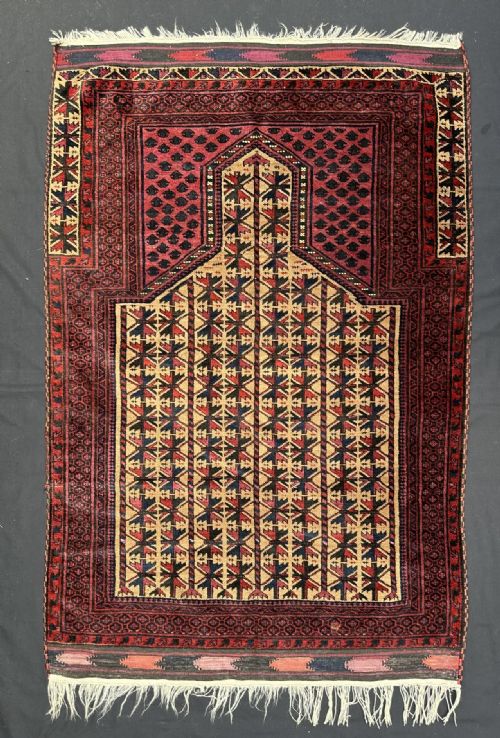
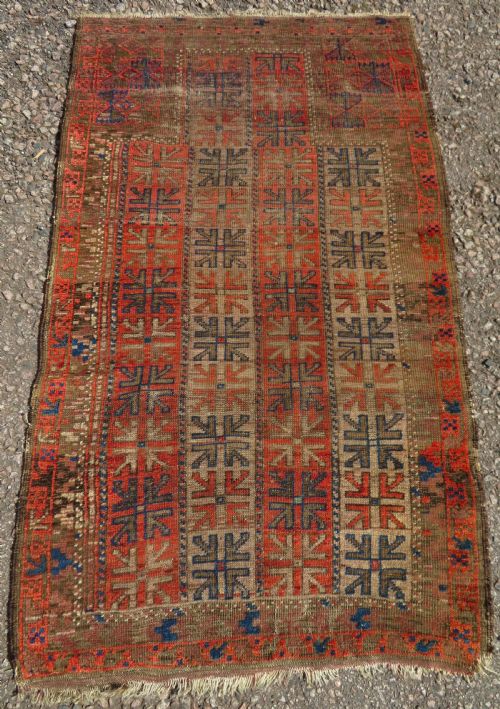
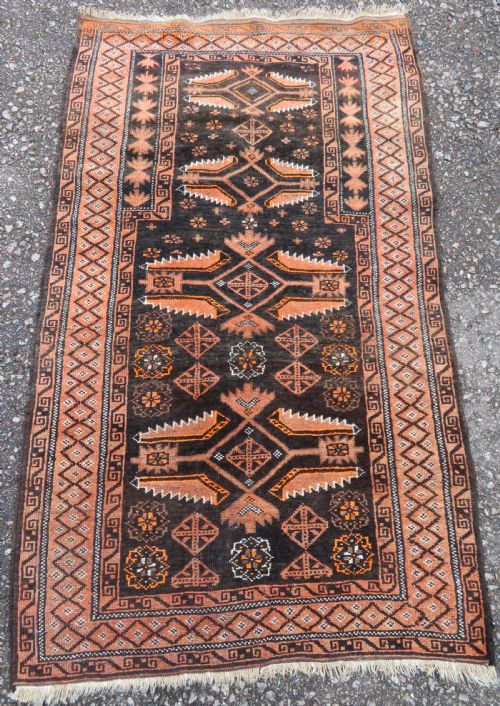
An afghan rug mihrab displays the characteristic arched niche that directs the worshipper toward Mecca during daily prayers. These pieces emerge from tribal and village communities across Afghanistan and neighbouring borderlands, including Baluch, Taimani, Kizil Ayak, and Timuri makers.
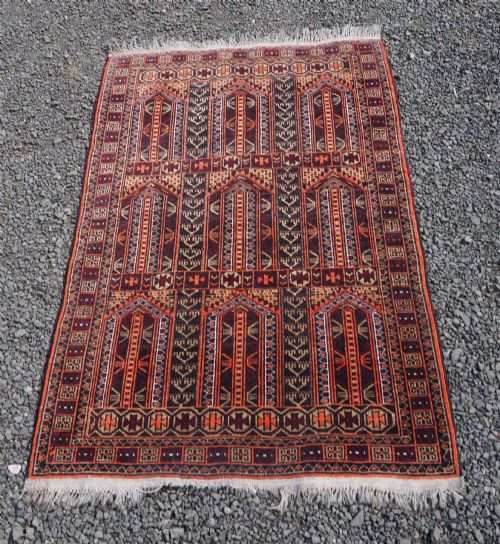
The format ranges from single arches to multi-niche arrangements known as seh mihrab, alongside double arches and mosque designs. Such floor coverings often incorporate traditional motifs such as rams horns, lotus leaves, trees of life, and lanterns within the field.
Most examples found in trade date from the late nineteenth century up through the nineteen-thirties, reflecting nomadic and village weaving traditions. Collectors encounter everything from compact format prayer mats to elongated tribal runners with kilim ends.
Assessing quality in tribal prayer rugs
Quality rests upon the handled handle of the wool, the clarity of the natural dyes, and the crispness of the mihrab design. Finer knot density and well-balanced proportions elevate certain village and tribal works above standard utility pieces.
The retention of original kilim ends, uncommon architectural motifs like double lanterns or multiple niches, and structural integrity distinguish superior survivals from heavily worn examples.
The inventory records diverse tribal attributions including Baluch, Taimani, Kizil Ayak, and Timuri nomadic groups.
The Afghan Rug Mihrab Glossary
- Mihrab
- The arched architectural niche depicted in the rug design, symbolising the direction of prayer. This central motif defines the functional purpose of the textile.
- Seh Mihrab
- A design layout incorporating three distinct prayer arches across the field. This multi-niche format appears frequently in nineteenth and early twentieth century tribal weaving.
- Kilim
- A flatwoven textile structure without a pile, commonly found at the terminal ends of these rugs. It provides structural reinforcement beyond the knotted field.
- Natural Dyes
- Colourants derived from plant, insect, or mineral sources rather than synthetic chemicals. They produce the harmonious, shifting tones appreciated by collectors.
- Camel Hair
- Unbleached fleece harvested from camels, utilised in the pile or ground for its natural golden-brown shade and resilience. It yields a characteristic soft handle.
Afghan Rug Mihrab: Frequently Asked Questions
How do I identify a seh mihrab?
A seh mihrab layout displays three distinct prayer arches positioned side by side across the field of the rug. This specific multi-niche arrangement is typical of Baluch and Taimani tribal weaving traditions.
Collectors look for this tripartite architectural structure when examining nineteenth and early twentieth century examples. The design creates a balanced rhythm within the primary border and field composition.
Where were these prayer rugs made?
These textiles originated within nomadic and village groups throughout Afghanistan and adjacent border regions, including parts of Persia. Tribes such as the Kizil Ayak, Timuri, and Taimani produced distinct regional variations.
Local weaving centres and nomadic encampments utilised available materials like sheep wool, camel hair, and goat hair. Each group infused the standard prayer format with tribal iconography particular to their heritage.
How should I care for an antique rug?
Preserve antique wool textiles by placing them in low-traffic areas away from direct, harsh sunlight to protect the natural dyes. Regular gentle vacuuming without a rotating power brush prevents dust accumulation in the pile.
Rotate the rug periodically to ensure even wear across the surface. Professional specialist cleaning should be undertaken only when strictly necessary to maintain the integrity of the foundation.