

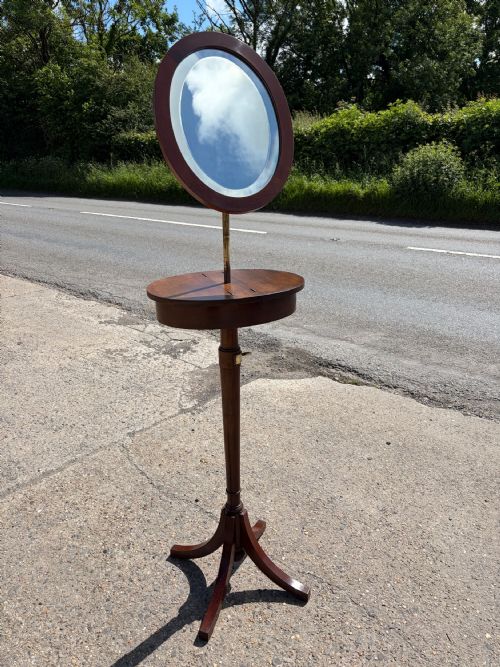
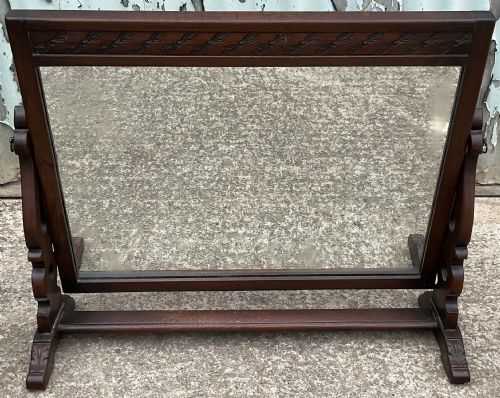


Adjustable Standing Mirror
An adjustable standing mirror gives you precise control over your reflection, bringing together period timber or metal with functional pivoting glass.
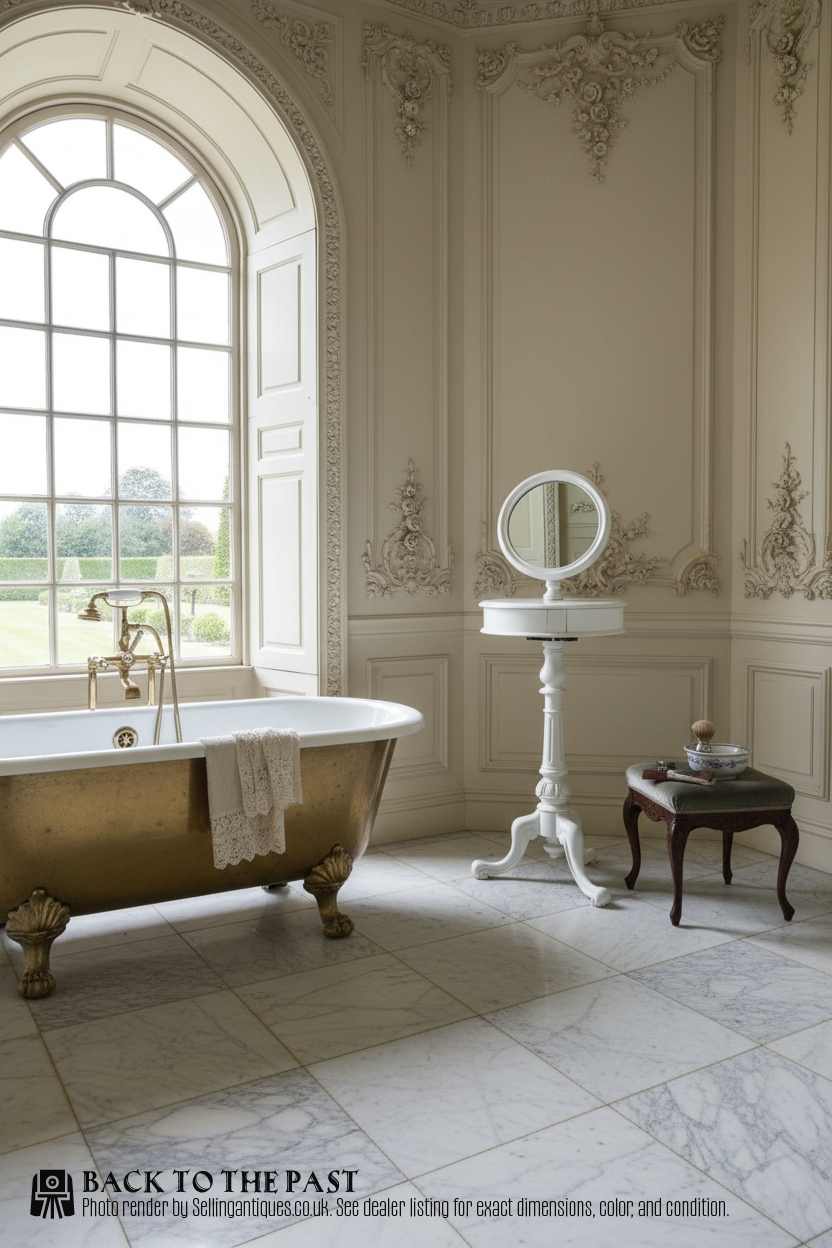
Adjustable Standing Mirror
When you search for an adjustable standing mirror, you are looking at practical furniture designed to alter height and angle for grooming or dressing. The pieces appearing here span the Regency, Victorian, and Edwardian eras, alongside later Art Deco and nineteen-thirties examples.
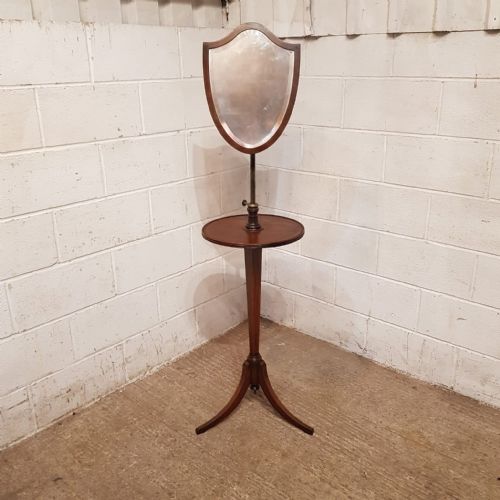
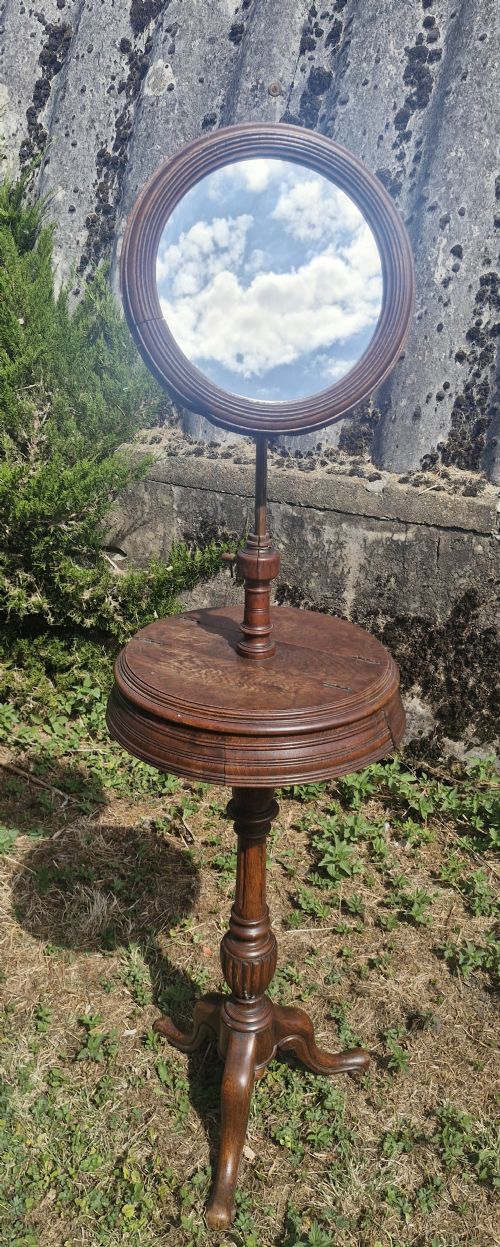
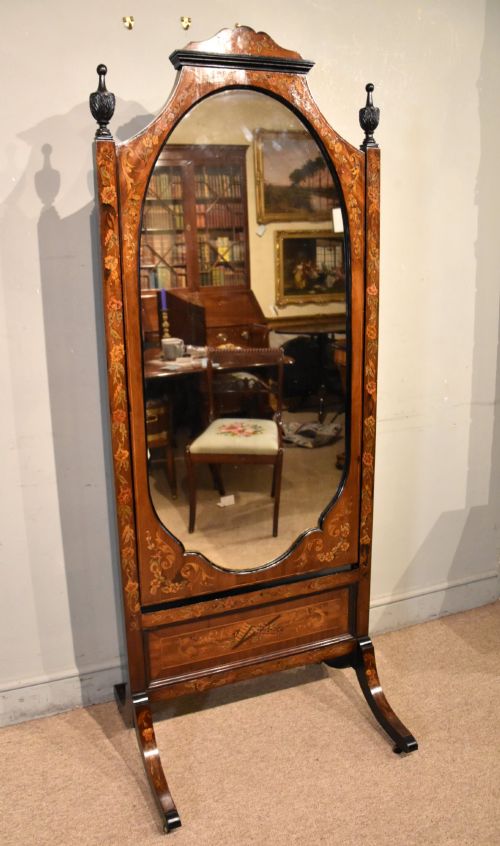
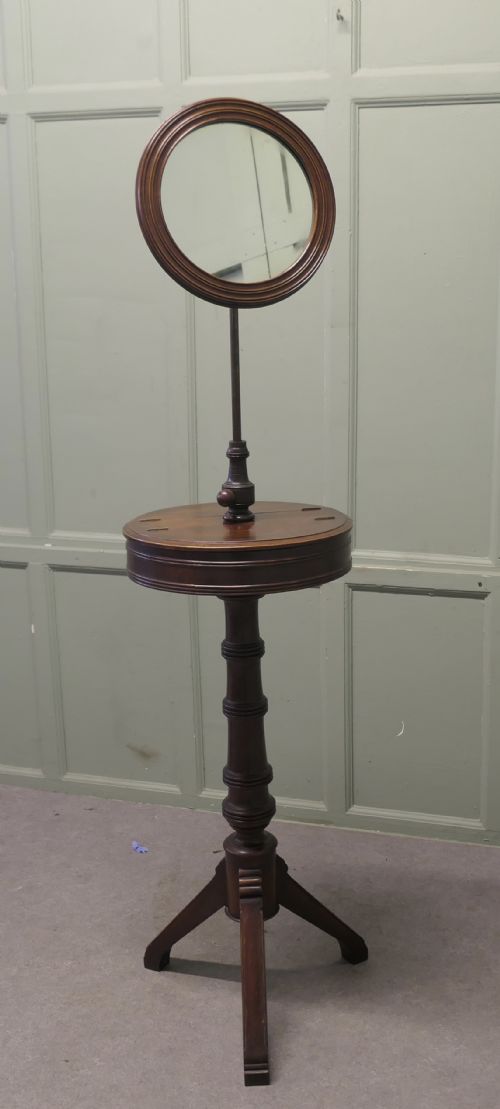
The form stretches from compact table mirrors and tripod-based telescopic shaving stands to larger cheval mirrors and dressing glasses. Mahogany, walnut, oak, and brass dominate the construction, often incorporating clever sliding mechanisms.
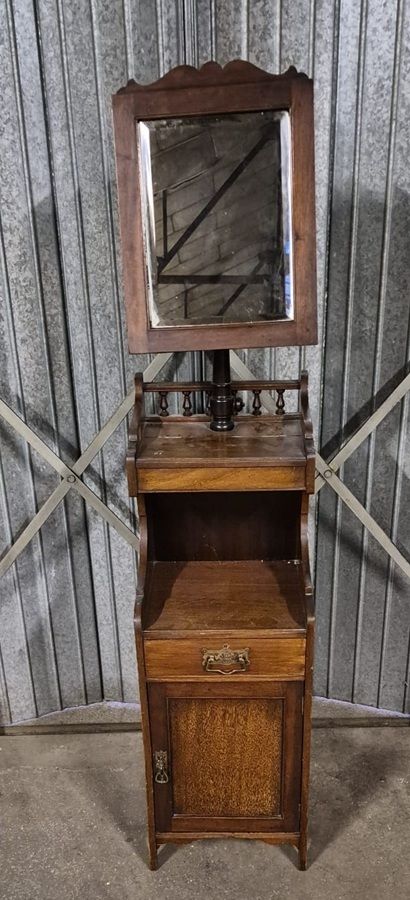
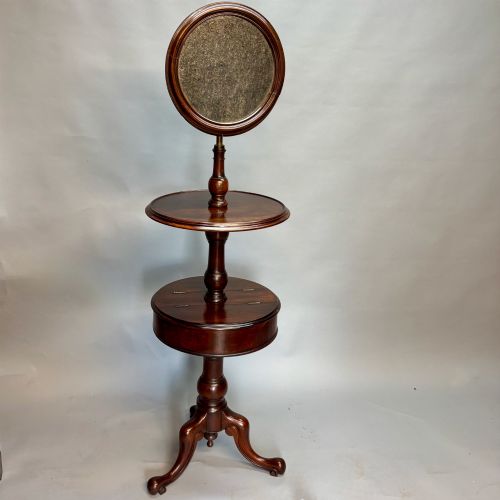
You will most frequently encounter Victorian mahogany shaving stands featuring round adjustable mirrors on tripod bases or cabinet stands. These domestic items evolved to serve gentlemen at their morning toilet, while larger cheval mirrors provided a full-length view for the dressing room.
Materials and Construction
Cabinet makers utilised dense timbers such as mahogany, walnut, and oak to build sturdy frames that could support the weight of pivoting glass. Brass fittings, telescopic rods, and screw mechanisms allowed the mirrors to tilt and rise securely.
Marquetry inlay, painted finishes, and bronze detailing appeared on specific pieces, while later twentieth-century examples introduced chrome for a streamlined industrial look. The mirror glass itself was typically held within a swing frame supported by upright pillars.
Adjustable Standing Mirror Retail Price Guide 2026
Typical asking prices for adjustable standing mirror among the pieces listed under this phrase on Sellingantiques today, from the lower quarter to the upper quarter. They describe what is for sale here now, not the wider market.
Listings feature mahogany, walnut, oak, and ash timbers, alongside brass, glass, and chrome materials spanning the Regency to the nineteen-thirties.
Judging Quality
The distinction between ordinary and exceptional pieces rests on the integrity of the adjusting mechanism and the richness of the timber. A superior adjustable standing mirror operates smoothly, holding its position without slipping whether tilted or raised.
Finer examples display careful attention to detail in the turning of wooden supports, the quality of brass cast components, and the depth of the mahogany or walnut grain. Maker participation, seen occasionally through stamps on drawers, adds a distinct layer of provenance.
J. Shoolbred
The Adjustable Standing Mirror Glossary
- Cheval mirror
- A large floor-standing mirror suspended within a frame that allows it to tilt. This form became popular for full-length dressing in the nineteenth century.
- Telescopic
- A mechanism allowing vertical height adjustment via an inner sliding rod secured by a thumb screw. It appears frequently on nineteenth-century shaving stands.
- Shaving stand
- A specialised piece of furniture incorporating an adjustable mirror, often above a small cupboard, drawer, or tripod base designed for morning grooming.
- Swing mirror
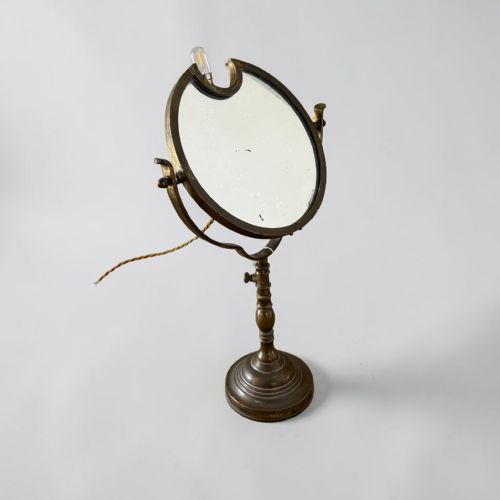
- A glass plate set within pivots between two upright posts, allowing the user to tilt the reflection up or down. These sit on tables, stands, or dressing chests.
- Marquetry inlay
- Decorative patterns formed by fitting contrasting pieces of wood veneer into a primary background. This technique enhanced the visual appeal of Victorian and Edwardian cabinet work.
Adjustable Standing Mirror: Frequently Asked Questions
How do I adjust the height?
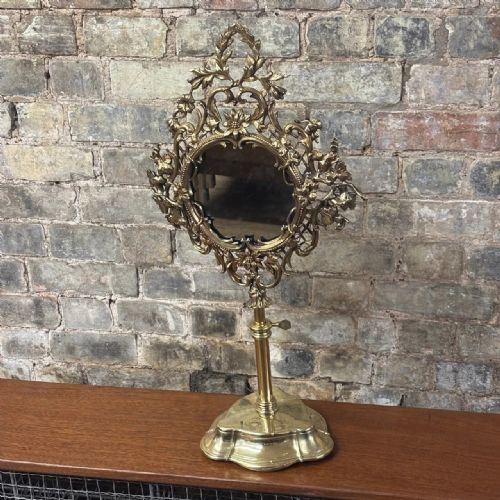
Many Victorian and nineteenth-century examples utilise a telescopic brass rod secured with a side screw. Loosening this screw allows the mirror to slide up or down before being locked back into place.
Other styles rely on friction pivots or tilt mechanisms built into the side arms of the frame, letting you angle the glass to your preferred position.
Where were these placed in the home?
Smaller shaving stands and table mirrors originally stood on washstands, chests of drawers, or dedicated dressing tables in bedrooms and dressing rooms. Gentlemen utilised them for morning routines.
Larger cheval mirrors stood directly on the floor in bedrooms or hallways to provide a full-length view of an outfit.
How do I date an adjustable mirror?
Dating relies on timber choice, hardware style, and overarching design characteristics. Regency and early Victorian pieces often feature heavy mahogany with simple brass fixtures, while later Victorian and Edwardian items might display marquetry inlay or tripod bases.
Nineteen-thirties examples transition to materials like chrome, reflecting modern manufacturing shifts away from traditional hardwoods.
Are the mirrors original?
Mirror glass frequently experienced replacement over decades of use due to foxing, silvering loss, or accidental breakage. Older glass often exhibits minor surface imperfections and subtle distortions characteristic of nineteenth-century manufacturing.
When examining a piece, look at how the glass is secured within the frame to see if it matches the age of the surrounding woodwork.