

Antique Mirror with Stand
An antique mirror with stand brings functional reflection and substantial period presence into a hallway or bedroom.
Antique Mirror with Stand
When searching for an antique mirror with stand, buyers encounter a diverse selection of furniture forms designed for practical daily use. These pieces primarily span the Victorian, Edwardian, and Georgian periods, showcasing craftsmanship in wood, metal, and glass.
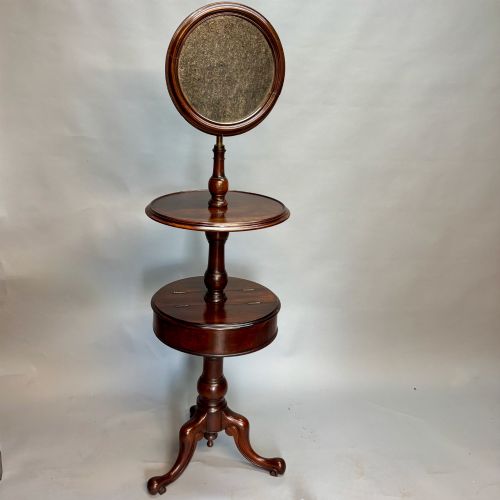
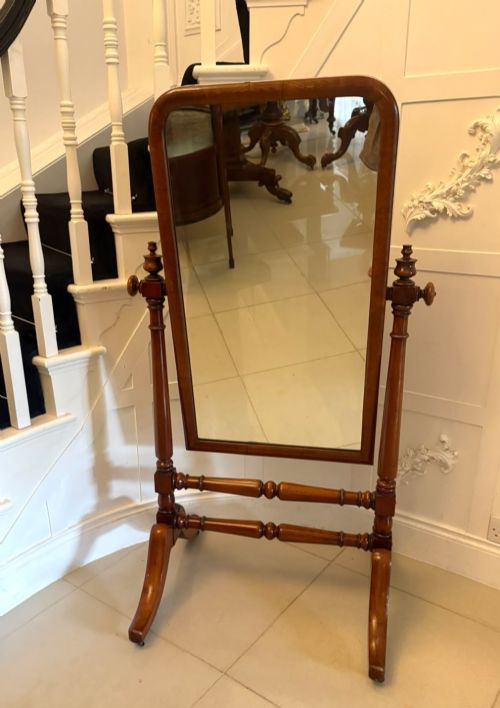
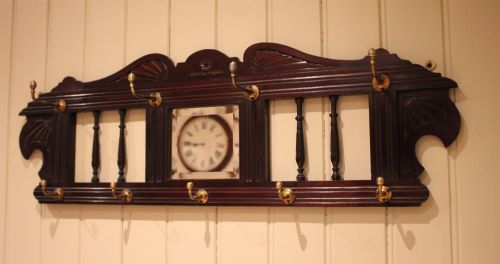
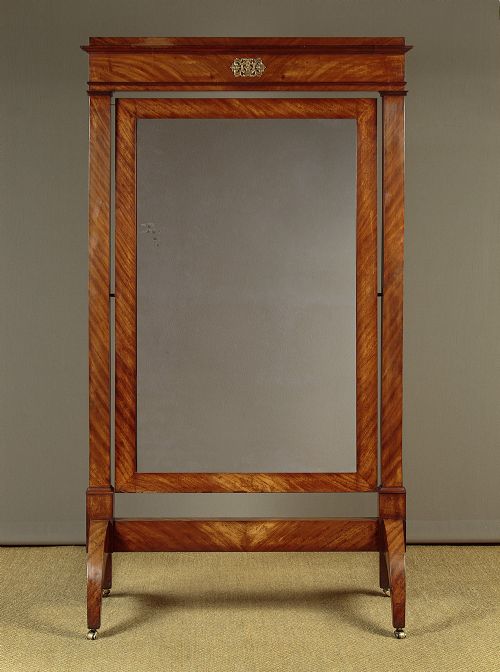
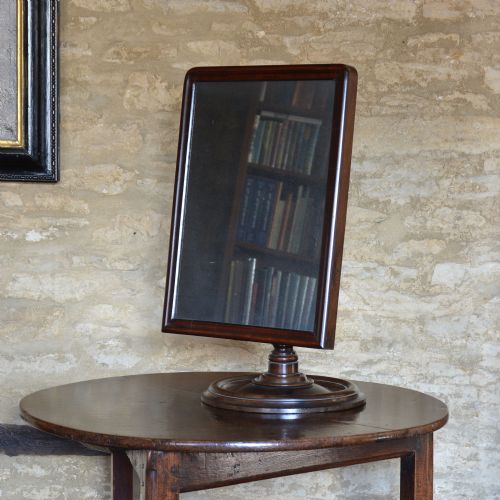
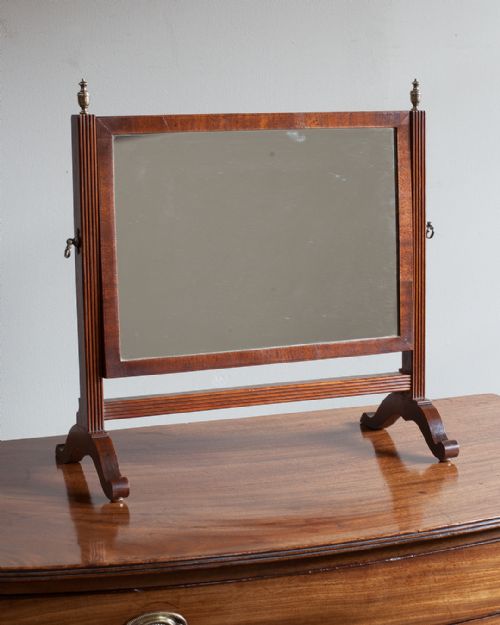
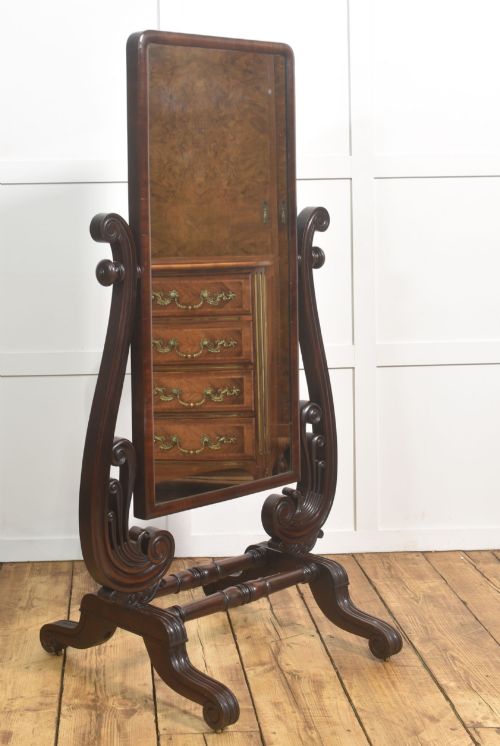
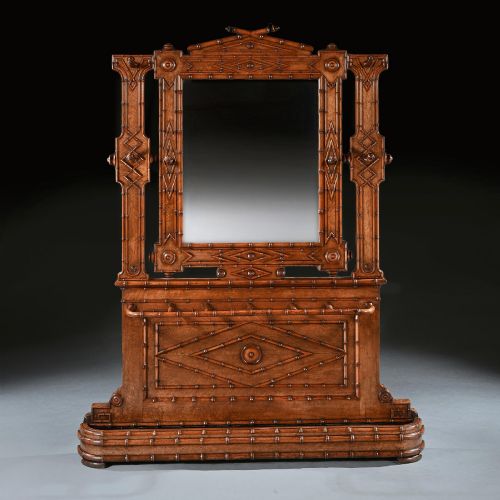
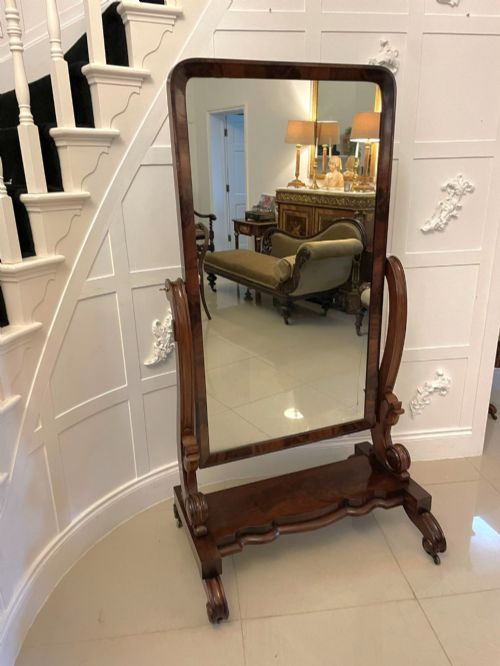
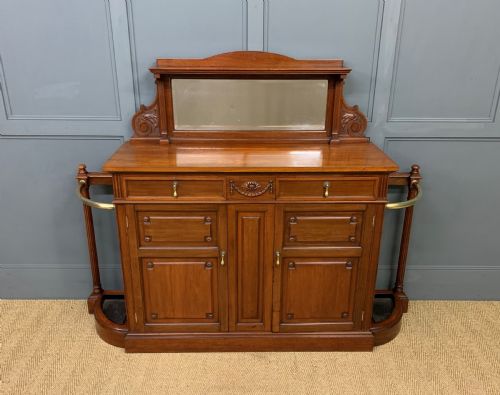
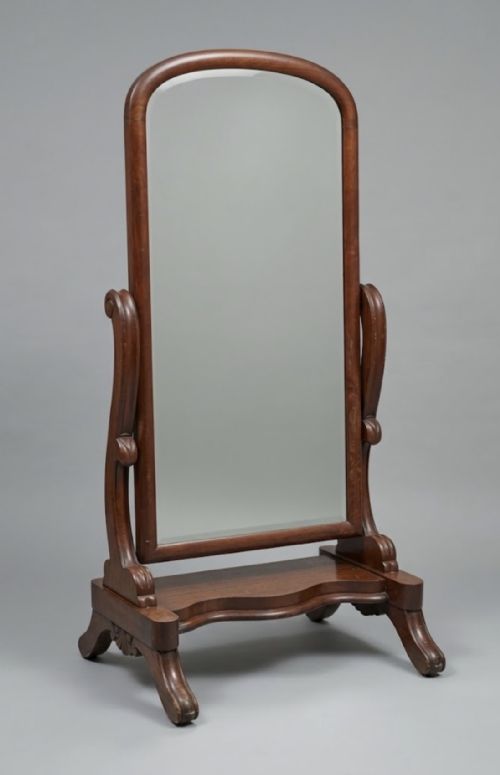
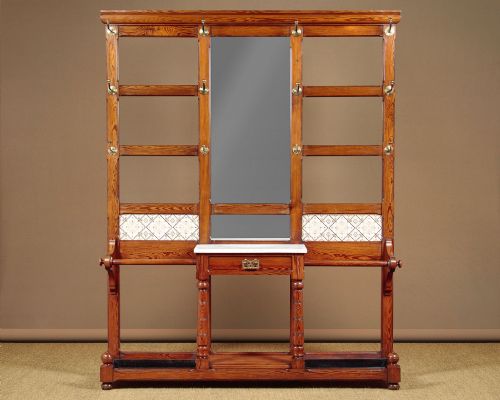
The most common variations on this page include hall stands equipped with central mirrors, cheval mirrors resting on frames, and adjustable shaving or toilet mirrors. Materials range from solid mahogany and oak to bamboo, brass, and cast iron.
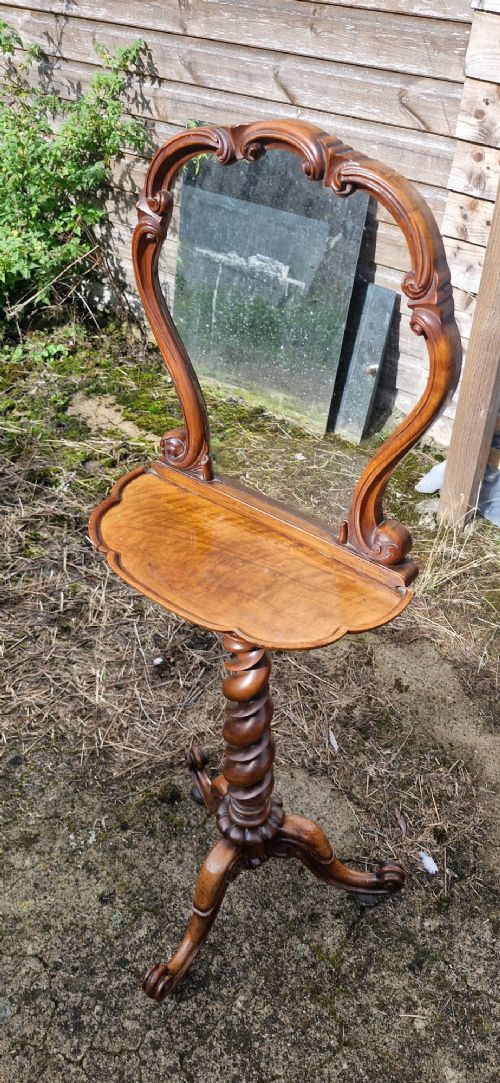
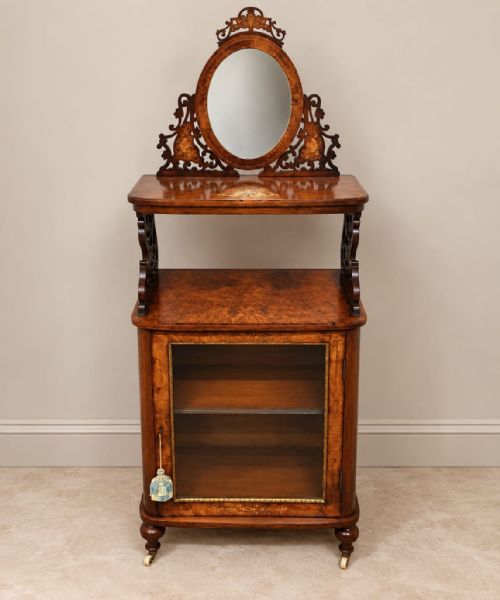
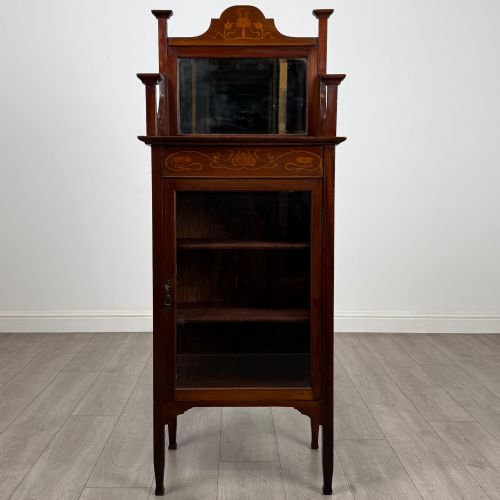
Objects such as washstands with hidden mirrors and occasional tables with glass backs also appear, reflecting the multifunctional nature of historical domestic interiors. Each format serves a distinct domestic purpose while displaying the stylistic tendencies of its era.
How they were made
Construction relies heavily on traditional timber framing using native and imported hardwoods like mahogany, satinwood, walnut, and oak, often shaped with turnings and panels. Metal elements such as brass hooks, cast iron frames, and bronze-finished details provide structural support and functional hardware.
Glass plates are integrated into frames using bevelled cutting techniques common to the nineteenth century, secured with wooden backing boards. Specialised joinery methods, including dovetailing for drawers and mortise-and-tenon joints for hall stands, ensure long-term stability across heavy multi-functional furniture.
Several hall stands incorporate clever umbrella drip trays to keep hallway floors dry during unexpected downpours.
What varies in quality
Quality differences emerge in the selection of timber veneers, the crispness of hand-carved details such as foliage or Green Man motifs, and the integration of secondary materials like marble shelves. Superior examples feature well-figured mahogany or birdseye maple paired with heavy brass fittings and robust structural framing.
The clarity and depth of the mirror plate itself signal the grade of the piece, alongside the sophistication of stylistic movements like Art Nouveau, Aesthetic Period Japonisme, or Arts and Crafts inlay work. Balance and proportion in standing frames determine how successfully a piece holds its weight and usage over time.
The Antique Mirror with Stand Glossary
- Cheval mirror
- A full-length mirror suspended in a standing frame that tilts on vertical pivots. This form allows the user to adjust the viewing angle freely.
- Hall stand
- A piece of furniture placed in an entrance hall featuring hat hooks, stick stands, and frequently an integrated mirror. It serves both storage and reflective functions for departing guests.
- Shaving stand
- A compact dressing piece incorporating an adjustable mirror and a small surface for grooming utensils. These often date from the Victorian period.
- Washstand
- A wooden table designed for personal washing, sometimes fitted with a marble top and a mirror upstand or splashback. They occasionally conceal folding mirror mechanisms.
- Faux bamboo
- A decorative technique where hardwood such as maple is turned and painted to resemble natural bamboo stalks. It is frequently seen in nineteenth-century French hall stands.
Antique Mirror with Stand: Frequently Asked Questions
Where should I place a hall stand?
Hall stands suit entranceways and corridors where coats, hats, and walking sticks require organised storage alongside a quick reflection before leaving.
Their upright proportions fit well against narrow walls while anchoring the spatial design of a hallway.
How do I clean an antique mirror plate?
Use a soft, dry microfibre cloth to remove dust from the glass and frame without applying heavy moisture to old silvering or wood.
Avoid standard chemical sprays that can seep behind the bevelled edges and damage the original backing.
What is the difference between a cheval and a toilet mirror?
Cheval mirrors stand independently on the floor as large full-length pivoting plates supported by substantial frames.
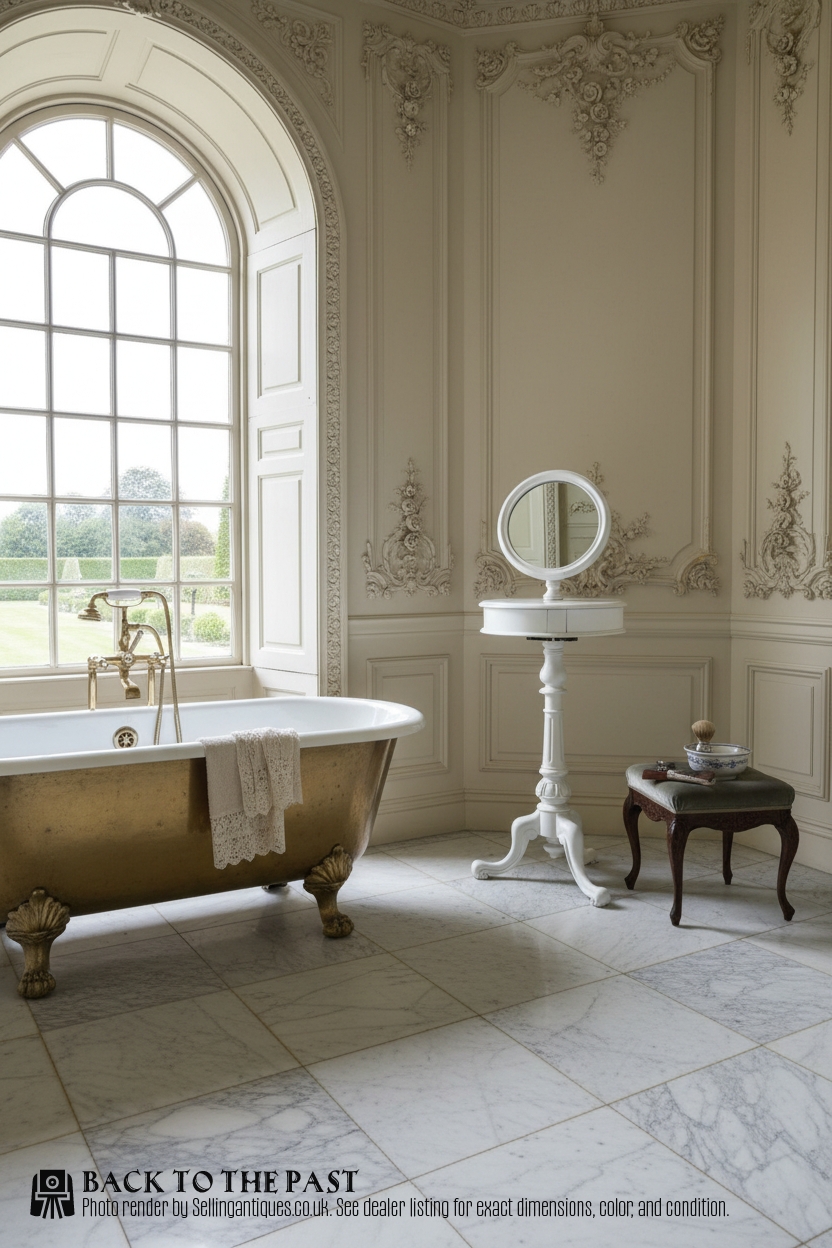
Toilet mirrors are smaller desktop or dressing table accessories designed to sit upon chests of drawers or washstands.
How do I identify an Aesthetic Movement piece?
Aesthetic Movement items often display Japonisme influences, such as faux bamboo turnings and asymmetrical layouts.
They emphasise visual artistic harmony over strict historical revivalism, utilising materials like birdseye maple.