






Adjustable Shelf Book Cabinet
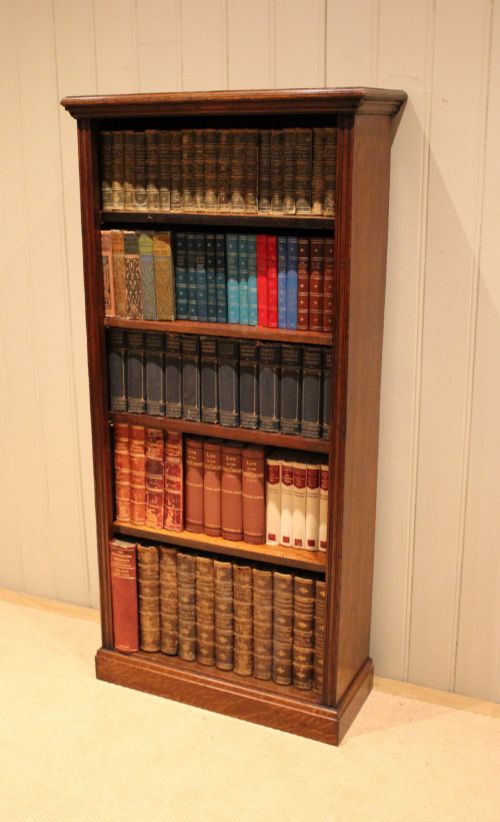
These adjustable shelf book cabinets span the Victorian, Edwardian, and Regency periods, offering versatile storage in rich timbers.
Adjustable Shelf Book Cabinet
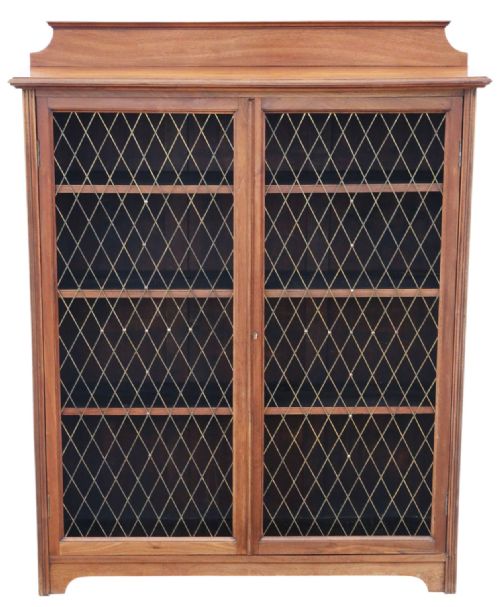
An adjustable shelf book cabinet provides flexible storage for growing libraries, combining open display with enclosed cabinetry where glazed or solid doors are fitted. When you search for an adjustable shelf book cabinet, you are looking at substantial timber furniture designed to hold books of varying heights.
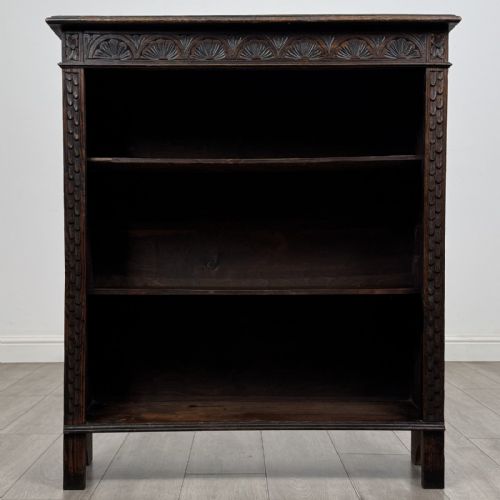
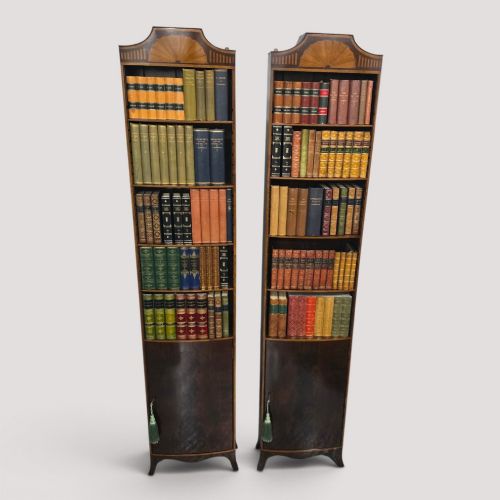
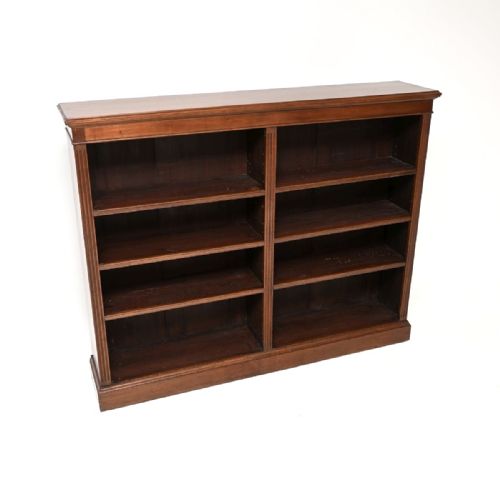
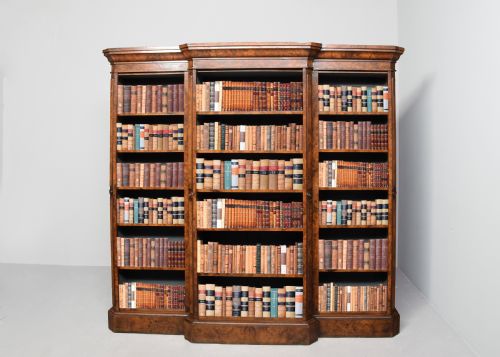
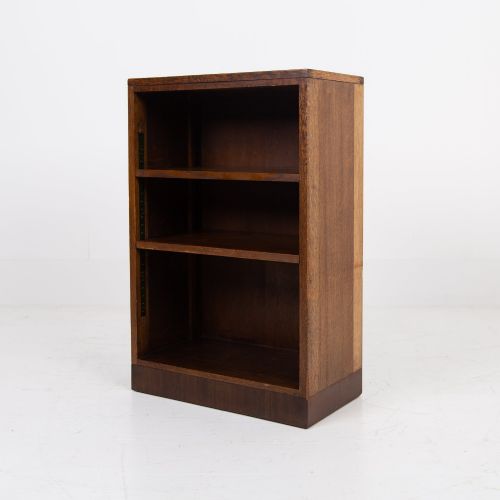
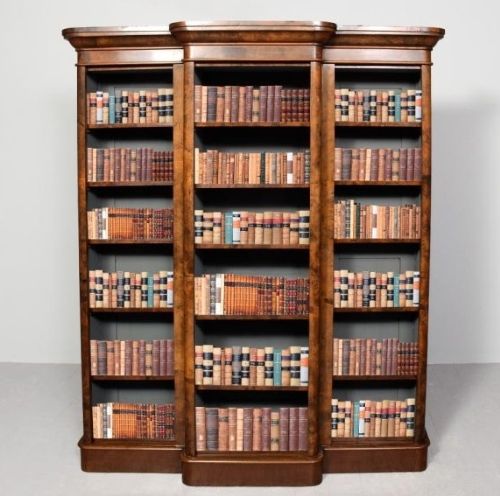
The pieces on this page are predominantly Victorian and Edwardian examples, alongside earlier Regency and William IV pieces, fashioned as open bookcases or two-part cabinet combinations. Formats range from modest oak open fronts to large breakfront walnut and mahogany pieces with multiple sections.
Origins span English workshops, Scottish makers, and French provincial cabinet-makers, with styles drawing on Gothic Revival and Arts and Crafts traditions. Many feature adjustable shelving systems, sometimes utilising concertina mechanisms or simple peg supports to alter shelf heights.
How They Were Made
Cabinet-makers relied on dense hardwoods such as mahogany, walnut, burr walnut, and oak, often paired with secondary timbers like pine for internal construction. Brass fittings appear regularly, particularly in shelf support mechanisms and door hardware.
Construction techniques involve traditional jointing, solid timber framing, and figured veneer applications, particularly on breakfront surfaces and display cabinets. Glass is utilised for glazed doors, while leather tops occasionally provide a finished writing surface.
Adjustable Shelf Book Cabinet Retail Price Guide 2026
Typical asking prices for adjustable shelf book cabinet among the pieces listed under this phrase on Sellingantiques today, from the lower quarter to the upper quarter. They describe what is for sale here now, not the wider market.
Some Victorian shelves move on brass concertina tracks, letting you slide them up and down like an accordion.
What Varies in Quality
The refinement of the timber selection marks the distinction between standard and superior pieces, seen in the choice of figured burr walnut, rich mahogany, or solid quarter-sawn oak. Finely matched veneers and well-figured grain patterns elevate the visual presence of a cabinet.
Mechanical sophistication in the shelving system also separates tiers of production, from simple wooden peg supports to complex brass concertina mechanisms that allow smooth height adjustment. The presence of multi-section breakfront forms and architectural detailing points to higher levels of workshop execution.
The Adjustable Shelf Book Cabinet Glossary
- Breakfront
- A cabinet design where the central section projects forward from the flanking sections. This configuration adds architectural depth to larger library pieces.
- Concertina mechanism
- An expanding brass hardware system used to support adjustable shelves in high-end Victorian bookcases. It allows precise, mechanical height alteration.
- Quarter-sawn oak
- Timber cut radially from the growth rings, producing a distinct medullary ray fleck pattern. This method yields stable, durable boards prized in Arts and Crafts furniture.
- Burr walnut
- Wood taken from walnut tree growths, featuring swirling, highly decorative grain patterns. It was frequently applied as a veneer on front-facing surfaces.
- Gothic Revival
- A nineteenth-century design style incorporating medieval architectural motifs, pointed arches, and heavy proportions. It frequently influenced Victorian library furniture.
Adjustable Shelf Book Cabinet: Frequently Asked Questions
How do adjustable shelves work?
Shelves are supported by movable wooden pegs, metal pins, or sophisticated brass rack systems inset into the interior sides. This allows the user to alter vertical spacing to accommodate books of different heights.
Older pieces often use wooden slots or brass strips that permit incremental adjustments without risking structural stability.
How do I date an oak bookcase?
Dating relies on assessing the timber preparation, hardware, and stylistic influences visible in the construction. Early Victorian and Regency pieces often show dense mahogany or rosewood, while quarter-sawn oak and specific joinery point towards Arts and Crafts or later Victorian periods.
Secondary woods like pine at the back and the type of shelf support mechanism also provide chronological clues.
Are these cabinets suitable for modern books?
The adjustable shelving makes these cabinets well-suited for modern volumes of varying heights, from standard paperbacks to large art folios. The ability to reposition shelves prevents wasted vertical space.
Buyers should check the internal depth of the shelves against oversized modern publications before placement.