




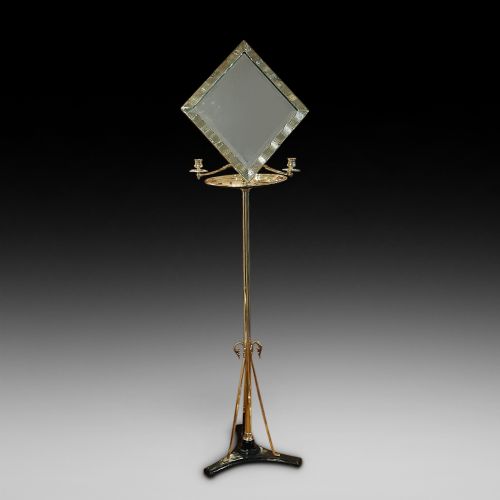


Adjustable Candle Table
An adjustable candle table brings light precisely where needed, combining height mechanisms with stable surfaces.
Adjustable Candle Table
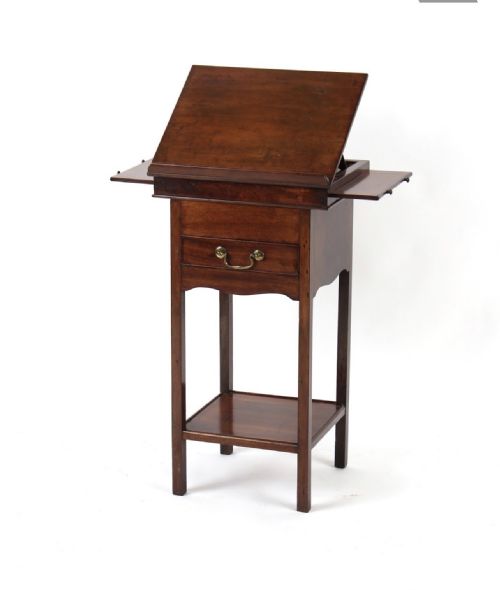
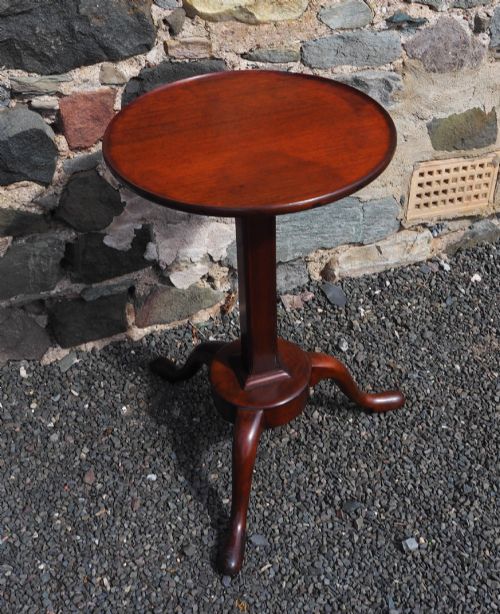
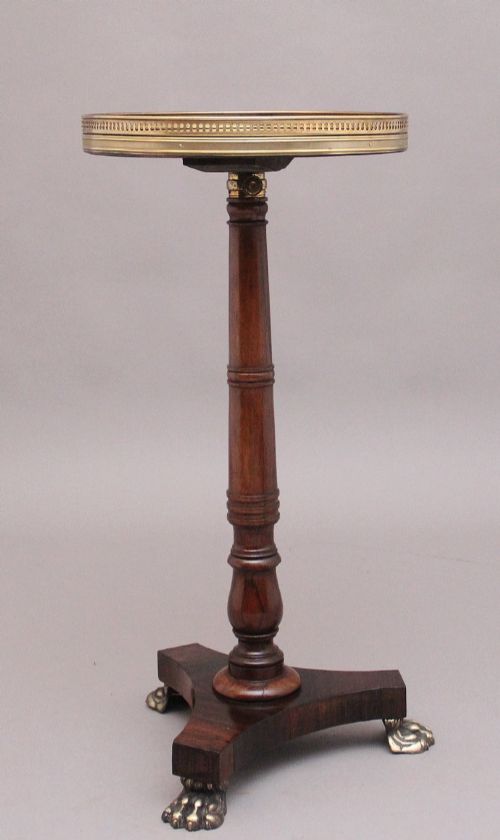
An adjustable candle table combines a portable candle holder or lamp with a surface or stand, allowing users to direct illumination. The selection includes occasional tables, reading stands, display stands, and dedicated candlestands.
Georgian and Victorian examples dominate the record, alongside pieces from the Regency and early twentieth century. Mahogany and walnut feature heavily in timber stands, while brass and toleware appear frequently in metal lighting forms.
Materials and Technique
Cabinetmakers constructed wooden stands using mahogany, walnut, rosewood, and fruitwood, often turning central columns and supporting them on tripod bases. Telescopic mechanisms relied on internal wooden friction plugs or brass collars to hold heights.
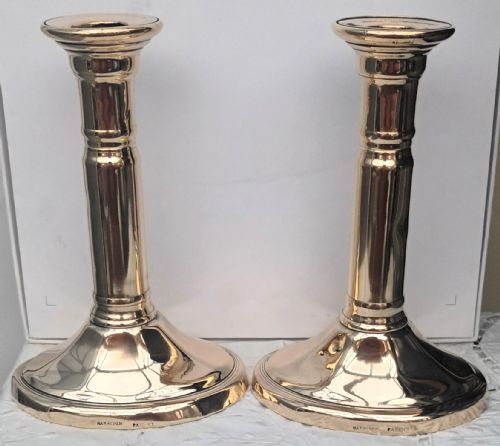
Metal versions utilised brass, copper, cast iron, and old Sheffield plate, incorporating threaded screws, ratchet arms, or sliding tubes for adjustment. Painted toleware shades and brass reservoirs completed bouillotte lamps and student lamps.
Adjustable Candle Table Retail Price Guide 2026
Typical asking prices for adjustable candle table among the pieces listed under this phrase on Sellingantiques today, from the lower quarter to the upper quarter. They describe what is for sale here now, not the wider market.
The listings span the eighteenth, nineteenth, and early twentieth centuries, featuring materials from mahogany and walnut to brass, copper, and toleware.
Evaluating Standards
Quality rests upon the execution of the mechanical adjustment and the integrity of the materials. Smooth operation of telescopic brass tubes or well-fitted wooden stems separates superior pieces from rigid or loose examples.
Proportion and timber selection dictate value in wooden variants, where finely figured mahogany or turned fruitwood enhances the form. Original brass fittings, patinated surfaces, and complete mechanical components determine the desirability of metal lighting stands.
Harrison Patent·AFC
The Adjustable Candle Table Glossary
- Telescopic
- A mechanism comprising concentric sliding tubes that allow height adjustment. This design appears frequently in brass candlesticks and reading stands.
- Bouillotte lamp
- A shaded metal desk lamp with multiple arms, typically featuring a painted toleware shade that adjusts along a central vertical rod.
- Treen
- Small domestic wooden objects turned on a lathe. Examples include fruitwood and mahogany candle stands from the eighteenth and nineteenth centuries.
- Ormolu
- Gilded bronze used for decorative mounts on Regency and French Empire pieces. It adds metallic lustre to bronze frames.
- Rat de cave
- A French portable candle holder designed for cellars, often featuring an adjustable spike or collar to raise the candle as it burns.
Adjustable Candle Table: Frequently Asked Questions
How do adjustable candle tables work?
These pieces use telescopic columns, ratchet mechanisms, or thumbscrews to alter the height of the light source or tabletop. Users slide the central shaft up or down to position the candle or lamp.
Wooden variants often rely on internal friction springs, while brass versions utilise collars and screws to lock the stem at the desired level.
What woods were used for stands?
Mahogany is the primary timber found in eighteenth and nineteenth-century examples, followed by walnut and rosewood. Fruitwood and oak appear in earlier pieces and treen items.
These dense hardwoods provided the weight necessary to keep tripod bases stable when the height was extended.
How do I identify a Victorian piece?
Victorian examples often incorporate heavier brass casting, cast iron elements, or Gothic Revival motifs. They frequently take the form of student lamps, display stands, or articulated candelabra.
By contrast, Georgian versions lean toward slender turned mahogany candlestands and simple telescopic brass stems.
Where were these placed in a room?
They stood beside reading chairs, desks, or beds where focused light was required for tasks. The adjustable height allowed users to direct illumination over shoulders or onto open books.
Tabletop versions sat on larger pieces of furniture to raise candles above paperwork or dining utensils.