



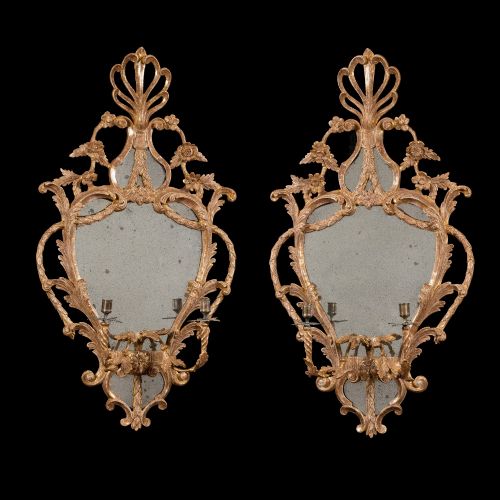
Acanthus Leaf Carving
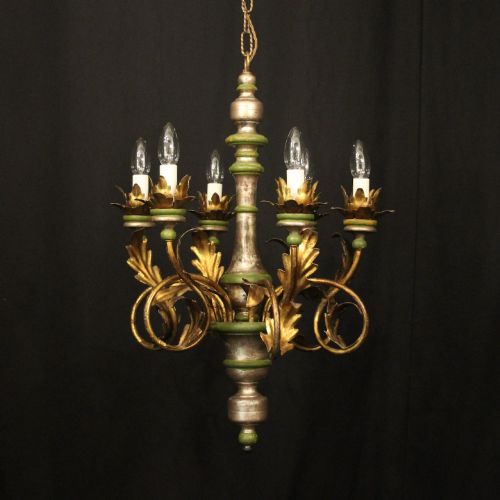
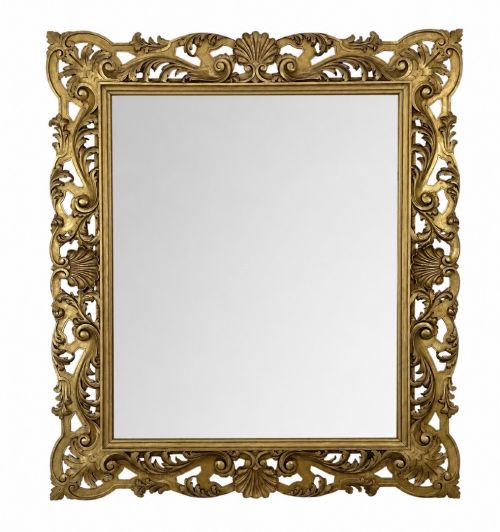
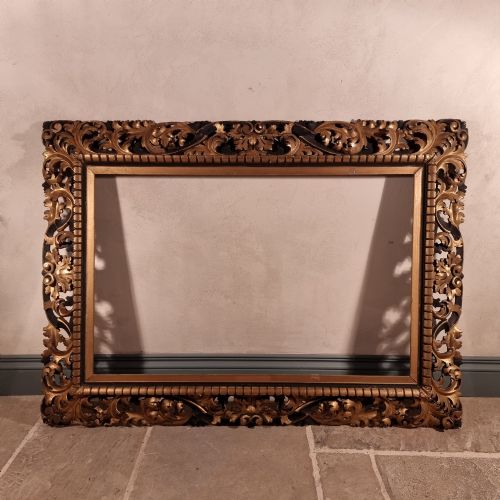
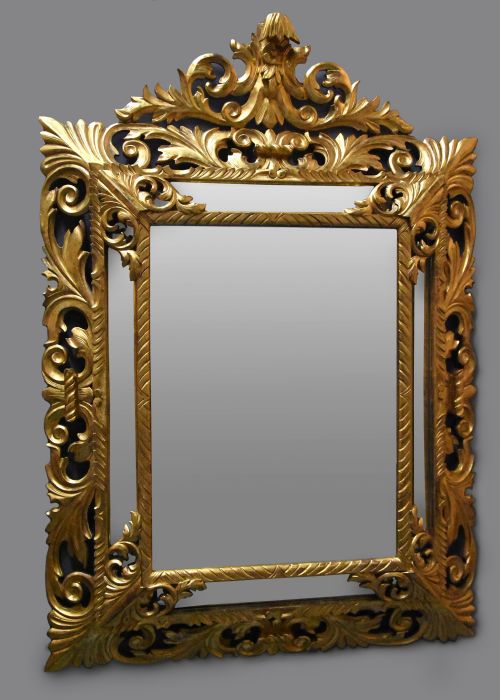
These pieces featuring acanthus leaf carving combine classical botanical scrollwork with centuries of European craftsmanship, offering interiors a distinct architectural depth.
Acanthus Leaf Carving
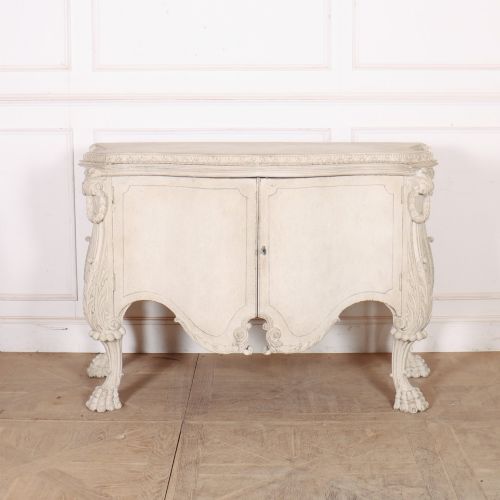
Acquiring acanthus leaf carving means selecting from a range of mirrors, wall lights, and architectural furnishings shaped by classical ornament. The selections span the eighteenth and nineteenth centuries, alongside later revivals, bringing sculptural foliage into domestic spaces.
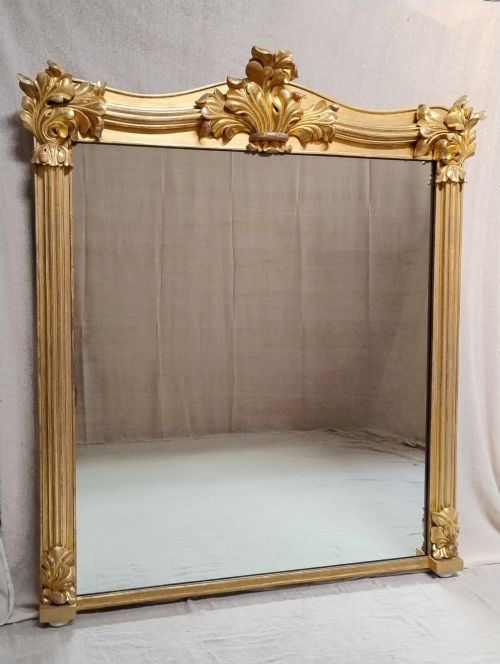
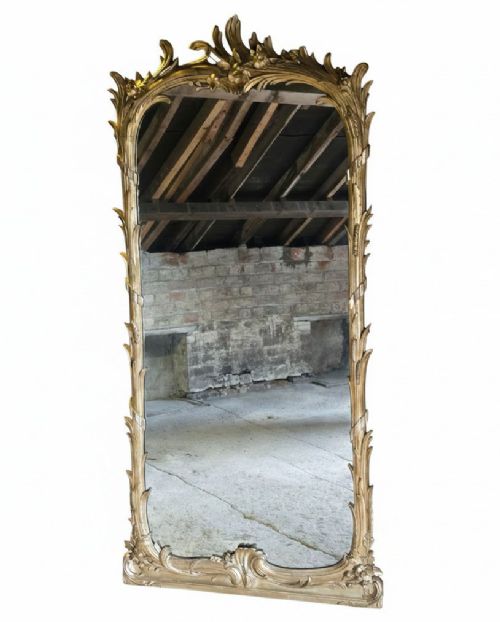
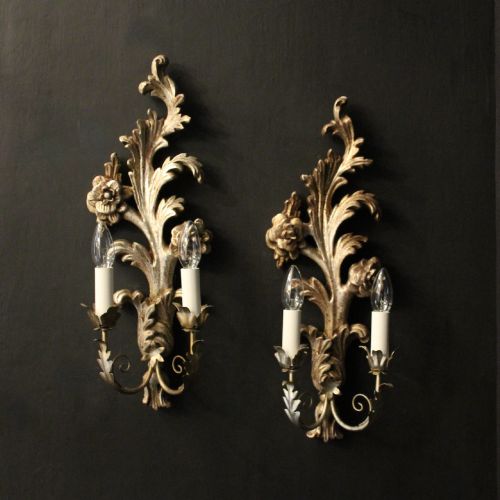
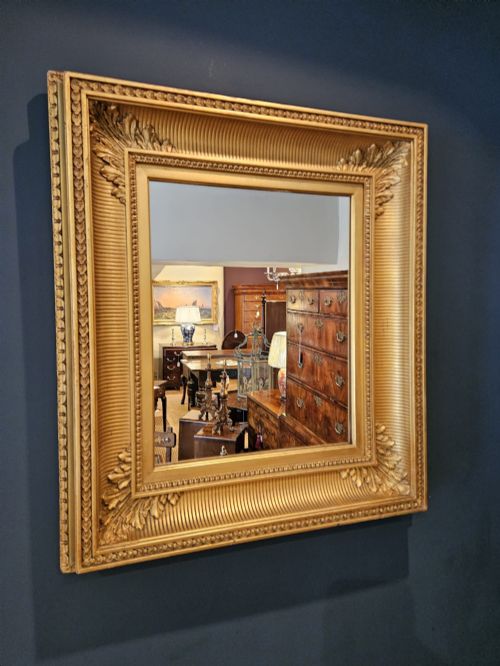
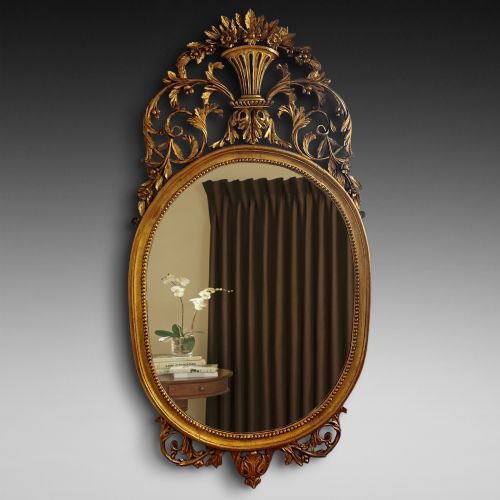
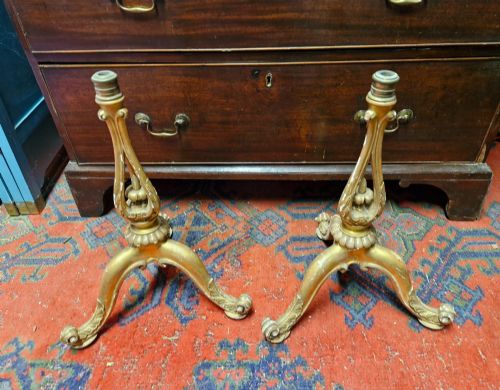
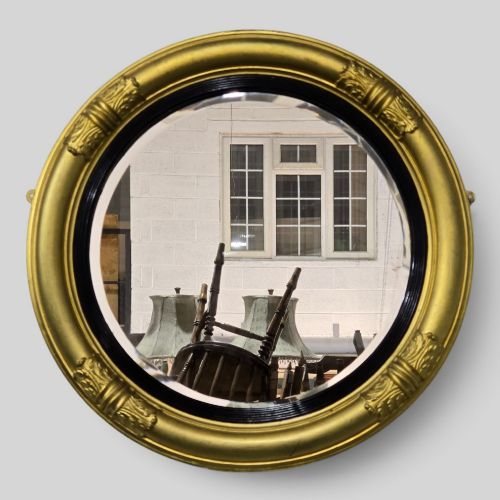
Mirrors dominate the selection, particularly large overmantels, pier mirrors, and Florentine frames finished in giltwood. Alongside these hang wall brackets, torchere stands, and occasional tables displaying the same foliate motifs.
Italian, French, and English workshops each interpret the acanthus leaf differently, moving from restrained Georgian symmetry to exuberant Rococo and Florentine scrollwork. Buyers encounter both original period items and later revival pieces sharing identical sculptural vocabularies.
Materials and construction
Carvers typically worked in timber such as pine, lime wood, or mahogany, shaping the deep relief work by hand before applying surface finishes. The underlying wood provides the structural integrity necessary to support heavy projection and delicate scrolling.
Gilding techniques unify wood, gesso, and gold or silver leaf to catch the light across the carved contours. Layers of gesso create a smooth ground for the leaf, allowing crisp definition in the acanthus tips and deep recesses in the shadows.
Listings feature items from the eighteenth, nineteenth, and early twentieth centuries, spanning Georgian, Victorian, Regency, and Rococo revival styles.
Assessing quality and depth
Depth and undercut relief separate skilled carvers from mechanical production, as superior pieces show leaves that detach visually from the ground. The crispness of the veining and the fluidity of the scrollwork indicate the hand of a master.
The integrity of the preparation layers beneath the gilding dictates how well the surface ages over centuries. Finer examples retain the original burnished lustre on the high points of the carving while maintaining subtle modulation in the matte grounds.
The Acanthus Leaf Carving Glossary
- Acanthus
- A classical architectural ornament modelled on the leaves of the Mediterranean acanthus plant. It forms the primary decorative vocabulary for these carved frames and brackets.
- Giltwood
- Timber that has been coated in gold leaf over a prepared gesso ground. This technique creates a luminous surface suited to classical and rococo revival designs.
- Gesso
- A plaster mixture applied to wood surfaces to provide a smooth base for gilding and fine carving. It allows carvers to crisp up edges before applying gold leaf.
- Overmantel mirror
- A large mirror designed to hang specifically above a fireplace mantel. They frequently incorporate extensive acanthus scrollwork to anchor the scale of the hearth.
- Girandole
- A decorative wall mirror fitted with attached candle sconces. The reflective glass multiplies the candlelight across the surrounding carved acanthus decoration.
Acanthus Leaf Carving: Frequently Asked Questions
How do I hang a heavy giltwood mirror?
Large mirrors demand secure fixing directly into masonry or through substantial wall studs using rated brackets. The weight of the timber and gesso requires professional hardware to distribute the load evenly.
Position the piece at a height that reflects eye level or catches light from an opposing window. Ensure the hanging wire or mirror plates engage with the structural frame rather than decorative trim.
How do I clean giltwood surfaces?
Dust giltwood gently with a dry, soft ostrich feather duster or a clean artist's brush. Moisture and commercial cleaning products damage delicate gold leaf and historical gesso.
Avoid touching the gilded areas with bare hands, as natural oils tarnish the metal over time. Professional conservation remains necessary if the surface requires deeper cleaning.
How do I date an antique carved frame?
Examine the wood species, tool marks on the reverse, and the composition of the gesso layers beneath the gilding. Eighteenth-century pieces often show hand-sawn timber and softer pine construction beneath the gold.
Compare the style of the acanthus scrollwork against documented periods like Georgian or Regency. Revival pieces from the late nineteenth century frequently utilise harder woods and machine preparation.