





20th Century Wall Art
When choosing 20th century wall art, you are acquiring original paintings, watercolours, and mixed media works that capture changing British and European artistic movements.
20th Century Wall Art
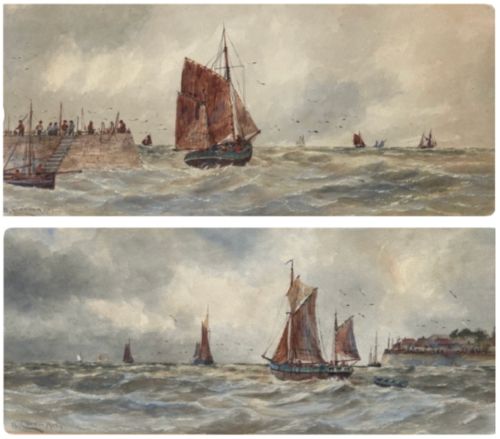
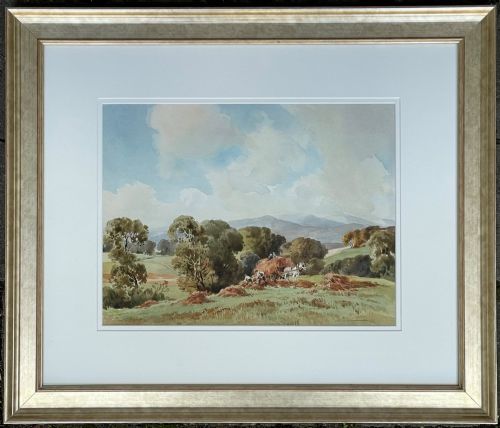
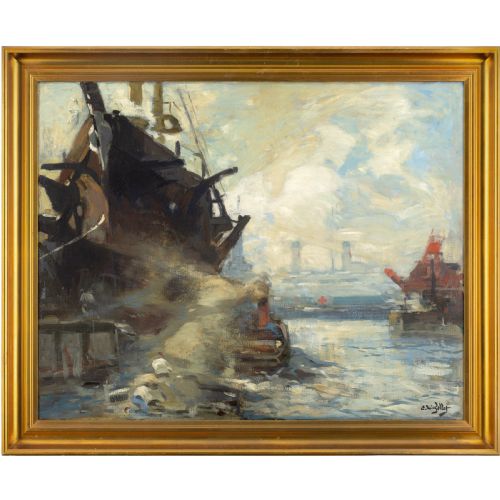
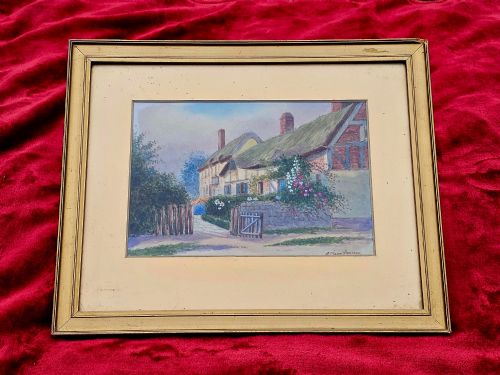
The selections span from Edwardian pastoral scenes and maritime watercolours through to mid-century modern oils, capturing shifting stylistic preferences across decades.
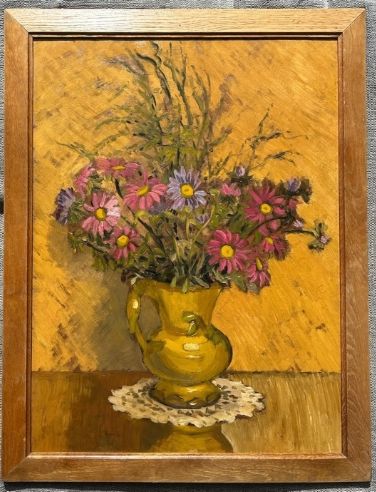
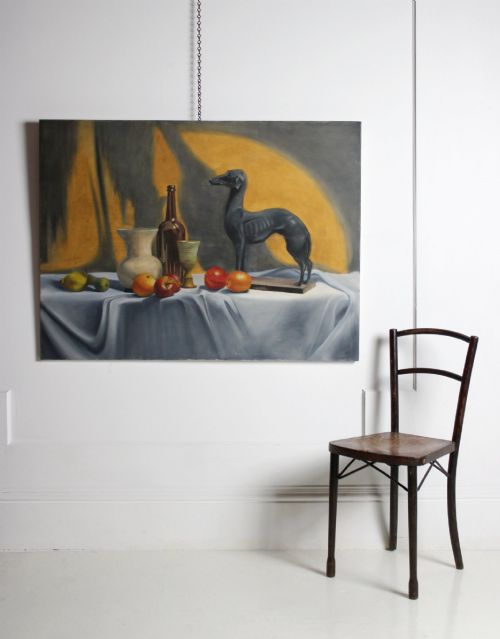
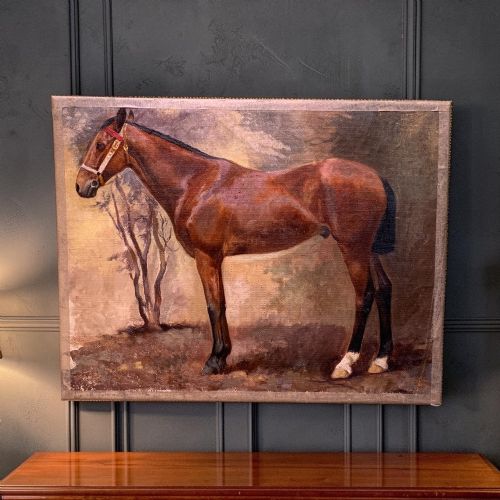
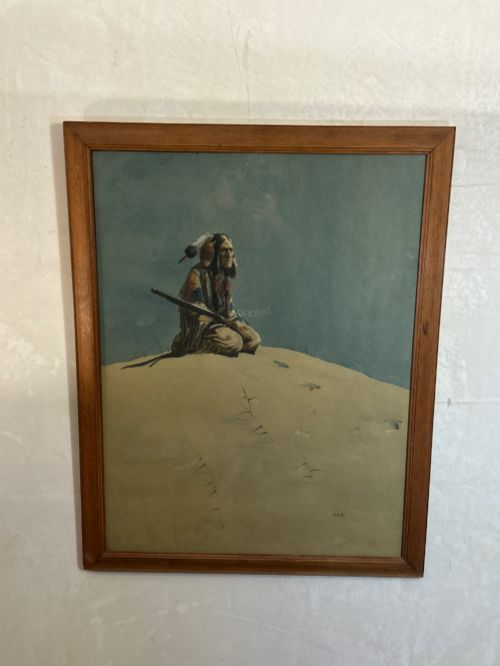
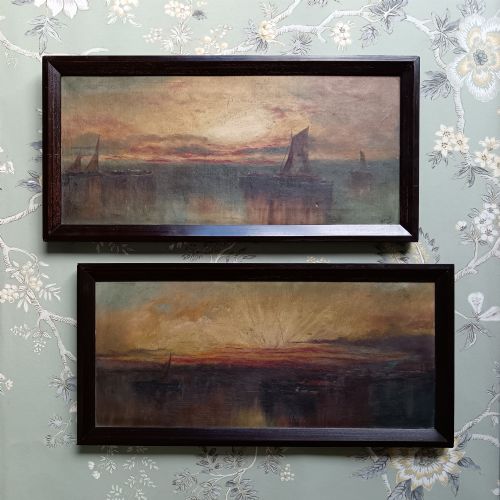
Buyers encounter framed artworks ranging from traditional landscape paintings and still lifes to maritime seascapes, portraits, and botanical studies.
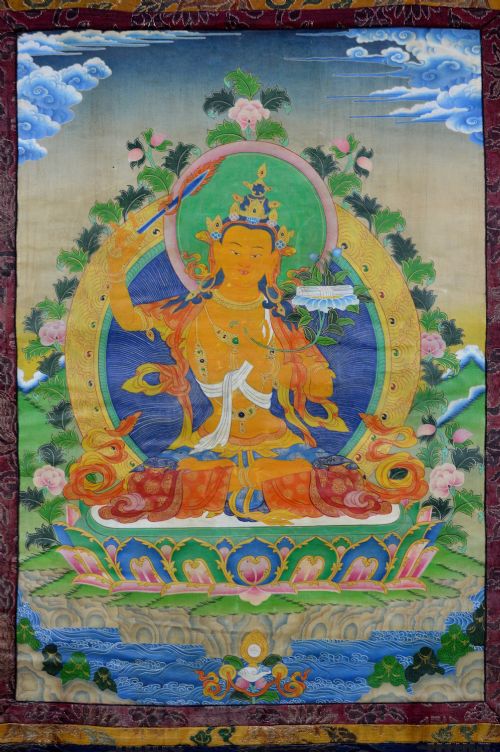
Alongside traditional oil paintings and watercolours on paper or canvas, the category encompasses pastel portraits, gouache board studies, drypoint prints, and textile art panels.
Materials and methods
Works are executed primarily in oil paint, watercolour, gouache, and pastel, applied to stretched canvas, primed board, wood panels, or heavy paper.
Framed pieces utilise period wooden moulding and mounts, while textile panels incorporate specialised batik dyeing techniques on fabric supports.
An amusing run of early caricatures sits alongside serene maritime scenes of the Tees and North Sea.
Distinctions in quality
Brushwork confidence and tonal balance separate accomplished studio pieces from amateur efforts, particularly evident in the rendering of light on water in marine scenes or depth in woodland landscapes.
The integrity of the original support, the stability of the pigment layer, and the appropriateness of the framing contribute significantly to the enduring presentation of each piece.
Kenneth Cozens·William Cannon·Tom Campbell·Percy Lancaster·John Hassall·Eugène-Louis Gillot·A. Marie Parsons·Robert Leslie Howey·Kershaw Schofield·George Houston·John E. Aitken·Eric Tufnell·Robert Morson Hughes·Kurt Meyer-Eberhardt·Bernard Gribble·Clive Browne·Peter Brannan·Carl Felkel
The 20th Century Wall Art Glossary
- Oil painting
- A work created using pigments bound in a drying oil, typically applied to canvas or wood panel. This medium allows for rich colour blending and textured impasto surfaces.
- Watercolour
- A painting method where fine pigment is suspended in a water-based solution, usually applied to absorbent paper. It relies on the white of the paper showing through transparent washes.
- Impressionism
- A style focused on capturing the visual impression of a moment, paying particular attention to shifting light and natural colours. Brushstrokes are typically visible and unblended.
- Drypoint
- A printmaking technique where an image is scratched directly onto a metal plate with a sharp needle. This process raises a delicate metal burr that holds ink for velvety printed lines.
- Gouache
- An opaque water-based paint that dries to a flat, matte finish. It combines water-soluble binders with larger pigment particles than watercolour.
20th Century Wall Art: Frequently Asked Questions
How do I date a painting?
Examine the signature, inscriptions on the reverse, and the framing materials used for clues regarding the period of creation. Stylistic markers often align with specific decades, such as the looser brushwork associated with mid-century modern pieces.
Compare the subject matter and medium with documented examples from the same era to narrow down the probable execution date.
Where should I hang these works?
Position paintings away from direct sunlight and excessive moisture to protect delicate watercolours, paper supports, and oil pigments from fading or deterioration over time.
Consider the scale of the room and existing interior styling to select pieces that complement rather than overwhelm your wall space.
What is the difference between oil and watercolour?
Oil paint utilises a slow-drying oil binder that allows for thick application, rich textures, and deep colour saturation on canvas or board. Watercolours use a water-soluble binder on paper, creating translucent, luminous washes.
Oils generally require sturdy wooden frames without glass protection, whereas watercolours need glazing to safeguard the paper surface from atmospheric moisture.
How are these pieces best maintained?
Dust frames gently with a soft, dry cloth and avoid using chemical cleaning agents near the painted surfaces or paper mounts. Stable indoor temperatures prevent warping in wooden panels and canvas stretchers.
Professional conservators should be consulted if cleaning or structural repairs to the canvas or frame become necessary.