



20th Century Oil Landscape
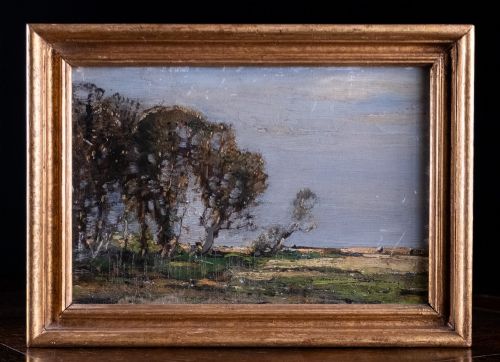
A 20th century oil landscape captures the changing light and rural or coastal views of the era through applied pigment on canvas, wood, or board.
20th Century Oil Landscape
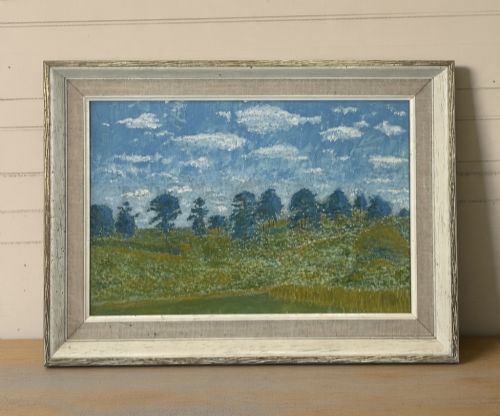
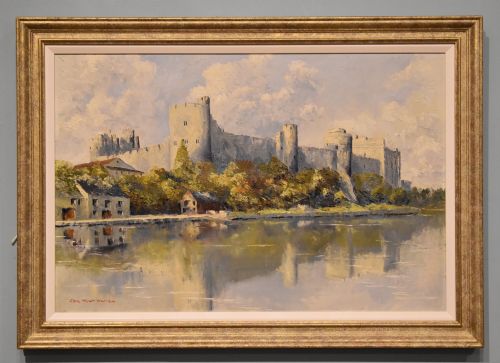
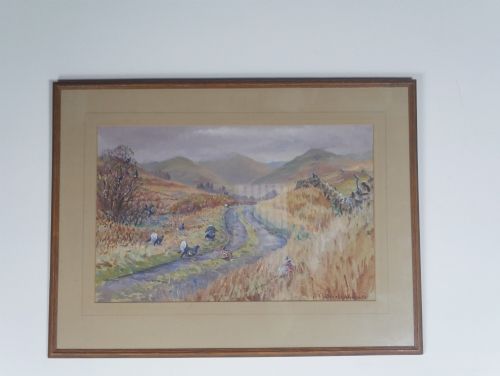
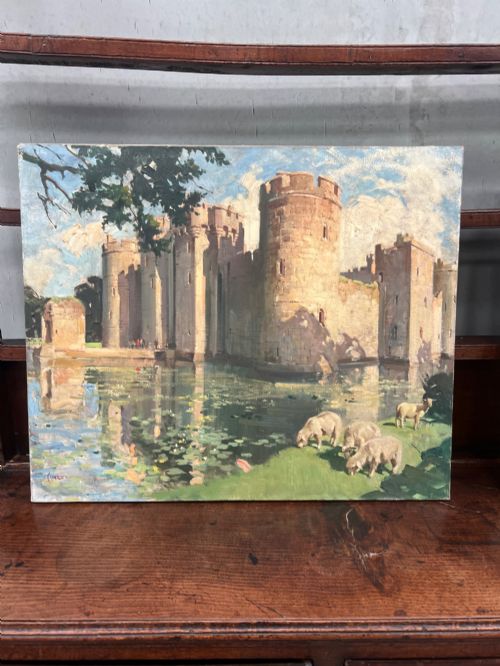
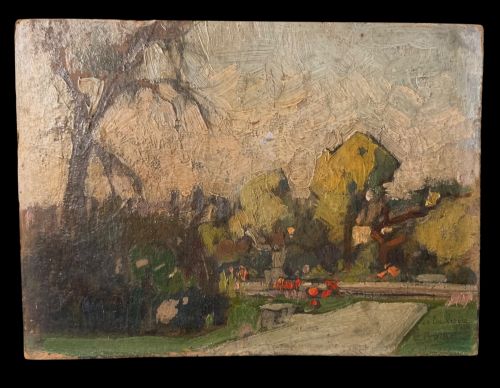
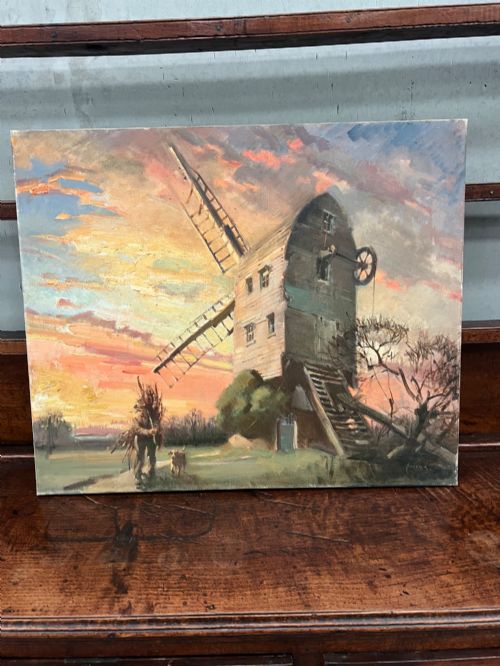
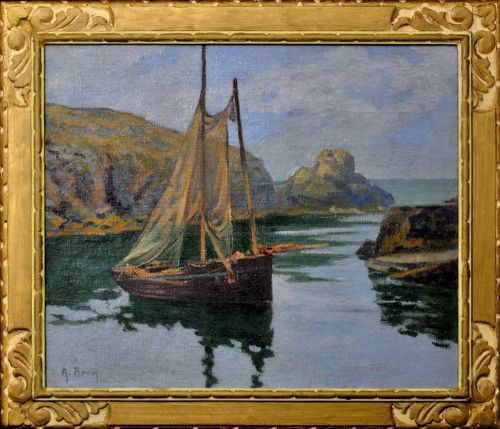
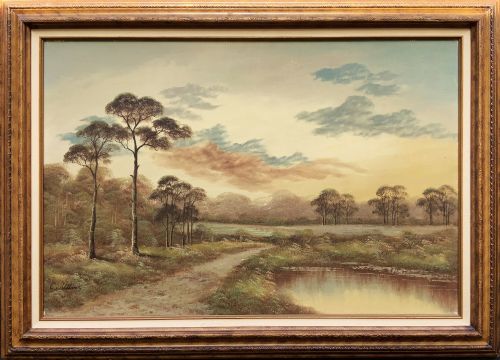
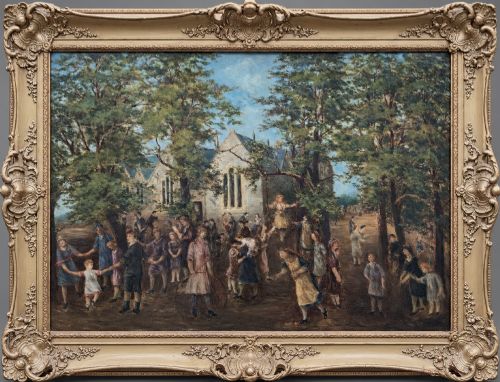
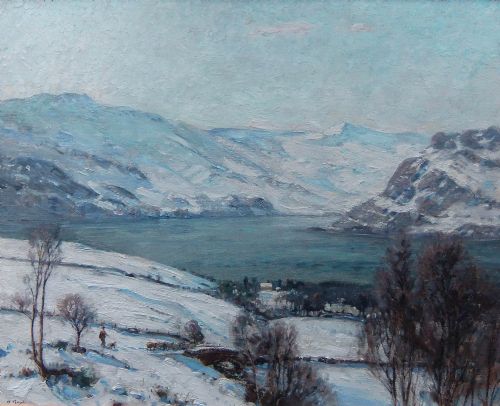
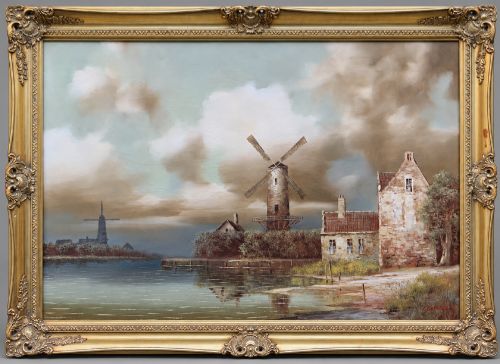
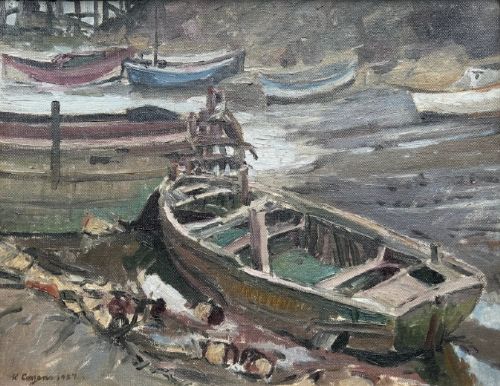
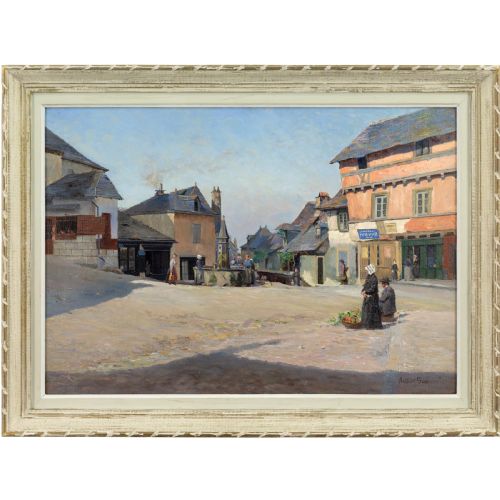
A 20th century oil landscape brings together diverse regional scenes, ranging from woodland lakes and Scottish highlands to Dutch windmills and coastal waters, painted across the decades from the Edwardian period to the mid-century. Buyers examine compositions that reflect both traditional British Impressionism and later modernist shifts in technique.
The pieces on this page frequently present pastoral views, marine settings, and village gatherings executed by named artists and regional schools. Such works serve as historical records of topography and atmospheric conditions captured outdoors or interpreted in the studio.
How They Were Made
Artists painted primarily with oil paint applied to prepared canvas, wooden panels, or rigid board supports, sometimes utilising heavy impasto for texture. Gilt frames often enclose these works, complementing the varied brushwork characteristic of impressionist and post-impressionist movements.
Supports range from woven canvas stretched over wooden frames to solid wood panels and composite boards, each influencing how the oil medium binds and ages over time.
20th Century Oil Landscape Retail Price Guide 2026
Typical asking prices for 20th century oil landscape among the pieces listed under this phrase on Sellingantiques today, from the lower quarter to the upper quarter. They describe what is for sale here now, not the wider market.
Listings feature works spanning from the Edwardian era through the 1960s, executed on canvas, wood, and board.
What Varies in Quality
Quality rests upon the confidence of the brushwork, the handling of light, and the compositional balance achieved across the surface. Stronger examples display a clear command of tone and perspective that brings depth to the painted scene.
The preservation of the pigment layer and the stability of the original support also separate works, as does the artist's ability to evoke a specific atmosphere within the landscape.
Herbert Royle·Tom Campbell·George Houston·Alexander Jamieson·Stuart Walton
The 20th Century Oil Landscape Glossary
- Impasto
- Paint applied thickly to a surface, standing out in relief from the plane and giving a tactile quality to elements such as water, foliage, or clouds.
- Board
- A rigid flat panel used as a painting support in place of stretched canvas, common in various decades for smaller landscape studies.
- Gilt
- A gold-coloured surface application used on frames to enhance the visual presentation of the painting.
- Post-Impressionism
- An art movement extending impressionist techniques while rejecting its limitations, exploring bolder colours and more expressive forms in landscape painting.
20th Century Oil Landscape: Frequently Asked Questions
How do I identify the period of a landscape?
Examine the framing, the style of the brushwork, and any signatures or labels on the reverse of the canvas or board.
Changes in clothing styles within figurative elements or the specific type of stretcher frame can also indicate the decade of creation.
Were these paintings created outdoors?
Many artists worked plein air to capture direct effects of light, completing preliminary oil sketches outdoors before finishing larger works in the studio.
Other compositions were constructed entirely indoors using field studies and memory.
How should I clean an oil painting?
Dust accumulation should be gently removed with a soft, dry brush, avoiding any moisture or household cleaning agents.
Professional conservators should handle deeper cleaning to protect the fragile varnish and pigment layers.
What is the difference between canvas and board?
Canvas consists of woven fabric stretched over a wooden frame, offering slight give under the brush, whereas board provides a rigid, inflexible backing.
Both materials require specific preparatory grounds to receive oil paint properly.