





Twentieth Century Signed Artwork
Twentieth century signed artwork brings together original paintings and drawings bearing the authentic mark of the hand that made them.
Twentieth Century Signed Artwork
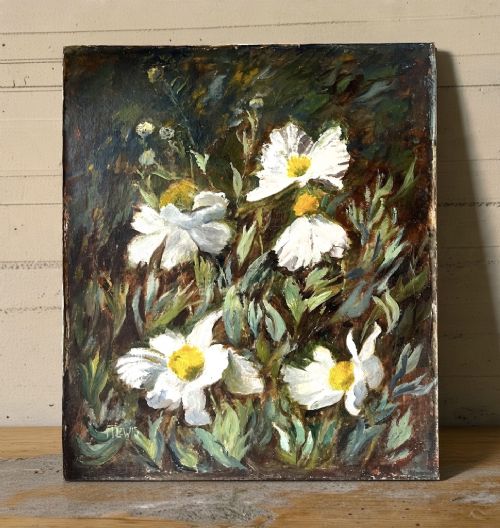
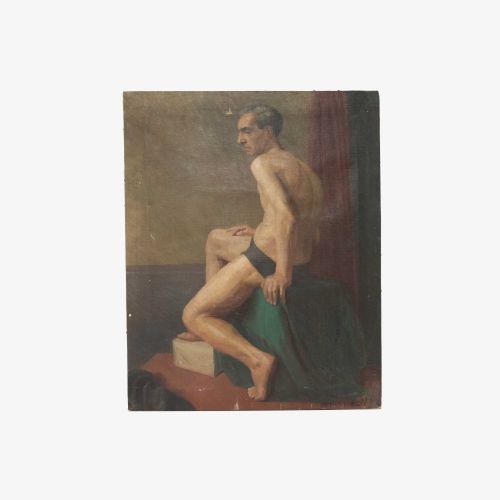
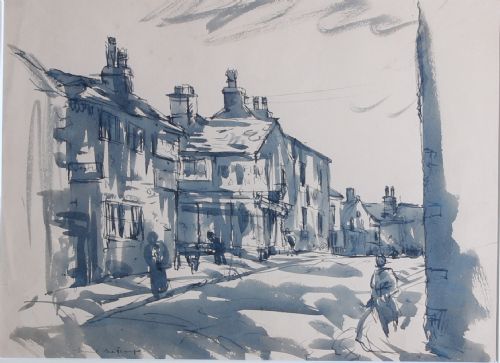
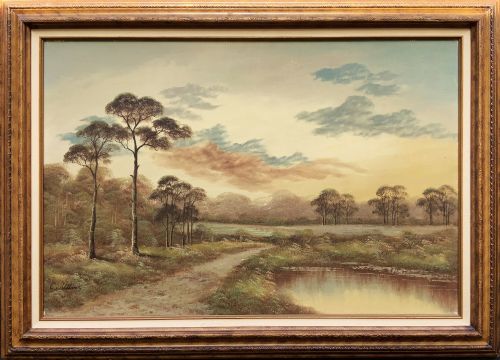
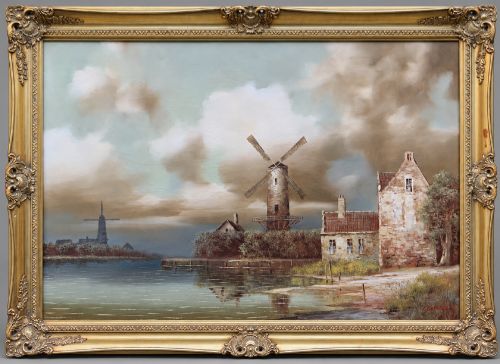
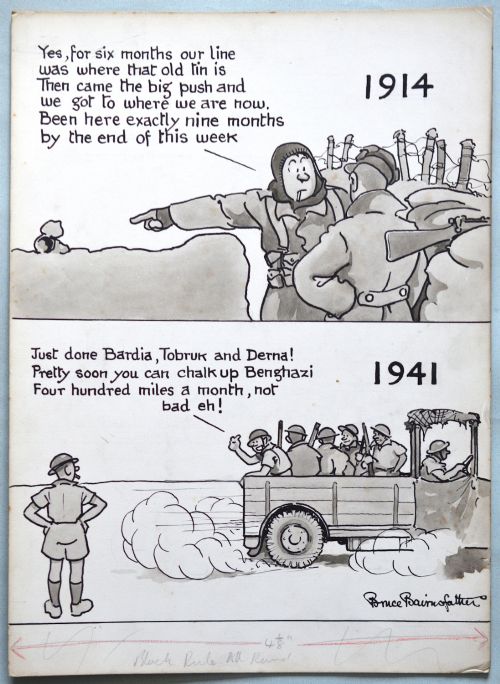
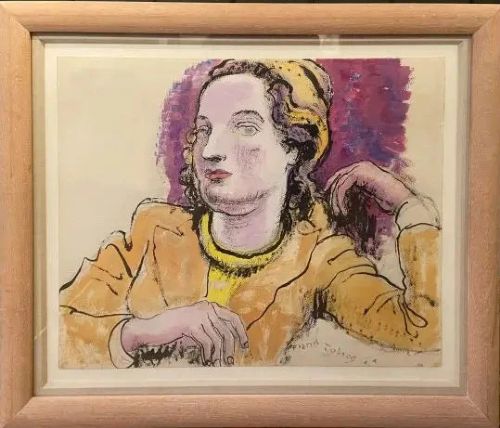
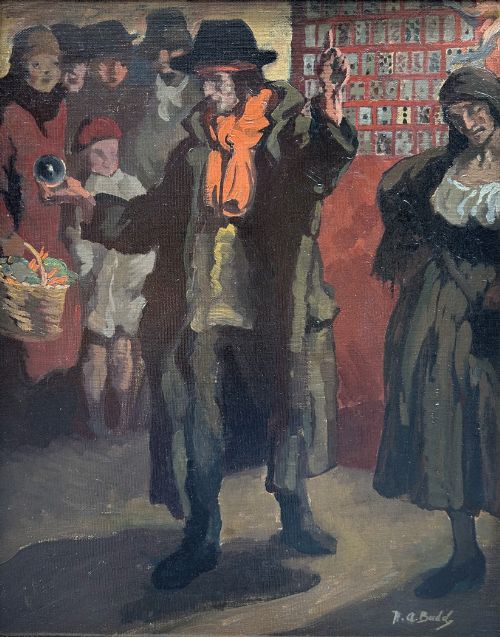
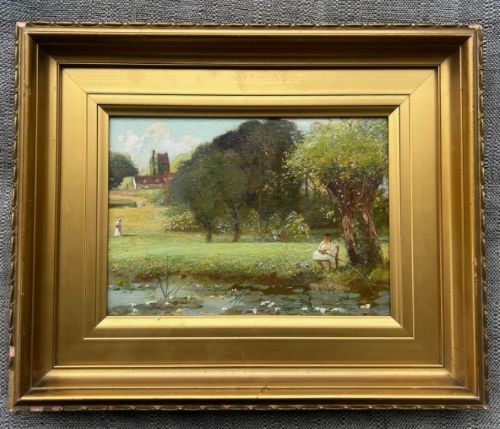
Twentieth century signed artwork comprises paintings, watercolours, drawings, and prints produced across the decades from the nineteen hundreds to the nineteen sixties. A buyer seeking twentieth century signed artwork will encounter oil paintings on canvas and wood panel, alongside works on paper executed in watercolour, ink, and pastel. The selection reflects diverse movements including Modern British, British Impressionism, and mid-century figurative styles.
The most frequent items met on this page are landscape watercolours, portrait oils, and figurative studies bearing the signature of the artist. These pieces originate from British and European studios, ranging from topographical scenes of Yorkshire and Sussex to intimate figure studies and animal portraits. Each piece offers a direct connection to the working methods of artists active during the twentieth century.
Materials and construction
Makers of twentieth century signed artwork applied oil paint to stretched canvas or prepared wood panels, building rich textures and deep tones. Others worked on paper using watercolour washes, ink lines, and pastel pigments to capture immediate atmospheric effects. Supports vary from traditional canvas frames to sturdy wooden boards chosen for stability.
Signatures appear in pencil, ink, or direct paint applied by the artist upon completion of the composition. These marks validate the authorship and anchor the piece to a specific hand within the broader movements of the twentieth century.
Twentieth Century Signed Artwork Retail Price Guide 2026
Typical asking prices for twentieth century signed artwork among the pieces listed under this phrase on Sellingantiques today, from the lower quarter to the upper quarter. They describe what is for sale here now, not the wider market.
Animals make charming appearances here, including a dedicated portrait of a fluffy Pekingese dog immortalised in oil paint.
Distinctions in quality
Quality in twentieth century signed artwork depends upon the sureness of the draftsmanship and the control of the chosen medium. Strong works demonstrate confident brushwork or precise ink lines that convey form and light without hesitation. Lesser examples may exhibit rigid composition or timid application of pigment that lacks internal cohesion.
The relationship between the subject and the hand of the maker dictates the resonance of the piece. Superior examples reveal a distinctive personal vision within established genres such as landscape or portraiture, whereas weaker pieces follow academic formulas without individual interpretation.
Frank Dobson·Herbert Ashwin Budd·Dame Laura Knight·Pinchus Krémègne·Florence Mabel Hollams
The Twentieth Century Signed Artwork Glossary
- Oil on canvas
- Pigment suspended in drying oil applied to a woven fabric stretched across a wooden frame. This method allows for subtle blending and thick impasto textures.
- Watercolour
- A paint consisting of water-soluble pigments applied to paper. It produces transparent washes of colour that rely on the white of the paper for luminosity.
- Wood panel
- A flat rigid piece of timber used as a painting support instead of canvas. Artists favour panels for their smooth, stable surface.
- Etching with aquatint
- A printmaking process where lines are bitten into a metal plate with acid and tonal areas are created using powdered resin. It yields velvety darks and fine linear detail.
Twentieth Century Signed Artwork: Frequently Asked Questions
How do I identify the signature on a painting?
Artists typically signed their work in the lower corners using pigment, pencil, or ink that matches the materials of the composition.
Compare the handwriting style against documented examples from the same creator to confirm attribution.
What subjects are common in these artworks?
Landscapes, portraits, figurative studies, and marine scenes dominate the output of this period.
Artists recorded both rural topography and human character with direct observation.
How should I frame a work on paper?
Works on paper require conservation mounting to prevent direct contact between the surface and the protective glazing.
Keep watercolours and pastels away from direct sunlight to preserve fugitive pigments.
What is the difference between an oil and a watercolour?
Oils utilise slow-drying paint on canvas or panels, allowing for rich texture and layered corrections.
Watercolours use transparent pigments on paper for luminous, rapid studies.