


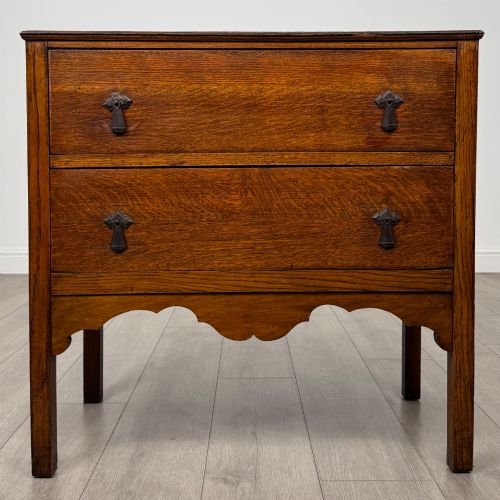
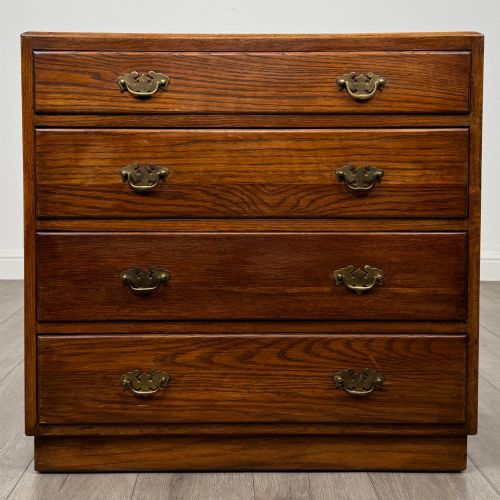
20th Century Oak Chest
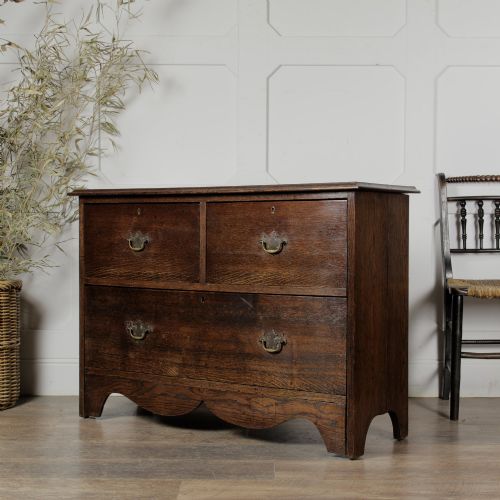
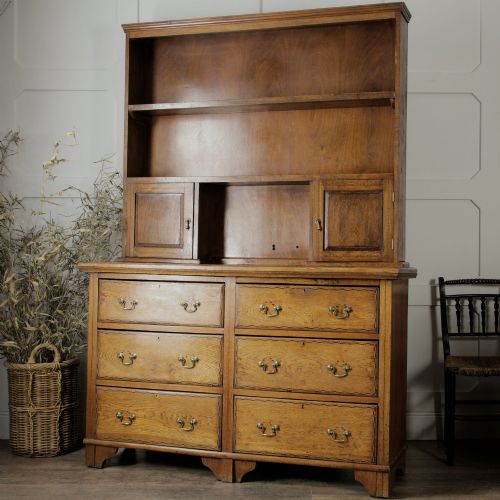
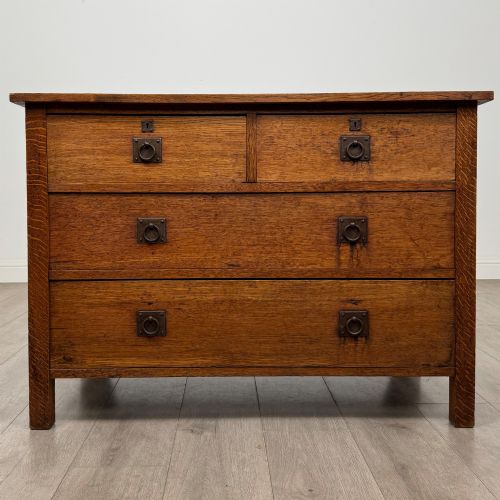
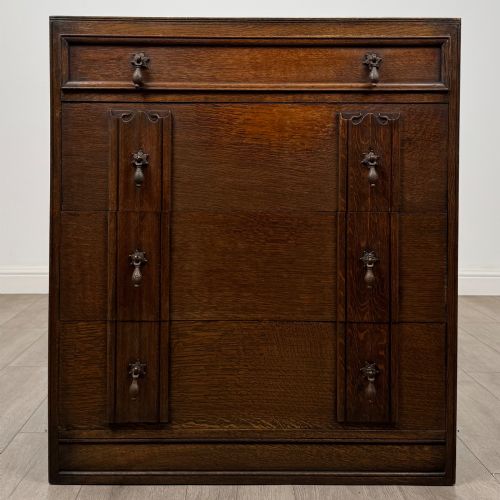
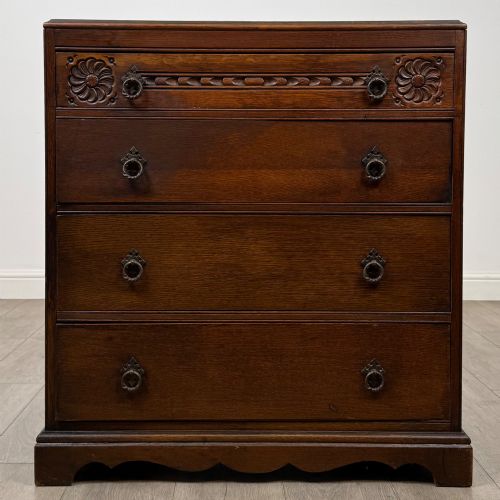
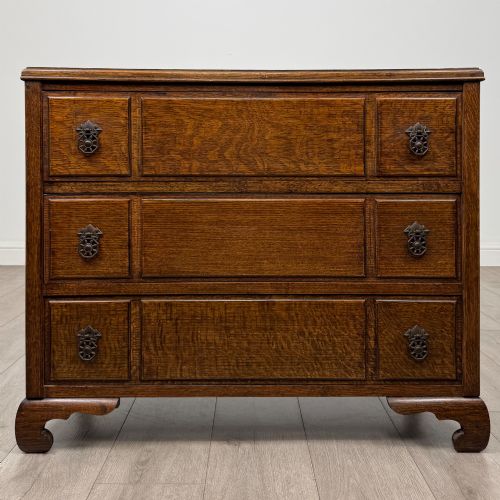
A 20th century oak chest brings robust timber storage into a room, offering sturdy drawers and cabinets built from enduring wood.
20th Century Oak Chest
A 20th century oak chest is a practical storage piece typically constructed as a chest of drawers or a cabinet. Buyers seeking these items encounter robust timber builds designed for everyday utility in domestic spaces.
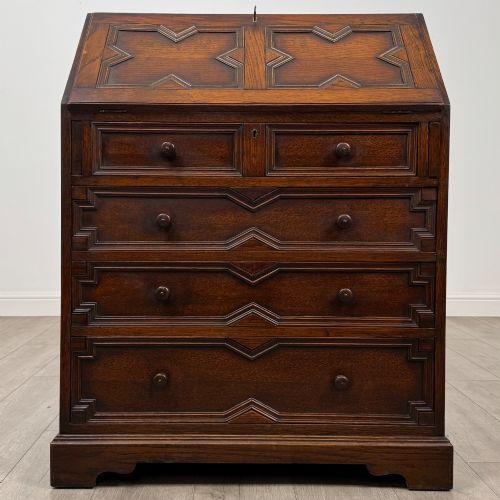
The selections span Edwardian examples alongside pieces from nineteen thirty. Styles range from Jacobean Revival and Mid-Century Modern to low chests, narrow formats, and chests on chests.
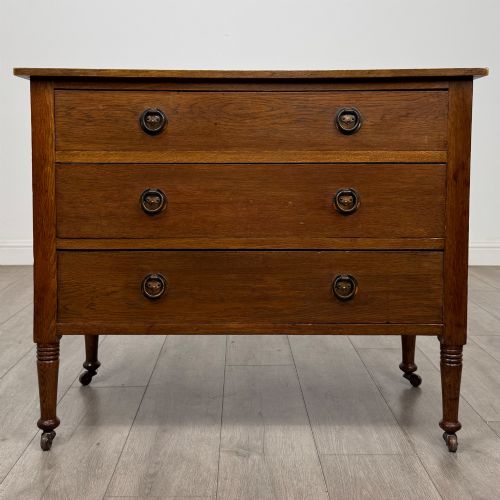
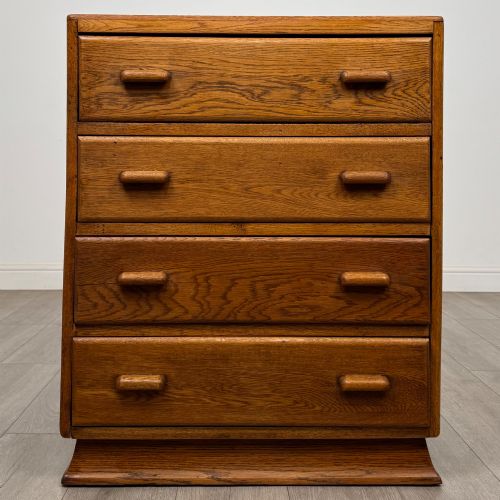
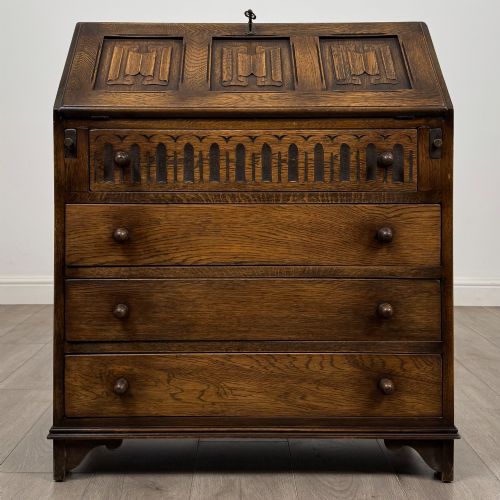
Chest of drawers variants dominate the offerings, appearing frequently in standard oak and golden oak finishes. Carved surfaces and turned details such as barley twist or bobbin turned legs occasionally surface among the forms.
How they were made
Construction relies heavily on oak timber, often selected for its visible grain and durability. Metal and brass hardware such as handles and fittings complete the structural assemblies.
Joinery methods secure the dense timber frames, while surface treatments range from plain polished oak to golden oak hues. Decorative variants incorporate carved detailing into the wooden panels and frames.
Listings feature oak, metal, and brass across Edwardian and nineteen thirty periods, spanning styles from Jacobean Revival to Mid-Century Modern.
What varies in quality
The distinction between standard examples and superior pieces rests in the richness of the golden oak colour and the crispness of any carved detailing. Finer construction displays careful timber selection and harmonious proportions across narrow or low chest formats.
Hardware choice also separates the tiers, with well-wrought brass fittings enhancing the character of better examples. The presence of specialised forms like cabinets on stands or distinctive turning elevates the distinction of individual pieces.
The 20th Century Oak Chest Glossary
- Golden oak
- A bright, warm shade of timber finish frequently encountered on Edwardian chests. This tone highlights the natural grain patterns of the wood.
- Edwardian
- A period spanning the early years of the twentieth century. Pieces from this era often feature traditional drawer configurations in solid oak.
- Jacobean Revival
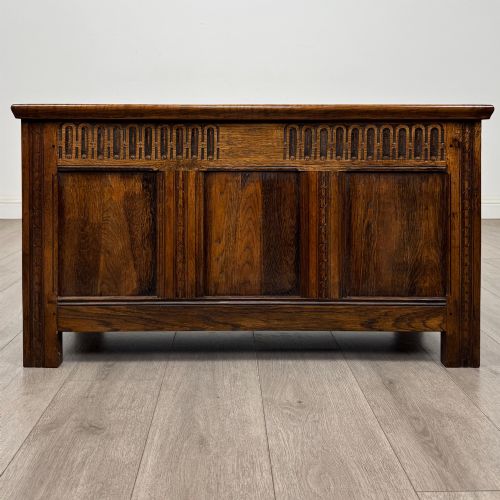
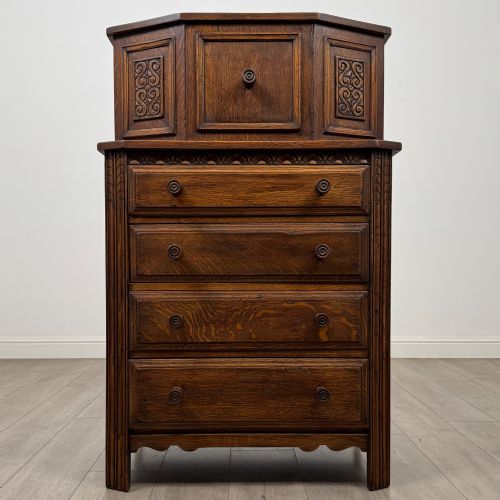
- A style drawing inspiration from seventeenth-century design motifs. It appears on cabinets and chests through heavy proportions and ornamental carving.
- Chest on chest
- A tall storage form comprising one chest stacked directly upon another. This vertical arrangement maximises storage capacity while maintaining a compact footprint.
- Barley twist
- A decorative turning technique resembling a spiralling rope. This detail frequently ornaments the legs or uprights of period chests.
20th Century Oak Chest: Frequently Asked Questions
What periods do these oak chests date from?
These pieces date across the twentieth century, with particular representation from the Edwardian era and the nineteen thirties. The styles reflect prevailing tastes of those decades.
Buyers find traditional drawer units alongside revivalist cabinet designs. Each period contributes distinct construction traits and decorative finishes to the selection.
How do I identify a Jacobean Revival chest?
Jacobean Revival pieces display historical design influences through carved ornamentation and heavier framing. They often take the form of cabinets on stands.
These items stand apart from standard drawer units by incorporating architectural details. The style references earlier seventeenth-century aesthetics using twentieth-century oak.
What is a golden oak finish?
Golden oak describes a specific warm, pale hue applied to the timber surface. This finish accentuates the natural figuring of the oak.
It appears frequently on Edwardian chests of drawers. The treatment provides a lighter visual presence compared to darker antique stains.
Where should I place a low chest?
Low chests suit rooms requiring reduced height while retaining standard drawer storage capacity. They function effectively beneath windows or in hallways.
Their proportions offer surface display space without dominating the wall area. The oak construction ensures they anchor domestic interiors securely.